Camping Legality Checker
Camping laws are a complex patchwork of federal, state, and local rules. This tool provides general guidance based on common regulations for specific states and land types. Always verify with local authorities before setting up camp.
You pack the car, load up the cooler, and hit the road with a map full of potential spots. You find a clearing that looks perfect-flat ground, some shade, and no neighbors in sight. But before you unzip your tent or pop the roof on your camper, you need to know one thing: where is camping actually legal?
Here is the tricky part about camping laws in the United States. There isn't a single federal law that says "you can camp here" or "you can't." Instead, it's a patchwork of state statutes, county ordinances, city codes, and land management policies. What is perfectly fine in one county might get you fined in the next town over. And if you are looking for luxury campsites nearby, you might assume the wilderness options are equally regulated, but they often operate under completely different rules.
The Myth of "Anywhere Goes"
Many beginners think that if there are no fences, it's fair game. That is rarely true. The confusion usually stems from mixing up public land types. The US has millions of acres of public land, managed by different agencies, each with its own rulebook.
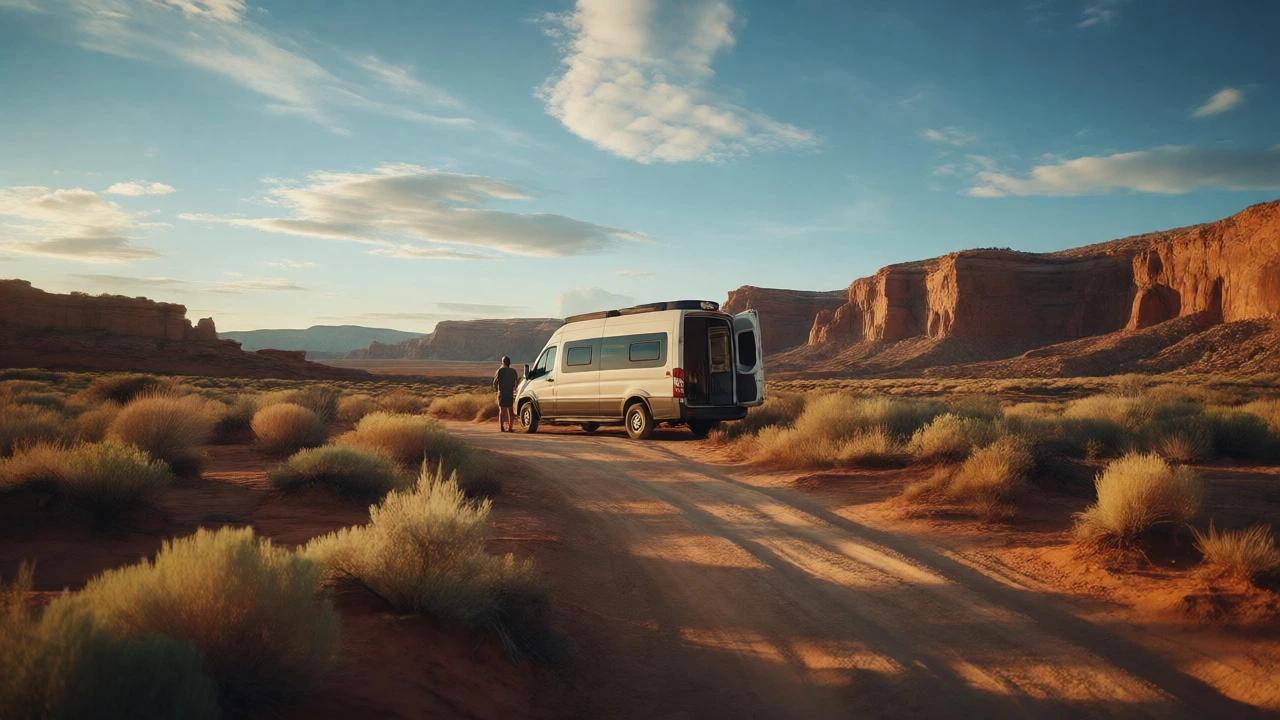
Bureau of Land Management (BLM) lands are generally the most permissive. They allow what is called dispersed camping, which means setting up camp outside of designated campgrounds, usually for free, for up to 14 days within a 28-day period. This applies to roughly 245 million acres across the West and Alaska. If you are in Nevada, Utah, or Arizona, you have massive freedom here.
US Forest Service lands are also friendly to campers, though rules vary more by region. In the Eastern US, where forests are smaller and closer to cities, restrictions tighten. You might be limited to specific areas or required to use established sites to protect fragile ecosystems.
But then you have National Parks. These are strict. Camping is almost always restricted to designated campgrounds. Pitching a tent in a random meadow in Yellowstone or Yosemite without a permit is a fast way to get an eviction notice and a fine. The goal here is preservation, not just recreation.
States with Strict or Complex Regulations
While no state outright bans all camping, some have made it significantly harder to camp legally outside of paid facilities. This is often due to high population density, fire risks, or private land ownership patterns.
| State/Region | Camping Status | Key Restrictions |
|---|---|---|
| California | Complex/Strict | High fines for illegal camping; many counties ban street parking overnight; fire bans frequent. |
| New York | Restrictive | Limited public land; strict Adirondack Park rules; urban areas prohibit roadside sleeping. |
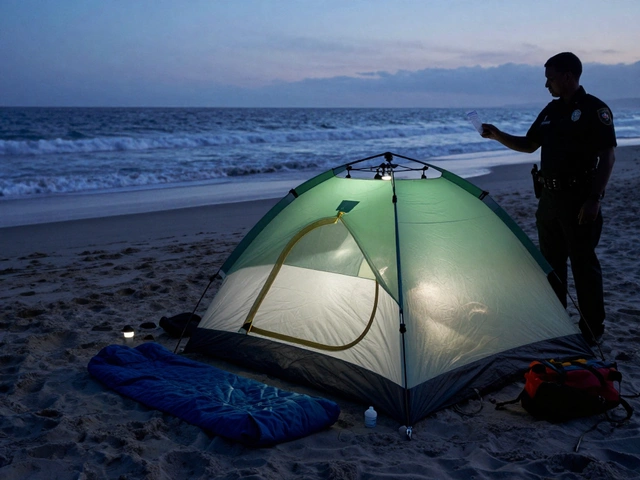
| Florida | Varies Wildly | Beach camping mostly banned except in parks; hurricane season closures; private property enforcement. |
| Texas | Permissive | Large tracts of BLM/NPS land; easy access; fewer local ordinances than coastal states. |
| Hawaii | Very Strict | Most beaches require permits; camping only in designated state parks; no free beach camping. |
Take California as a prime example. It’s a camping paradise, but the legal landscape is a minefield. Los Angeles County, for instance, has cracked down hard on RVs and tents parked on streets or in lots overnight. Fines can reach hundreds of dollars. Meanwhile, drive three hours north into the Sierra National Forest, and you’re back to easy dispersed camping. The difference isn’t the state law alone; it’s the local ordinance layered on top.
New York presents another challenge. Most of the state is privately owned. Public camping is concentrated in the Adirondacks and Catskills. Even there, the Department of Environmental Conservation (DEC) enforces strict rules. You must camp at least 150 feet from water sources and roads. Violating these "Leave No Trace" mandates isn't just rude; it's illegal and carries penalties.
Why Is Camping Illegal in Some Places?
It feels unfair when you’re tired and just want to sleep, but these laws exist for specific reasons. Understanding them helps you avoid trouble.
- Fire Safety: In drought-prone areas like California and Colorado, open fires are often banned entirely during summer months. Even a contained camp stove might be prohibited during red-flag warnings.
- Wildlife Protection: In bear country (like parts of Montana, Wyoming, and New Jersey), improper food storage can lead to bears becoming habituated to humans. Many states mandate the use of bear-resistant containers or hanging food properly.
- Erosion and Damage: High-traffic areas suffer from soil compaction and vegetation loss. Agencies restrict camping to durable surfaces like gravel pads or established clearings to let nature recover.
- Public Nuisance: In urban and suburban zones, municipalities ban camping to prevent homelessness encampments from blocking sidewalks or creating sanitation issues. This often catches tourists off guard.
The Gray Areas: Boondocking and Roadside Stops
Then there is the gray area. Technically, stopping your car to sleep is not always "camping." But the line is blurry. If you pull over at a rest stop in Pennsylvania, you can usually sleep for 8-12 hours. But if you set up a chair, cook dinner, and stay two nights, you are camping. And if that rest stop doesn't allow camping, you're breaking the rule.
Walmart parking lots used to be the go-to solution for this. Today, it’s less reliable. Corporate policy allows store managers to decide. Some welcome RVs; others post signs banning overnight parking. Always call ahead. Never assume.
Another common trap is "private property with public access." You might see a field near a trailhead and assume it's open. Often, it’s privately owned land with an easement for hiking, not camping. Trespassing laws apply. If you don't see a sign saying "Camping Allowed," ask before you pitch.
How to Check Local Rules Before You Go
Don't rely on old blog posts or word-of-mouth. Rules change yearly. Here is how to verify quickly.
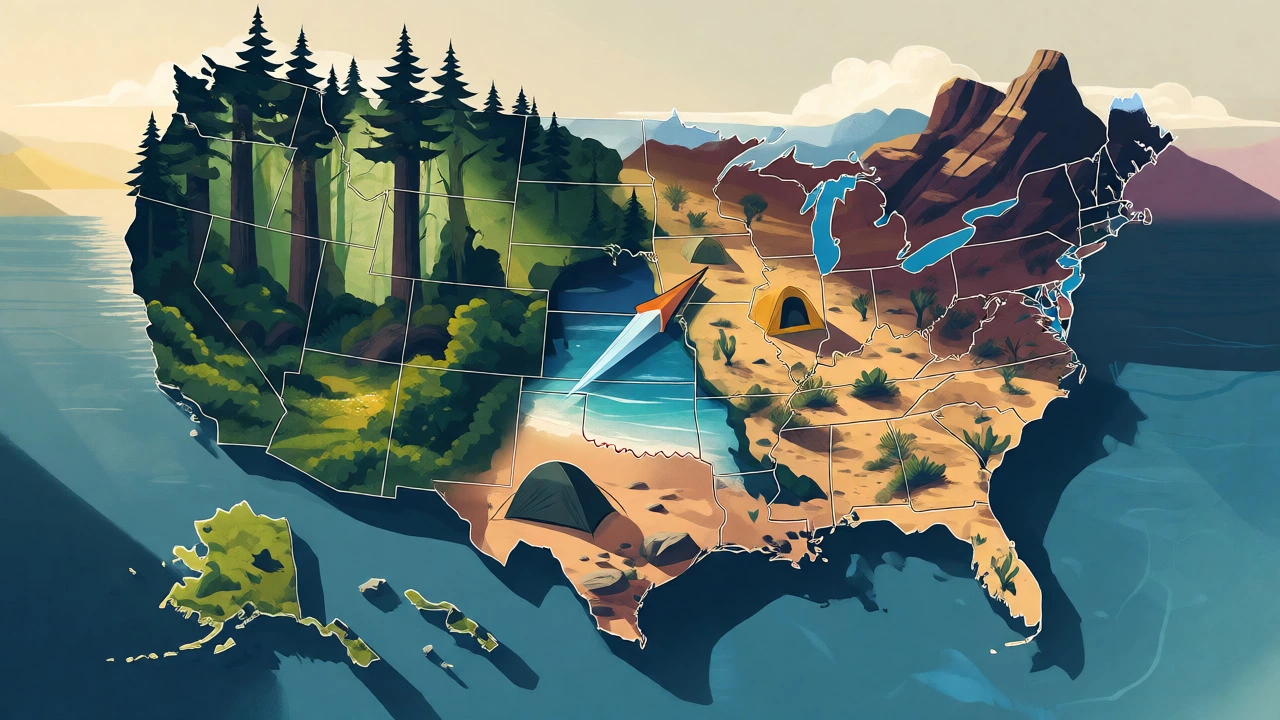
- Identify the Land Manager: Look at the map. Is it BLM, Forest Service, State Park, or County Land? Each has a website with current alerts.
- Check Fire Bans: Search "[County Name] fire ban status." This is critical in the West.
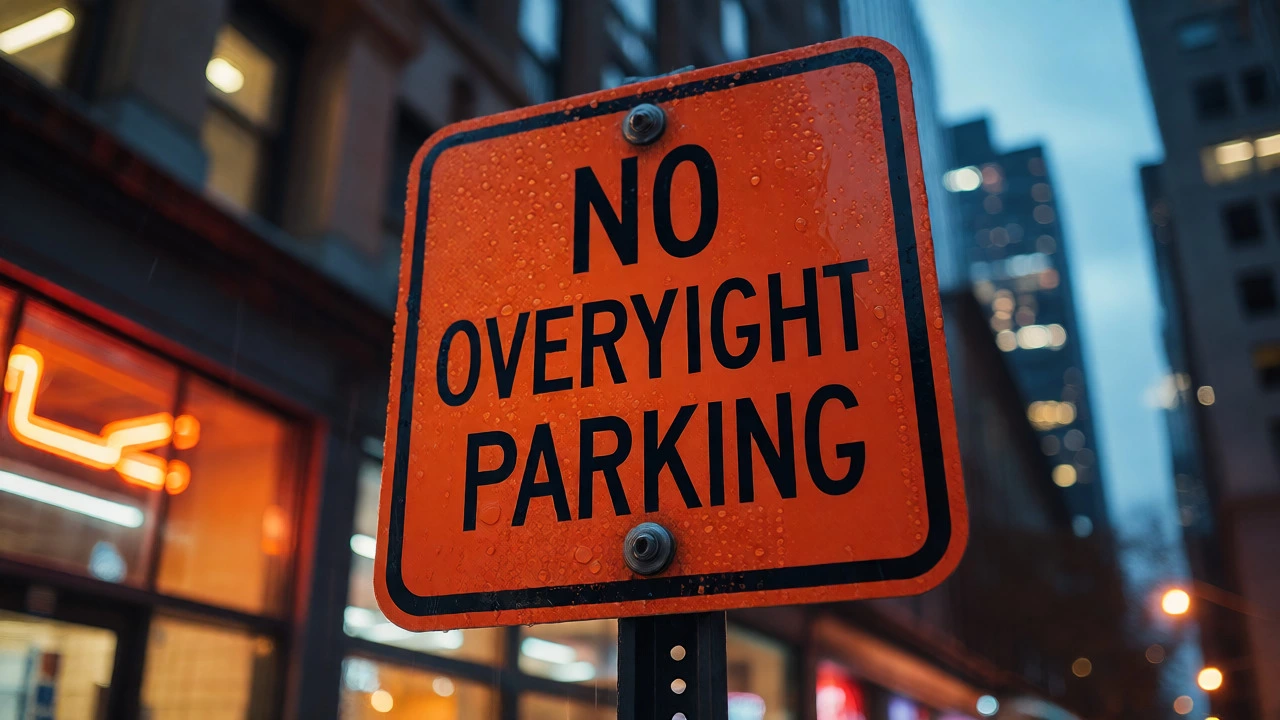
- Read the Signage: On-site signs are the final authority. If a sign says "No Overnight Parking," believe it, even if ten other cars are ignoring it.
- Use Official Apps: Tools like Recreation.gov for reservations or the USFS app provide real-time updates on closures and conditions.
If you prefer comfort and certainty, booking a luxury campsite removes the guesswork. These sites handle permits, provide amenities, and ensure you aren't accidentally trespassing. It’s worth the cost if you value peace of mind over rugged independence.
Consequences of Breaking the Law
What happens if you ignore the rules? It depends on who catches you.
A park ranger might give you a warning. Or they might issue a citation ranging from $50 to $500. In severe cases, especially involving environmental damage or repeated offenses, your gear could be impounded. For RVers, towing fees add up fast. More importantly, illegal camping leads to trash piles and human waste issues, which causes authorities to close areas to everyone else. Your shortcut today could mean no camping spot tomorrow.
Is it illegal to camp on the side of the road in every state?
No, it varies significantly. In western states with vast public lands, roadside camping on BLM or Forest Service land is often legal. In eastern states and urban areas, it is frequently prohibited due to safety concerns and local ordinances. Always check for posted signs indicating "No Overnight Parking" or "No Camping."
Can I camp anywhere in National Forests?
Generally yes, but with restrictions. Dispersed camping is allowed in most National Forests, but you must follow specific guidelines: camp at least 200 feet from lakes, streams, and trails, and do not dig trenches or cut live trees. Some areas may have seasonal closures or require a self-issue permit.
What is the penalty for illegal camping?
Penalties vary by jurisdiction. Typical fines range from $50 to $500. Repeat offenders or those causing significant environmental damage may face higher fines, community service, or equipment impoundment. In some cities, violations can escalate to misdemeanor charges.
Do I need a permit for dispersed camping?
For most BLM and National Forest dispersed camping, no permit is needed. However, some popular areas require a free self-issue permit obtained online or at a kiosk. Always check the specific forest or district website before your trip, as requirements change based on usage levels and conservation needs.
Is wild camping legal in Hawaii?
Generally, no. Hawaii does not allow free, unrestricted wild camping on beaches or public lands. You must obtain a permit to camp in designated state parks or forest reserves. Camping on unauthorized beaches can result in immediate fines and removal by local police.