Wild Camping Fine Calculator
How much could you be fined?
This calculator estimates potential fines for wild camping in England based on current enforcement practices.
⚠️ Important: Wild camping is generally illegal in England. Fines are estimates only and enforcement varies by location and circumstances.
Estimated Fine Range
✅ Legal alternatives:
- Use official campsites (often under £15/night)
- Camp only in Dartmoor with strict adherence to rules
- Always seek landowner permission
If you’ve ever dreamed of pitching a tent under the stars in the English countryside, you’re not alone. But before you roll out your sleeping bag on a hillside or settle in beside a quiet lake, there’s one question that matters more than any view: Can you get fined for wild camping in England? The answer isn’t simple, and it’s not the same everywhere.
Wild camping isn’t illegal everywhere - but it’s rarely allowed
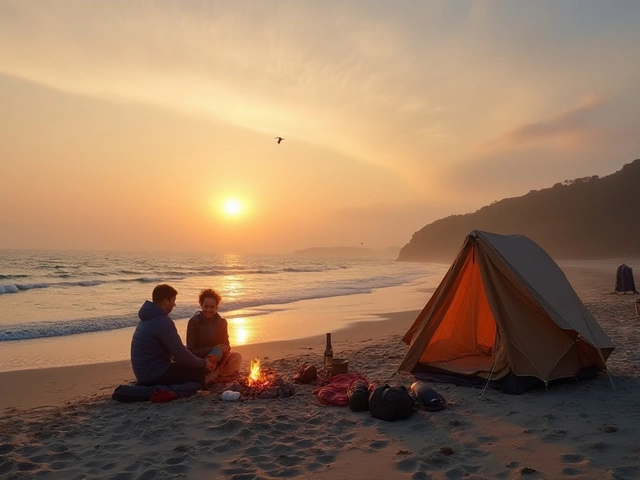
In England, wild camping - meaning setting up a tent on land you don’t own or have permission to use - is technically illegal under common law. Unlike Scotland, where the Land Reform (Scotland) Act 2003 gives you the right to camp responsibly in most areas, England has no such legal protection. That doesn’t mean you’ll get arrested every time you camp off-grid. But it does mean you’re on shaky ground.
Most land in England is privately owned. Even if it looks empty - a moor, a forest edge, a field beyond a footpath - it likely belongs to someone. Landowners can, and do, call the police if they catch someone camping without permission. And while many officers will just ask you to leave, others will issue a fine.
How much could you actually be fined?
Fines for wild camping in England aren’t set by national law, so they vary. Local councils and landowners often use civil enforcement or bylaws to penalize trespassers. If you’re caught, you could face a fixed penalty notice of £100 to £250. In some cases, especially if you’ve been warned before or caused damage, the fine can go higher - up to £1,000 under the Criminal Justice and Public Order Act 1994.
There’s no official nationwide database of fines, but local reports show a rise in penalties. In the Lake District, for example, National Park authorities issued 47 warnings and 12 fines in 2024 alone. In Dartmoor, rangers reported a 68% increase in enforcement actions between 2022 and 2025. Most of these were for overnight stays without permission.
Where is wild camping actually legal in England?
There are two places in England where wild camping is tolerated - or even officially permitted under specific conditions:
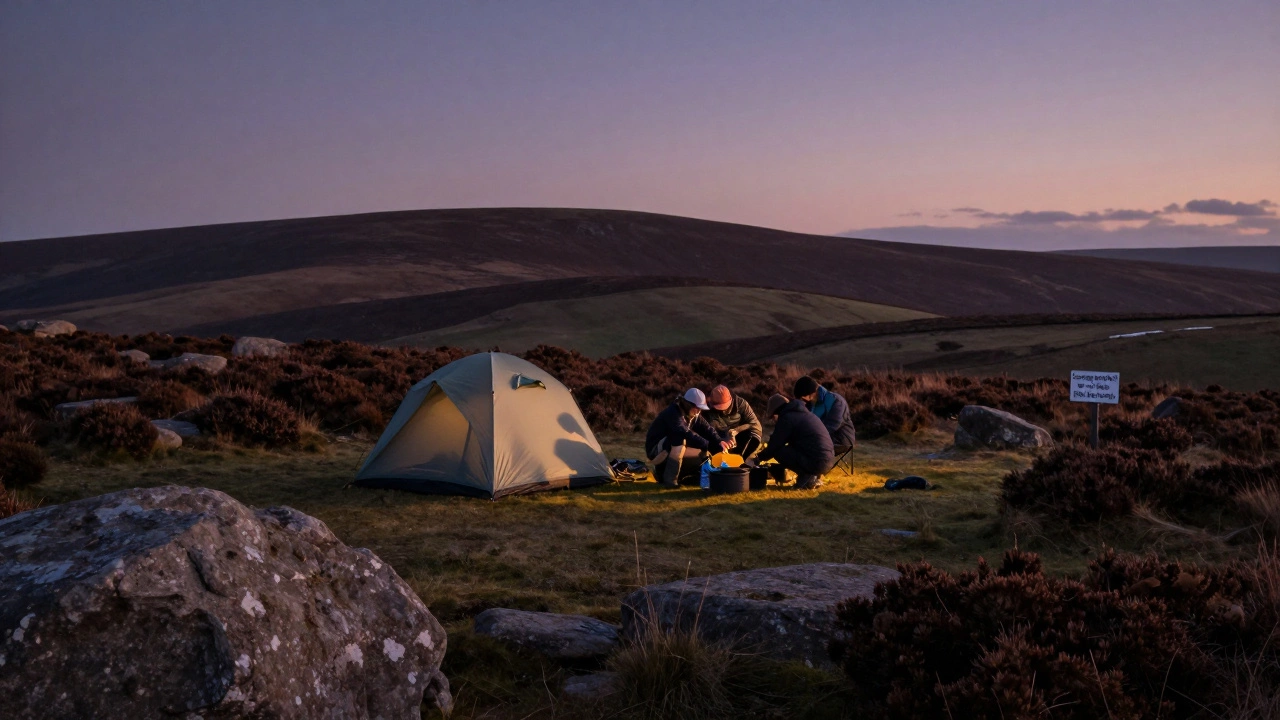
- Dartmoor National Park: Since the Dartmoor Commons Act 1985, camping on Dartmoor’s open moorland is legal - but with limits. You can only camp in small groups (no more than 6 people), for no more than two nights in the same spot, and you must be at least 100 meters away from roads, buildings, and protected sites. You can’t light fires, leave trash, or camp in enclosed fields.
- Some land trust areas: A few private landowners, like the Dartmoor Wildlife Trust or certain farms in the Peak District, allow wild camping by arrangement. These are rare and usually require booking in advance through official websites.
Outside of these areas, any wild camping is technically trespassing. Even if no one sees you, you’re still breaking the law.
What about sleeping in your car?
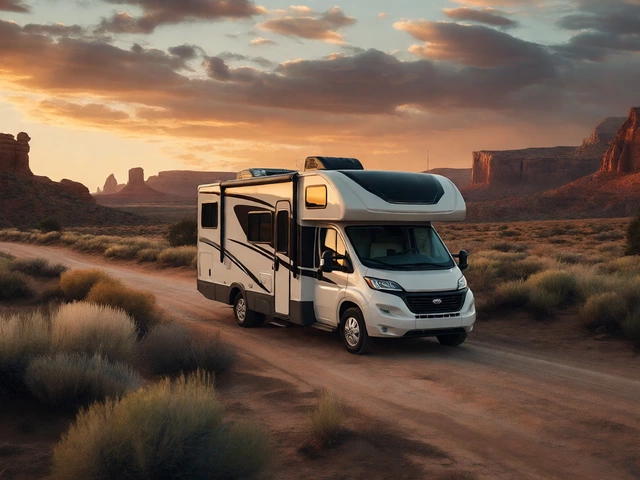
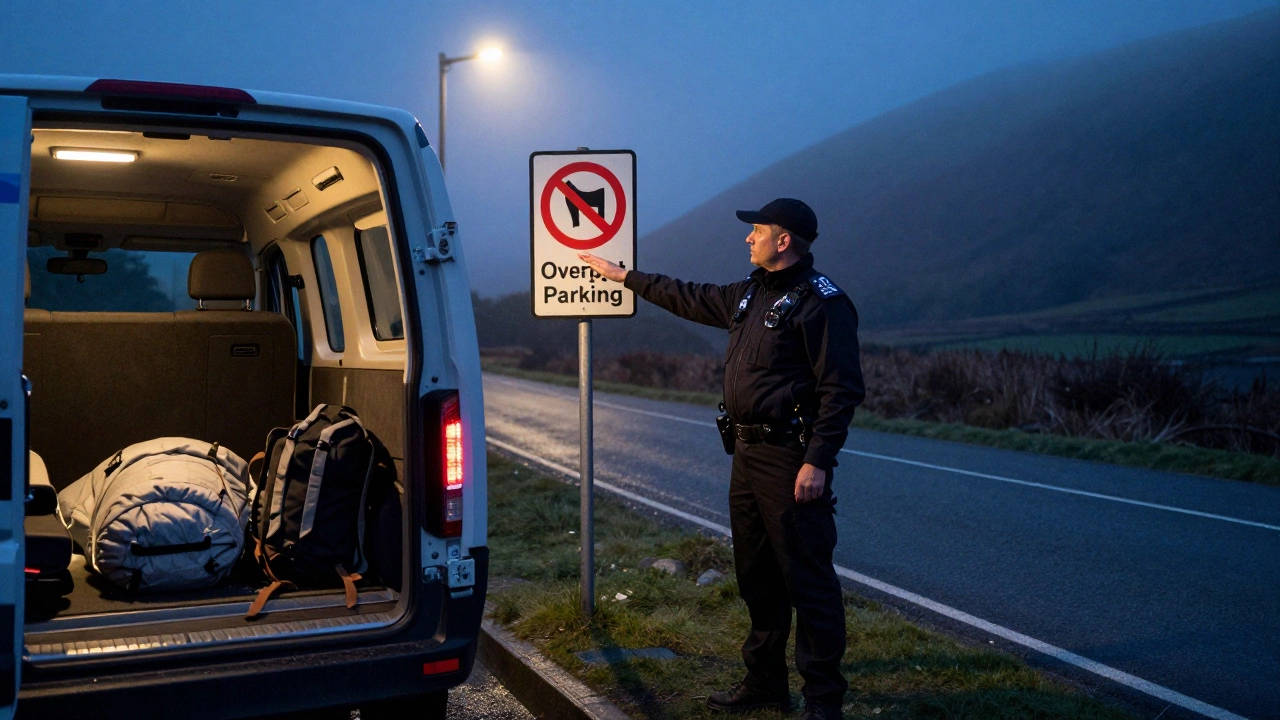
Many people think sleeping in a van or car is a loophole. It’s not. In England, the same rules apply. If you park on private land - even a quiet roadside - without permission, you’re trespassing. Police can ask you to move, and if you refuse, you could be charged with aggravated trespass.
Some councils have introduced “no overnight parking” signs near popular hiking trails. In the Peak District and the Cotswolds, local authorities have installed cameras and fines for vehicles parked overnight. In 2025, a man in the Lake District was fined £320 for sleeping in his van near a car park - even though he didn’t set up a tent.
What happens if you get caught?
Most of the time, you won’t be arrested. But you’ll likely be asked to leave immediately. If you refuse, or if you’ve been warned before, police can issue a Fixed Penalty Notice (FPN). This is a fine you can pay to avoid court. If you ignore it, they can take you to court.
If you’re fined and don’t pay, you could face:
- Increased fines (up to £1,000)
- Legal costs
- A criminal record for trespassing
Landowners are also starting to use private security firms to patrol popular wild camping spots. These firms aren’t police, but they can call them. Some have even installed motion-activated cameras to catch repeat offenders.
How to camp legally in England
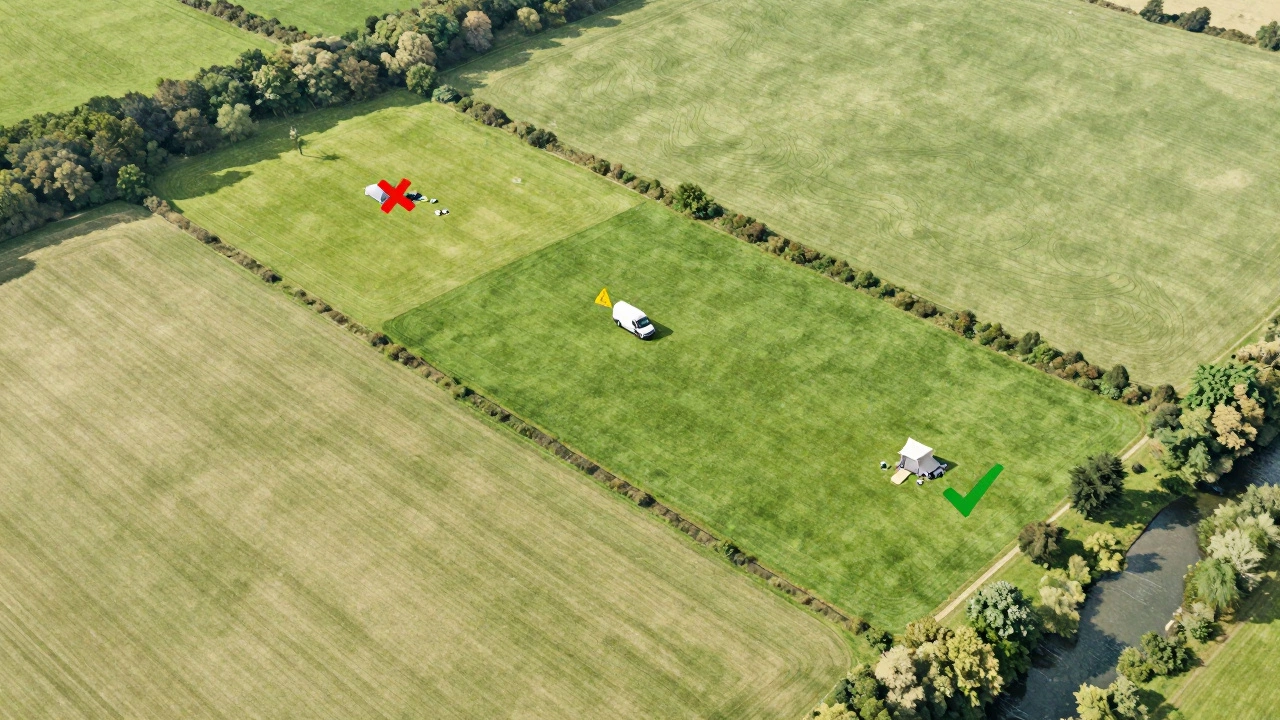
You don’t need to give up the idea of wild camping. You just need to do it right. Here’s how:
- Use official campsites - even basic ones cost under £15 a night and include toilets, water, and waste disposal.
- Book land through platforms like CamperContact or The Campsite - many farms and smallholders now rent out space for campers.
- Stick to Dartmoor if you want true wild camping - follow the rules exactly.
- Ask permission - if you see a farmhouse or a field with a “contact owner” sign, knock on the door. Many landowners say yes for a small fee or a donation.
- Leave no trace - pack out everything, don’t disturb wildlife, and avoid sensitive areas like riverbanks or nesting zones.
Why do these laws exist?
It’s not about stopping people from enjoying nature. It’s about protecting it. In places like the Yorkshire Dales and the South Downs, years of unregulated camping have led to soil erosion, litter piles, and damaged vegetation. Wildlife, especially ground-nesting birds, is being pushed out by noise and human presence.
Local councils and national parks now have to spend thousands each year cleaning up after illegal campers. That’s money that could go into trail maintenance or conservation projects. The rules are harsh, but they’re there because too many people ignored them.
What’s changing in 2026?
There’s growing pressure to reform wild camping laws in England. Campaigns like “Right to Roam England” are pushing for legal access to open countryside. Some MPs have introduced bills to allow low-impact camping on public land.
But for now, the law hasn’t changed. And enforcement is getting stricter. In 2025, the government funded a £2 million pilot program to train park rangers in trespass enforcement. More fines, more patrols, more cameras - it’s clear the message is: if you want to camp wild in England, do it legally - or pay the price.
Can you get fined for wild camping in England?
Yes, you can. Wild camping on private land without permission is trespassing under English law. If caught, you could receive a Fixed Penalty Notice of £100-£250, or up to £1,000 in court. Enforcement has increased since 2022, especially in national parks like Dartmoor and the Lake District.
Where is wild camping legal in England?
Wild camping is only legally protected in Dartmoor National Park under the Dartmoor Commons Act 1985. You can camp on open moorland for up to two nights, in groups of six or fewer, at least 100 meters from roads and buildings. No fires or litter allowed. Elsewhere in England, wild camping is illegal unless you have the landowner’s written permission.
Is it legal to sleep in your car in England?
No, not if you’re on private land or in areas with overnight parking bans. Sleeping in your vehicle without permission is still considered trespassing. Many councils have installed signs and cameras near popular spots, and fines of £100-£300 have been issued for overnight parking in places like the Lake District and the Cotswolds.
What’s the difference between wild camping and staying at a campsite?
Wild camping means setting up camp on land you don’t own or have permission to use - often in remote areas with no facilities. A campsite is a designated area with amenities like toilets, water, and waste bins, and you pay for a pitch. Campsites are legal and regulated; wild camping is not - unless you’re in Dartmoor or have landowner approval.
How can I avoid getting fined while camping in England?
Use official campsites, book through trusted platforms like CamperContact, or camp only in Dartmoor while following all rules. Always ask landowners for permission before pitching a tent. Leave no trace, never light fires in restricted areas, and avoid popular hiking spots after dark. The safest option? Pay for a pitch - it’s often cheaper than a fine.