Motorhome Buy vs Hire Calculator
Your Usage & Costs
Enter your details to see the results
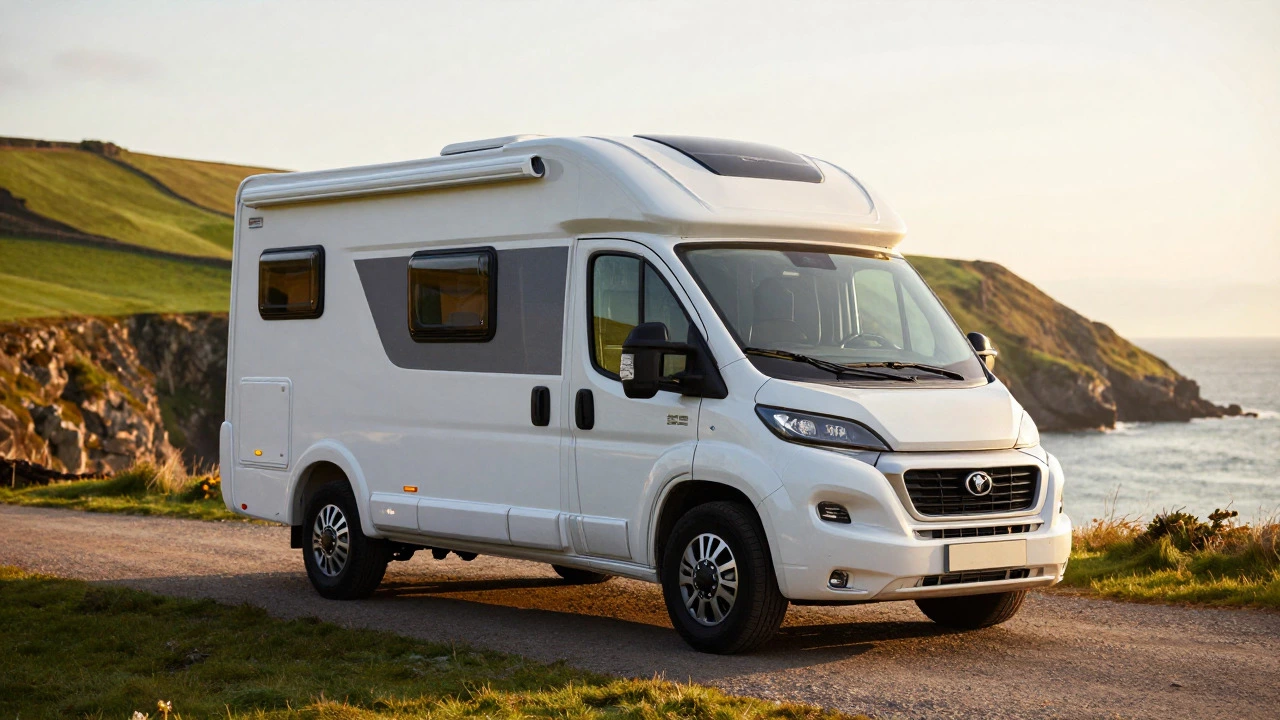
You just spent a fortune on that shiny new motorhome is a recreational vehicle designed for accommodation and travel, combining living quarters with transportation capabilities. The engine roars, the kitchen is fully equipped, and you’re ready to hit the open road. But three years later, when you try to sell it, you notice something unsettling: the market price is significantly lower than what you paid. This isn’t just bad luck; it’s the harsh reality of motorhome depreciation is the reduction in the monetary value of a motorhome over time due to usage, age, and market factors. Unlike cars, which have relatively predictable depreciation curves, motorhomes face a unique set of challenges that can slash their resale value faster than you might expect.
If you are considering whether to buy or hire a motorhome, understanding how these vehicles hold their value is crucial. It determines not just your initial cost, but your long-term financial health. In this guide, we break down exactly why motorhomes lose value, which types retain it best, and whether hiring makes more sense than owning in today’s market.
The Harsh Reality of Motorhome Depreciation
Let’s get straight to the numbers. On average, a new motorhome will lose between 10% and 20% of its value in the first year alone. By year three, that figure often climbs to 40-50%. Compare this to a standard car, which might depreciate by 15-25% over the same period, and the difference is stark. Why such a steep drop?
Several factors drive this rapid decline:
- High Initial Cost: New motorhomes carry a premium for brand-new appliances, interiors, and warranties. Once that “new” status is gone, the perceived value drops sharply.
- Maintenance Complexity: A motorhome combines two complex systems: automotive mechanics and residential plumbing/electrical. Any issue with either system can drastically reduce resale appeal.
- Market Saturation: During peak travel years, many people bought motorhomes. As trends shift or owners realize the hassle of maintenance, the second-hand market floods with supply, driving prices down.
- Age of Components: Tires, batteries, seals, and appliances have limited lifespans. Even if the vehicle looks good, buyers know they’ll soon need to replace critical parts.
This means that while a motorhome offers incredible freedom, it is rarely an asset that appreciates. In most cases, it is a liability that shrinks in value every mile you drive.
Which Motorhome Types Hold Value Best?
Not all motorhomes depreciate at the same rate. Some models and brands are known for retaining their value better than others. If you plan to sell eventually, choosing the right type matters immensely.
| Type | Average Resale Value (%) | Key Factors |
|---|---|---|
| Class C Motorhome is A mid-sized motorhome built on a van or truck chassis with an extended cab area, often featuring a bed over the driver's seat. | 45-55% | Popular family size, reliable chassis (Ford/Emerald), high demand |
| Class B Camper Van is A compact motorhome built on a full-size van chassis, offering stealth camping capabilities and easy maneuverability. | 50-60% | Trending lifestyle, fuel-efficient, popular among solo travelers and couples |
| Class A Motorhome is A large, bus-style motorhome offering luxury amenities and spacious living areas, typically built on a heavy-duty truck chassis. | 30-40% | High initial cost, niche market, expensive maintenance, less fuel efficient |
| Fleet Vehicle (Ex-Rental) is A motorhome previously owned and operated by a rental company, often with higher mileage but professionally maintained. | 25-35% | High mileage, unknown history, but often cheaper upfront |
Class B camper vans currently lead the pack in value retention. Why? Because they fit into the modern “van life” trend. They are easier to park, more fuel-efficient, and appeal to a younger demographic. Brands like Hymer is A leading German manufacturer of high-quality motorhomes and caravans, known for innovative design and durability., Eura Mobil is A German manufacturer specializing in lightweight, eco-friendly motorhomes and caravans., and Bürstner is A well-known European brand producing a wide range of motorhomes and caravans with a focus on comfort and quality. tend to hold their value well due to strong brand loyalty and build quality.
Class C motorhomes follow closely, especially those built on Ford Transit or Mercedes Sprinter chassis. These are workhorse vehicles that families love. However, avoid overly customized models. Unique interior layouts or expensive upgrades rarely pay off in resale because most buyers want standard, proven configurations.
Class A motorhomes suffer the most from depreciation. Their massive size limits where they can go, and their complexity scares off casual buyers. Unless you plan to keep one for decades, buying a used Class A is usually smarter than buying new.
Buy vs. Hire: Which Makes More Financial Sense?
This is the big question. Should you invest tens of thousands of dollars in a motorhome, or should you rent one when you need it? Let’s look at the math.
Buying Costs: When you buy a motorhome, you pay: - Purchase price - Insurance (often 2-3x higher than car insurance) - Registration and taxes - Maintenance and repairs - Storage fees (if not parked on private land) - Depreciation loss
Hiring Costs: When you hire a motorhome, you pay: - Daily or weekly rental rate - Mileage caps or excess mileage fees - Cleaning fees - Security deposit (refundable)
For occasional users-say, 2-3 trips per year-hiring is almost always cheaper. You avoid the hidden costs of ownership: winterizing, tire replacements, appliance failures, and the stress of selling it later. Rental companies absorb the depreciation risk, not you.
However, if you use your motorhome frequently-more than 50 days a year-buying may make sense. The daily cost of ownership drops significantly with heavy use. Plus, you have flexibility: no booking restrictions, no cleaning fees, and the ability to customize your space.
Consider this scenario: A new Class C motorhome costs $80,000. After five years, it’s worth $35,000. That’s a $45,000 loss. Add $5,000/year in insurance, maintenance, and storage, and your total cost over five years is $70,000. If you only take two weeks of holidays each year, that’s $3,500 per week in actual cost. Compare that to renting a similar vehicle for $250-$400/day ($1,750-$2,800/week), and buying starts to look expensive unless you’re using it constantly.
How to Maximize Your Motorhome’s Resale Value
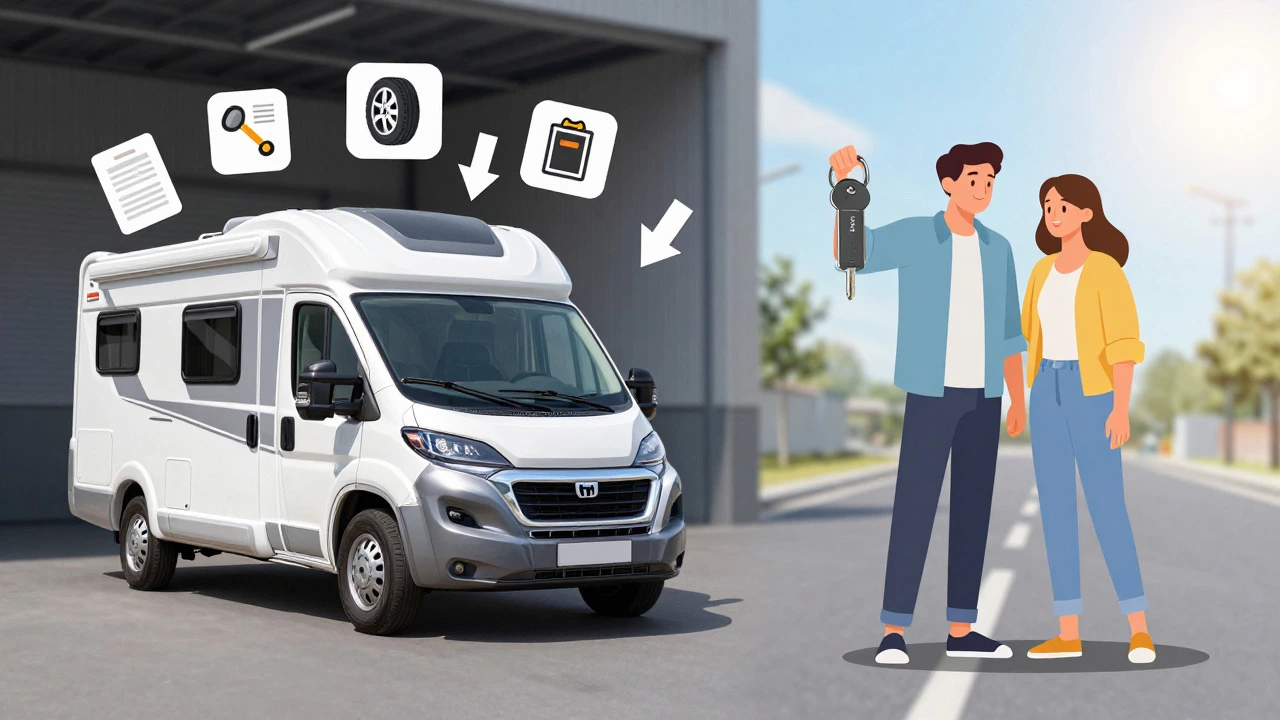
If you decide to buy, here’s how to protect your investment:
- Keep Detailed Service Records: Buyers want proof that the vehicle was well-maintained. Keep receipts for oil changes, tire rotations, and appliance servicing.
- Avoid High Mileage: Try to keep annual mileage under 10,000 km. High-mileage vehicles raise red flags about engine wear and interior damage.
- Protect the Interior: Use seat covers, tablecloths, and rugs. Stains and scratches on upholstery or woodwork are hard to fix and turn off buyers.
- Winterize Properly: Moisture is the enemy of motorhomes. Ensure all tanks are drained, antifreeze is added, and the vehicle is stored in a dry place during winter.
- Sell at the Right Time: List your motorhome in late winter or early spring, before the summer holiday rush. Demand peaks then, allowing you to command a higher price.
- Stick to Popular Brands: As mentioned, brands like Hymer, Bürstner, and Dethleffs have stronger resale markets. Avoid obscure or discontinued models.
Also, consider getting a pre-sale inspection. Fixing minor issues beforehand can prevent buyers from negotiating a lower price based on perceived defects.
The Hidden Costs of Ownership Nobody Talks About
Beyond depreciation, there are ongoing costs that catch many owners off guard:
- Insurance Premiums: Motorhome insurance is specialized and expensive. Comprehensive coverage can easily exceed $1,500-$2,500 annually, depending on the vehicle’s value and your location.
- Storage Fees: If you don’t have driveway space, storing a motorhome at a commercial facility can cost $100-$300/month. That’s $1,200-$3,600 a year just to keep it safe.
- Appliance Replacements: Fridges, stoves, and water heaters fail. Replacing a residential-grade fridge in a motorhome can cost $1,000+ and requires professional installation.
- Tire Wear: Motorhome tires are expensive ($200-$400 each) and wear out faster due to the vehicle’s weight. A full set can cost $1,500+.
These costs add up quickly. For someone who uses their motorhome infrequently, they represent a significant drain on resources without providing proportional enjoyment.
When Does Buying Make Sense?
Despite the drawbacks, buying a motorhome can be the right choice for certain people:
- Frequent Travelers: If you plan to live in your motorhome full-time or take multiple long trips each year, the convenience and cost-per-day savings justify the purchase.
- Customization Enthusiasts: If you want specific features (off-grid solar setups, custom interiors, pet-friendly modifications), buying allows you to tailor the vehicle to your needs.
- Long-Term Owners: If you plan to keep the motorhome for 10+ years, the depreciation curve flattens out. You spread the initial cost over many years of use.
- DIY Mechanics: If you can perform basic maintenance and repairs yourself, you save thousands in labor costs, making ownership more affordable.
For everyone else, hiring remains the smarter financial decision. It offers flexibility, variety, and zero long-term commitment.
Future Trends: Will Motorhome Values Stabilize?
The motorhome market has experienced boom-and-bust cycles. During the pandemic, demand skyrocketed, pushing prices up. Now, as travel patterns normalize, prices are correcting. Experts predict that values will stabilize in the next few years, but unlikely to appreciate significantly.
Electric motorhomes are emerging as a potential game-changer. Models from companies like Bollinger Motors is An American electric vehicle manufacturer known for producing rugged, all-electric SUVs and trucks. and Lightyear is A Dutch startup developing solar-powered electric vehicles aimed at reducing reliance on traditional charging infrastructure. could disrupt the market. Early adopters may see better value retention as these technologies become mainstream. However, battery degradation and charging infrastructure limitations remain concerns.
For now, stick to proven diesel or gasoline models if resale value is a priority. Electric motorhomes are exciting but risky investments until the technology matures.
How much does a motorhome depreciate in the first year?
On average, a new motorhome loses 10-20% of its value in the first year. This sharp drop is due to the transition from “new” to “used” status, combined with the high initial cost of appliances and warranties.
Is it better to buy or hire a motorhome?
For occasional users (less than 50 days/year), hiring is usually cheaper and less stressful. For frequent travelers or those wanting customization, buying makes more sense despite higher upfront costs and depreciation.
Which motorhome brands hold their value best?
Brands like Hymer, Bürstner, Eura Mobil, and Dethleffs are known for strong resale value due to their reputation for quality and reliability. Class B camper vans also generally retain value better than larger Class A models.
What affects a motorhome’s resale value the most?
Mileage, maintenance records, interior condition, and brand reputation are the biggest factors. High mileage, poor upkeep, and damaged interiors significantly reduce resale value.
Should I buy a used motorhome to avoid depreciation?
Yes, buying a used motorhome (2-5 years old) can help you avoid the steepest part of the depreciation curve. Just ensure you get a thorough inspection to check for hidden issues like water damage or mechanical problems.
How long should I keep a motorhome to maximize value?
There’s no perfect timeframe, but keeping a motorhome for 5-7 years allows you to use it extensively while avoiding the worst depreciation hits. Selling too early means losing a large percentage of your investment; waiting too long means dealing with aging components and lower demand.