UK Roof Top Tent Wild Camping Checker
Select your intended location and conditions to check if free wild camping with a roof top tent is legally viable and practically recommended.
Practical Advice
You’ve just bought that shiny new Roof Top Tent and you’re itching to hit the road. But here’s the kicker: can you actually pitch it anywhere for free in the UK? If you assume the rules are the same as for a ground tent, you might wake up to a fine or an angry landowner. The reality is nuanced, heavily dependent on whether you are north of the border in Scotland or south in England and Wales, and crucially, how high your vehicle sits.
The Legal Landscape: Why Height Matters
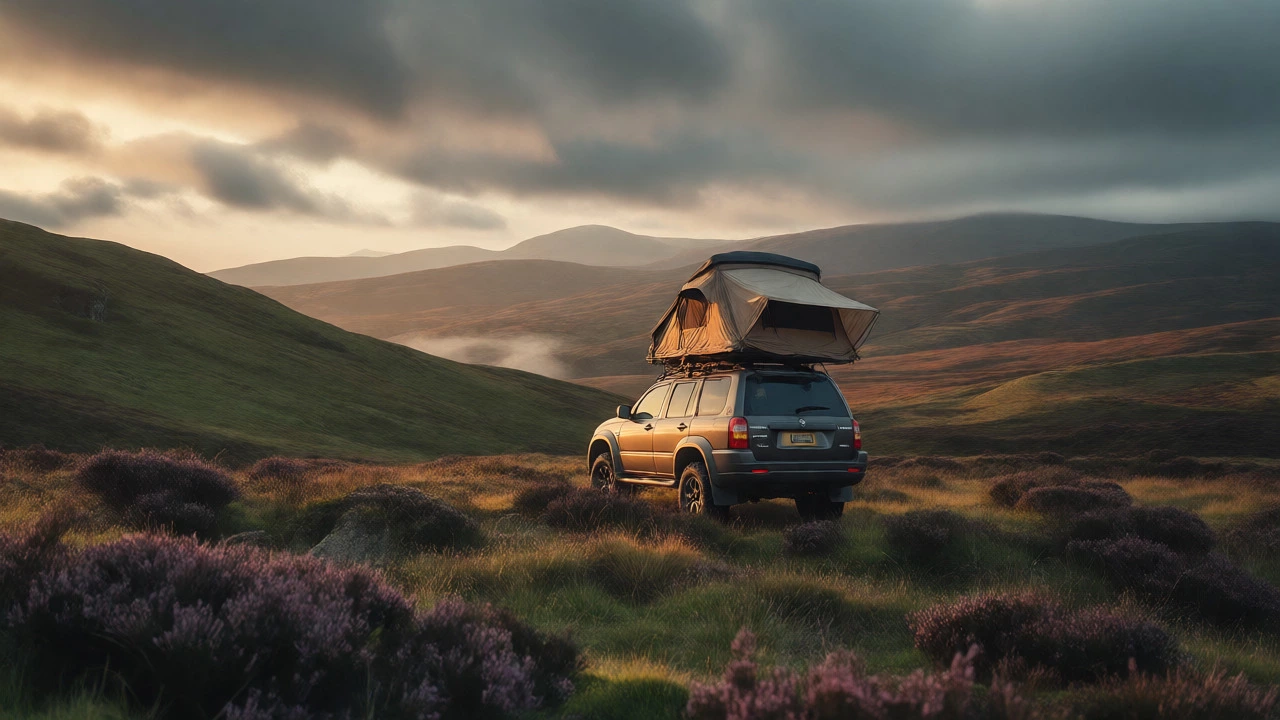
Most people think "wild camping" is a single legal concept across Britain. It isn’t. In Scotland, the Land Reform (Scotland) Act 2003 grants everyone a right to roam, which includes camping almost anywhere responsibly. You can pitch your tent, even if it’s on a roof rack, on most uncultivated land. The key is respecting the Scottish Outdoor Access Code. You must avoid cultivated fields, stay away from buildings, and leave no trace.
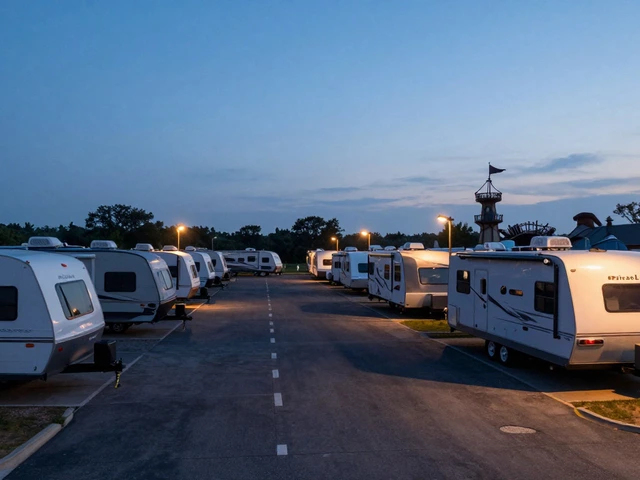
England and Wales are trickier. There is no general right to roam for camping. Most wild camping here is technically trespass unless you have permission. However, many landowners tolerate discreet, short-term stays. The problem with a roof top tent? Visibility. A standard tent pitched behind a bush is invisible. A car with a boxy tent on top screams "camper." This makes it harder to fly under the radar in places like the Lake District or Dartmoor, where enforcement has tightened recently due to over-tourism.
Spotlighting the Best Free Zones
If you want zero cost, your best bet is looking at specific regions known for tolerant attitudes toward roof-top setups. While not officially "free campsites," these areas operate on a tacit agreement.
| Region | Legal Status | Roof Tent Viability | Key Constraint |
|---|---|---|---|
| Scottish Highlands | Right to Roam | High | Avoid private gardens; respect livestock |
| Lake District (Parts) | Tolerated/Trespass | Medium | Strict 'leave no trace'; avoid busy trails |
| Snowdonia (Wales) | Tolerated/Trespass | Medium | National Park bylaws vary by zone |
| Northumberland Coast | Mixed | Low-Medium | Beach parking often paid; dunes protected |
| Cairngorms National Park | Right to Roam | High | Check for deer stalking seasons |
In the Lake District, the situation is tense. Since 2016, certain hotspots have banned camping entirely during peak times. Your roof tent needs to be low-profile. If you park on a lay-by with a view, expect eyes on you. Discretion is your currency here. In contrast, the vast expanses of the Scottish Highlands offer true freedom. You can pull off a minor road, find flat ground, and sleep soundly knowing you’re legally within your rights, provided you move on after one night.
Practical Challenges: The Roof Rack Reality
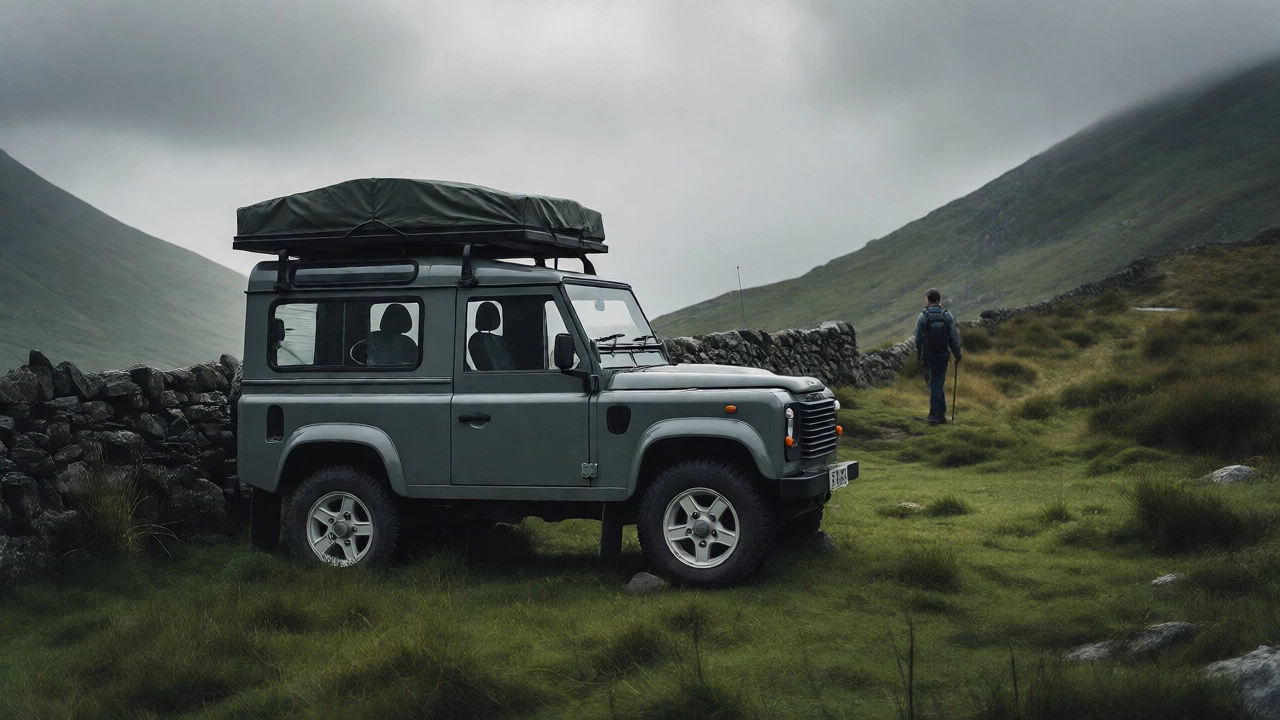
Forget the romance for a second-let’s talk physics. Not every spot suitable for a ground tent works for a roof top tent. First, check your Static Load Capacity. Most SUVs can handle 50-75kg of dynamic load (while moving), but static load (when parked) is higher. However, opening the tent requires clearance. Can you open it fully under tree branches? Is the ground level enough so the ladder doesn’t tip?
- Tree Cover: Dense forests look inviting, but low-hanging branches can block tent deployment. Always scout the site before committing.
- Wind Exposure: Roof tents catch wind like sails. Open moorlands in Wales or exposed clifftops in Cornwall can become dangerous in gusts. Ground tents hug the earth; yours stands tall.
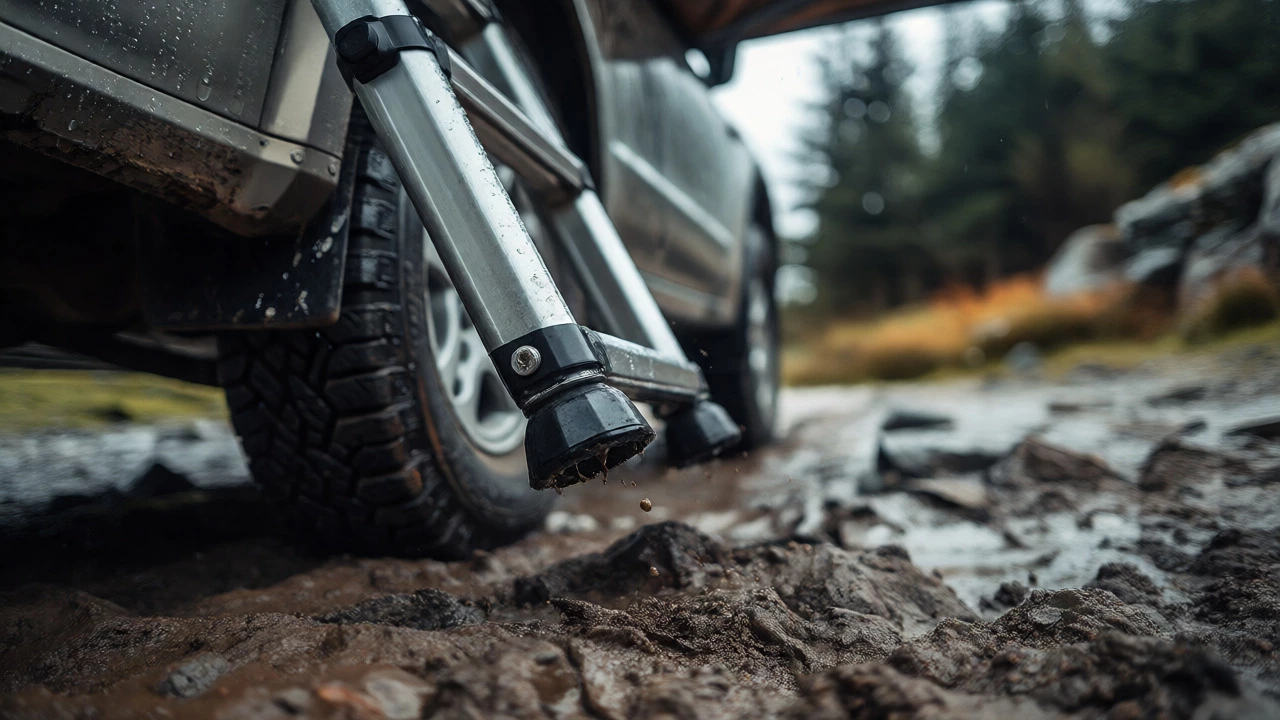
- Ladder Stability: Soft sand or muddy tracks make ladders sink. Carry leveling blocks or wide boards to stabilize the base.
I once tried to camp near a loch in Argyll. The view was stunning, but the ground sloped sharply downhill. With a ground tent, I’d have dug a trench. With my roof tent, the angle made sleeping uncomfortable because the bed frame wasn’t perfectly horizontal. Lesson learned: use a spirit level app before unpacking dinner.
Finding Hidden Gems Without Paying
How do you find these spots without getting fined? Don’t rely solely on Instagram geotags-they lead to overcrowding. Instead, use community-driven resources like The Outdoors Atlas or local Facebook groups dedicated to wild camping. These platforms often flag areas where landowners have explicitly stated their tolerance levels.
Another strategy is targeting Forestry Commission lands. While not always free for overnight stays, many forestry sites allow day-use parking. Some rangers turn a blind eye to discreet overnighters who arrive late and leave early. Check the specific signage at each site; some require a permit for any overnight presence, regardless of duration.
Ethical Camping: Keeping the Privilege Alive
Wild camping privileges are fragile. One bad neighbor ruins it for everyone. When using a roof top tent, you’re more visible, so your behavior is scrutinized more closely. Follow the Leave No Trace principles rigorously. Pack out all trash, including food scraps. Use portable toilets or dig cat holes well away from water sources.
Also, consider the impact on wildlife. Roof tents elevate you closer to birds and bats. Avoid disturbing nesting sites during spring. Keep noise down-not just from your group, but from your vehicle engine when arriving or departing. Early morning arrivals are better than midnight ones, which can startle nocturnal animals.
Alternatives When Free Isn’t Feasible
Sometimes, paying a small fee buys peace of mind. Many farms offer "pitch and drop" options for £5-£10. These aren’t full-service campsites but provide basic amenities like water taps or composting toilets. For roof tent owners, this is often worth it to avoid the stress of potential fines or awkward conversations with farmers. Look for signs saying "Camping Welcome" rather than formal campsite branding.
If you’re in England and struggling to find a spot, consider Bivvy Sites. Organizations like Bivvy Sites aggregate listings of farmers who allow wild-style camping for a nominal fee. It’s a middle ground between strict wild camping and commercial parks, perfect for those wanting simplicity without legal ambiguity.
Is wild camping with a roof top tent legal in England?
It is generally considered trespass unless the landowner gives permission. However, discreet, short-term camping (one night) is often tolerated in remote areas like parts of the Lake District or Northumberland, provided you leave no trace. Enforcement varies by location and season.
Can I camp on beaches in the UK with a roof tent?
Beach camping is rarely free and often restricted. Many popular beaches prohibit overnight parking or camping to protect dunes and manage crowds. Always check local council bylaws. Some remote beaches in Scotland may allow it under the Right to Roam, but access roads might be rough.
Do I need a permit for wild camping in Scotland?
No permit is required for general wild camping in Scotland thanks to the Land Reform (Scotland) Act 2003. However, you must follow the Scottish Outdoor Access Code, which includes staying on uncultivated land, avoiding enclosed fields, and leaving no trace.
What is the biggest risk with roof top tents in windy conditions?
Roof tents have a higher center of gravity and larger surface area than ground tents, making them susceptible to tipping or structural strain in strong winds. Always choose sheltered spots, such as behind natural barriers like rocks or dense vegetation, and ensure your vehicle is stable on level ground.
Are there specific national parks where camping is banned?
Yes, several national parks have introduced bylaws restricting camping in sensitive areas. The Lake District and Dartmoor have seen increased restrictions in recent years due to overuse. Always check the current bylaws of the specific national park before planning your trip, as rules can change seasonally.