Caravan Site Selector & Planner
Not sure which site to book? Answer these quick questions to find the perfect spot for your next trip.
Recommended Site Type
Why this choice?
Fill out the form to see your recommendation.
You’ve booked the spot. You’ve packed the van. But if you’re new to this lifestyle, you might be standing in the middle of a gravel patch wondering, "Okay, now what?" How do these places actually function? Who owns the grass? Why is there a box on a post next to my site? And why does everyone seem to know exactly where they’re going while I’m trying not to reverse into a neighbour’s barbecue?
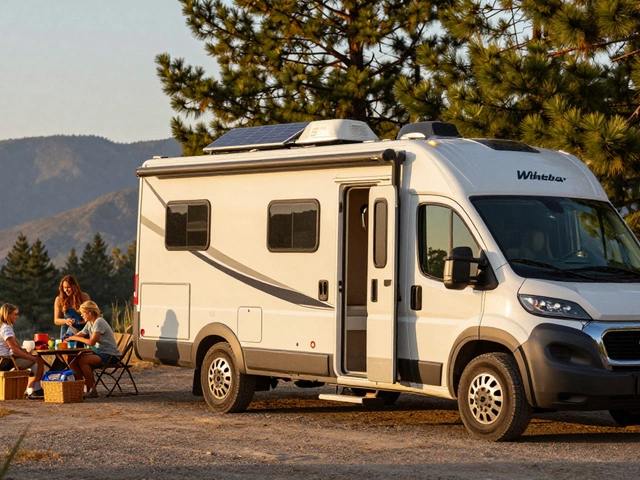
Understanding caravan parks is less about memorizing rules and more about understanding the infrastructure that supports them. These aren’t just empty fields; they are semi-urban environments with specific utilities, social contracts, and logistical quirks. Whether you are towing a heavy touring caravan or driving a self-contained motorhome, knowing how the park operates saves you stress, money, and awkward conversations.
The Basic Layout: What Are You Actually Renting?
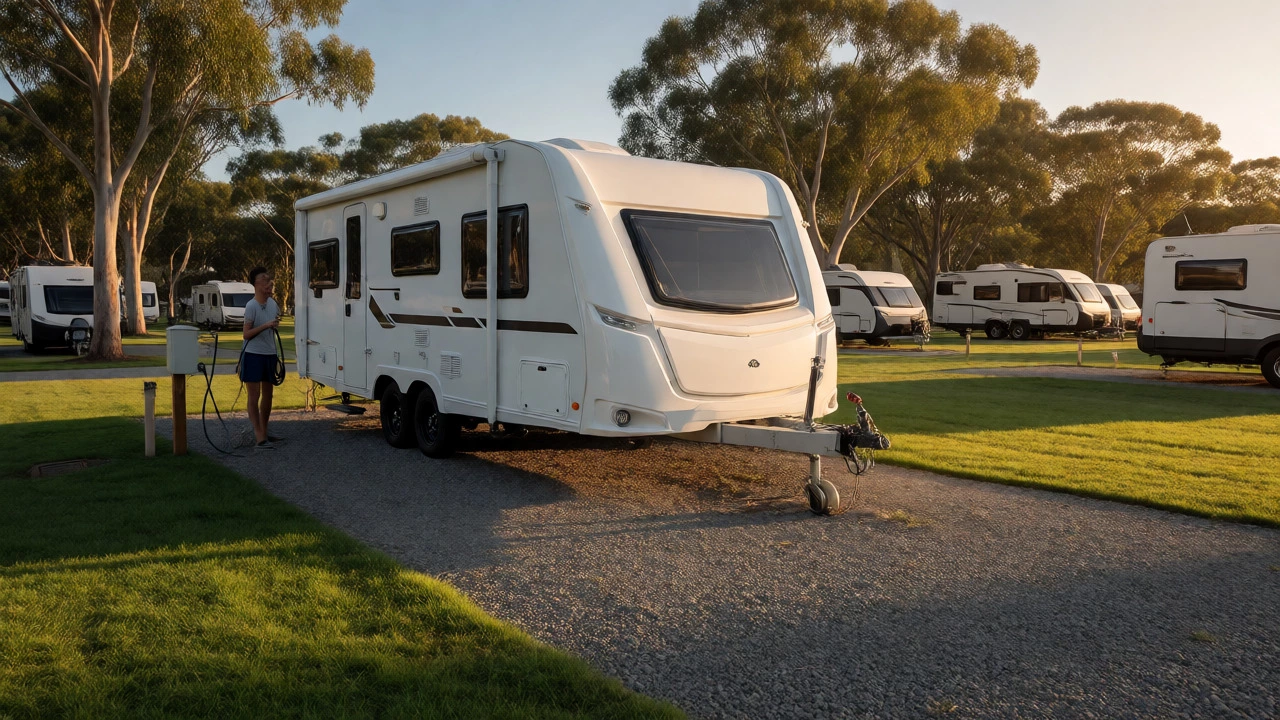
When you book a site, you aren’t renting land in the traditional sense. You’re buying access to a specific patch of ground for a set number of nights. Most parks divide their grounds into distinct zones based on utility access and privacy levels. The most common distinction is between powered sites and unpowered sites.
A powered site includes an electrical connection, usually a standard household outlet (10A) or sometimes a dedicated caravan plug (15A). This allows you to run your air conditioning, fridge, and lights without draining your onboard batteries. Unpowered sites are often cheaper and located in more secluded, natural areas. They require you to rely entirely on your own power storage and gas systems. If you’re staying during a heatwave in Queensland or a cold snap in Tasmania, the difference between having power and not having it can determine whether you sleep comfortably or wake up sweating.
Beyond power, look at the surface. Gravel pads are designed to keep your wheels dry and stable. Grass sites offer better aesthetics but turn into mud pits after rain. Some high-end parks even offer concrete pads, which are fantastic for leveling but terrible for grip when wet. Always check the site description before booking. If you have a large rig, ask if the site is "level." A 2-degree slope can make your internal cupboards rattle all night and make cooking feel like you’re on a ship.
Utilities and Hookups: Water, Sewage, and Electricity
The backbone of any functioning caravan park is its utility network. Understanding these three pillars-water, sewage, and electricity-is crucial for self-sufficiency.
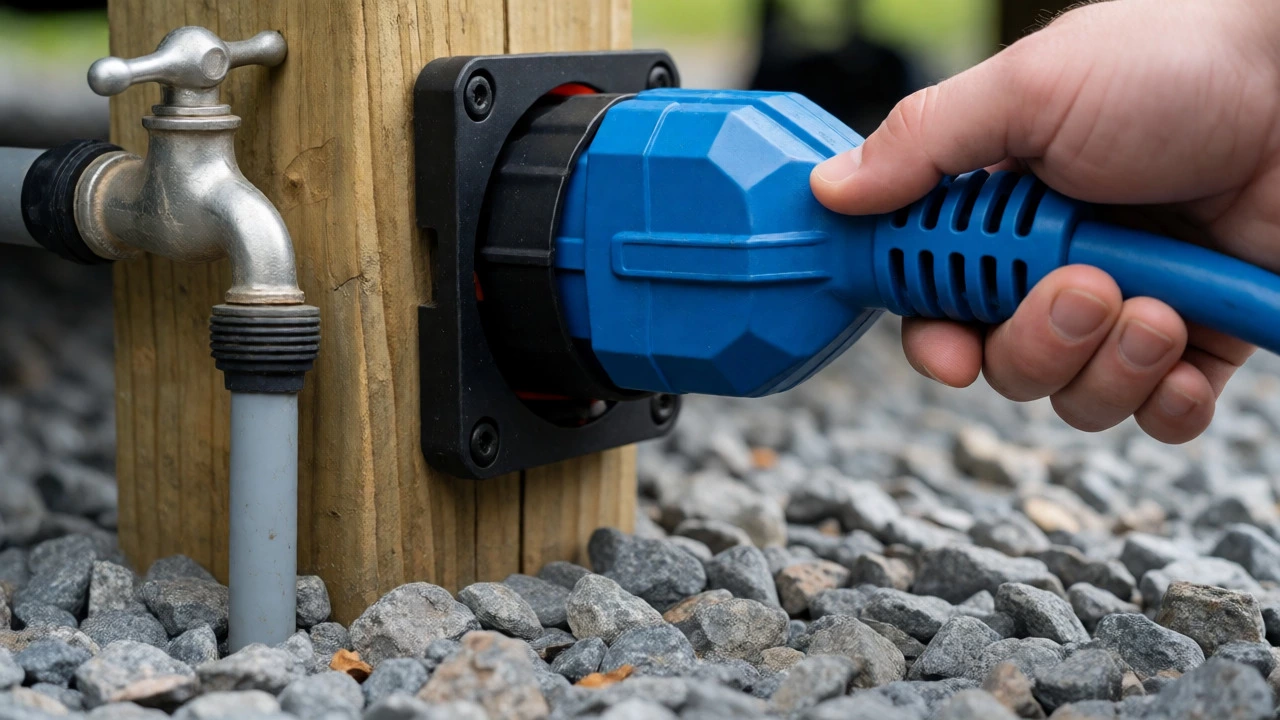
Water: Almost every powered site has a water tap. However, the pressure varies wildly. In some coastal parks, the water tastes heavily of chlorine or salt. It’s wise to bring a short hose (15 meters is standard) and a filter jug. Never drink directly from the tap unless the signage explicitly says "Potable." Even then, local water mains can fluctuate. Fill your fresh water tank upon arrival if possible, so you’re not reliant on the park’s supply for morning coffee.
Sewage: This is the part everyone dreads but few understand. Your vehicle holds waste in two tanks: the grey water (sink/shower runoff) and the black water (toilet waste). You must empty these at designated dump stations. Never pour grey water onto the grass near your site; it smells and attracts insects. Dump stations are usually free for guests but require you to rinse the area afterward. If you’re in a self-contained motorhome, you might only need to dump every few days. If you’re using portable toilets, you’ll be visiting the amenities block daily. Check if the park charges for dumping non-guest vehicles; some strict councils penalize commercial vans that use their facilities without paying for a site.
Electricity: Connecting to power seems simple, but it’s a common failure point. Use a proper extension cord rated for outdoor use and the correct amperage. Plugging a high-draw appliance like a heater into a long, thin indoor extension cord can trip the park’s circuit breaker or melt the socket. Many modern parks use smart meters that cut power if you exceed your allocated usage (often 10-15 amps). If your AC trips the breaker, try staggering your appliances-run the microwave only when the AC isn’t running.
The Social Contract: Noise, Pets, and Quiet Hours
Caravan parks are shared communities. The golden rule is respect for the neighbor’s peace. Most parks enforce strict quiet hours, typically from 10:00 PM to 6:00 AM. During this time, generators must be off, music should be low, and no one should be slamming doors or revving engines. Violating this is the fastest way to get asked to leave early.
Pet policies vary significantly. Some parks are pet-friendly everywhere; others restrict dogs to specific zones or prohibit them entirely during peak holiday seasons. Always declare your pets at booking. Hiding a dog because you think no one will notice is risky. Park staff walk the grounds regularly, and fines for undeclared pets can be hefty. Furthermore, leash laws are strictly enforced. An unleashed dog chasing a neighbor’s cat or barking at a child can escalate quickly into a confrontation. Keep your animals contained within your site boundaries or under direct control.
Another social nuance is the "site boundary." Your site ends where the gravel stops or where the pegs go. Setting up your awning beyond this line can encroach on your neighbor’s space. Before you extend your shade sails, measure twice. Nothing ruins a holiday faster than arguing over whose chair is in whose driveway.
Booking vs. Walk-ins: How Availability Works
How you secure a spot depends heavily on the season and the type of park. Major chains like Big4 or Tourist Parks operate on reservation systems similar to hotels. You book online, pay a deposit, and receive a confirmation. For these, showing up without a booking is a gamble, especially during school holidays or public holidays like Easter and Christmas.
Independent, council-run, or private small-scale parks often operate differently. They may accept walk-ins if spaces are available. This flexibility is great for spontaneous travelers but requires patience. Arriving mid-morning gives you the best chance of securing a good site before the afternoon rush. Note that many independent parks close their office by 4:00 PM. If you arrive late, you might find yourself locked out of the amenities or unable to check in until the next morning. Always call ahead if you expect to arrive outside business hours.
| Site Type | Power Access | Typical Location | Best For |
|---|---|---|---|
| Powered Standard | Yes (10A/15A) | Main road side | Full-time comfort, AC users |
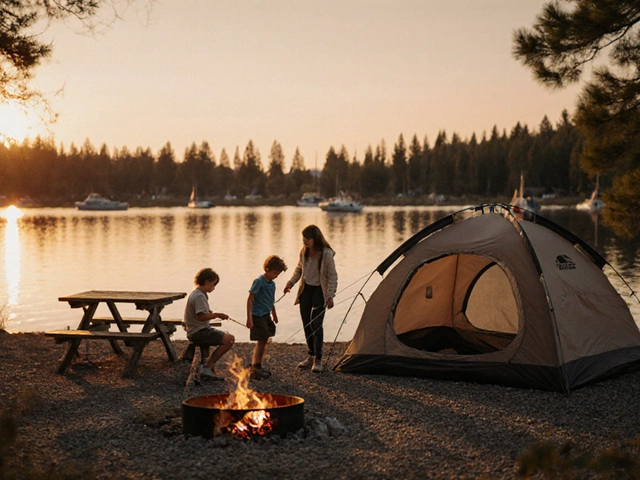
| Unpowered Bush | No | Secluded, tree-lined | Nature lovers, silent nights |
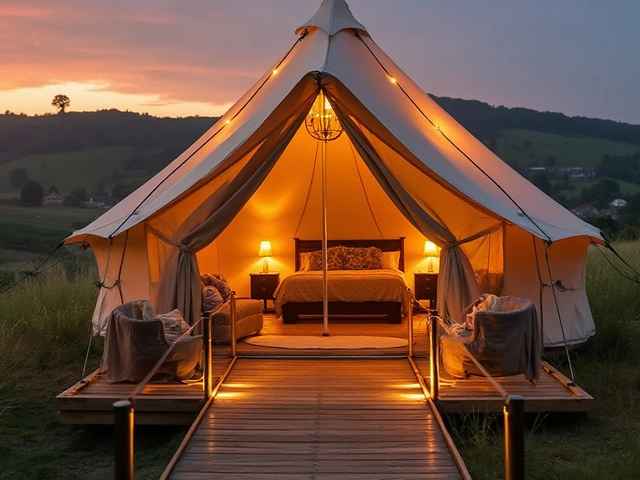
| Tourist Cabin | Yes | Dedicated building | Travelers without rigs |
| Overnight Only | Limited/None | Entry zone | Quick rest stops, truck drivers |
Amenities Blocks: More Than Just Showers
The communal amenities block is the heart of the caravan park experience. It’s where you wash off the road dust, do laundry, and often chat with other travelers. Cleanliness here reflects the management’s priorities. High-quality parks clean these blocks multiple times a day. Look for hot water reliability-a broken shower on a cold night is a disaster.
Laundry facilities are usually coin-operated or card-based. Bring quarters or ensure your payment card works offline. Drying clothes outdoors is preferred, but many parks provide covered drying racks. Avoid hanging towels on fences unless permitted; it looks cluttered and can violate park aesthetics rules. Also, check if the park provides Wi-Fi. While many advertise "free Wi-Fi," the signal rarely reaches individual sites. Don’t plan on streaming Netflix in your van unless you have a dedicated booster or mobile data backup.
Fees and Hidden Costs: Reading the Fine Print
The nightly rate you see online is rarely the final price. Be prepared for additional fees. Vehicle entry fees apply if you have a second car. Pet fees are common, ranging from $5 to $20 per night. Some parks charge extra for adults versus children, or for seniors. Read the cancellation policy carefully. During peak season, cancellations made less than 7 days prior might result in losing your deposit.
Payment methods vary. Cash is still king in some rural council parks, while city-based franchises prefer digital payments. Always carry some cash just in case. Tipping is not mandatory in Australia, but leaving a small note for exceptional service or cleaning assistance is appreciated.
Departure: Leaving No Trace
How you leave matters as much as how you arrived. Before you pull out, sweep away leaves, empty your bins, and coil your hoses. If you spilled oil or fuel, clean it up immediately. Most parks deduct a cleaning fee if you leave your site messy. Checking out is usually done at reception by noon. If you leave earlier, drop your key in the box. Leaving a positive review mentioning specific staff members helps the park and future travelers alike.
Do I need to book caravan parks in advance?
During peak seasons like summer, Easter, and Christmas, yes, you absolutely need to book weeks or months in advance. Outside of these periods, many smaller parks accept walk-ins, but availability is never guaranteed. For major holiday destinations like Byron Bay or Fraser Island, always pre-book.
What happens if I arrive after dark?
If you have a booking, the park usually leaves instructions or a key in a lockbox. Without a booking, arriving after dark is risky because you cannot assess the site conditions (mud, slopes, obstacles). It is safer to aim for arrival before sunset to allow time for setup and leveling.
Can I stay longer than a few nights?
Most tourist parks limit stays to 14 or 28 consecutive nights to prevent permanent residency issues. For longer stays, you need to negotiate a monthly rate or look for "long-term" sections within the park, which are often located away from the main tourist amenities.
Are dogs allowed in all caravan parks?
No. Policies vary widely. Some parks are strictly "no pets," others allow dogs in specific zones, and some are fully pet-friendly. Always check the specific park's policy before booking, as restrictions often tighten during busy holiday periods.
What is the difference between a powered and unpowered site?
A powered site provides an electrical connection for your appliances, allowing you to run air conditioning and lights indefinitely. An unpowered site offers no electricity, requiring you to rely on your vehicle's battery and gas. Unpowered sites are often quieter and more secluded but require careful energy management.