RV Trip Cost Estimator
Trip Details
Estimated Total Cost
Cost Breakdown
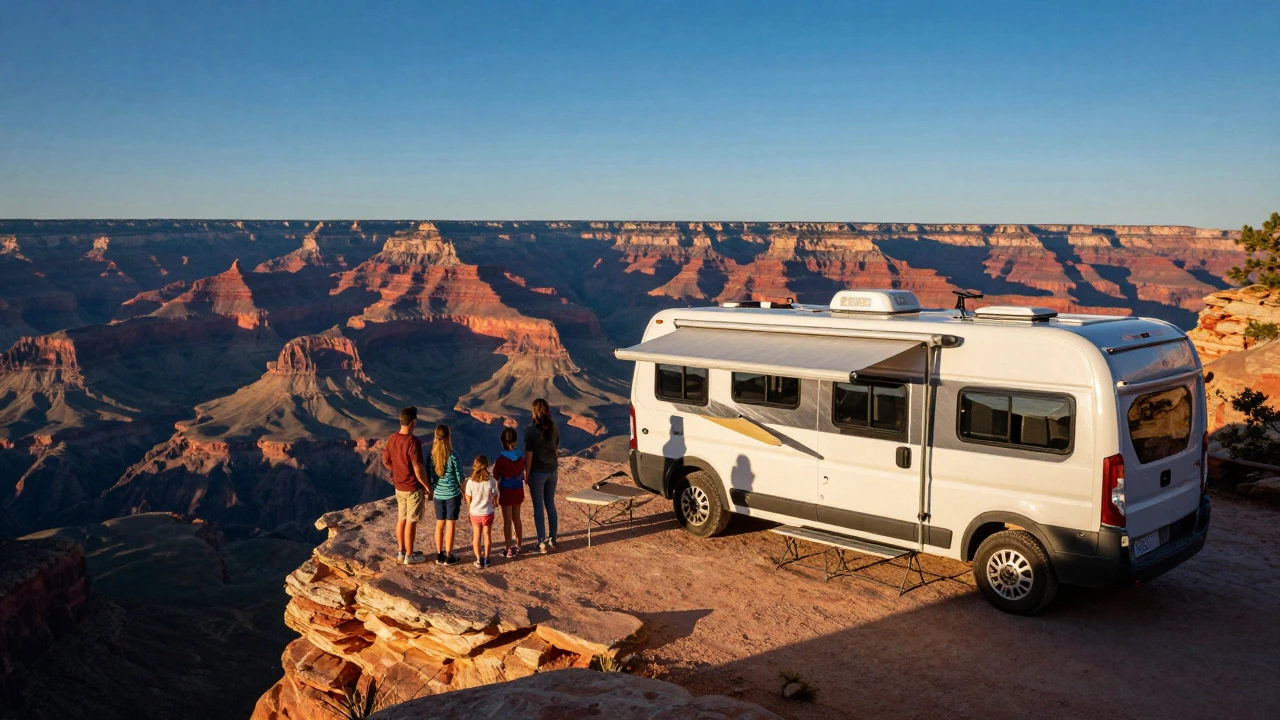
Imagine standing at the edge of the Grand Canyon, your own private bedroom just steps away from the railing. No hotel check-out times, no crowded tourist buses. Just you, your family, and the open road. But before you pack your bags, there’s a question that stops most people cold: how much is it actually going to cost?
Renting an RV in America for two weeks isn’t a fixed price tag like buying a plane ticket. It’s more like building a custom suit-you pay for the fabric, the tailor, and the extra buttons. In 2026, the base rental fee alone typically ranges from $150 to $400 per night, depending on the vehicle type. For a full 14-day trip, that means you’re looking at anywhere from $2,100 to $5,600 just for the keys.
But here’s the catch: the rental fee is only about half the battle. When you factor in mileage, insurance, campsite fees, fuel, and those little extras you didn’t think about, the total bill can easily double. I’ve crunched the numbers based on current market rates across major platforms like Outdoorsy and Cruise America, and I’m going to break down exactly where your money goes so you aren’t blindsided by hidden fees.
The Base Rental Rates: Class B vs. Class C vs. Fifth Wheel
Not all recreational vehicles are created equal, and their price tags reflect that. The first thing you need to decide is what kind of rig fits your group size and comfort needs. This decision drives the bulk of your daily cost.
| RV Type | Best For | Avg. Daily Rate | 2-Week Total (Base) |
|---|---|---|---|
| Class B Camper Van | Couples, solo travelers, easy parking | $150 - $250 | $2,100 - $3,500 |
| Class C Motorhome | Families, small groups, balance of comfort/driving | $200 - $350 | $2,800 - $4,900 |
| Class A Luxury Coach | Luxury seekers, large families, long stays | $300 - $500+ | $4,200 - $7,000+ |
| Fifth Wheel / Travel Trailer | Tow-behind flexibility, stationary camping | $100 - $250 | $1,400 - $3,500 |
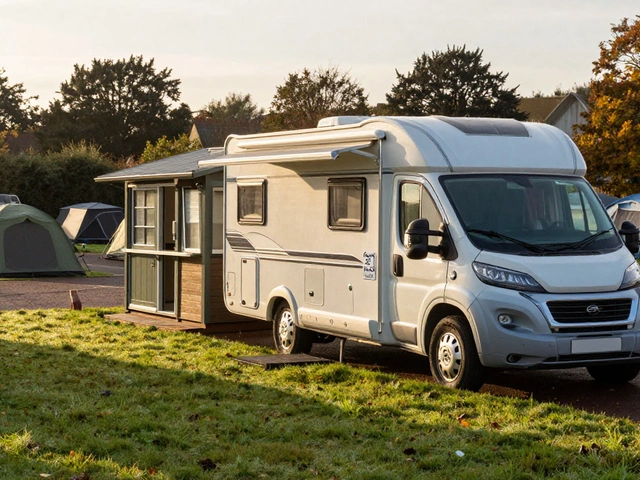
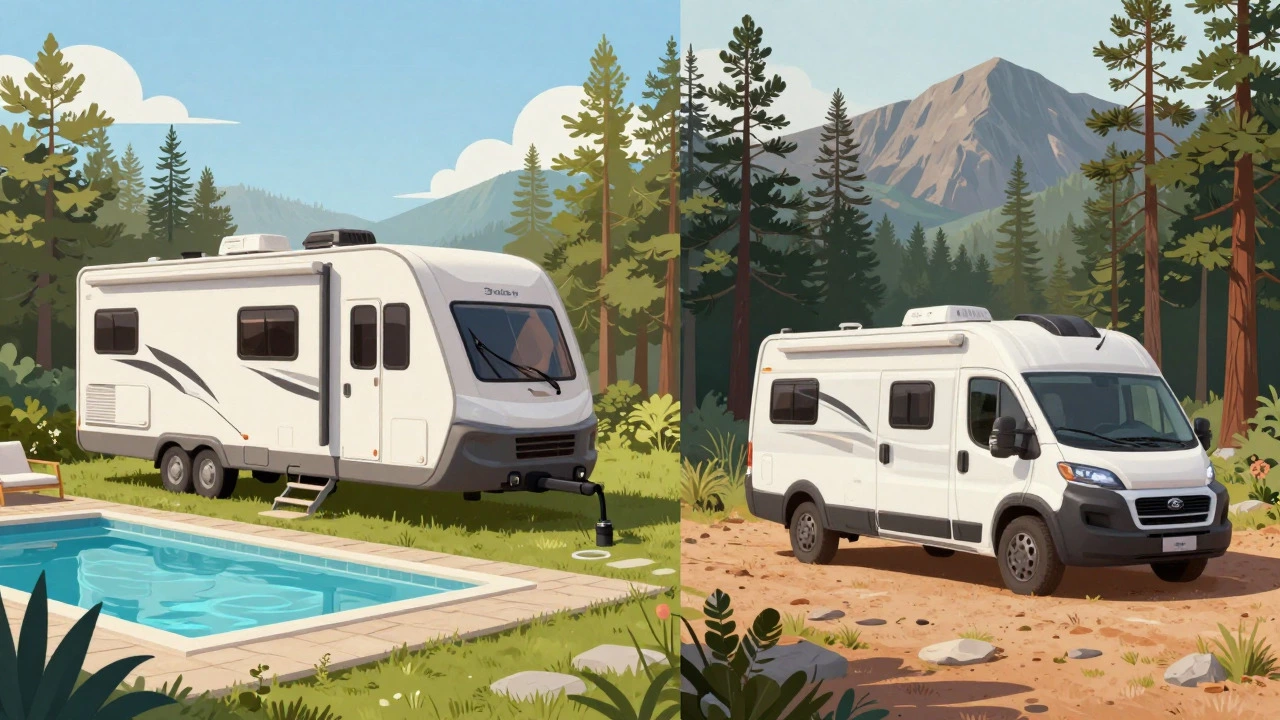
Class B camper vans are the entry-level option. They look like regular vans but have a bed and a tiny kitchen inside. They’re cheaper to rent and easier to drive, but space is tight. If you’re traveling with kids or pets, you’ll likely want a Class C motorhome. These are the ones with the distinctive overhang above the driver’s cab-they usually include a separate bathroom and more sleeping space. They command higher prices because they offer a true “home away from home” experience.
If you’re looking for the ultimate luxury, Class A coaches are the big buses you see on the highway. They come with slide-outs, multiple bathrooms, and sometimes even televisions. Expect to pay a premium for these. Alternatively, if you already own a truck or SUV, renting a travel trailer or fifth wheel can be significantly cheaper since you’re only paying for the living space, not the engine.
Hidden Fees That Blow Up Your Budget
Here’s where many renters get burned. The nightly rate looks great, but then you add up the ancillary costs, and suddenly your $3,000 trip becomes $5,000. Let’s talk about the three biggest budget killers: mileage, insurance, and cleaning fees.
Mileage Limits and Overages
Most rental companies, especially peer-to-peer platforms like Outdoorsy, include a limited number of miles in the base price-usually between 100 and 150 miles per day. For a two-week trip, that might give you 1,400 to 2,100 miles total. If you plan to cross state lines or explore remote areas, you’ll burn through those miles fast.
Overage charges typically range from $0.30 to $0.60 per mile. If you exceed your limit by 500 miles, that’s an extra $150 to $300 out of pocket. Some companies, like Cruise America, offer unlimited mileage packages, but these often come with a higher daily base rate. Always calculate your planned route distance before booking. Use Google Maps to plot your stops, add a 20% buffer for detours, and compare that against the included mileage.
Insurance and Protection Plans
Your personal auto insurance policy rarely covers an RV. You’ll need to buy protection directly from the rental company. On Outdoorsy, this is called “Roadside Assistance Plus” or similar protection plans, costing around $20 to $40 per day. That’s another $280 to $560 for a two-week trip.
Some credit cards offer rental car coverage, but it’s crucial to check if it extends to recreational vehicles. Most don’t. Skipping insurance is risky; RVs are complex machines with plumbing, electrical systems, and propane tanks. A simple leak or tire blowout can result in thousands of dollars in damage if you’re liable.
Cleaning and Generator Fees
You return the RV dirty? Expect a cleaning fee ranging from $100 to $300. Even if you clean it yourself, some owners charge a flat fee for linen sets and basic supplies. Additionally, using the onboard generator often incurs a separate fee unless it’s included in the package. Generators consume significant fuel, so owners protect themselves by charging $20-$50 per use or requiring you to refill the tank upon return.
Campsite Costs: Where You Sleep Matters
An RV is useless without a place to park it. And unlike sleeping in a tent in your backyard, camping in America comes with a wide price spectrum. Your choice of campground will drastically affect your daily budget.
- National Parks: Sites in popular parks like Yellowstone, Yosemite, or Zion often book up months in advance. Prices range from $20 to $50 per night for basic sites without hookups. However, availability is scarce during peak summer months.
- Private Campgrounds (KOA, Good Sam): These offer full hookups (electricity, water, sewer) and amenities like pools and Wi-Fi. Expect to pay $40 to $80 per night. They’re reliable and widely available, making them a favorite for families.
- Boondocking (Dry Camping): This means parking for free on public lands managed by the Bureau of Land Management (BLM) or Forest Service. It costs nothing, but you lose access to water and electricity. You’ll need to manage your fresh water and waste tanks carefully. This is the best way to slash your accommodation costs to zero.
- Glamping and Luxury Resorts: If you want resort-style amenities, expect to pay $100 to $200+ per night. These spots offer concierge services, gourmet dining, and premium sites.
For a two-week trip, mixing strategies works best. Spend a few nights in National Parks for the scenery ($30/night), several nights boondocking to save money ($0/night), and the rest at private campgrounds for convenience ($50/night). This hybrid approach averages out to about $30-$40 per night, totaling roughly $420-$560 for two weeks.
Fuel and Food: The Daily Grind
Let’s talk about gas. RVs are not fuel-efficient. A Class C motorhome might get 6-10 miles per gallon (MPG). With gasoline prices averaging around $3.50 to $4.00 per gallon in many parts of the US in 2026, filling up a 50-gallon tank costs $175-$200.
If you drive 100 miles a day, you’ll burn about 10-15 gallons daily. Over 14 days, that’s 140-210 gallons, costing approximately $500 to $800 in fuel. Drive less, stay longer in one spot, and your fuel bill drops significantly. Boondocking helps here too, as it encourages slower travel.
Food is another major expense. Eating out every meal in tourist towns can cost $100+ per day for a family of four. Cooking in your RV saves hundreds. Stock up on groceries at local supermarkets rather than expensive camp store outlets. Plan meals that require minimal cleanup to save time and water. A realistic food budget for a family of four cooking most meals is $80-$100 per day, totaling $1,120-$1,400 for two weeks.
Total Estimated Cost Breakdown
So, what does it all add up to? Here’s a realistic estimate for a family of four renting a mid-range Class C motorhome for two weeks in 2026.
| Expense Category | Budget-Friendly Option | Comfortable Option |
|---|---|---|
| Base Rental Fee | $2,800 | $4,200 |
| Insurance & Protection | $280 | $420 |
| Mileage Overage (if any) | $0 | $200 |
| Campsites (Mixed Strategy) | $420 | $840 |
| Fuel | $500 | $800 |
| Food & Groceries | $1,000 | $1,400 |
| Activities & Entertainment | $300 | $700 |
| Total Estimated Cost | $5,300 | $8,560 |
As you can see, the total cost ranges from $5,300 to $8,560. That’s roughly $380 to $610 per person for a family of four. Compare that to a two-week vacation staying in hotels, eating out, and paying for separate flights and car rentals, and the RV option often holds its own, especially when you consider the privacy and flexibility.

How to Save Money on Your RV Rental
Want to keep that number lower? Here are five proven strategies to cut costs without sacrificing the experience.
- Travel Off-Peak: Summer is the most expensive time. Consider late spring (May) or early fall (September/October). Rates drop by 20-30%, and campsites are easier to book.
- Book Early: Popular models and locations sell out months in advance. Booking 3-6 months ahead secures better rates and gives you more choice.
- Choose Peer-to-Peer Platforms: While Cruise America offers consistency, platforms like Outdoorsy and Go RVing often have better deals, especially for older models or last-minute cancellations.
- Limit Driving: Pick a region and stay there. Instead of driving 500 miles across the country, spend two weeks exploring the Pacific Northwest or the Southwest. Less driving means less fuel and fewer mileage overages.
- Use Discounts: Check for AAA, military, senior, or corporate discounts. Many rental companies offer 5-10% off for eligible groups.
Is It Worth It?
Renting an RV in America for two weeks is a significant financial commitment. It’s not cheap, but it’s also not exorbitant if you plan wisely. The value lies in the experience: waking up in nature, having your own kitchen, and avoiding the hassle of packing and unpacking every few days.
If you’re used to luxury hotels and fine dining, an RV trip might feel cramped and inconvenient. But if you’re willing to embrace a simpler lifestyle, cook your own meals, and appreciate the freedom of the open road, the cost is justified. Just remember: the cheapest rental isn’t always the best deal. Look at the total cost of ownership for those two weeks, including mileage, insurance, and campsite fees, to make an informed decision.
What is the cheapest way to rent an RV in the US?
The cheapest option is usually renting a smaller Class B camper van or a travel trailer during the off-season (late fall or early spring). Using peer-to-peer platforms like Outdoorsy can also yield lower rates compared to traditional rental agencies. Additionally, minimizing mileage and boondocking (free camping) significantly reduces overall costs.
Does my car insurance cover an RV rental?
In most cases, no. Standard auto insurance policies typically exclude recreational vehicles. You will likely need to purchase a protection plan from the rental company, which costs between $20 and $40 per day. Always check with your insurer, but assume you’ll need additional coverage.
How many miles do I get included with an RV rental?
Most rentals include 100 to 150 miles per day. For a two-week trip, this totals 1,400 to 2,100 miles. Exceeding this limit incurs overage fees of $0.30 to $0.60 per mile. Some companies offer unlimited mileage packages, but these are less common and may have higher daily rates.
Can I sleep in an RV anywhere in America?
No. You generally need to park in designated campgrounds, RV parks, or specific public lands managed by the Bureau of Land Management (BLM) or National Forests. Sleeping in RVs in random city streets or private property without permission is often illegal. Always research legal boondocking spots beforehand.
What happens if I break something in the rented RV?
If you have purchased the rental company’s protection plan, minor damages like broken windows or appliance issues are usually covered. Without insurance, you could be liable for repair costs, which can run into thousands of dollars. Document the condition of the RV with photos before you start your trip to avoid disputes.