Beach Car Camping: Where to Sleep, What’s Legal, and How to Do It Right
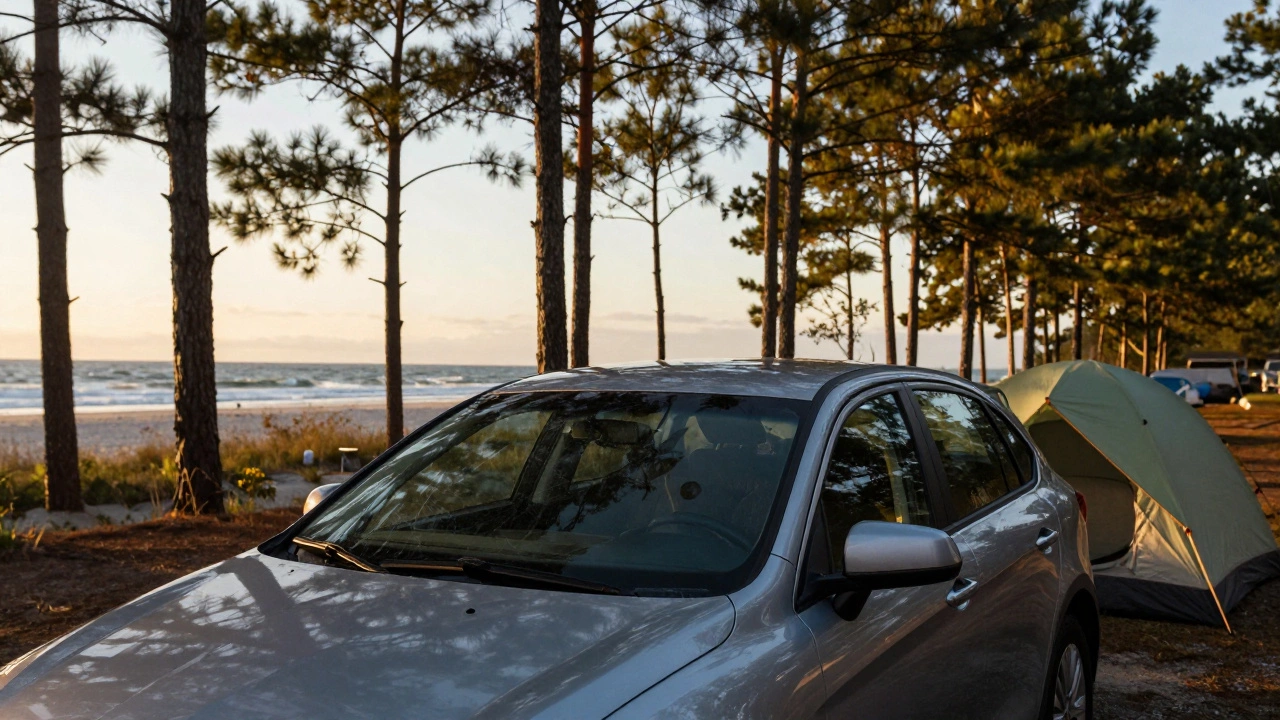
When you think of beach car camping, sleeping in your vehicle on or near a shoreline for an overnight stay. Also known as car sleeping, it’s one of the most affordable—and misunderstood—ways to enjoy the coast. It’s not just about saving money. It’s about waking up to the sound of waves, stepping out barefoot onto sand, and having your whole trip start right where you slept. But here’s the catch: in many places, it’s illegal. And if you get caught, the fine can cost more than a night at a campsite.
That’s why knowing the rules matters. roadside camping, staying overnight in a vehicle on public roads or shoulders often overlaps with beach car camping, especially in states like California where beach access is tightly controlled. Then there’s wild camping, camping outside designated sites without facilities—which sounds free and liberating, but in the UK and many US states, it’s either banned or limited to specific zones. And beach camping laws, local regulations that govern where you can park, sleep, or set up gear on a beach vary wildly. One beach lets you stay all night; the next one fines you $500 for leaving your tent open.
You don’t need a motorhome to do this. A hatchback, a van, even a pickup with a camper shell can work. But you need to know where. Some spots let you park overnight if you’re just sleeping—no tents, no fires, no coolers out. Others require you to be in an official campsite. And in places like North Carolina, drinking beer on the beach can get you fined, even if you’re just chilling in your car. Meanwhile, in California, free beach camping exists—but only in certain national parks and remote stretches where rangers rarely patrol. You’ll find those spots listed in posts about free beach camping and California’s overnight parking rules.
This collection doesn’t just tell you what’s allowed. It shows you how to do it safely, legally, and without ruining your trip. You’ll read about the 28-day camping rule in Wales, how to avoid getting towed in California, why some caravan parks are better than others for overnight stops, and what gear actually makes a difference when you’re sleeping on sand. Whether you’re planning a solo trip, bringing your dog, or just trying to save on accommodation, the real stories and rules here will save you from a bad night—or a bad fine.
What you’ll find below isn’t just a list of articles. It’s a practical toolkit for anyone who wants to sleep under the stars without breaking the law—or spending a fortune. From where to park without getting ticketed, to how to pick the quietest beach spot, to what to pack when you’re not sure if you’ll have power or water—you’ll find it all. No fluff. No guesswork. Just the facts you need to make your next beach car camping trip work.
 Dec 8, 2025
Can You Sleep in Your Car at Carolina Beach? Here's What You Need to Know
You can sleep in your car at Carolina Beach-but only in designated spots. Learn where it's legal, what happens if you get caught, and the best alternatives for a safe, affordable night’s rest.