Camping Laws Wales: What You Can and Can't Do on Public Land
When it comes to camping laws Wales, the legal rules governing where you can sleep overnight in the outdoors across Wales. Also known as wild camping regulations, these rules are strict compared to other parts of the UK, and ignoring them can mean fines or being asked to leave—fast. Unlike Scotland, where wild camping is widely accepted, Wales doesn’t have a blanket right to camp anywhere. Most land is privately owned, and sleeping outside without permission is technically trespassing.
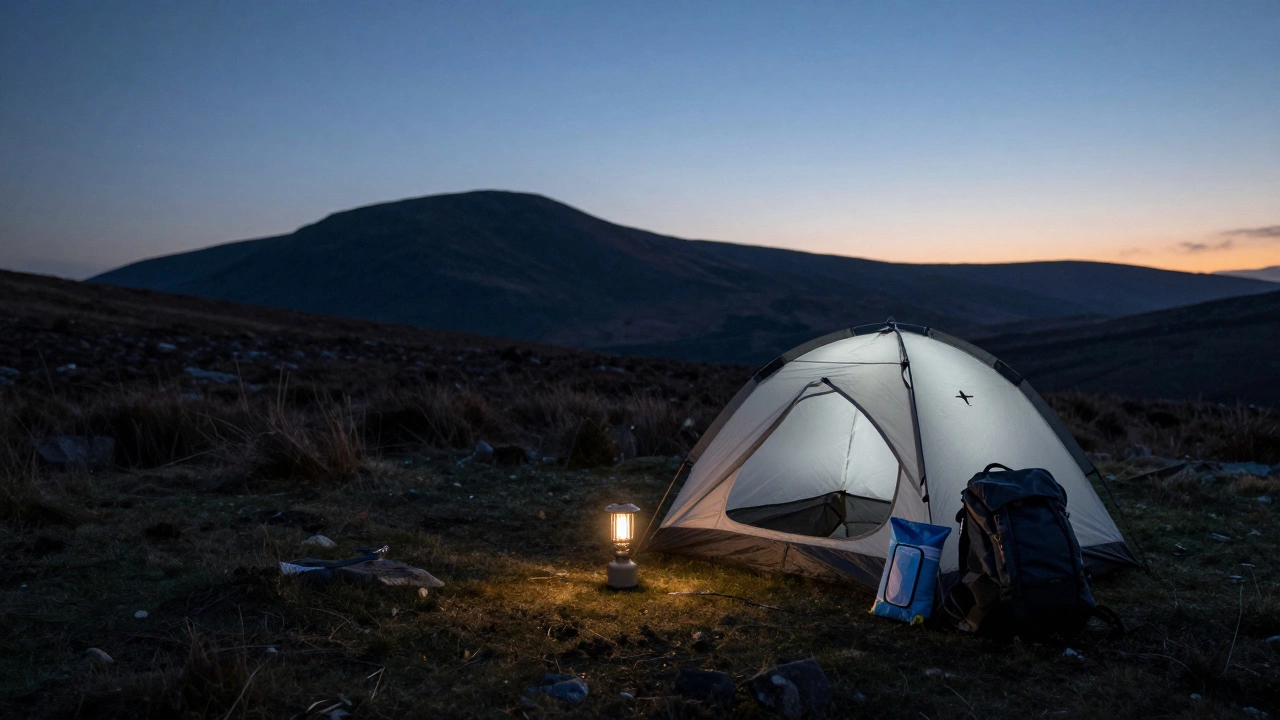
That doesn’t mean you can’t camp in the countryside—you just need to know where. The public land, areas managed by the government or local councils that may allow limited overnight stays is rare. Some National Trust sites and forestry areas permit camping in designated spots, but even then, it’s often restricted to tents and limited to a few nights. wild camping Wales, the practice of pitching a tent away from formal campsites without permission is not legally protected. There are no official trails or zones where it’s automatically allowed. Even if you see others doing it, that doesn’t make it legal. The Countryside and Rights of Way Act 2000 gives walkers freedom to roam, but it doesn’t include the right to camp.
What about beaches? Forests? Mountain sides? The answer is almost always no—unless you’ve got written permission from the landowner. Some remote areas in Snowdonia or the Brecon Beacons are tolerated if you’re quiet, leave no trace, and move on after one night. But tolerance isn’t law. If a farmer, ranger, or police officer asks you to go, you must. Getting caught with a motorhome or caravan in a no-camping zone? That’s a bigger risk. Local councils enforce bylaws, and fines can hit £250 or more. The safest route? Stick to official campsites. They’re affordable, clean, and legal. You’ll find plenty near lakes, rivers, and trails, with basic facilities and clear rules.
There’s a growing movement pushing for more access to public land in Wales, but for now, the system favors organized camping. If you’re planning a motorhome trip through Wales, your best bet is to book ahead. Use sites that are clearly marked, have fees posted, and offer waste disposal. That way, you’re not guessing, you’re not risking fines, and you’re respecting the land and the people who manage it. The posts below cover real cases, local enforcement, and hidden spots where people still camp—legally or otherwise. You’ll find practical tips on where to park overnight, how to avoid trouble, and what to do if you’re questioned. Whether you’re in a tent, a campervan, or a motorhome, knowing the rules isn’t just smart—it’s essential. Let’s get you sorted.
 Dec 1, 2025
What Is the 28-Day Camping Rule in Wales? A Clear Guide to Wild Camping Laws
The 28-day camping rule in Wales lets you camp in one spot for up to 28 days a year without permission - but only if you follow strict rules. Learn where it applies, what’s banned, and how to camp legally and responsibly.