Wales Camping Regulations: What You Can and Can't Do
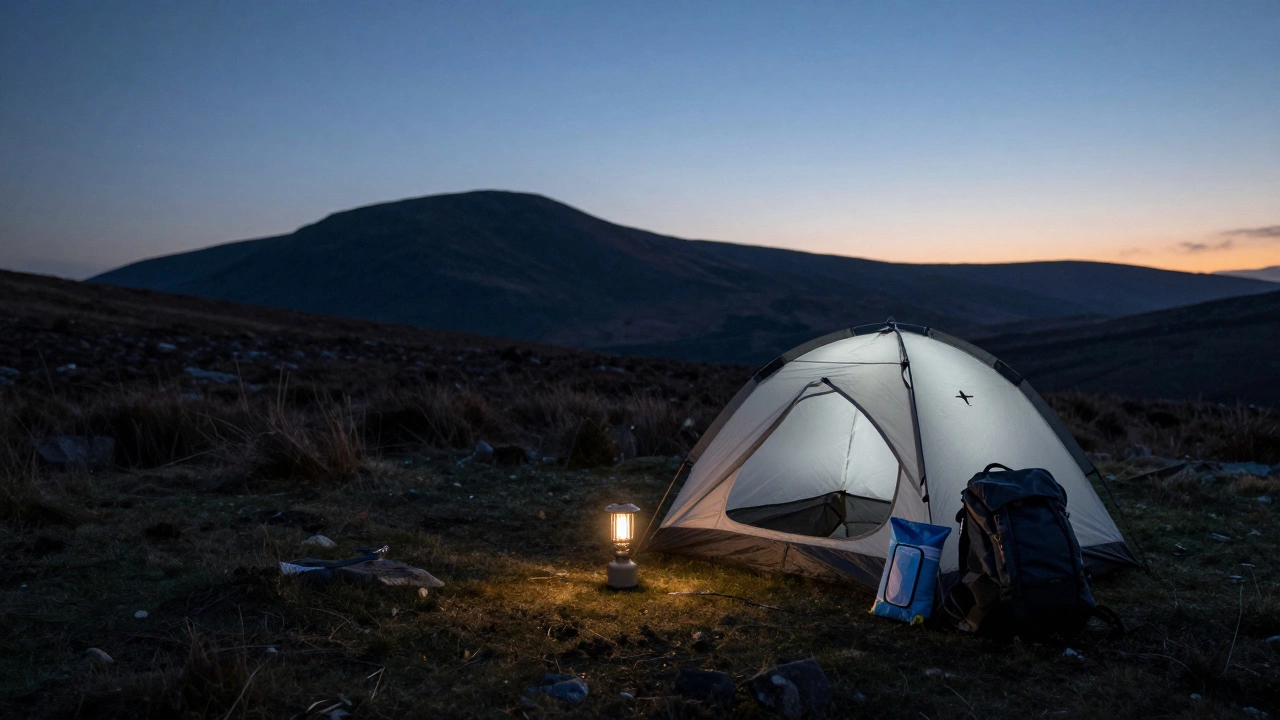
When it comes to Wales camping regulations, the legal rules around sleeping outdoors in Wales, which differ sharply from Scotland and England. Also known as wild camping laws in Wales, these rules govern where you can pitch a tent, park your motorhome, or spend the night under the stars without breaking the law. Unlike Scotland, where wild camping is widely accepted, Wales doesn’t have a blanket right to roam for campers. Most land is privately owned, and sleeping outside without permission can land you with a fine—or worse, a trespassing charge.
That doesn’t mean you can’t camp freely. There are designated campsites, official, paid locations with facilities like toilets, showers, and waste disposal. Also known as caravan parks, these are the safest and most reliable option for motorhome travelers and tenters alike. Then there’s wild camping, sleeping in remote areas without formal facilities. Also known as unofficial camping, this is mostly illegal in Wales unless you’ve got landowner permission. Even then, you need to follow the Leave No Trace principles: no fires, no litter, no noise, and leave the spot exactly as you found it.
Some areas, like parts of Snowdonia National Park, turn a blind eye to small, quiet, overnight stays if you’re discreet and respectful. But that’s not a legal right—it’s a tolerance. Rangers and landowners can still ask you to leave. If you’re caught camping near popular spots like Llyn Tegid or the coast near Pembrokeshire, you’re far more likely to get fined than welcomed. The same goes for parking your motorhome overnight on public roads or laybys. Many towns have specific bylaws banning overnight parking for vehicles not designed for habitation.
What about beaches? Sleeping on the sand in Wales is almost always illegal. Even if no one’s around, you’re still on private or protected land. The same rules apply to forests, riverbanks, and mountain slopes. There’s no gray area—just clear rules that are rarely advertised to tourists. That’s why so many travelers get caught off guard. They assume if it looks empty and beautiful, it’s fair game. It’s not.
So what’s the fix? Plan ahead. Use apps or local guides to find legal, low-cost campsites. Many are run by small family businesses and cost less than £20 a night. Some even let you park your motorhome for free if you buy a meal or coffee. If you’re set on wild camping, reach out to local farms or estates. A quick message asking permission often gets a yes—especially if you offer to pay a small fee or help out with a task. It’s not just legal—it builds community.
And if you’re wondering about dogs, power use, or campfires? Those rules are layered on top of the main camping laws. A campfire might be fine at a designated site but illegal in a national park. Your dog might be welcome at one site but banned from another. There’s no single rulebook—just a patchwork of local policies. That’s why the posts below cover real cases, real fines, and real workarounds. You’ll find advice on where to sleep legally, what gear to bring to stay compliant, and how to avoid the traps most visitors don’t even know exist.
 Dec 1, 2025
What Is the 28-Day Camping Rule in Wales? A Clear Guide to Wild Camping Laws
The 28-day camping rule in Wales lets you camp in one spot for up to 28 days a year without permission - but only if you follow strict rules. Learn where it applies, what’s banned, and how to camp legally and responsibly.