Wild Camping Wales: Rules, Best Spots, and What You Need to Know
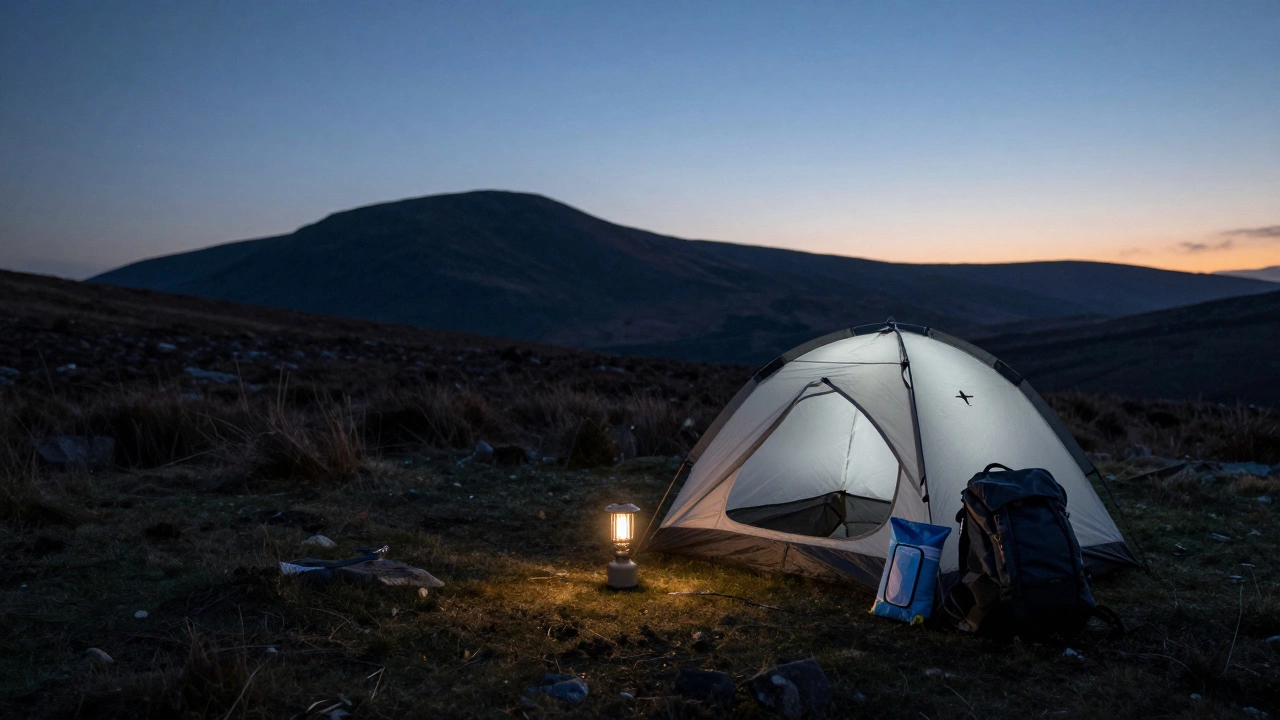
When you think of wild camping Wales, the practice of setting up camp in remote, undeveloped areas without official facilities. Also known as free camping, it’s a way to connect with nature without paying for a pitch—but it’s not always legal. Unlike Scotland, where wild camping is widely accepted under the Land Reform Act, Wales has no blanket permission. Most land is privately owned, and camping without permission can land you in trouble—even if you’re just pitching a tent for one night.
That doesn’t mean it’s impossible. Many people do it quietly, especially in the national parks like Snowdonia and the Brecon Beacons. But here’s the catch: you need to be smart. The Wales camping laws, a mix of local bylaws, landowner rights, and national park regulations vary by region. Some councils allow discreet, low-impact camping if you leave no trace, move on after one night, and avoid protected areas. Others fine you on the spot. You won’t find signs saying "No Camping," but that doesn’t mean it’s allowed. Always check with the local council or park authority before you go.
There are also places where wild camping is unofficially tolerated—like high mountain ridges in Snowdonia or remote valleys near the River Wye. These spots are popular with hikers and backpackers who follow the free camping Wales, the practice of camping without fees or facilities, often in natural settings code: arrive late, leave early, pack out every bit of trash, avoid fires, and never camp near water sources or livestock. If you see a sign saying "No Camping," or if a landowner asks you to leave, go. No argument. Respect is the only thing keeping this tradition alive.
What about safety? Wales can be unpredictable. Weather changes fast, especially in the mountains. A sunny morning can turn into a soaking rainstorm by afternoon. Always carry a map, a compass, and extra layers—even in summer. And don’t assume you’ll find cell service. Many of the best wild camping spots are deep in valleys with no signal. Tell someone where you’re going. Bring a whistle. Know how to find water without contaminating it.
And yes, dogs are welcome—but only if you’re responsible. Many of the posts in this collection talk about camping with dogs, taking pets on outdoor trips where they thrive but require extra care. A dog that barks at night or chases sheep can ruin it for everyone. Keep them on a lead near livestock. Clean up after them. Don’t let them dig up moss or disturb nesting birds.
You’ll find real stories here—not just theory. People who’ve camped under the stars in the Cambrian Mountains, avoided fines by choosing the right spot, and learned the hard way what happens when you ignore the rules. Some share where they’ve slept for free without getting caught. Others warn about places that look perfect but aren’t worth the risk. There’s no magic list of 10 secret spots—because if we gave you that, it wouldn’t stay secret for long. But you’ll get enough to start exploring wisely.
Wild camping Wales isn’t about breaking rules. It’s about knowing them, respecting them, and finding the quiet corners where nature still lets you stay a while. The posts below are full of real experiences, practical tips, and honest advice from people who’ve done it. Whether you’re planning a solo trip, bringing the kids, or just testing the waters, you’ll find what you need to make it safe, legal, and unforgettable.
 Dec 1, 2025
What Is the 28-Day Camping Rule in Wales? A Clear Guide to Wild Camping Laws
The 28-day camping rule in Wales lets you camp in one spot for up to 28 days a year without permission - but only if you follow strict rules. Learn where it applies, what’s banned, and how to camp legally and responsibly.