Leave No Trace Impact Calculator
Assess your camping habits against the 7 Pillars of Leave No Trace to see how well you are protecting the environment and respecting fellow campers.
Your Stewardship Score: 0/14
Personalized Recommendations
You’ve just found the perfect spot. The sun is setting behind a ridge, your tent is pitched, and the fire is crackling. Then you see it. A pile of half-eaten sandwiches left by the previous group. Or maybe it’s the sound of a generator roaring at 6 AM in a designated quiet zone. It ruins the vibe instantly, doesn’t it? This is why understanding the golden rule of camping isn’t just about being polite-it’s about keeping the outdoors accessible and enjoyable for everyone, including you.
While many people guess that the golden rule is simply "leave nothing but footprints," the reality is more nuanced. In modern camping culture, especially with the surge in last-minute bookings and crowded sites, the core principle has evolved into a broader concept of stewardship and respect. Whether you are car camping in a managed campground or pitching a tarp in the bush, this rule dictates how you interact with nature, other campers, and the land itself. If you ignore it, you risk fines, social backlash, and the eventual closure of beloved wild spots.
Defining the Core Principle: Stewardship Over Convenience
At its heart, the golden rule of camping is Leave No Trace (LNT), which is a set of seven principles designed to minimize human impact on natural environments. Originally developed in the United States by the National Forest Service and adopted globally, LNT is not just a slogan; it is an ethical framework. But here is the twist: in high-traffic areas like those near Sydney or popular UK campsites, strict LNT application often clashes with practical limitations. You might not have a trash bin within five kilometers, or the ground might be too hard to dig a cathole.
This is where the modern interpretation kicks in. The true golden rule is adaptive stewardship. It means doing everything in your power to restore the site to its original condition, regardless of whether you are in a primitive wilderness or a paid campground with amenities. It acknowledges that nature is resilient but fragile. When you pack out your waste, keep noise levels down, and respect wildlife distances, you are actively participating in conservation. Ignoring this leads to "campground creep," where erosion, pollution, and behavioral conflicts force authorities to restrict access. So, before you unpack your cooler, ask yourself: can I leave this place better than I found it?
The Seven Pillars of Leave No Trace in Practice
To apply the golden rule effectively, you need to break it down into actionable steps. The seven principles of Leave No Trace provide a solid checklist, but let’s look at them through the lens of a regular camper trying to do the right thing without turning their trip into a scientific expedition.
- Plan Ahead and Prepare: Know the regulations of your specific site. Some places ban fires during summer months due to bushfire risks. Bringing the wrong gear forces you to improvise, which often leads to damaging the environment.
- Travel and Camp on Durable Surfaces: Stick to established trails and pads. In alpine or desert areas, walking off-trail can kill plants that take decades to regrow. Use existing fire rings if available; don’t build new ones unless permitted.
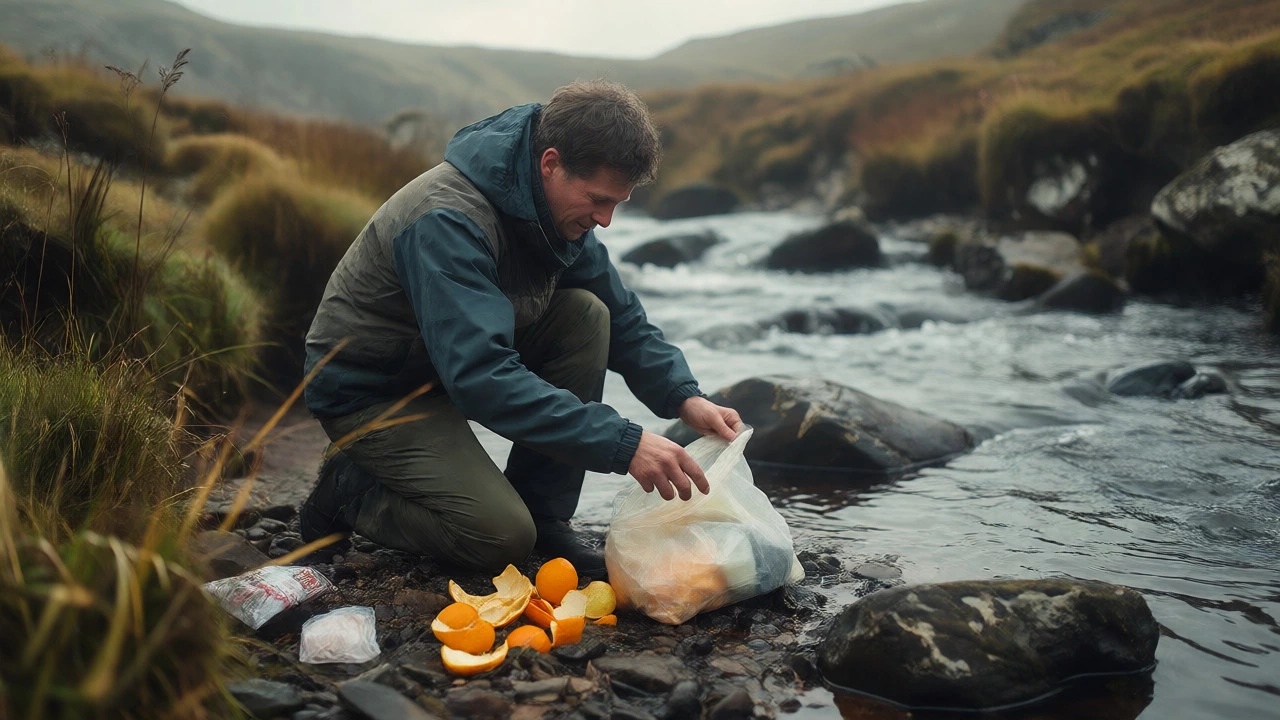
- Dispose of Waste Properly: "Pack it in, pack it out" applies to everything. That includes orange peels and apple cores, which decompose slowly in cold or arid climates and attract animals that become dependent on human food.
- Leave What You Find: Don’t move rocks to make a seat. Don’t pick wildflowers. Take photos, not souvenirs. Removing natural features alters the habitat for insects and small mammals.
- Minimize Campfire Impacts: Keep fires small. Use dead and downed wood already on the ground rather than cutting live branches. Ensure the fire is completely out-cold to the touch-before leaving.
- Respect Wildlife: Observe from a distance. Never feed animals, even cute ones like kangaroos or squirrels. Feeding them changes their behavior and can make them aggressive or sick.
- Be Considerate of Other Visitors: Keep noise down, especially during quiet hours. Let nature’s sounds prevail over your Bluetooth speaker. Yield to hikers on shared trails.
Notice how these rules aren’t just about trash. They cover noise, movement, and interaction. Failing any single one disrupts the ecosystem or the experience of others. For instance, playing loud music violates the "considerate" pillar, while feeding a bird violates the "wildlife" pillar. Both stem from a lack of awareness about your impact.
Campsite Etiquette: The Social Side of the Golden Rule
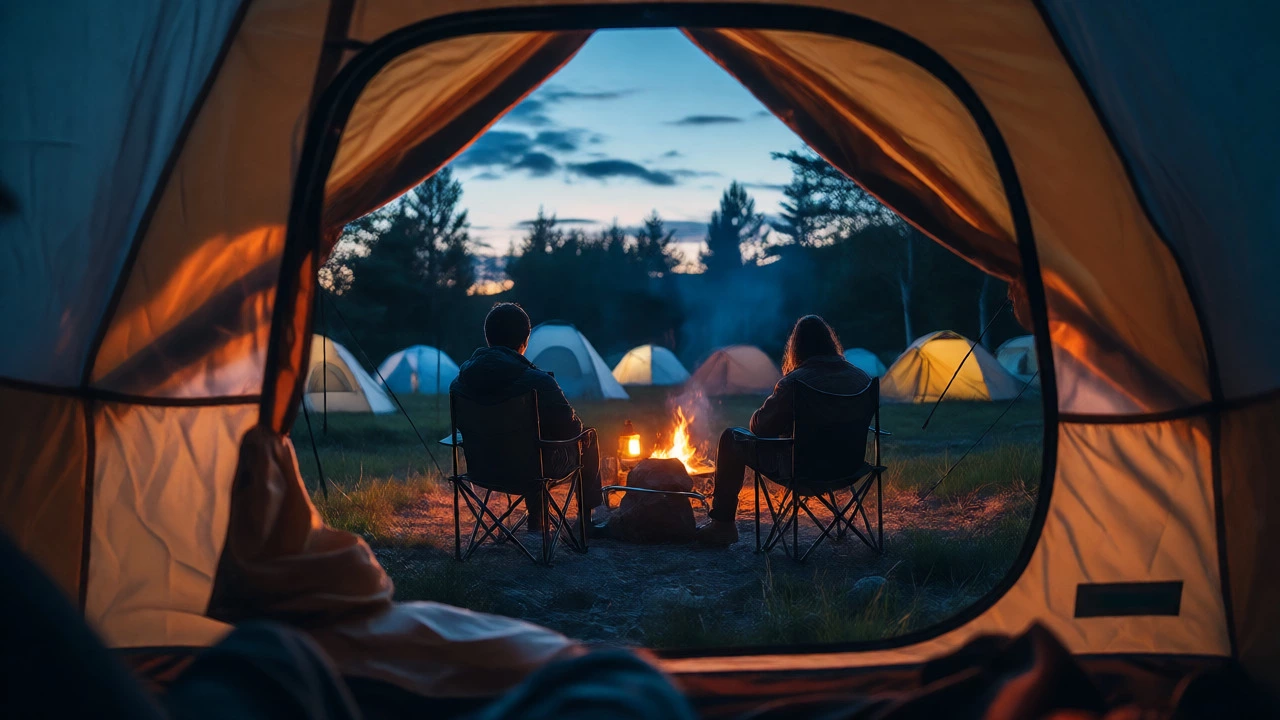
Beyond environmental care, the golden rule extends to human interactions. Many campgrounds operate on a semi-communal basis. You are sharing space, resources, and silence. Bad etiquette is often what drives people away from camping altogether. Think about the family next door who sets up three tents, four chairs, and a dog that barks all night. Are they breaking a law? Maybe not. Are they breaking the golden rule of consideration? Absolutely.
Here are some specific social norms that define good camping citizenship:
| Scenario | Do This | Avoid This |
|---|---|---|
| Noise Levels | Use headphones after 9 PM; keep voices low. | Playing amplified music or shouting across sites. |
| Pets | Keep dogs leashed and clean up immediately. | Letting pets roam free or bark continuously. |
| Site Boundaries | Stay within your marked pitch; respect privacy buffers. | Setting up tents or chairs on neighboring plots. |
| Common Areas | Leave showers and kitchens cleaner than you found them. | Leaving wet towels or dirty dishes for others. |
| Fire Management | Share firewood responsibly; don't hoard resources. | Taking large logs meant for community use. |
These guidelines help maintain harmony. If you arrive late at night, avoid slamming doors or dragging gear loudly. If you’re early, try to set up quietly so you don’t wake neighbors still sleeping. Small courtesies go a long way. Remember, everyone is there to escape the hustle and bustle of city life. Being the source of stress defeats the purpose.
Wild Camping vs. Managed Sites: Adjusting Your Approach
The application of the golden rule changes depending on where you are. In a managed campground with bins, toilets, and rangers, the burden is lighter. You have infrastructure to support your habits. But in wild camping scenarios-common in Australia’s national parks or remote UK forests-the stakes are higher. There are no nets to catch your mistakes.
In wild settings, waste management becomes critical. You cannot just bury toilet paper and hope it disappears. In many sensitive ecosystems, it must be packed out in sealed bags. Water sources require special attention. Never wash dishes directly in a stream; instead, carry water 60 meters away and scatter greywater broadly. This prevents nutrient buildup that causes algae blooms and kills aquatic life.
Furthermore, visibility matters less than footprint. In a crowded campground, your mess is obvious. In the wild, your impact might only be visible to the next person who arrives weeks later. That invisible responsibility weighs heavily. If you cut down a tree for shelter, that scar remains for years. If you drive off-road, you create ruts that channel rain and cause erosion. The golden rule demands that you act as if you are the only person ever going to visit that spot, because eventually, someone else will judge your choices.
Why Last-Minute Campers Struggle with Ethics
There is a growing trend of booking campsites at the last minute, often via apps that show real-time availability. While convenient, this rush can lead to ethical shortcuts. Desperate for a spot, campers might choose marginal pitches-places that are slightly rocky, sloped, or close to water. These spots are often protected for a reason: they are ecologically sensitive or prone to flooding.
If you find yourself in this situation, pause. Is this area marked as "no camping"? Even if it’s not fenced off, signs or worn paths indicate usage patterns. Pitching your tent on a mossy bank might seem harmless, but repeated pressure kills the moss layer, leading to soil erosion. Last-minute decisions should still adhere to the golden rule. Better to drive another ten minutes and find a durable surface than to damage a fragile patch of land. Patience is part of the ethic.
Practical Checklist for Ethical Camping
Ready to put theory into practice? Here is a quick audit you can run before you leave your site. Walk around your pitch and check these items:
- Trash Sweep: Look under tables, inside tent zippers, and in grass tufts. Tiny wrappers and bottle caps are easy to miss but deadly to birds.
- Fire Ring Check: Scatter cold ashes widely. Remove any unburnt logs. Replace stones if you moved them.
- Ground Restoration: Flatten tent peg holes. Rake back leaves or pine needles to hide disturbed earth.
- Water Source Audit: Ensure no soap residue lingers near streams. Check that no food scraps were dropped nearby.
- Noise Review: Did you disturb neighbors? Apologize if necessary. Leaving on a good note builds community trust.
This routine takes five minutes but ensures you uphold the standard. It also helps you notice things you might have missed during the chaos of packing up.
Frequently Asked Questions
Is the golden rule of camping legally binding?
Not always. While many national parks enforce strict laws against littering and off-trail driving, much of the golden rule relies on voluntary compliance. However, ignoring basic hygiene and safety rules can result in fines. In private campgrounds, violating house rules can lead to expulsion without refund.
Can I burn food waste in my campfire?
It depends on the location and local regulations. Generally, burning food waste is discouraged because it attracts animals and may not fully incinerate fats and plastics mixed in. In most Leave No Trace contexts, packing out food waste is preferred over burning it, especially in areas with high animal traffic.
How far from water should I camp?
The general guideline is at least 60 meters (200 feet) from lakes, rivers, and springs. This buffer protects water quality from runoff, reduces mosquito exposure, and preserves shoreline habitats for wildlife. Always check specific site rules, as some areas may require greater distances.
What if I accidentally damage vegetation?
Acknowledge it and minimize further harm. Don’t try to replant mature shrubs, as survival rates are low. Instead, clear debris and allow the area to recover naturally. If you broke a branch, consider reporting it to park rangers if it affects trail accessibility or safety.
Does the golden rule apply to glamping sites?
Yes, though the intensity varies. Glamping sites often have professional staff managing waste and maintenance, reducing individual burden. However, guests should still respect noise limits, avoid removing decor or furniture, and dispose of personal trash properly. The spirit of respect remains unchanged.
Final Thoughts on Becoming a Better Camper
Adopting the golden rule of camping transforms your relationship with the outdoors. It shifts the focus from consumption to contribution. You stop seeing nature as a backdrop for your vacation and start seeing it as a partner in your experience. This mindset makes you more observant, more patient, and ultimately more satisfied with your time outside.
Next time you book a last-minute campsite, remember that your actions ripple outward. They affect the wildlife, the landscape, and the strangers who will sleep in that same spot next week. By adhering to these principles, you ensure that the magic of camping survives for future generations. So pack smart, tread lightly, and leave every site ready for the next adventure.