Camping Style Finder
⚙ Configure Your Preferences
Recommended:
Why this fits:
Essential Gear:
Select your preferences to generate a personalized recommendation.
Picture this: you’re standing at a crossroads in the great outdoors. To your left, the salty breeze hits your face as waves crash against the shore. To your right, towering pines whisper in the wind, creating a canopy of green overhead. Straight ahead, a mirror-like lake reflects the sky, inviting you to cast a line or dive in. Which way do you go?
The answer depends entirely on what kind of experience you’re chasing. While there are dozens of ways to categorize outdoor stays-from luxury glamping pods to rugged wild camping spots-most traditional camping falls into three distinct buckets based on location and environment: beach campsites, forest (or woodland) campsites, and lake (or river) campsites.
Understanding these three types isn’t just about geography; it’s about matching your gear, your expectations, and your skills to the terrain. Each environment demands a different approach to setup, safety, and enjoyment. Let’s break down exactly what each type offers, what challenges they present, and how to decide which one fits your next adventure.
1. Beach Campsites: Salt, Sand, and Sunsets
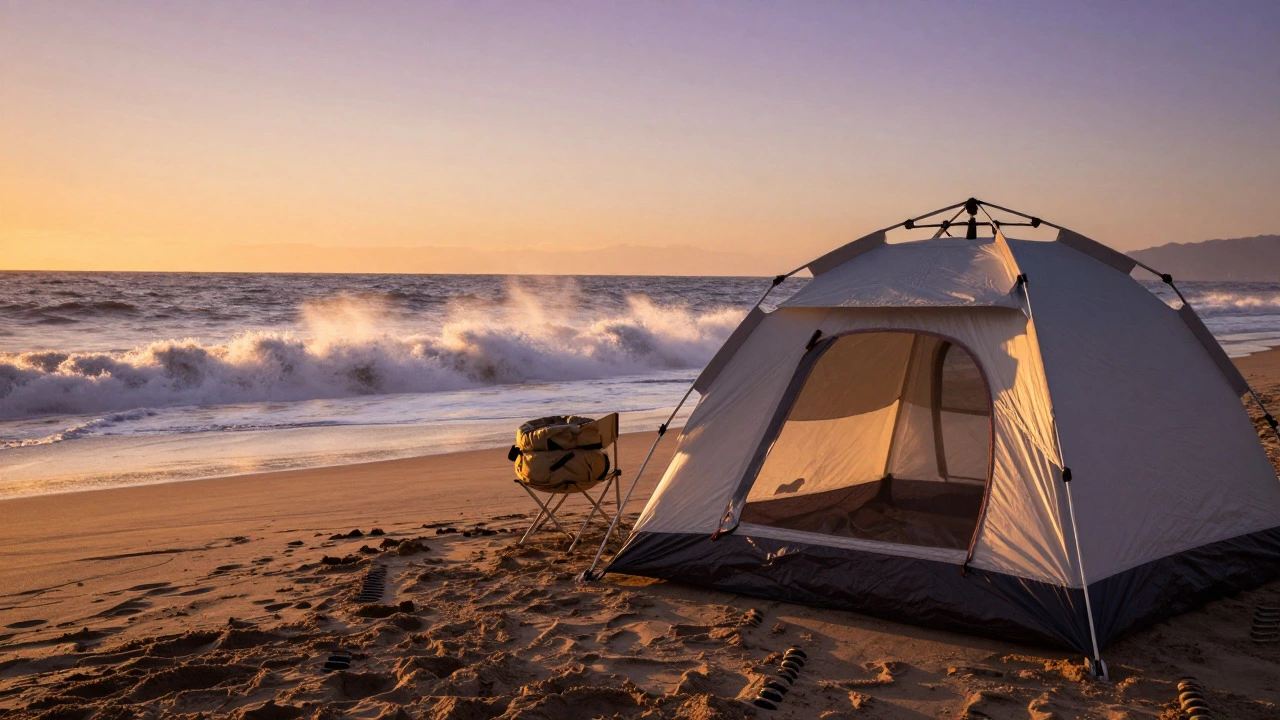
Camping by the ocean is often romanticized for good reason. The sound of the tide, the open horizon, and the chance to wake up with the sunrise over the water create an atmosphere that’s hard to beat. However, beach camping is arguably the most technically challenging of the three types due to the unique properties of sand and salt air.
Beach camping is a style of outdoor accommodation situated directly on or adjacent to coastal shores, characterized by sandy terrain and exposure to marine weather conditions. Unlike soil, sand does not provide stable ground for tent pegs. Standard stakes will simply slide out when the wind picks up. You’ll need specialized gear like long, spiral sand anchors or heavy-duty deadman anchors buried deep beneath the surface.
The humidity is another factor many first-timers overlook. Saltwater evaporates and settles on everything, including your food, your clothes, and your electronics. If you’ve ever tried to zip a tent after it’s been dampened by sea spray, you know the frustration. Corrosion is real. Rinse off your gear before packing it away, and keep sensitive items in sealed dry bags.
Safety protocols also differ here. Tides can be deceptive. What looks like safe, flat sand at low tide can become submerged quickly. Always check local tide charts before pitching your tent. In some regions, camping too close to the high-tide mark is illegal or dangerous. Additionally, wildlife interactions change near the coast. Seabirds are notorious scavengers, so hanging your food bag from a sturdy branch-or better yet, storing it in a vehicle-is essential to avoid waking up to a stolen dinner.
2. Forest Campsites: Shade, Silence, and Soil
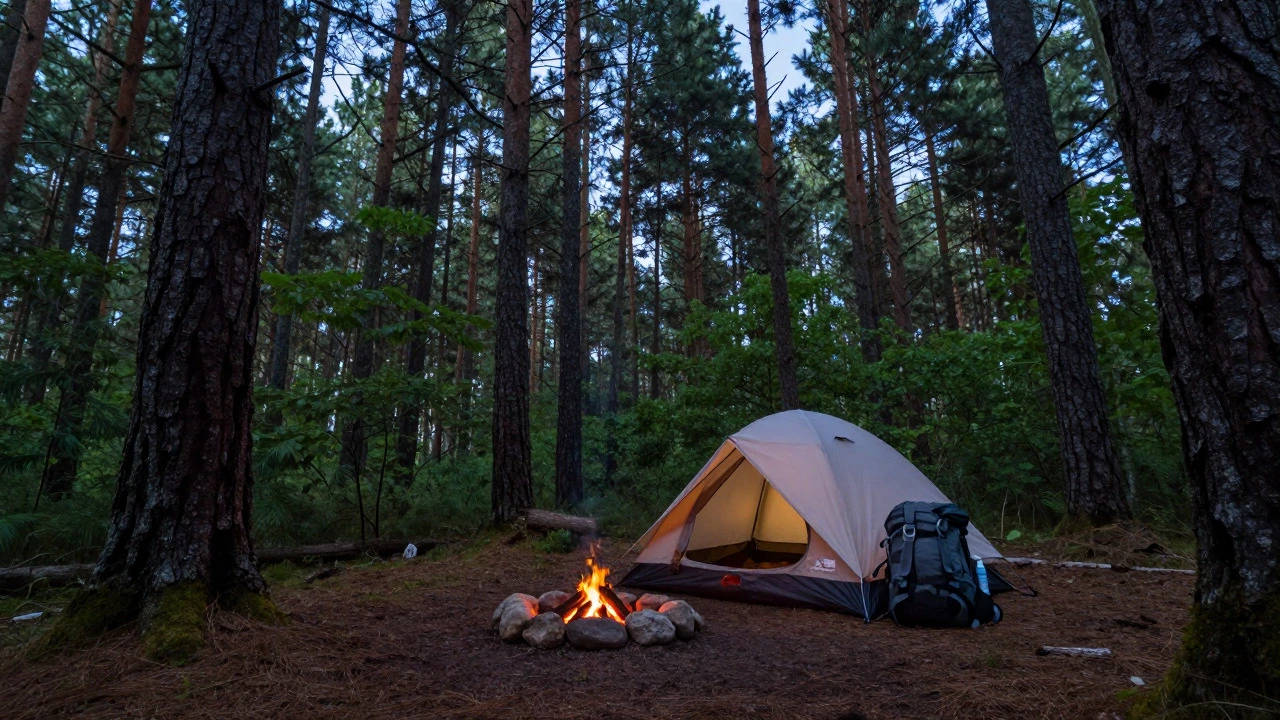
If beaches are about openness, forests are about immersion. Woodland campsites offer dense tree cover, cooler temperatures, and a sense of seclusion that appeals to hikers and nature lovers. This is the classic "camping" image most people have: a fire pit surrounded by trees, with the smell of pine needles in the air.
Forest camping is outdoor recreation conducted within wooded areas, utilizing natural tree cover for shelter and shade, often involving established trails and campgrounds managed by national or state parks. The primary advantage here is stability. Soil holds tent pegs firmly, meaning standard stakes work perfectly. You don’t need to worry about shifting ground or sudden tides. Instead, your concerns shift to overhead hazards.
Before setting up, look up. Dead branches, known as "widowmakers," can fall without warning during windy nights. Choose a site under living trees with healthy canopies. Also, be mindful of root systems. Tent floors can tear easily on exposed roots, so clear small debris but leave large roots intact to avoid damaging the ecosystem.
Insect management is typically more intense in forests than on beaches. Mosquitoes, ticks, and ants thrive in shaded, humid environments. Treat your clothing with permethrin, use EPA-approved repellents, and consider bringing a portable fan for your tent entrance-mosquitoes hate wind. Firewood availability varies by region; in many protected forests, you must bring your own seasoned wood to prevent the spread of invasive pests like the emerald ash borer.
3. Lake Campsites: Water Access and Reflection
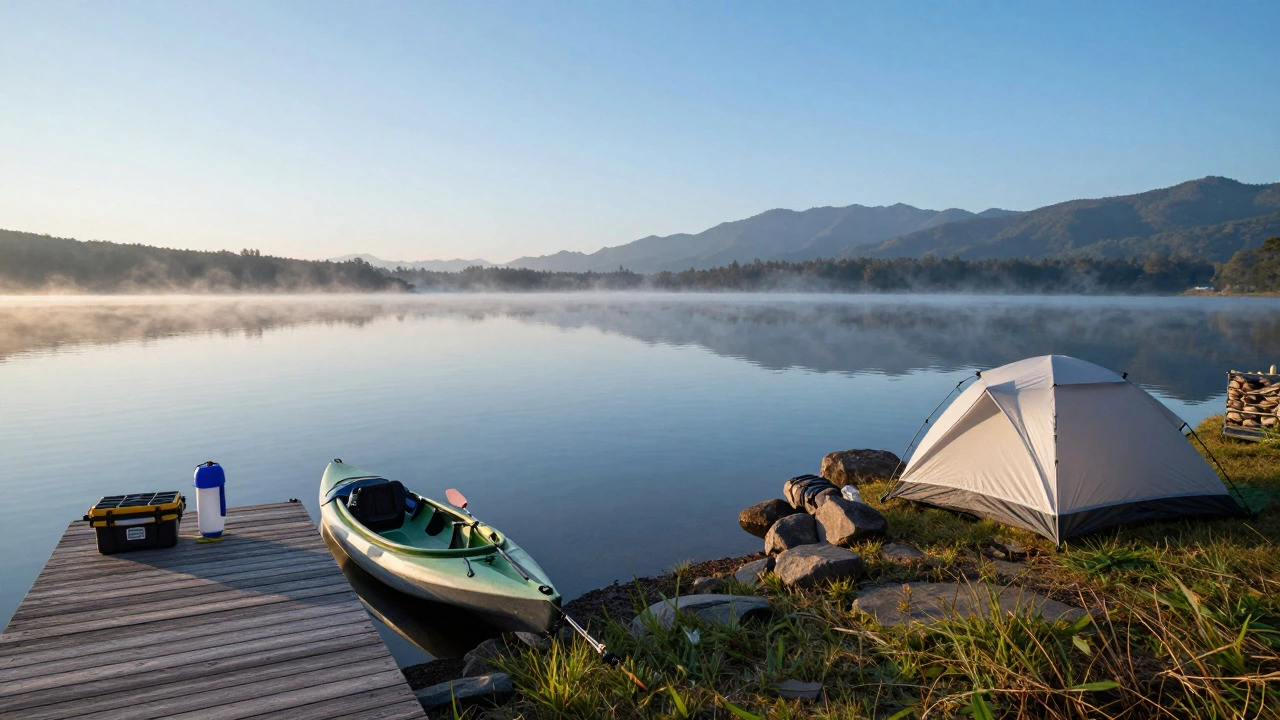
Lake and river campsites sit between the extremes of beach and forest. They offer water-based activities like kayaking, fishing, and swimming, but usually with calmer waters and less wind than the ocean. These sites are often nestled along the shoreline, providing easy access to both land and water.
Lake camping is a form of recreational camping located on the banks of freshwater bodies such as lakes, ponds, or slow-moving rivers, emphasizing water sports and tranquil scenery. The terrain here is often a mix of dirt, grass, and sometimes rocky shores. This variety means you need versatile anchoring solutions. Rocky shores require rock bags or heavy stones instead of stakes, while grassy areas may require longer stakes if the topsoil is soft.
Water quality is a critical consideration. Unlike saltwater, freshwater can harbor bacteria like Giardia or E. coli. Never drink directly from the lake unless you filter or boil it thoroughly. When swimming, watch for algae blooms, which can indicate harmful toxins. In summer, stagnant warm water is a breeding ground for mosquitoes, similar to forests, but the reflection of sunlight off the water can make evenings brighter, affecting your sleep schedule if you’re sensitive to light.
Fishing regulations are strict in many lake districts. You’ll likely need a specific license, and rules regarding catch-and-release vary by species and season. Check local guidelines before casting your line. Also, respect the quiet hours. Lakes are popular among bird watchers and wildlife photographers who rely on silence to observe animals.
Comparing the Three Types: Key Differences
| Feature | Beach Campsites | Forest Campsites | Lake Campsites |
|---|---|---|---|
| Terrain Stability | Low (Sand shifts) | High (Soil holds well) | Mixed (Rock/Grass/Dirt) |
| Weather Exposure | High Wind & Salt Spray | Sheltered from Wind | Moderate Breeze |
| Primary Hazards | Tides, Corrosion | Falling Branches, Ticks | Waterborne Illness, Algae |
| Best For | Surfing, Sunbathing | Hiking, Fire Pits | Fishing, Kayaking |
| Gear Needs | Sand Anchors, Dry Bags | Insect Repellent, Stakes | Water Filter, Life Vests |
How to Choose the Right Type for You
Selecting the right campsite type comes down to your priorities. Ask yourself these questions:
- Do you prioritize activity or relaxation? If you want to surf or build sandcastles, choose a beach. If you want to hike trails and read by a fire, pick a forest. If you want to fish or paddle, go for a lake.
- What is your comfort level with setup? Beach camping requires more effort to secure tents and protect gear from elements. Forest camping is straightforward for beginners. Lake camping sits in the middle, depending on shore composition.
- Who is coming with you? Families with young children might prefer the flat, open spaces of a beach or the calm waters of a lake. Solo adventurers or couples seeking privacy might enjoy the secluded feel of a dense forest.
- What season is it? Summer beaches can be crowded and hot. Winter forests can be cold and dark. Spring lakes might have rising water levels. Consider seasonal variations when booking.
Essential Gear Checklist by Type
While basic camping gear overlaps, each type has specific needs. Here’s what to add to your pack:
For Beach Camping
- Long sand stakes or spiral anchors
- Dry bags for electronics and documents
- Extra sunscreen and lip balm
- A tarp to shield from sun and wind
For Forest Camping
- Strong insect repellent (DEET or Picaridin)
- Headlamp with red light mode (to preserve night vision)
- Fire-starting kit (matches, lighter, tinder)
- Tick removal tool
For Lake Camping
- Portable water filter or purification tablets
- Life jackets for all swimmers
- Fishing license and tackle box
- Rope for securing boats or kayaks
Environmental Responsibility Across All Types
No matter where you pitch your tent, the Leave No Trace principles apply. But each environment has its own vulnerabilities.
On beaches, burying human waste is common but must be done at least 200 feet from water and dug six inches deep. Pack out all trash, including cigarette butts, which are toxic to marine life. In forests, stay on designated trails to protect plant life and avoid compacting soil. Use established fire rings to minimize scarring. At lakes, avoid using soap or shampoo directly in the water, even biodegradable kinds, as they can disrupt aquatic ecosystems. Carry out all wastewater.
Respecting local wildlife is crucial everywhere. Store food properly, keep a clean camp, and observe animals from a distance. By doing so, you ensure these beautiful places remain pristine for future campers.
Is beach camping harder than forest camping?
Yes, generally. Beach camping requires special stakes for sand, protection against salt corrosion, and careful attention to tide schedules. Forest camping involves more straightforward setup with standard gear, though you must manage insects and check for falling branches.
Can I camp anywhere on a beach?
Not always. Many beaches have designated camping zones due to erosion concerns, private property lines, or wildlife nesting areas. Always check local regulations and park maps before arriving. Some beaches prohibit overnight stays entirely.
What should I do if I find a tick while forest camping?
Remove it immediately using fine-tipped tweezers. Grasp the tick close to the skin and pull upward steadily. Clean the bite area with alcohol. Monitor for rashes or fever in the following weeks, which could signal Lyme disease or other tick-borne illnesses.
Is lake water safe to drink?
Rarely, without treatment. Freshwater sources often contain parasites like Giardia or bacteria. Always filter, boil, or chemically treat lake water before drinking. Even clear-looking water can harbor invisible pathogens.
Which type of camping is best for beginners?
Forest or developed campground camping is usually best for beginners. The terrain is stable, facilities like toilets and fire pits are often available, and the risks are lower compared to the dynamic environment of a beach or the water-specific challenges of a lake.
Do I need a permit for beach camping?
It depends on the location. National parks and state beaches often require permits or reservations. Public beaches in urban areas may allow free camping, but rural or protected coastal areas frequently enforce strict permit systems to manage visitor numbers and protect ecology.
How do I protect my food from animals at a lake campsite?
Use bear-proof containers if bears are present. Otherwise, hang your food bag from a tree branch at least 10 feet high and 4 feet from the trunk, or store it in a locked vehicle. Avoid cooking or eating inside your tent to prevent attracting raccoons, rodents, or larger predators.