Most people think a caravan park is just a place to plug in your van and call it a night. But if you’ve ever spent more than a weekend there, you know it’s way more than that. It’s a rhythm. A community. A slow-motion holiday that stretches out in ways you didn’t expect.
Wake Up to the Sound of a Coffee Machine
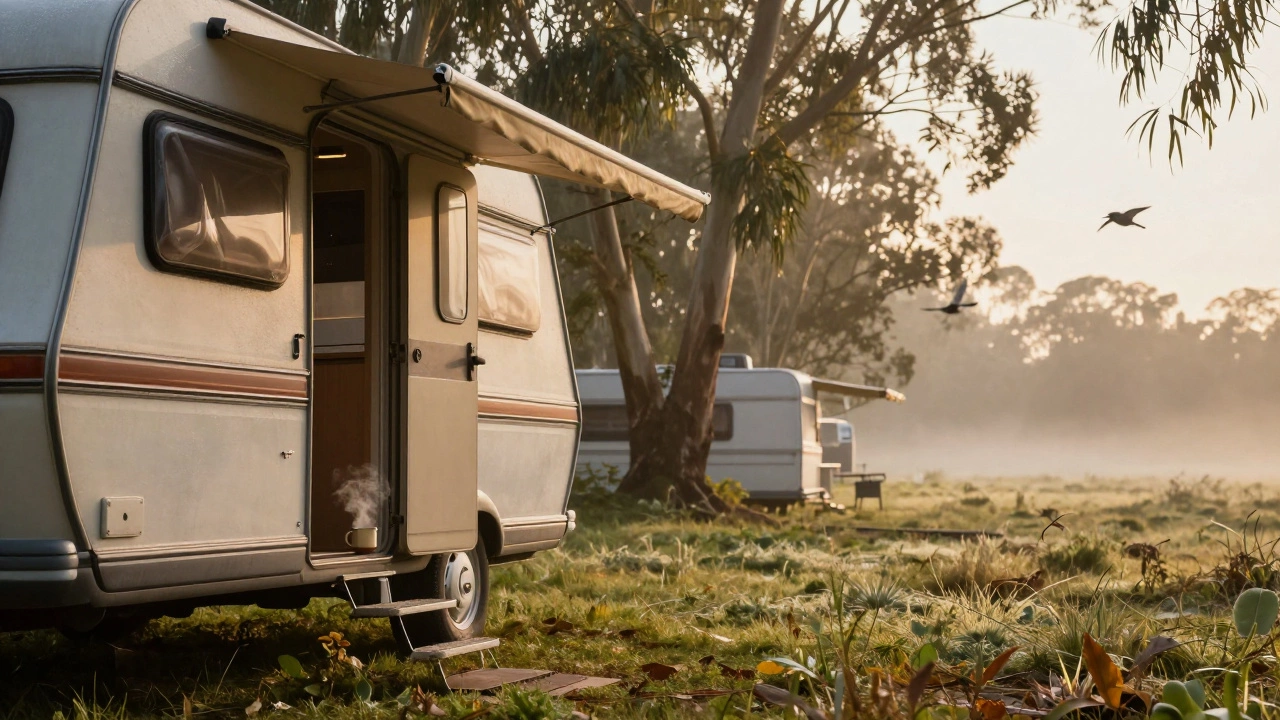
Your day doesn’t start with an alarm. It starts with the hiss of a gas stove, the clink of a mug on a bench, and the smell of burnt toast drifting from the next pitch. At a caravan park, mornings are quiet but not silent. You hear birds, wind in the trees, the distant hum of a fridge, and someone rolling their awning out for the third time this week. You grab a coffee from the on-site shop-usually overpriced, but it’s the only option if you forgot to pack beans. Some parks have a small café with decent flat whites. Others? You make your own in a French press and sit on the step of your van, watching the light hit the hills.Check the Facilities Before You Use Them
Every caravan park has rules. Not because they’re strict, but because they’re shared. You learn fast: caravan park toilets aren’t like hotel bathrooms. They get busy. Especially on weekends. The key is timing. Go early. Or late. Avoid the 7:30 a.m. rush when every family with kids is getting ready for the pool. Showers are a ritual. Some parks have hot water 24/7. Others? You get 3 minutes before it cuts out. You learn to wash your hair fast. Or just skip it. No one’s judging. Everyone’s in the same boat.Walk the Park, Not Just the Trail
You don’t need to hike miles to feel like you’re exploring. The park itself is the destination. Walk the paths between the pitches. See who’s got a hammock strung between two eucalyptus trees. Notice the guy who’s been here since April with his dog and his guitar. The woman who brings homemade scones to the laundry room every Tuesday. Some parks have mini-golf. Others have a jumping pillow for kids. A few even have a small library box-swap a book, leave a book. You’ll find a dog-eared copy of The Hobbit next to a romance novel with a torn cover. It’s not about the books. It’s about the quiet exchange.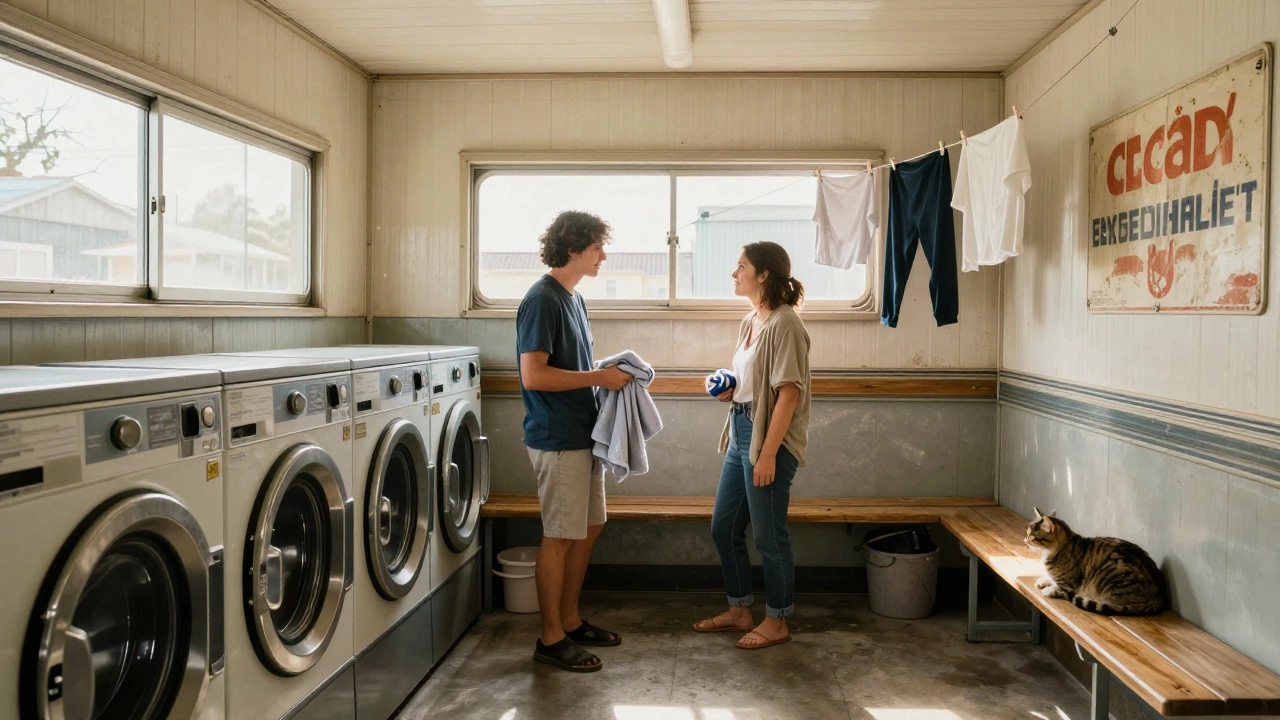
Use the Amenities Like a Local
Most caravan parks have more than just toilets and showers. There’s often a laundry room with industrial machines. You learn to sort your clothes by color and load. You wait. You chat. You swap stories with the woman who’s been on the road for six months with her two kids and a cat named Marmalade. Many parks have a barbecue area. You’ll see the same faces there every night. One guy grills sausages like he’s running a food truck. Another brings a Dutch oven and makes chili from scratch. You bring your own meat, or you just show up with a bottle of wine and ask if you can join. Some parks have swimming pools. Others have lakes or rivers nearby. You don’t need to be a swimmer to enjoy it. Just sit on the edge, feet in the water, watching the dragonflies. Kids splash. Parents sigh. Someone’s playing music from a Bluetooth speaker. It’s not fancy. But it’s real.Plan Your Days, But Leave Room for Nothing
You think you’ll visit the nearby town every day. You won’t. You’ll spend three hours in the car just to get to the supermarket, then come back and sit in your van eating canned beans because you’re too tired to cook. Instead, you learn to let the park dictate your plans. If it’s raining? You play cards inside. If it’s sunny? You take a walk to the creek. If the kids are bored? You find the playground. If you’re alone? You read under the awning. Time moves slower here. That’s the point.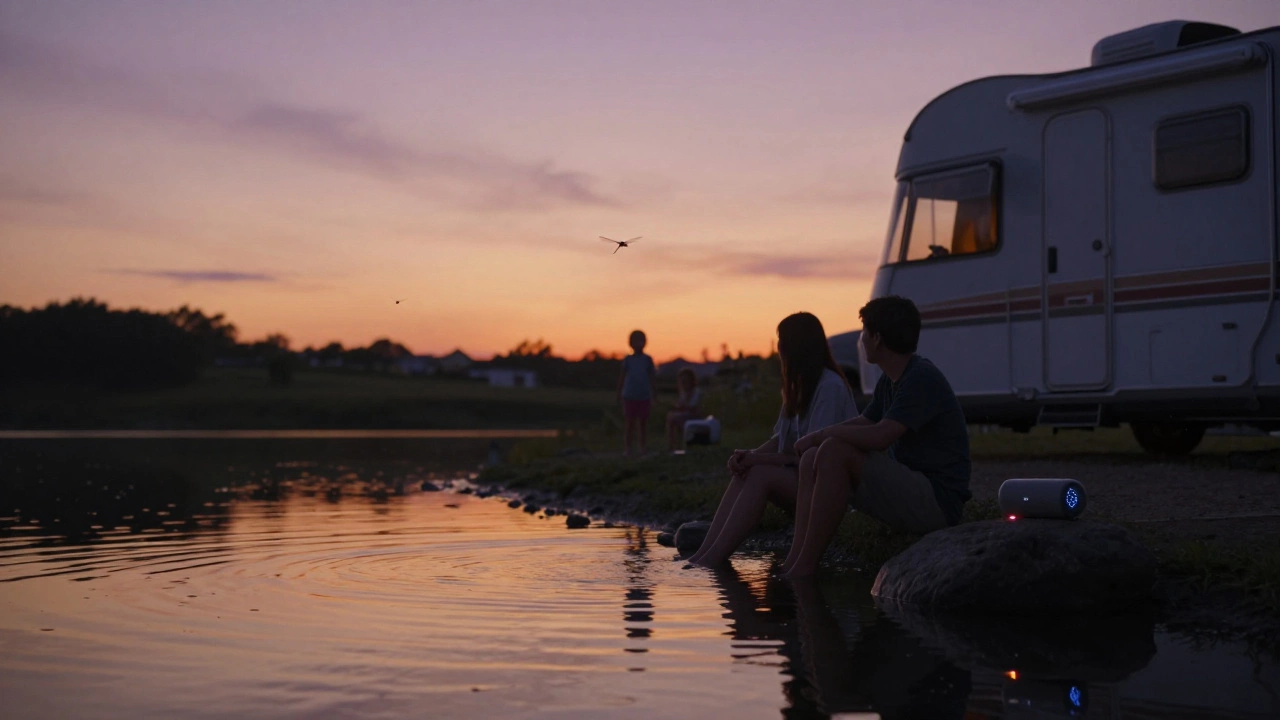
Meet People-Even If You’re Not a Social Person
You don’t have to be outgoing to enjoy a caravan park. But you’ll notice things. The guy who waves every morning. The couple who always has a picnic blanket laid out on the grass. The teenager who’s been here for three weeks and never leaves his tent. You’ll start saying hi. Then you’ll ask if they’ve tried the local pie shop. Then you’ll end up sharing a bottle of wine at sunset. It happens. No one forces it. It just does. There’s a reason caravan parks are full of retirees, young families, and solo travelers. You’re all here for the same thing: space. Quiet. A break from the noise. But you end up finding each other anyway.Leave It Better Than You Found It
This isn’t a hotel. You’re not a guest. You’re a temporary neighbor. That means you clean up after yourself. Take your rubbish to the bins. Don’t leave plastic bags on the grass. Don’t let your dog bark all night. Don’t park on the grass. Don’t block the path. The staff don’t need to chase you. The other campers will. And they will. You’ll hear it: “Hey, your bins are overflowing.” “Your kids are climbing the fence again.” “Can you turn the music down?” You learn fast. You become the kind of person who picks up someone else’s wrapper. Because you know what it’s like to come back from a walk and find your spot trampled.It’s Not a Vacation. It’s a Reset
A caravan park doesn’t give you excitement. It gives you peace. You stop checking your phone. You stop planning. You stop trying to make the most of every minute. You sit. You watch. You breathe. You realize you don’t need Wi-Fi to feel connected. You don’t need a fancy restaurant to feel fed. You don’t need a schedule to feel like you’ve done something. And when you leave, you don’t feel tired. You feel lighter.Can you live permanently at a caravan park?
Yes, many people do-especially retirees and digital nomads. Some caravan parks in Australia offer long-term stays with full hookups, laundry, and mail services. You need to check local council rules, though. In New South Wales, for example, you can’t live in a caravan on a holiday park for more than 3 months without a special permit. But in regional areas like the Riverina or Far North Queensland, long-term stays are common and accepted.
Are caravan parks safe for families?
Generally, yes. Most caravan parks are gated, have good lighting, and are staffed during the day. Many have CCTV or security patrols. But safety depends on the park. Look for ones with a good reputation-check reviews from other families. Parks with playgrounds, pools, and organized activities usually have more families around, which adds to the sense of community and safety.
Do you need a generator at a caravan park?
Not usually. Most caravan parks in Australia have 15-amp or 30-amp power hookups. You can run your fridge, TV, and phone chargers just by plugging in. But if you want to use a microwave, air conditioner, or kettle at the same time, you might trip the circuit. That’s when a generator helps. Some parks allow generators, but only during certain hours-usually 8 a.m. to 8 p.m. Always check the rules.
What’s the best time of year to visit a caravan park in Australia?
Spring (September to November) and autumn (March to May) are ideal. The weather’s mild, the crowds are smaller, and prices are lower. Summer (December to February) is busy-especially on the coast. Winter can be cold in the south, but perfect for places like the outback or Queensland, where you’ll get sunny days and cool nights. Avoid school holidays if you want peace.
Can you bring your dog to a caravan park?
Most caravan parks allow dogs, but not all. Always call ahead. Some have designated dog-friendly areas. Others require your dog to be on a leash at all times. There are parks that even have dog showers and waste bags available. Just don’t assume it’s allowed. And never leave your dog alone in the van-it gets too hot, too fast.
How much does it cost to stay at a caravan park in Australia?
Prices vary by location and season. In regional areas, you can find sites for $25-$40 a night. In popular spots like Byron Bay or the Gold Coast, expect $60-$100. Luxury parks with pools and cabins can hit $150+. Many offer weekly rates that cut the daily price by 30-50%. Some parks also offer discounts for seniors, pensioners, or long-term stays.
What should you never forget to pack for a caravan park stay?
Power adapters, a good torch, a portable water container, biodegradable soap, a foldable table, and a spare roll of toilet paper. Also, a small first aid kit. And don’t forget your sense of patience. Things move slower here. The washing machine might take two cycles. The shower might run cold. The Wi-Fi might be slow. It’s part of the experience.
Caravan parks aren’t glamorous. But they’re honest. They don’t promise luxury. They promise space. Time. Connection. And if you let them, they’ll give you back a little of what the world took.