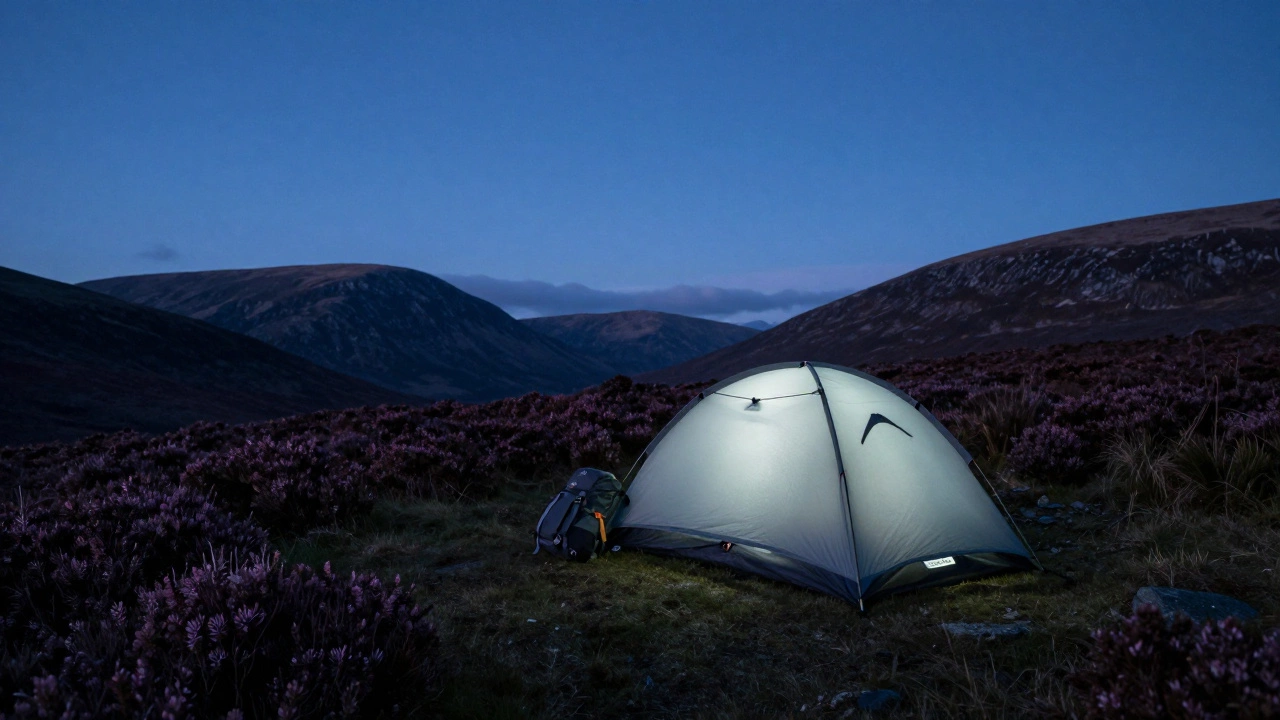
Wild Camping Legal Check
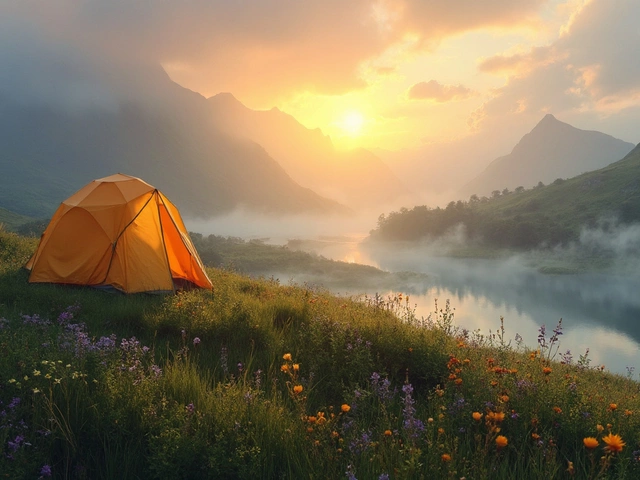
If you’ve ever dreamed of falling asleep under the stars with nothing but a tent and a sleeping bag, you’re not alone. Wild camping in the UK feels like the ultimate escape-no neighbors, no fees, no rules. But here’s the truth: in most of the UK, it’s not legal. And if you get caught, the consequences aren’t just a warning. They can be costly, confusing, and sometimes even criminal.
Where is wild camping actually allowed in the UK?
The short answer: almost nowhere-except in one place. Scotland is the only part of the UK where wild camping is legally protected under the Scottish Outdoor Access Code. As long as you follow basic rules-camping small groups, staying no more than two or three nights in one spot, leaving no trace, avoiding private land and protected areas-you’re fine. Many hikers cross the Highlands every year doing exactly that.
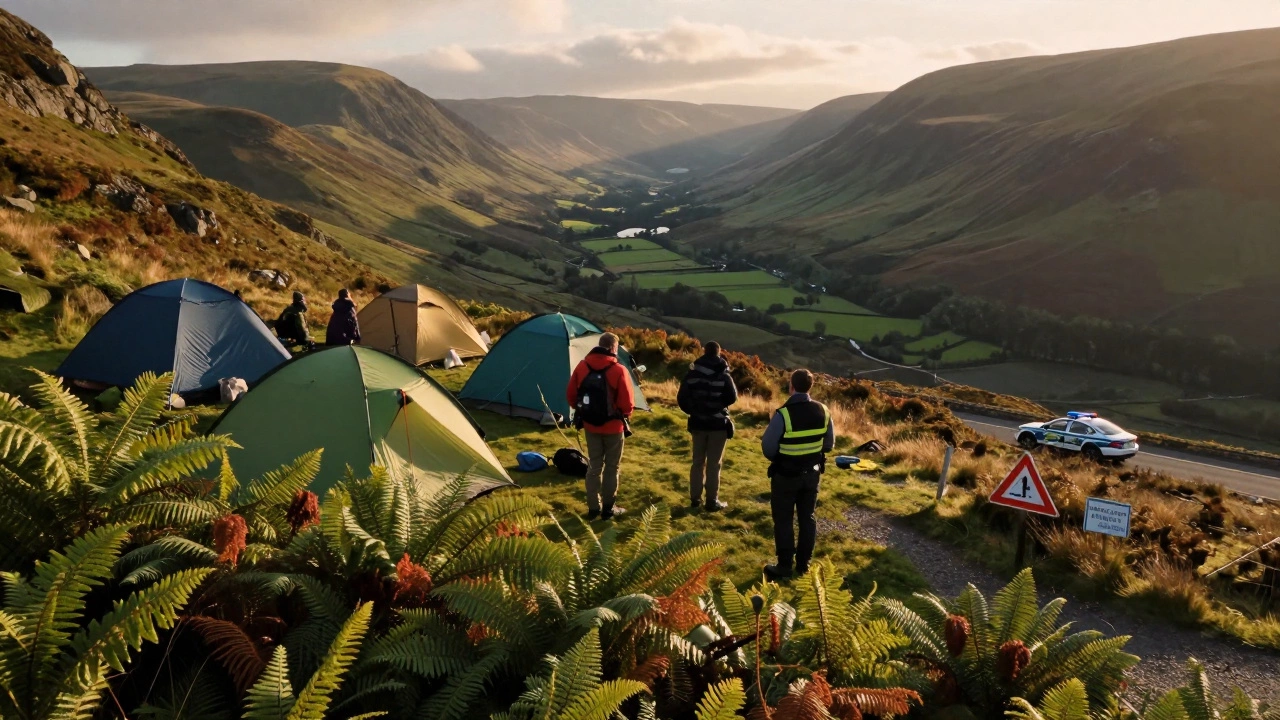
In England and Wales, wild camping is illegal without the landowner’s permission. That includes national parks like the Lake District, Snowdonia, and the Peak District. Even if you see dozens of tents on a mountainside at dawn, that doesn’t mean it’s legal. It just means people are taking the risk.
Northern Ireland also bans wild camping without permission. There are no exceptions. No matter how remote the spot looks, if it’s not a designated campsite, you’re trespassing.
What happens if you’re caught?
Most of the time, you won’t get arrested. But you will be asked to leave. That’s the most common outcome. A landowner, ranger, or police officer will approach you and tell you to pack up and move on. If you comply, that’s usually the end of it.
But if you refuse, or if you’ve camped in a sensitive area-like near livestock, a protected site, or a popular trail-you could face a fine. In England and Wales, the penalty can be up to £2,500 under the Criminal Justice and Public Order Act 1994. This applies if you’re camping without permission on land used for agriculture, forestry, or conservation.
In 2023, a group of six campers near the River Wye in Herefordshire were fined £1,200 each after refusing to leave a private field. The landowner had posted signs, called the police, and documented the incident. The court ruled it was a clear case of trespass with intent to camp.
It’s not just about money. If you’re seen as causing damage-leaving trash, starting fires, disturbing wildlife-you could be charged with environmental offenses. That’s a separate legal issue, and penalties can include community service or even a criminal record.
Who enforces wild camping laws?
It’s not always the police. Often, it’s landowners or their agents-farmers, estate managers, or park wardens-who notice you first. They can call the police if they feel threatened or if you’re being uncooperative.
Police officers usually don’t go out looking for campers. But if they’re called, they have the authority to order you to leave. Refusing to leave when asked can be considered a breach of the peace, which gives them grounds to issue a fine or even detain you temporarily.
Some national parks have dedicated ranger teams that patrol popular spots. In the Lake District, rangers started using drones in 2024 to monitor overnight camping. They don’t issue fines themselves, but they record license plates, take photos, and pass evidence to landowners and police.
What do the fines actually cover?
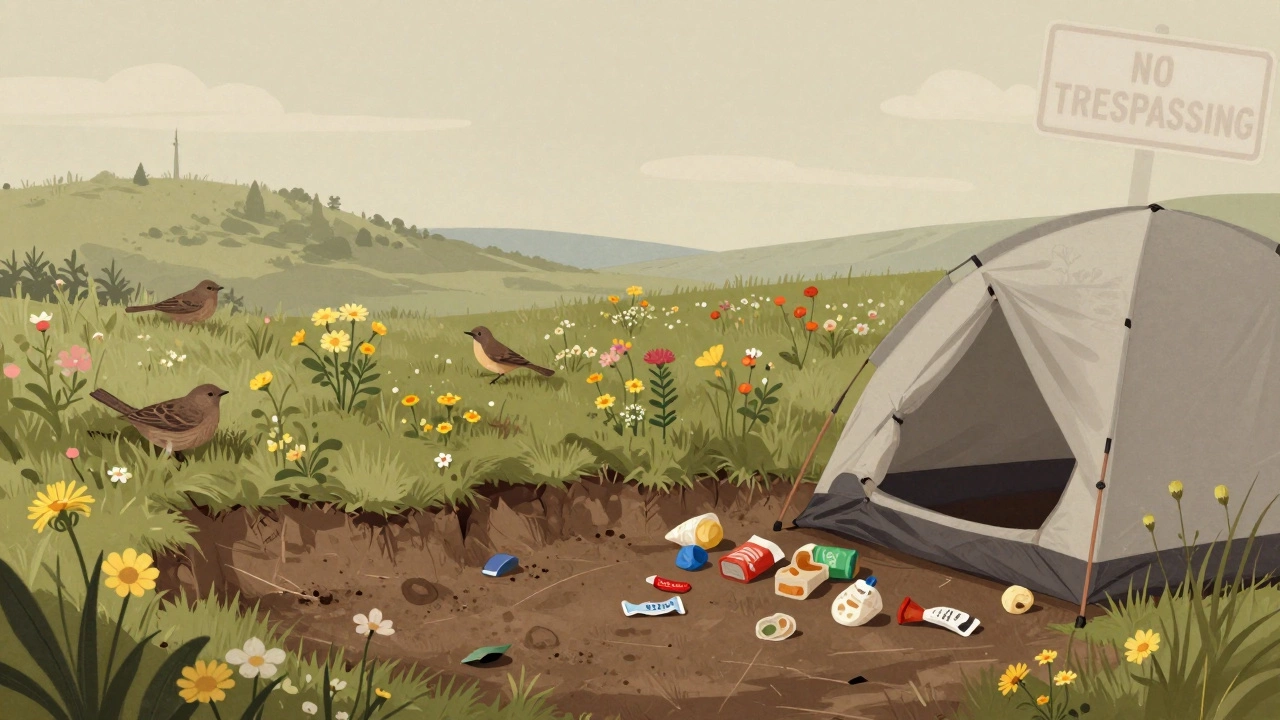
Fines aren’t just punishment-they’re meant to cover the cost of cleanup, damage repair, and enforcement. If you leave a fire pit, broken tent pegs, or food waste that attracts foxes or badgers, the landowner has to clean it up. That’s expensive.
One farm in the Yorkshire Dales spent over £8,000 in 2023 cleaning up after a weekend of illegal camping. The landowner later sued three campers for £2,500 each. The court awarded the full amount because they had clear photos, timestamps, and witness statements.
Even if you don’t leave trash, your presence can still cause harm. Trampling grass, compacting soil, or disturbing nesting birds can lead to ecological damage. These aren’t always visible, but they’re real-and legally actionable.
What about stealth camping? Can you get away with it?
Some people try to camp without being seen. They arrive after dark, leave before sunrise, and swear they left no trace. It’s risky. You’re still trespassing. And if someone sees your car parked nearby, or finds your footprint in the mud, or notices your tent in the morning light, you’re done.
There’s no such thing as “stealth camping” that’s legal. The law doesn’t care if you were quiet. It cares about permission. No permission = illegal.
Even if you’ve done it five times without trouble, the sixth time could be the one where someone reports you. It only takes one person to call the police.
What are the alternatives?
You don’t have to risk fines or legal trouble to enjoy the wild. There are plenty of legal, affordable, and quiet places to camp.
- Low-impact campsites: Many small, family-run sites charge £10-£15 per night. They’re often off the main roads, with no facilities, and feel just as remote.
- Wild camping permits: In some parts of England, like Dartmoor, you can apply for a free permit to camp in designated zones. It’s not wild camping, but it’s close.
- Wild camping in Scotland: If you’re willing to drive, Scotland is your best bet. The Trossachs, Glen Coe, and the Isle of Skye are all open for responsible wild camping.
- Dispersed camping on public land: In England, Forestry England allows camping in some woodland areas with a permit. You can book online for £5-£10 a night.
Some campsites even let you stay for free if you help out-feeding animals, chopping wood, or cleaning common areas. It’s called “workamping,” and it’s growing in popularity.
Why does the UK have these rules?
The UK isn’t trying to stop people from enjoying nature. It’s trying to protect it. Unlike in the U.S. or Canada, most land in the UK is privately owned. Farmers rely on their fields for income. Landowners can’t afford to let strangers camp on their property every weekend.
Wild camping leads to erosion, pollution, and conflict. In 2022, the National Trust reported a 70% increase in complaints about illegal camping. Many of those complaints came from farmers whose sheep were scared off, or from hikers who found human waste near trails.
It’s not about being strict. It’s about balance. You can still have the wild experience-it just takes a little planning.
What should you do if you’re approached?
If someone asks you to leave, stay calm. Don’t argue. Don’t get defensive. Pack up quietly and leave. You’ll avoid fines, stress, and a police report.
Here’s what not to do:
- Don’t say, “Everyone else is doing it.” That’s not a defense.
- Don’t take photos of the person asking you to leave. That can be seen as harassment.
- Don’t try to negotiate. Permission isn’t up for debate.
Just say, “I’m sorry, I didn’t realize. I’ll leave right away.” Most people will appreciate the respect.
What if you’re fined? Can you appeal?
Yes, you can appeal a fine, but it’s expensive and rarely successful. You’ll need proof that you had permission, or that you didn’t cause harm. Most people don’t have that.
One man in the Lake District appealed a £1,500 fine after claiming he thought he was on public land. He lost. The court found that the land was privately owned, marked with signs, and he had ignored multiple warning notices.
Appealing is a gamble. Paying the fine is usually the smarter move.
What’s the future of wild camping in the UK?
There’s growing pressure to change the laws. In 2025, a campaign called “Right to Roam” gathered over 200,000 signatures calling for legal wild camping in national parks. But the government has said no-citing environmental concerns and landowner rights.
For now, the rules aren’t changing. The best way to enjoy the wild is to do it legally. It’s not about giving up freedom. It’s about respecting the land and the people who care for it.
Can you sleep in your car in the UK?
Sleeping in your car is technically legal in most places, as long as you’re not camping. That means no tents, no outdoor furniture, no cooking. But if you’re parked in a private area without permission, you can still be asked to move. Some councils ban overnight parking in certain towns, especially near tourist spots. Always check local bylaws.
Is wild camping legal on Dartmoor?
Yes, but only in designated areas under the Dartmoor Commons Act 1985. You can camp overnight on open moorland as long as you’re more than 100 meters from a road, don’t use fire, and leave no trace. You don’t need a permit, but you must follow the rules. This is one of the few legal exceptions in England.
Can you be arrested for wild camping?
Arrests are rare, but possible. If you refuse to leave after being asked, or if you’re suspected of causing damage or disorder, police can detain you under the Criminal Justice and Public Order Act. You won’t go to jail for a first offense, but you could be held until you agree to leave or until a court date.
What’s the difference between wild camping and free camping?
Wild camping means camping on land without permission, usually in remote areas. Free camping usually refers to legal, no-cost sites like some Forestry England locations or designated rest areas. Free camping is allowed. Wild camping in England and Wales is not.
Are there any apps or maps that show legal wild camping spots?
Yes. Apps like Park4Night and Campercontact list legal overnight spots, including free sites and permitted areas. In Scotland, the Mountaineering Council of Scotland publishes official wild camping maps. For Dartmoor, the National Park Authority has a downloadable zone map. Always double-check the rules before you go.
Final thought: Respect the land, or lose the privilege
Wild camping isn’t a right-it’s a privilege. And that privilege comes with responsibility. The UK’s landscape is beautiful, but fragile. Every time someone breaks the rules, it makes it harder for everyone else to enjoy it.
You don’t need to break the law to feel free. There are quiet, legal places waiting for you. They might not be as hidden, but they’ll still give you the stars, the silence, and the peace you’re looking for.