Glamping Cost Comparison Calculator
Cost Breakdown
Compare what you're actually getting for your money
Glamping
- $150–$800 per night
- Real mattress & bedding
- Private bathroom with hot water
- Climate control (heating/cooling)
- Electricity for charging devices
- On-site amenities (dining, activities)
Traditional Camping
- $10–$50 per night
- Sleeping bag on ground
- Shared facilities or portable toilets
- No electricity (limited solar)
- No climate control
- No on-site amenities
Calculate Your Trip Cost
Cost Comparison Results
$390 more for glamping? But you're getting a real bed, hot shower, private bathroom, and no setup. For many, this is the ultimate value for an experience you can't get at a hotel.
What You're Actually Getting
Glamping Benefits
- Time saved: No setup or packing
- Comfort: Real mattress, sheets, pillows
- Convenience: Private bathroom with hot water
- Relaxation: No stress about cooking or weather
- Experience: Stunning views without the discomfort
Traditional Camping Trade-offs
- Time spent: Setting up, cooking, cleaning
- Comfort: Sleeping on ground or air mattress
- Convenience: No electricity or running water
- Stress: Weather changes, insects, noise
- Experience: More hands-on connection with nature
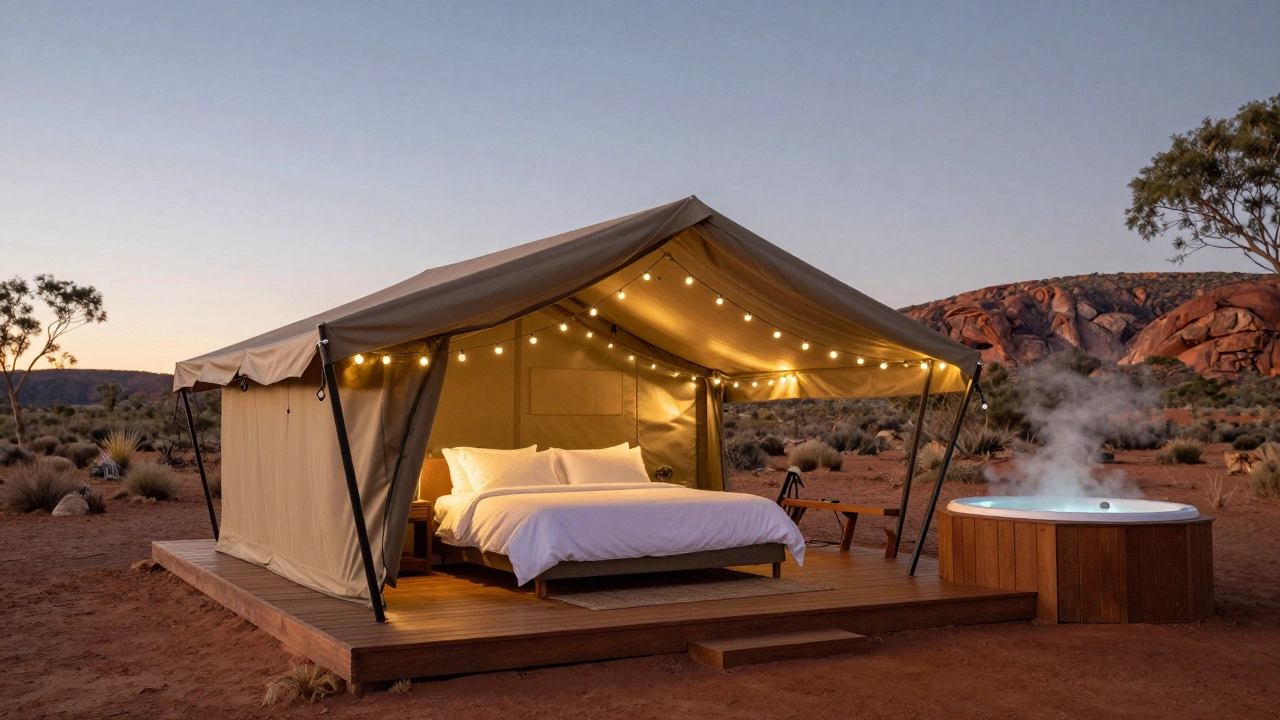
Ever seen a photo of a tent with a king-sized bed, fairy lights, and a private hot tub-and wondered if that’s even camping? It’s not just Instagram fantasy. That’s glamping, short for glamorous camping. And yes, it’s the exact same thing as glamorous camping. The terms are used interchangeably, and if you’re asking which of the following is also called glamorous camping, the answer is simple: glamping.
Where Did Glamping Come From?
Glamping didn’t just pop up because someone wanted to sleep in a tent with a minibar. It started in the early 2000s as a response to people who loved being outdoors but hated the mess, discomfort, and prep work of traditional camping. Think of it as the middle ground between a backpacker’s sleeping bag and a five-star hotel room. The trend exploded after luxury safari lodges in Africa gained popularity. Travelers loved the wild experience but didn’t want to give up hot showers or real beds. So, glamping spread from the Serengeti to the Scottish Highlands, then to the Australian outback, and everywhere in between.
By 2024, over 1.2 million people in the U.S. alone went glamping. In Australia, bookings at glamping sites jumped 68% between 2022 and 2025. It’s not just a fad-it’s a full-blown shift in how people vacation.
What Makes a Site Truly Glamping?
Not every tent with a rug and a lantern counts as glamping. True glamping sites have specific features that set them apart:
- Real beds with quality mattresses (not air mattresses)
- Climate control (heating, air conditioning, or both)
- Private bathrooms with running water and flushing toilets
- Electricity for charging devices and lighting
- On-site amenities like restaurants, spas, or guided activities
- Architectural design that blends with nature-think yurts, dome tents, treehouses, or safari-style tents
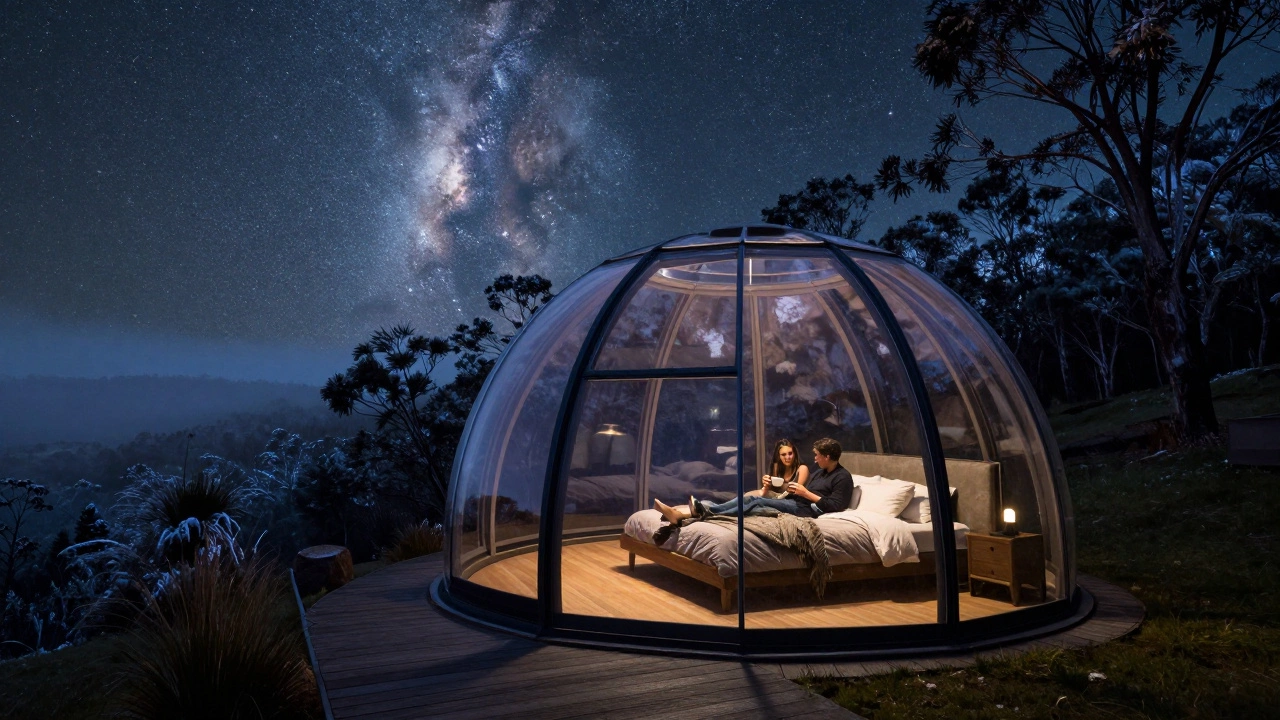
Some places go all out: glass domes with star-view ceilings in the Australian Outback, wooden cabins with saunas near Lake Louise, or vintage Airstream trailers with espresso machines. These aren’t just tents with upgrades. They’re designed experiences.
Glamping vs. Traditional Camping: The Big Differences
Let’s cut through the noise. Here’s how glamping stacks up against regular camping:
| Feature | Glamping | Traditional Camping |
|---|---|---|
| Bedding | Real mattress, sheets, pillows | Sleeping bag on ground or air mattress |
| Bathroom | Private, indoor, flush toilet, shower | Shared facilities, often cold water, portable toilets |
| Power | Electricity available | None or limited solar power |
| Setup | Arrive and relax-everything’s ready | Must pitch tent, bring gear, cook from scratch |
| Cost per night | $150-$800+ | $10-$50 |
Glamping removes the labor. You don’t carry a stove. You don’t fight with tent poles. You don’t wake up with dirt in your socks. You just walk in, turn on the heater, and enjoy the view.
Who Goes Glamping?
It’s not just rich people on vacation. Glamping attracts a wide range of people:
- Parents with young kids who want nature without the chaos of a full camping setup.
- Couples looking for romantic getaways-think candlelit dinners under the stars.
- Retirees who enjoy the outdoors but can’t handle the physical demands of pitching tents.
- First-time campers who are nervous about sleeping outside but want to try it.
- Digital nomads who need Wi-Fi, power, and quiet space to work while surrounded by nature.
In Australia, over 40% of glampers are between 30 and 50 years old. Many book glamping as a reward after a stressful work period. It’s not about roughing it-it’s about recharging.
Glamping Isn’t Just Tents Anymore
When people hear "glamping," they picture a big tent. But the category has grown. Today, glamping includes:
- Yurts-circular, sturdy structures with wooden floors and domed roofs, common in Canada and the U.S.
- Dome tents-transparent or semi-transparent, often with 360-degree views, popular in desert and mountain areas.
- Treehouses-built on platforms, sometimes with elevators, offering privacy and elevation.
- Airstream trailers-retro-modern RVs with sleek interiors, parked in scenic spots.
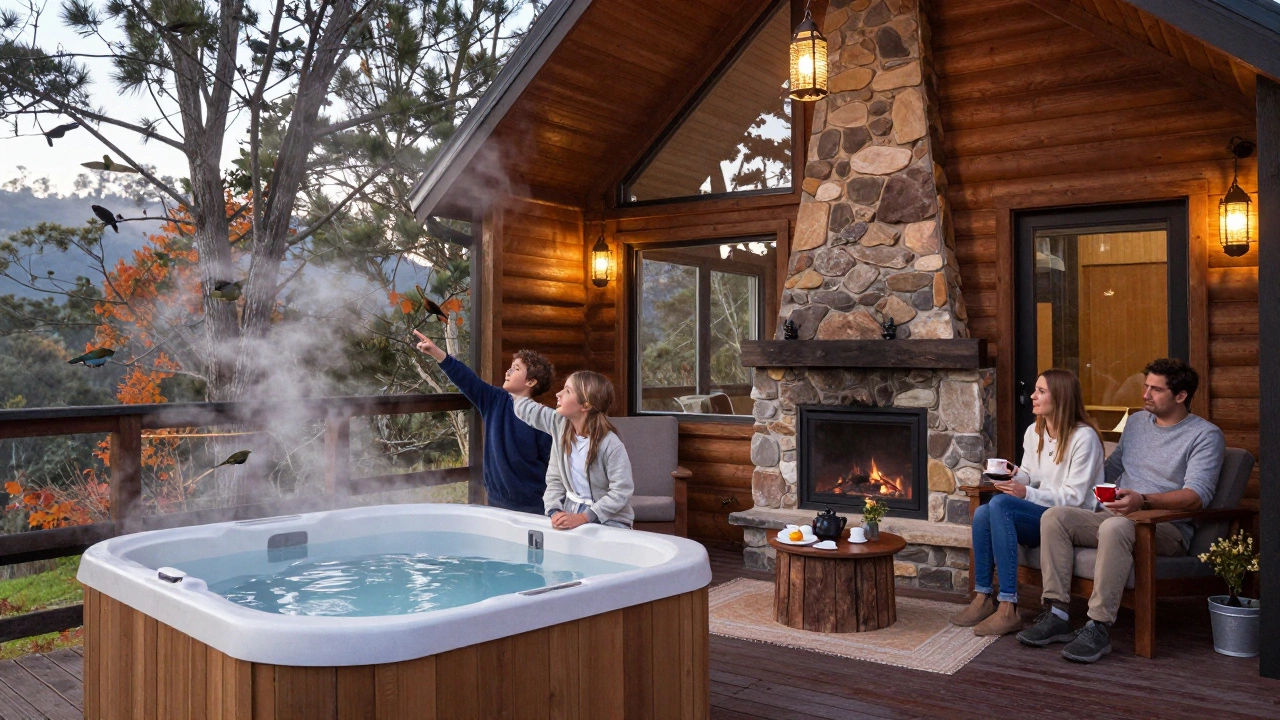
- Log cabins-fully furnished, sometimes with fireplaces and hot tubs, found in forested areas.
- Houseboats-on lakes or rivers, with full kitchens and decks.
Some sites even offer glamping in converted shipping containers or historic wagons. The point isn’t the structure-it’s the comfort, the design, and the experience.
Why Glamping Is Here to Stay
People aren’t just paying for a bed in the woods. They’re paying for connection. Connection to nature, yes-but also connection to peace, to quiet, to time away from screens and noise. Glamping gives you that without the sacrifice.
It’s also more sustainable than you think. Many glamping sites use solar power, composting toilets, and local materials. They often partner with conservation groups. Some even offer guided nature walks or wildlife tracking with local experts.
And unlike hotels, glamping lets you wake up to the sound of birds, not traffic. You can step outside and see the Milky Way without driving 200 kilometers. That’s the magic.
Where to Find Glamping in Australia (2026)
Here are three standout spots:
- Sal Salis Ningaloo (Western Australia): Luxury safari tents on the edge of a coral reef. You can snorkel right from your deck.
- Emu Creek Glamping (New South Wales): Wooden cabins with wood-fired hot tubs, overlooking the Blue Mountains.
- Wanderlust Glamping (Tasmania): Glass dome tents with heated floors and panoramic views of Mount Field National Park.
Booking ahead is key. Popular sites fill up 6-12 months in advance, especially during spring and autumn.
Is Glamping Worth the Price?
Yes-if you value time, comfort, and peace. A night at a glamping site might cost five times more than a campsite. But consider this: you’re not paying for a tent. You’re paying for:
- No setup or teardown
- No grocery shopping or cooking
- No cold showers or port-a-potties
- No stress
For many, it’s the cheapest way to get a true vacation without leaving the country. You don’t need a flight to Bali. You just need a reservation at a glamping site.
Glamping Isn’t Camping-And That’s the Point
Some purists roll their eyes at glamping. "That’s not camping!" they say. And they’re right. It’s not.
But camping doesn’t have to be one thing. If you want to sleep under the stars with a sleeping bag and a campfire, go for it. If you want to do the same but with a warm bed, a latte, and zero effort? That’s glamping. And it’s not pretending to be something else. It’s its own thing.
So if you’re wondering which of the following is also called glamorous camping, the answer isn’t complicated. Glamping is glamorous camping. It’s not a buzzword. It’s a real, growing, and deeply satisfying way to experience the outdoors.
Is glamping the same as glamorous camping?
Yes, glamping is short for glamorous camping. The terms are used interchangeably. Glamping refers to luxury camping experiences that combine outdoor settings with high-end amenities like real beds, private bathrooms, climate control, and on-site services.
Do all glamping sites have electricity?
Most do, but not all. High-end glamping sites almost always include electricity for lighting, charging devices, and climate control. Some remote or eco-focused sites use solar panels or generators instead of grid power. Always check the site’s amenities before booking.
Can families with kids go glamping?
Absolutely. Glamping is one of the most popular ways for families to camp. With real beds, indoor bathrooms, and no need to set up tents, it’s far easier than traditional camping. Many sites offer kid-friendly activities like nature trails, scavenger hunts, or stargazing sessions.
Is glamping more expensive than hotels?
It depends. In remote or scenic areas, glamping can cost the same as a mid-range hotel. In some cases, it’s cheaper than a luxury hotel, especially if you’re looking for a unique experience. You’re paying for location and atmosphere as much as comfort. A $300 glamping night might be less than a $500 hotel room in a national park.
Do I need to bring my own bedding to a glamping site?
No. One of the biggest perks of glamping is that everything is provided. Beds are made, linens are clean, towels are ready. You only need to bring personal items like clothing, toiletries, and maybe a book. Some sites even provide robes and slippers.