Moochdocking Risk Assessment Tool
Plan your setup and see if you're blending in or standing out like a sore thumb.
Risk Analysis: Medium
To put it simply, moochdocking is the practice of camping for free by positioning yourself near people who have actually paid for a campsite or by utilizing unofficial gaps in a designated camping area. It is a cheeky hybrid of stealth camping and social scavenging. Unlike traditional wild camping, where you hide in the woods to avoid detection, moochdocking happens in plain sight. You aren't hiding from the world; you're just blending into a crowd of legitimate campers so that the site warden or park ranger assumes you're part of the group.
The Quick Guide to Moochdocking
- The Goal: Get a prime beach spot without paying the nightly fee.
- The Method: Blend in with paying guests or find "grey areas" of a park.
- The Risk: Getting a fine from local authorities or a stern talking-to from a ranger.
- The Golden Rule: Leave no trace and don't be a nuisance to the people actually paying.
How Moochdocking Actually Works in the Wild
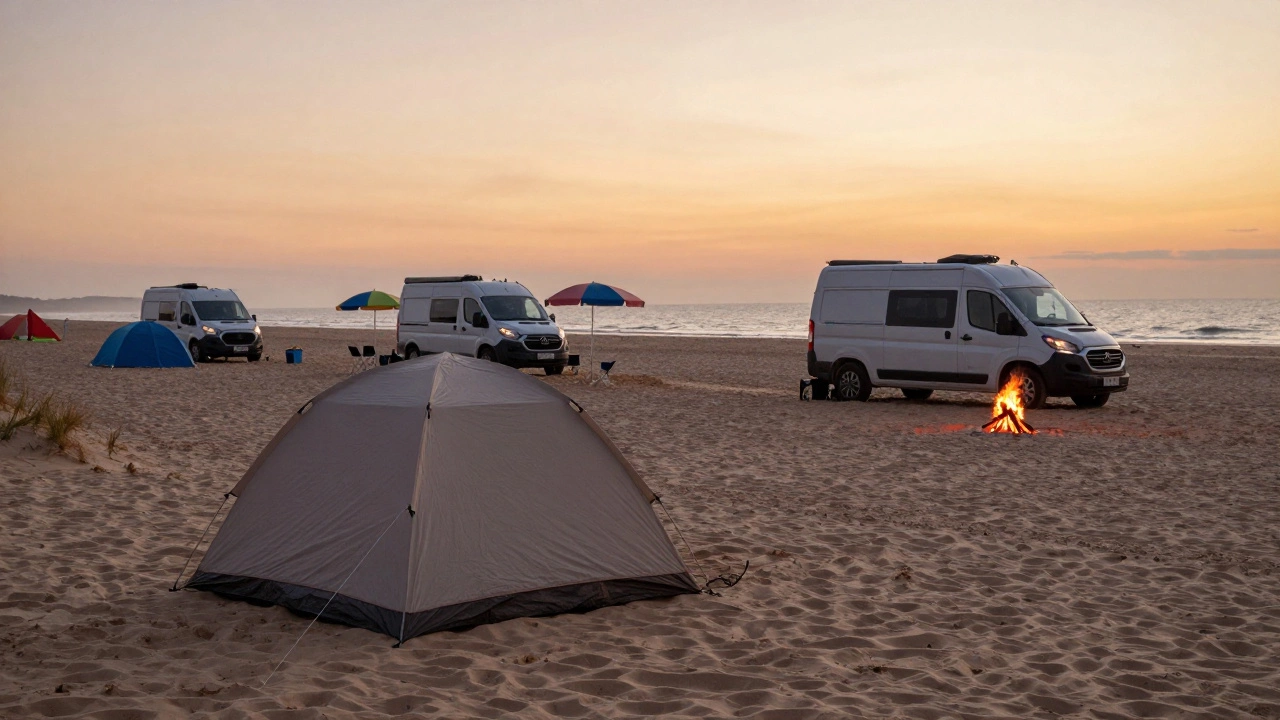
If you've ever spent a weekend at a busy beach campsite, you've probably seen it. There's the official grid of numbered plots, and then there's the "overflow" area where people just seem to exist. Moochdockers target these transition zones. They look for a spot that is technically outside the paid boundary but still close enough to the facilities-like the showers or the beach access path-to be convenient.
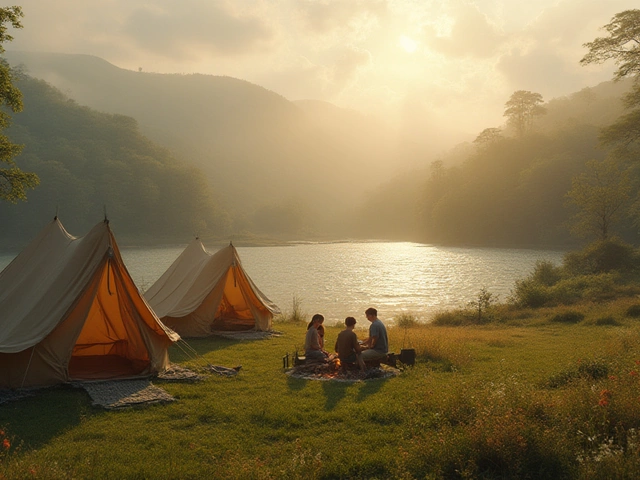
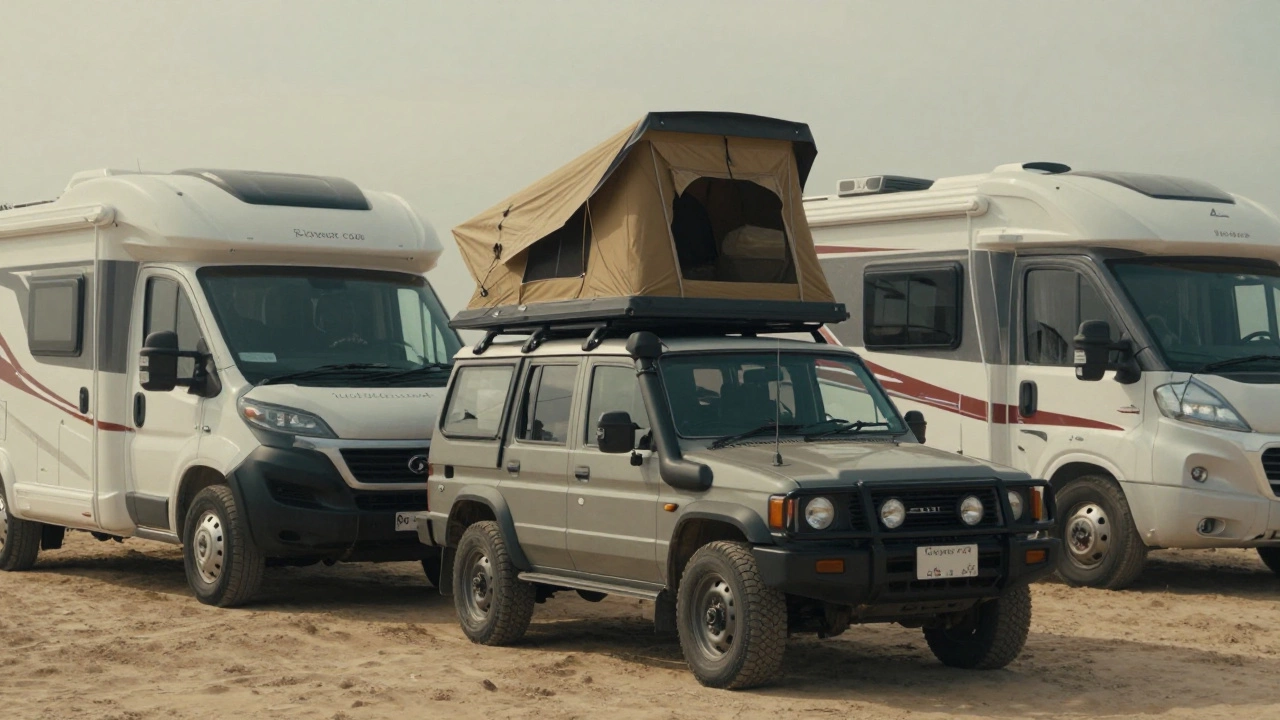
The social aspect is key. A lone tent in the middle of a field looks suspicious. However, a tent nestled between two large Motorhomes looks like part of a traveling party. By clustering near established campers, you create a visual narrative of belonging. If a ranger walks by, they see a group of friends rather than a trespasser. It's a psychological game of "hiding in plain sight."
The Difference Between Moochdocking and Other Camping Styles
It is easy to confuse moochdocking with other forms of free camping, but the intent and location are different. While Wild Camping is about escaping civilization and minimizing impact in remote areas, moochdocking is about accessing the perks of civilization (like a paved road or a nearby beach cafe) without the price tag.
| Feature | Moochdocking | Wild Camping | Stealth Camping |
|---|---|---|---|
| Location | Edge of paid sites | Remote wilderness | Urban/Hidden areas |
| Visibility | High (blending in) | Low (isolated) | Very Low (hidden) |
| Facilities | Close proximity | None | Very limited |
| Legality | Grey area/Risky | Varies by region | Usually illegal |
The Ethics and Unspoken Rules of the Beach Moocher
If you're going to break the rules, you have to be the perfect guest. There is a very thin line between being a "savvy traveler" and being a "nuisance." The fastest way to get kicked out of a beach spot is to act like you own the place. When you aren't paying for the land, you have zero leverage to complain about the noise from the neighbors or the wind blowing your tent over.
First, you must be invisible to the management but helpful to the paying campers. If you see someone struggling with a beach umbrella or a heavy cooler, jump in and help. Making friends with the people who paid for their spots is your best insurance policy. If a ranger asks who you are, a paying guest saying, "Oh, they're with us!" is worth more than any fake excuse you could come up with.
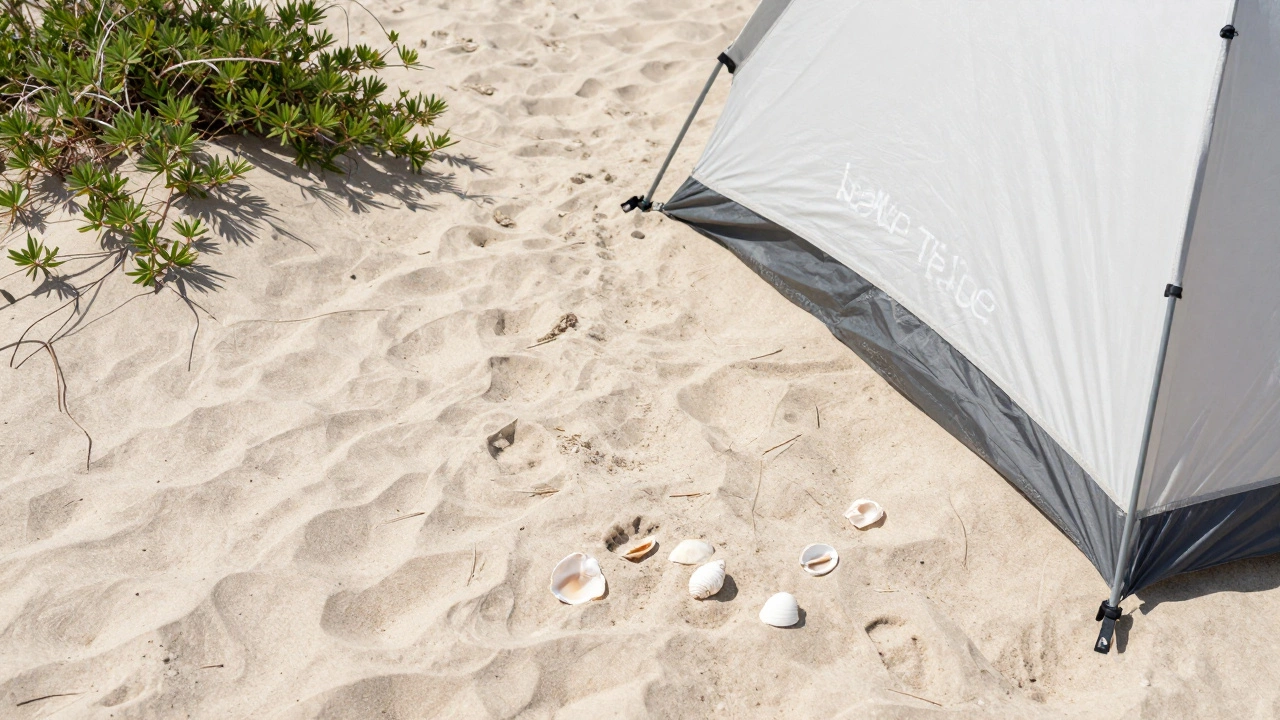
Second, your footprint must be non-existent. We're talking about Leave No Trace principles on steroids. If you leave a single plastic bottle or a stray cigarette butt, you've just given the site manager a reason to patrol that specific area more heavily. The goal is for the site to look exactly the same when you leave as it did when you arrived.
The Risks: When the Plan Goes Wrong
Let's be real: moochdocking isn't a legal right; it's a gamble. Depending on where you are, the consequences can range from a polite request to move along to a heavy fine. In many coastal areas, especially during peak summer months, beach campsites are under heavy surveillance because of the popularity of Campervans and RVs.
The biggest risk isn't actually the law-it's the conflict with other campers. Some people are very protective of their paid space. If you park too close to someone's expensive rig and block their view of the ocean, you're going to have a problem. The "mooch" is only successful if you aren't infringing on someone else's paid experience. If you're taking up space that others would pay for, you're no longer a savvy traveler; you're just an inconvenience.
Pro Tips for a Successful Mooch
If you're determined to try this, timing is everything. Arriving at a site during a shift change for the wardens or during a massive storm when everyone is huddled in their tents is often the best way to slip in unnoticed. Avoid the "golden hour" when the site manager is doing their primary rounds to check for new arrivals.
Keep your gear compact. A massive, bright orange six-person tent is a beacon that says "I don't belong here." A low-profile Roof Top Tent or a small, neutral-colored pop-up tent is much easier to blend into the background. The less you look like a permanent fixture and the more you look like a temporary visitor, the better your chances.
Also, consider the "Half-Way House" strategy. This involves finding a spot that is technically a public road or a public beach strip that happens to border a private campsite. You aren't technically on the paid property, but you're close enough to hear the music and smell the BBQ. This removes the risk of trespassing while still giving you the social vibe of the campsite.
Is Moochdocking Sustainable?
There's a larger conversation here about the cost of outdoor recreation. With beach campsites becoming increasingly expensive, more people are looking for ways to enjoy nature without breaking the bank. However, these sites rely on fees to maintain the bathrooms, clear the trash, and protect the local dunes from erosion.
If everyone mooch-docks, the facilities fail, and the site eventually shuts down or becomes a restricted zone. The sustainable way to do this is to occasionally pay for a few nights to support the infrastructure and then "mooch" for a night or two in between. It's about finding a balance between frugality and contributing to the preservation of the places we love to visit.
Is moochdocking legal?
Generally, no. It's a grey area that usually falls under trespassing or unauthorized camping. While you might not get arrested, you can be fined or asked to leave immediately by landowners or park rangers.
How is it different from stealth camping?
Stealth camping involves hiding your presence entirely, often in urban areas or deep woods. Moochdocking involves blending in with a group of people who are legally allowed to be there, using their presence as a social camouflage.
Can I use the showers if I'm moochdocking?
Technically, you're using a paid service for free. If the showers are open-access, you might get away with it, but if there's a key or a code, trying to sneak in increases your risk of being caught. It's best to keep your needs minimal.
What happens if I get caught?
Most rangers will simply tell you to move on. If you're polite, apologize, and pack up immediately, they rarely issue fines. The trouble starts if you're rude, leave trash, or refuse to leave.
Where are the best places to moochdock?
Look for large, loosely managed beach campsites with plenty of natural fringes, such as scrubland or wide sandy verges, where the boundary between the paid site and public land is unclear.