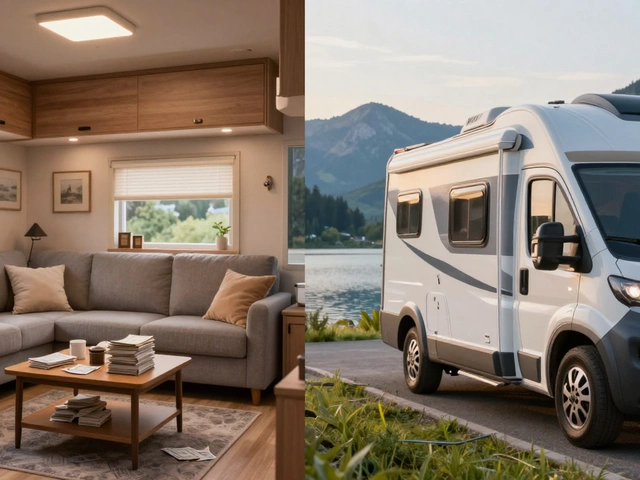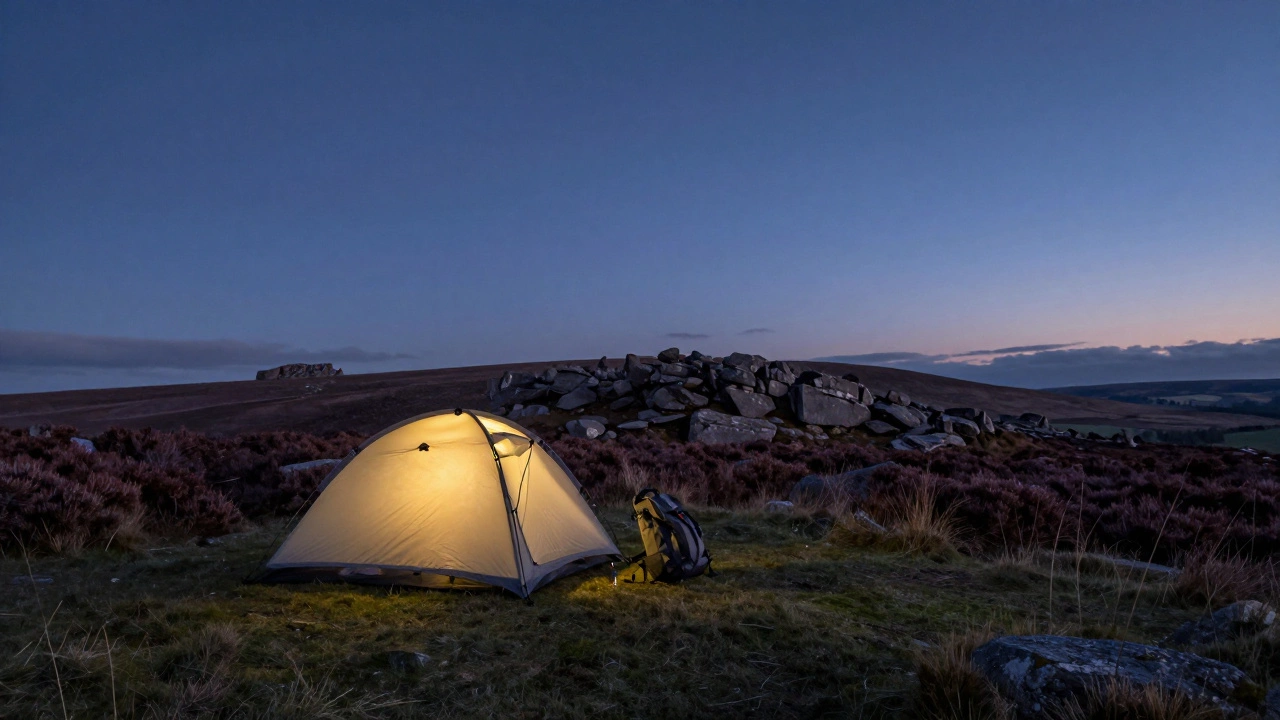
Want to sleep under the stars in England without paying a penny? It’s possible-but not everywhere, and not without knowing the rules. Free camping isn’t a free-for-all. It’s a mix of legal gray areas, local tolerance, and old traditions that still hold weight in certain corners of the country. If you’re planning to pitch a tent, park a van, or just lay out a sleeping bag somewhere quiet, you need to know where it’s allowed, where it’s ignored, and where you’ll get fined.
Free Camping Is Legal in Some Parts of England-But Not All
Contrary to what you might hear, wild camping isn’t outright illegal across England. The law is messy. In Scotland, you have a clear right to camp wild under the Land Reform Act. In Wales, it’s mostly tolerated if you’re discreet. But in England? It’s a different story. Technically, you need landowner permission to camp anywhere. That includes forests, moors, and mountain sides. But in practice, that rule isn’t enforced everywhere-especially in remote areas where landowners don’t care or can’t easily patrol.
There are a few places where free camping is widely accepted, even if it’s not written into law. The Lake District, Dartmoor, and parts of the Peak District are known for it. You won’t find signs saying “Free Camping Here,” but you’ll see tents in the same spots every weekend. Locals know. Rangers often look the other way-if you’re quiet, leave no trace, and don’t stay more than a night or two.
Dartmoor: The Only Place With a Clear Legal Right
Dartmoor National Park is the one exception. Since 1985, the Dartmoor Commons Act gives the public the right to camp on open moorland, as long as you follow a few simple rules. You can’t camp within 100 meters of a road, a building, or a protected archaeological site. You can’t light open fires. You must pack out all your waste-including toilet paper. And you can’t camp in groups larger than six people.
Popular free spots include the area around Hound Tor, the valley near Postbridge, and the moorland above Princetown. These are the places where you’ll find the most campers. You won’t find bins, toilets, or running water-but you also won’t find a fee. Just bring your own supplies, leave nothing behind, and you’ll be fine.
The Lake District: Tolerated, Not Official
In the Lake District, wild camping is technically illegal. But it’s tolerated in practice-if you do it right. The National Park Authority doesn’t encourage it, but they also don’t actively chase people away unless there’s a complaint. The key is to stay high up, away from popular trails and lakeshores. The best spots are on the northern fringes of the park: around Ennerdale, the Honister Pass area, and the fells above Buttermere.
Don’t camp near popular spots like Lake Windermere or Ambleside. Those areas get crowded, and landowners are quick to report trespassers. Stick to the quiet, rocky outcrops. Pitch your tent after dark, leave before sunrise. No dogs, no fires, no trash. If you follow this code, you’ll rarely be disturbed.
Peak District: Know the Zones
The Peak District is split. The Dark Peak (north) has wide moorland where wild camping is common and rarely challenged. The White Peak (south), with its farmland and stone walls, is a different story. Landowners here are more protective, and signs often say “No Camping.”
Stick to the open moors around Kinder Scout, Bleaklow, and the Edale area. These are the traditional spots. You’ll see other campers there, especially on weekends. But don’t camp near the popular hiking trails or near the villages. Stay off the paths. Don’t block gates. And never leave food out-badgers and foxes will find it, and that’s how trouble starts.
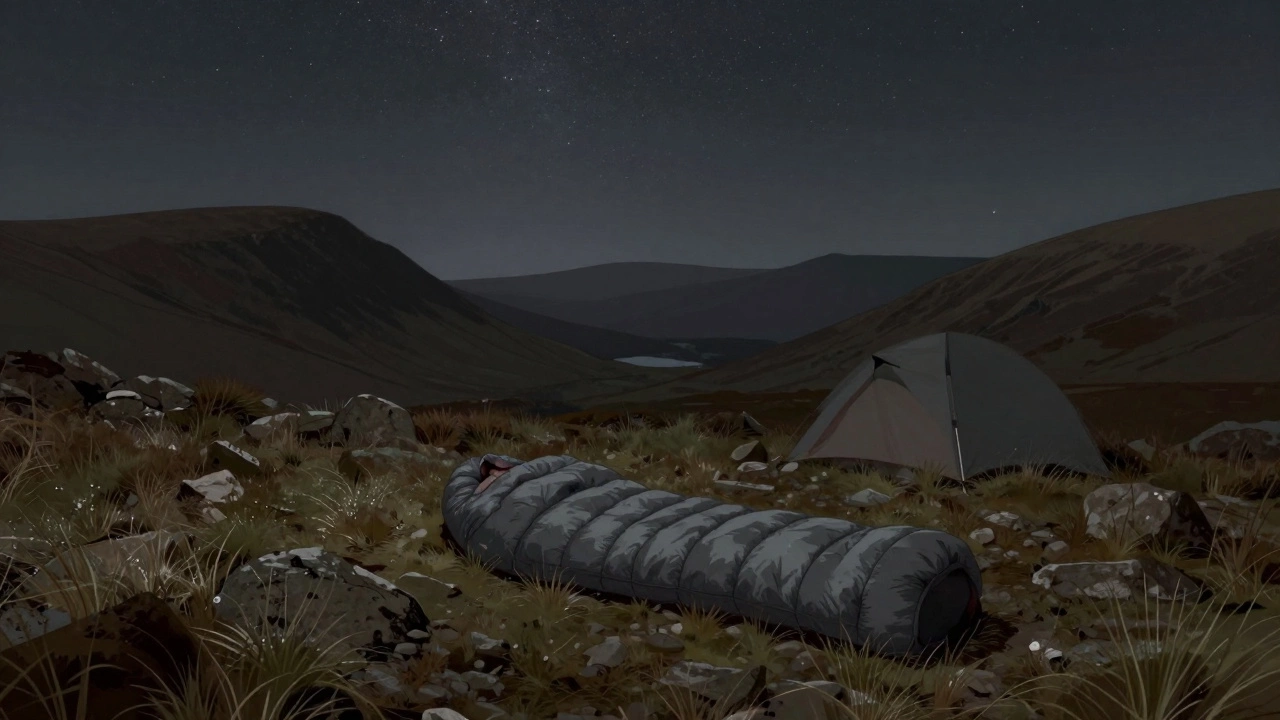
Other Places Where Free Camping Works (If You’re Quiet)
There are other areas where free camping is possible if you’re smart and respectful:
- North York Moors - The open heathland around Rosedale and Farndale is a quiet favorite. No facilities, no crowds.
- Yorkshire Dales - The higher valleys like Swaledale and Wensleydale have remote spots where you can pitch without being seen.
- Forest of Dean - Some parts of the forest, especially near the Welsh border, are used by wild campers. Avoid the main car parks.
- South Downs - The chalk hills near the western end, around Amberley and West Dean, are used by discreet campers. Don’t go near the National Park visitor centers.
None of these places have official free camping zones. But they’re places where people have been doing it for decades-and no one’s stopped them. The rule is simple: be invisible. Arrive late. Leave early. Don’t make noise. Don’t leave a trace.
What Happens If You Get Caught?
Most of the time, nothing. If a landowner or ranger finds you, they’ll usually just ask you to move on. That’s it. You pack up, you leave, and you’re done.
But if you’re loud, messy, or camping in a protected area like a Site of Special Scientific Interest (SSSI), or near a farm, you could be asked to leave immediately. In rare cases, if you refuse or cause damage, you could be issued a fine under the Criminal Justice and Public Order Act 1994. That’s rare-but it happens.
Don’t test it. Don’t camp in the same spot for more than two nights. Don’t bring a big group. Don’t light a fire. Don’t park your van on a public road overnight unless it’s a designated spot. The more you respect the land, the longer this freedom lasts.
What About Motorhomes and Campervans?
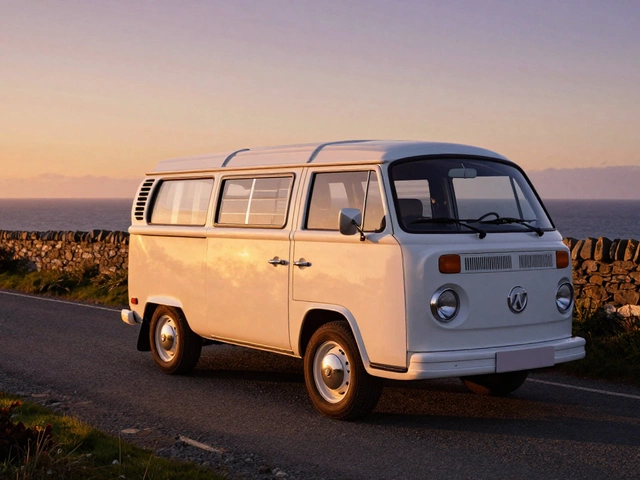
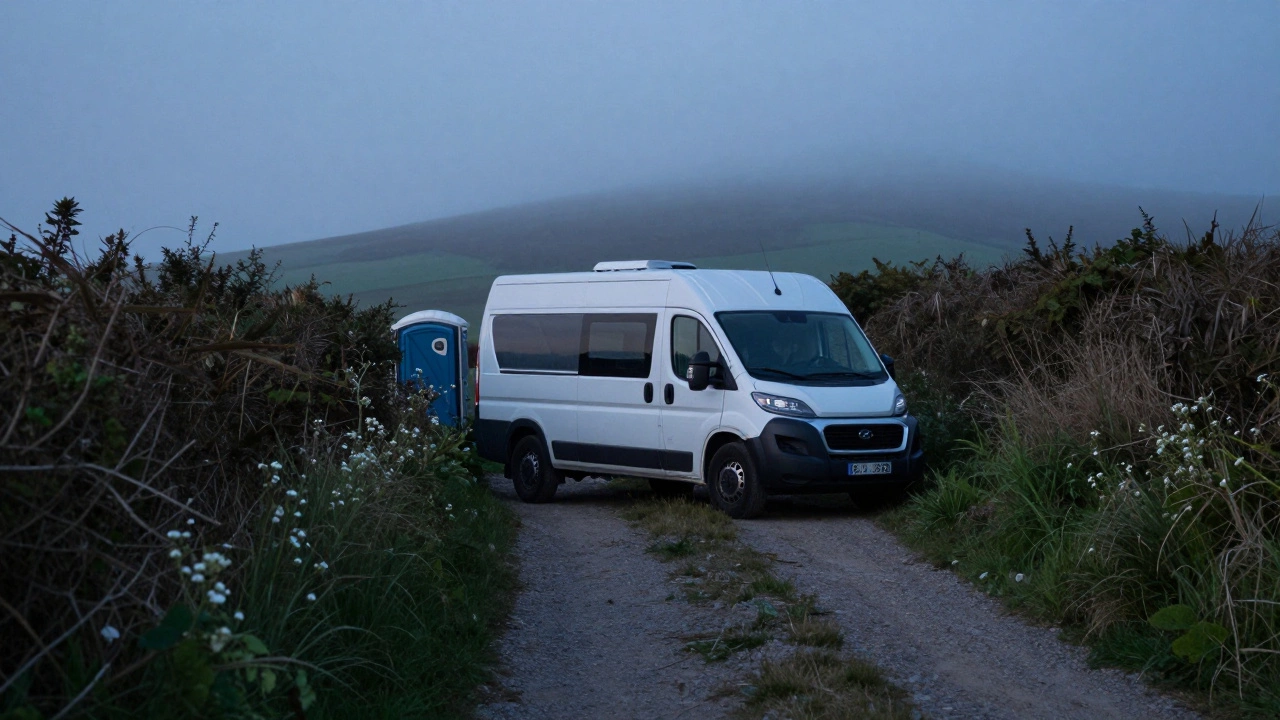
Free camping in a van is trickier. In England, it’s not illegal to sleep in your vehicle on a public road-but parking overnight in the same spot for more than a few hours can be considered “statutory nuisance” under local bylaws. Many towns and villages have signs saying “No Overnight Parking.”
Some places are more forgiving. The Lake District and Dartmoor have quiet laybys and farm tracks where van dwellers park without issue. But in popular areas like the Cotswolds or the New Forest, you’ll get ticketed or towed if you stay too long.
Use apps like Park4Night or iOverlander to find spots where others have parked legally. Look for disused quarry tracks, church car parks (with permission), or remote laybys on minor roads. Never block a gate, a driveway, or a bus stop. And never dump grey water on the ground.
How to Camp Responsibly (The 7 Principles)
Free camping only works if everyone follows the same code. If you’re selfish, you make it harder for everyone else. Here’s what works:
- Leave No Trace - Pack out everything you bring in. That includes food scraps, toilet paper, and cigarette butts.
- Use a Stove, Not a Fire - Open fires damage the land and are a fire risk. Use a gas stove.
- Camp Alone or in Small Groups - No more than 2-3 tents per spot. Large groups attract attention.
- Stay One Night Only - Move on. Don’t settle in.
- Don’t Camp Near Water Sources - Keep at least 60 meters from rivers and lakes to protect wildlife.
- Use a Portable Toilet or Bury Waste Deep - Dig a hole 15-20 cm deep, at least 60 meters from water, and cover it. Never leave waste in the open.
- Be Quiet - No loud music. No shouting. No late-night parties.
Follow these rules, and you’re not just camping legally-you’re helping keep the tradition alive.
What You Should Avoid
There are places where free camping is a bad idea-and you’ll regret it:
- Beach camping - Most beaches are privately owned or protected. You’ll get fined or towed.
- Along major roads - A3, M1, M6, A1. Not safe. Not legal.
- National Trust land - They enforce rules strictly. No exceptions.
- Protected nature reserves - Sites like the Broads or the Norfolk Coast are off-limits.
- Popular tourist spots - Snowdon, Ben Nevis, the Cotswolds. Too many people. Too many complaints.
If you’re unsure, don’t do it. There are plenty of cheap, legal campsites in England for under £10 a night. Why risk it?
When Free Camping Isn’t Worth the Risk
Some people think free camping is about saving money. It’s not. It’s about the experience-the quiet, the stars, the feeling of being alone in nature. If you’re not willing to follow the rules, if you’re only doing it to cut costs, then you’re part of the problem.
There are better ways to camp cheaply. Many local councils run low-cost campsites for under £8 a night. The Camping and Caravanning Club has over 1,000 sites, many under £10. Some are as cheap as £5 if you’re a member. You get toilets, showers, and a safe spot. You don’t need to risk fines or damage the land.
Free camping is a privilege, not a right. Treat it like one.
Is wild camping legal in England?
Technically, no-you need landowner permission. But in practice, it’s tolerated in remote areas like Dartmoor, the Lake District, and parts of the Peak District if you follow the Leave No Trace rules. Dartmoor is the only place with a legal right to camp wild.
Where is the best place to camp for free in England?
Dartmoor National Park is the top choice-it’s the only place with a legal right to wild camp. After that, the Lake District’s northern fells, the Dark Peak in the Peak District, and the North York Moors are popular and tolerated spots. Always camp high, quiet, and alone.
Can I sleep in my van for free in England?
You can sleep in your van on public roads, but not for more than a few hours in the same spot. Many towns ban overnight parking. Look for quiet laybys, disused quarries, or church car parks with permission. Apps like Park4Night show where others have parked legally.
What happens if I get caught wild camping?
Most often, you’ll just be asked to leave. Fines are rare and usually only happen if you’re causing damage, camping in a protected area, or refusing to leave after being asked. Follow the rules, and you won’t have a problem.
Are there any free campsites with facilities?
No. True free camping means no toilets, no water, no bins. If you want facilities, look for low-cost campsites-many cost under £10 a night. The Camping and Caravanning Club offers affordable options with basic amenities.