Camping Sleep Setup Advisor
Select the options that best describe your situation to get a personalized recommendation.
1. Your Dog's Profile
2. Camping Conditions
3. Your Preference
Why this works:
Critical Safety Tips:
You pack the tent, load the cooler, and finally get your pup excited for the weekend trip. But as the sun sets and the temperature drops, you realize you haven't thought about one critical detail: where is that furry co-pilot actually going to sleep? It’s not just about comfort; it’s about safety, warmth, and keeping your campsite peaceful. If you’ve ever watched your dog pace nervously outside the tent or shiver on a cold patch of ground, you know this isn’t a minor oversight.
Finding the right sleeping spot for your dog while camping requires balancing their need for security with the realities of the outdoors. Whether you are staying in a high-end dog friendly campsite or wild camping under the stars, the setup changes everything. Let’s break down the best options, from inside the tent to dedicated kennels, so both you and your dog wake up rested.
The Great Debate: Inside the Tent or Out?
This is the first decision you need to make, and it depends heavily on your dog’s temperament and the weather conditions. There is no single "right" answer, but there are clear pros and cons to each approach.
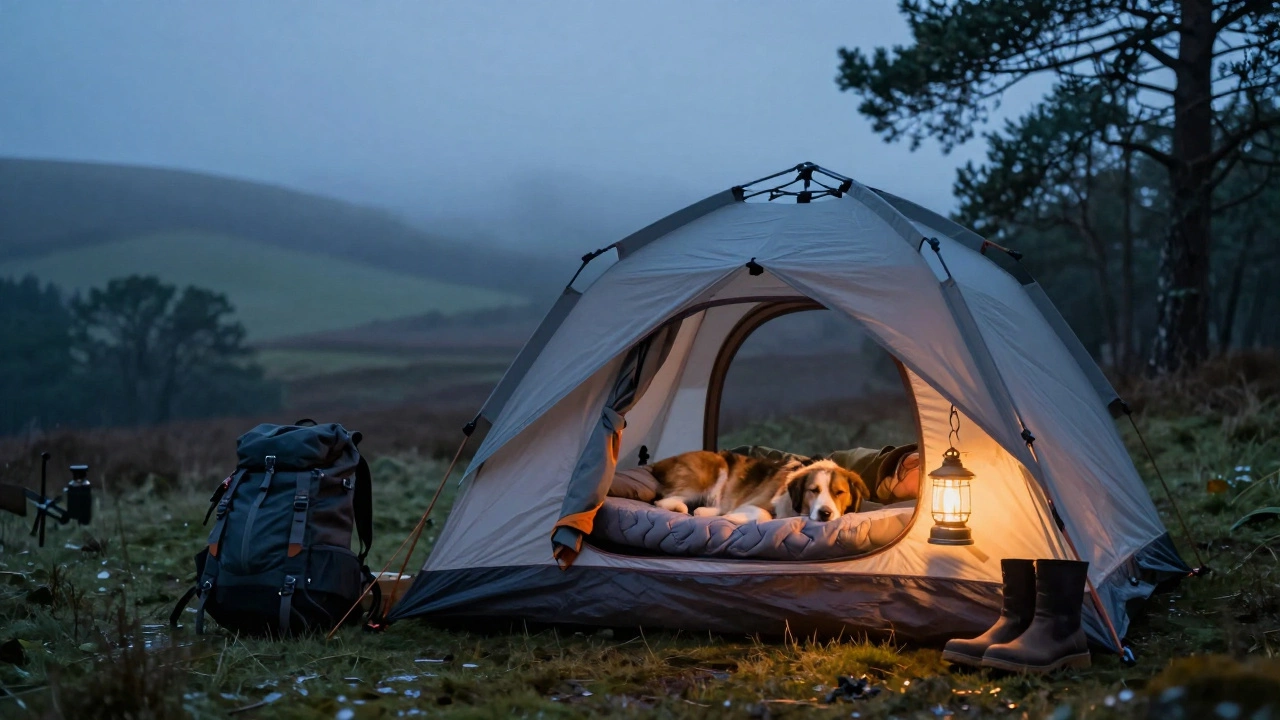
Sleeping Inside the Tent: This is often the preferred method for anxious dogs or those who bond closely with their owners. Having you nearby provides immense psychological comfort. For smaller breeds or puppies, the enclosed space of a tent also offers protection from wind, rain, and potential wildlife encounters like foxes or raccoons. However, tents have limited square footage. You need to ensure your dog has enough room to stretch out without kicking the walls or disturbing your sleep. Plus, if your dog sheds, tracks in mud, or has fleas, a small canvas shelter can become a hygiene nightmare quickly.
Sleeping Outside the Tent: Many experienced campers prefer keeping dogs outside to maintain cleanliness and personal space. This works well for independent, older dogs who enjoy the fresh air. However, leaving a dog unsecured outside poses risks. They might wander off, dig holes, or encounter other animals. If you choose this route, you must provide a secure, comfortable structure-not just a blanket on the dirt.
Top Sleeping Setups for Camping Dogs
If you decide your dog needs their own designated space, here are the most effective setups used by seasoned campers.
1. A Dedicated Dog Tent
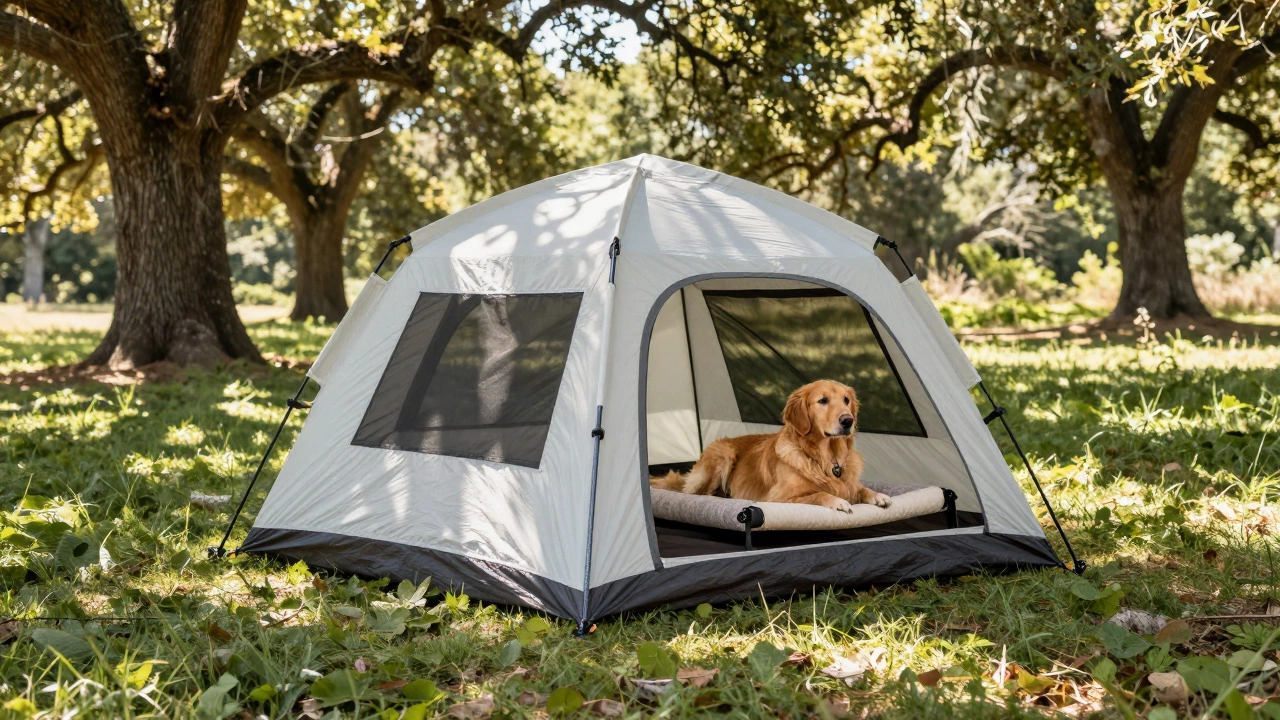
A dog tent is essentially a mini-tent designed specifically for pets. These structures usually feature mesh windows for ventilation and a waterproof floor. They give your dog a sense of ownership and privacy while keeping them contained. Look for models with a raised floor to keep them away from damp ground and insects. Brands like Ruffwear and Kurgo offer durable options that attach directly to your human tent, creating a connected "suite." This allows your dog to be close to you but still have their own bed.
2. The Car Boot or Campervan Space
If you are driving a hatchback, SUV, or van, the trunk area can be an excellent sleeping zone. It’s enclosed, dry, and familiar to the dog because they likely travel there during the drive. To make it work, you need to block off the front seats with a cargo barrier so the dog doesn’t climb into the cabin at night. Add a thick orthopedic bed and some blankets. Just ensure the vehicle is parked securely and the engine is off to prevent carbon monoxide buildup if windows are slightly open for airflow.
3. A Secure Kennel or Crate
For dogs who are crate-trained, a sturdy plastic or metal crate is the safest option. It prevents them from running away and protects them from curious wildlife. Place the crate under the eaves of your tent or near the car door for easy access. Line it with their favorite bedding. The key here is familiarity; if your dog associates the crate with positive rest time at home, they will likely relax in it at the campsite too.
4. The "Attached" Method
Some campers use a bungee cord or a short leash (never a retractable one) to tether their dog to the tent pole or their own wrist while they sleep outside. This keeps the dog within arm's reach but allows them to lie on their own mat. This method requires constant vigilance and is only recommended for calm, non-reactive dogs in safe, populated campsites.
| Option | Best For | Pros | Cons |
|---|---|---|---|
| Inside Human Tent | Anxious dogs, small breeds, bad weather | Security, warmth, bonding | Takes up space, hygiene issues, noise |
| Dog Tent | Medium/large dogs, mild weather | Privacy, containment, ventilation | Cost, bulkier to pack, less closeness |
| Car Trunk | Independent dogs, rainy climates | Dry, familiar, secure | Must park carefully, limited ventilation |
| Crate/Kennel | Crate-trained dogs, safety priority | Maximum security, prevents wandering | Can feel confining, heavy to transport |
Essential Gear for a Good Night’s Sleep
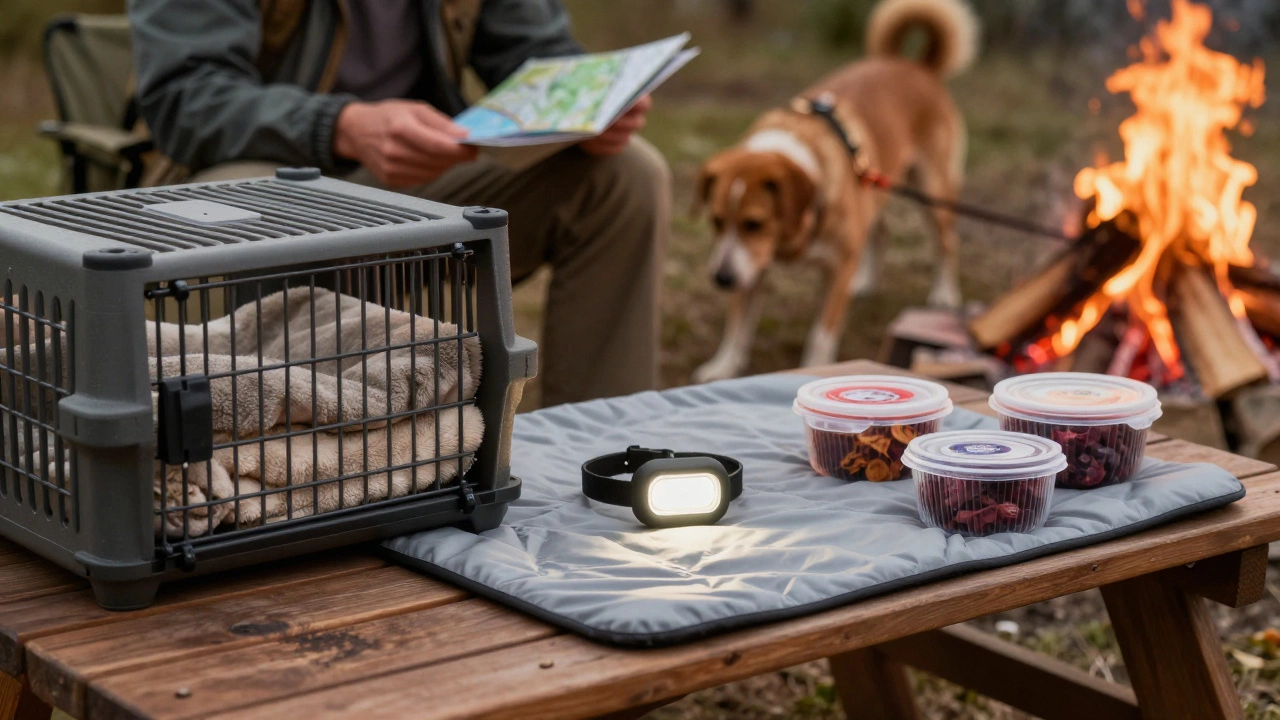
No matter where your dog sleeps, the surface matters. Ground temperatures drop significantly at night, even in summer. A thin towel won’t cut it. Invest in a high-quality camping bed for your dog. Orthopedic foam beds are ideal for older dogs with joint issues, while elevated cot-style beds (like K&H or Fido Friendly) keep dogs cool in hot weather and dry in wet conditions. Always bring extra blankets that smell like home-familiar scents reduce stress.
Don’t forget lighting. A small, battery-operated LED light clipped to the dog’s collar or placed near their sleeping area helps you check on them without blinding yourself with a flashlight. It also signals to other campers that a pet is present, preventing accidental trips over tails or paws in the dark.
Safety First: Protecting Your Pup Overnight
Camping introduces hazards that don’t exist in your backyard. Before settling in, scan the immediate area around your dog’s sleeping spot. Remove any sharp sticks, glass shards, or debris. Check for ticks and burrs regularly, especially after hikes.
Wildlife is the biggest concern. Even in managed dog friendly campsites, animals like squirrels, snakes, or larger predators may roam. Never leave food scraps near your dog’s sleeping area. Store all treats and kibble in sealed containers. If you hear rustling noises at night, it’s better to assume it’s an animal and keep your dog secured.
Temperature regulation is crucial. In winter, add insulating layers beneath the bed. In summer, ensure the sleeping area is shaded and well-ventilated. Overheating is a silent killer for brachycephalic breeds (like Bulldogs and Pugs). If it’s above 25°C (77°F), consider using cooling mats or freezing water bottles wrapped in towels for your dog to lie on.
Training Tips for a Peaceful Campsite
A restless dog ruins the camping experience for everyone. Start training before you leave. Practice sleeping in the tent in your backyard or living room. Gradually increase the duration. Bring along their favorite toys and chew bones to help them settle. Avoid letting them play high-energy games right before bedtime. A tired dog is a good camper, but an overtired, hyperactive dog will bark at every leaf that falls.
If your dog barks at night, address it immediately. Get up, calm them, and redirect their attention. Ignoring barking can reinforce the behavior. Consistency is key. If you allow them on the bed at home, do the same at the campsite. Mixed signals create anxiety.
Choosing the Right Campsite for Your Dog
Not all campsites are created equal when it comes to pets. Some strictly prohibit dogs, while others have specific zones for them. Research ahead of time. Look for sites that offer fenced areas or direct access to trails. In Australia, many national parks require dogs to be leashed at all times, including at the campsite. In the UK, wild camping with dogs is more common but comes with stricter responsibilities regarding waste disposal and livestock avoidance.
Check reviews from other dog owners. Do they mention quiet neighbors? Are there other dogs around? Socializing with other calm dogs can help your pup relax, but aggressive interactions can lead to trauma. Choose a site that matches your dog’s social energy level.
Can I let my dog sleep outside the tent unsupervised?
It is generally not recommended to leave a dog completely unsupervised and untethered outside a tent. Risks include wandering, encountering wildlife, or being startled by noises. If you must place them outside, use a secure crate or a tied-down dog tent in a visible location near your campfire or light source.
What should I do if my dog is afraid of thunderstorms while camping?
Thunderstorms can be terrifying for dogs. If a storm approaches, bring your dog inside your main tent if possible. Use white noise apps or calming pheromone sprays (like Adaptil). Cover part of their bed with a blanket to create a den-like feeling. Stay calm yourself, as dogs pick up on human anxiety.
How do I keep ticks off my dog while camping?
Use a veterinarian-approved tick prevention medication before your trip. After each hike, thoroughly brush your dog’s fur and check skin folds, ears, and between toes. Carry tweezers and know how to remove ticks safely. Avoid tall grass and dense bushes when setting up your sleeping area.
Is it okay to share my sleeping bag with my dog?
Yes, if your dog is small and house-trained. It provides warmth and comfort. However, ensure your sleeping bag is large enough for both of you to move freely. Consider using a liner for easy cleaning. For larger dogs, a separate dog bed placed against your side is a better compromise.
What are the best dog-friendly campsites in Australia?
Australia has many dog-friendly options, particularly in New South Wales and Victoria. Look for sites managed by local councils rather than strict national parks, which often ban pets. Popular areas include the Blue Mountains, Jervis Bay, and coastal caravan parks. Always check specific site rules, as policies vary widely between regions.