Michigan Free Camping Rule Checker
Planning to camp for free in Michigan? Use this tool to check if your plan complies with the Golden Rules of Dispersed Camping.
Compliance Report
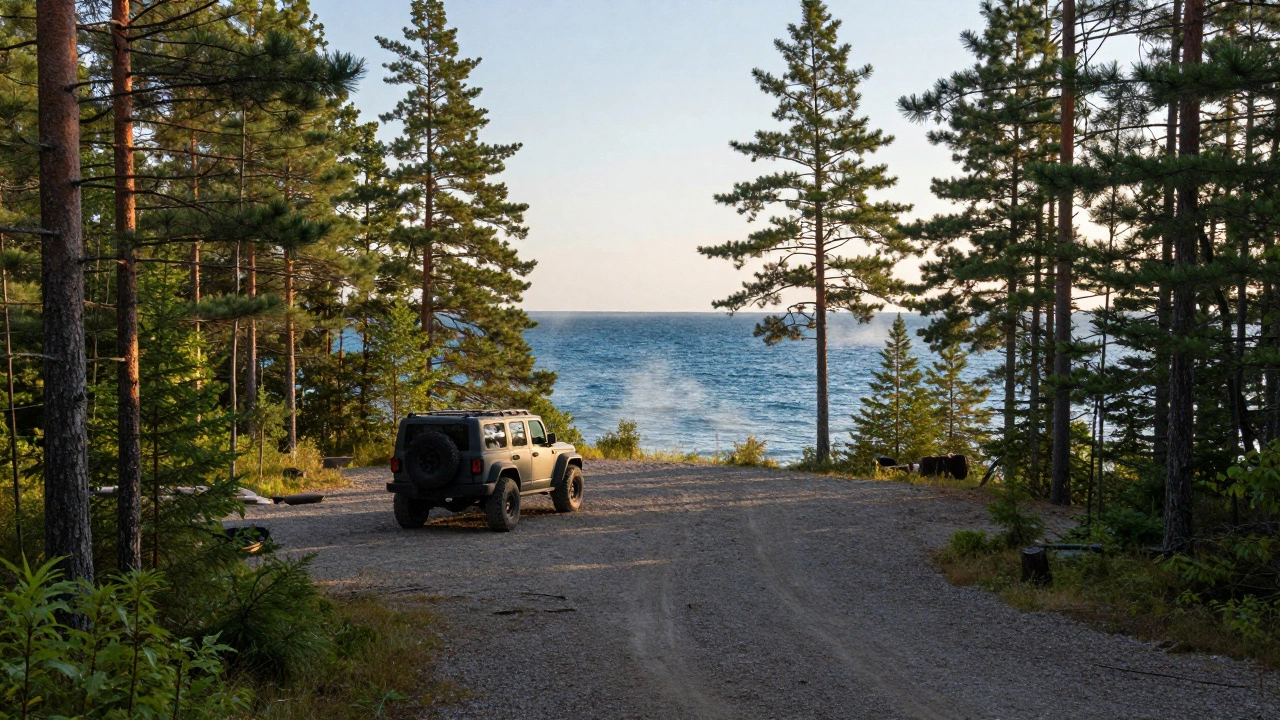
Imagine pulling your rig over to a quiet spot by Lake Superior, setting up camp under the pines, and not paying a dime. It sounds like a dream, but it is also a legal reality if you know where to look. Michigan offers some of the best free camping opportunities in the United States, thanks to its vast network of public lands managed by the Michigan Department of Natural Resources (DNR) and the U.S. Forest Service.
However, "free" does not mean "lawless." There are strict rules about where you can pitch a tent or park an RV. If you set up camp in the wrong place, you risk hefty fines, towing fees, or being asked to leave immediately. This guide breaks down exactly where you can legally camp for free in Michigan, what the rules are, and how to do it responsibly.
Understanding Dispersed Camping in Michigan
Before we get into specific locations, you need to understand the term dispersed camping. In simple terms, this means camping outside of designated campgrounds with no facilities. You will not find toilets, fire rings, picnic tables, or water hookups. You bring everything in and take everything out.
In Michigan, dispersed camping is primarily allowed on:
- National Forests: Large tracts of federal land managed for multiple uses including timber, recreation, and wildlife conservation.
- State Forests: Lands owned by the state of Michigan, often used for timber management and hunting.
- Some County Parks that allow overnight stays in vehicles (though this is less common and varies by county).
It is crucial to note that dispersed camping is generally not allowed in State Parks, National Parks, or Wildlife Management Areas unless there is a specific designated campground. Always check signage upon arrival.
The Golden Rules of Free Camping
If you want to keep these spots open for everyone, you must follow the unwritten code of the road. These rules protect the land and ensure locals don't complain about noise or trash.
- The 14-Day Rule: On most National Forest lands, you can only camp in one location for 14 days within a 30-day period. After that, you must move at least 25 miles away before returning. This prevents people from living full-time in their vans without paying fees.
- Stay 150 Feet from Water: To protect water quality and wildlife habitat, you must set up your tent or vehicle at least 150 feet (about 50 adult steps) away from any lake, river, or stream. This applies to both National and State forests.
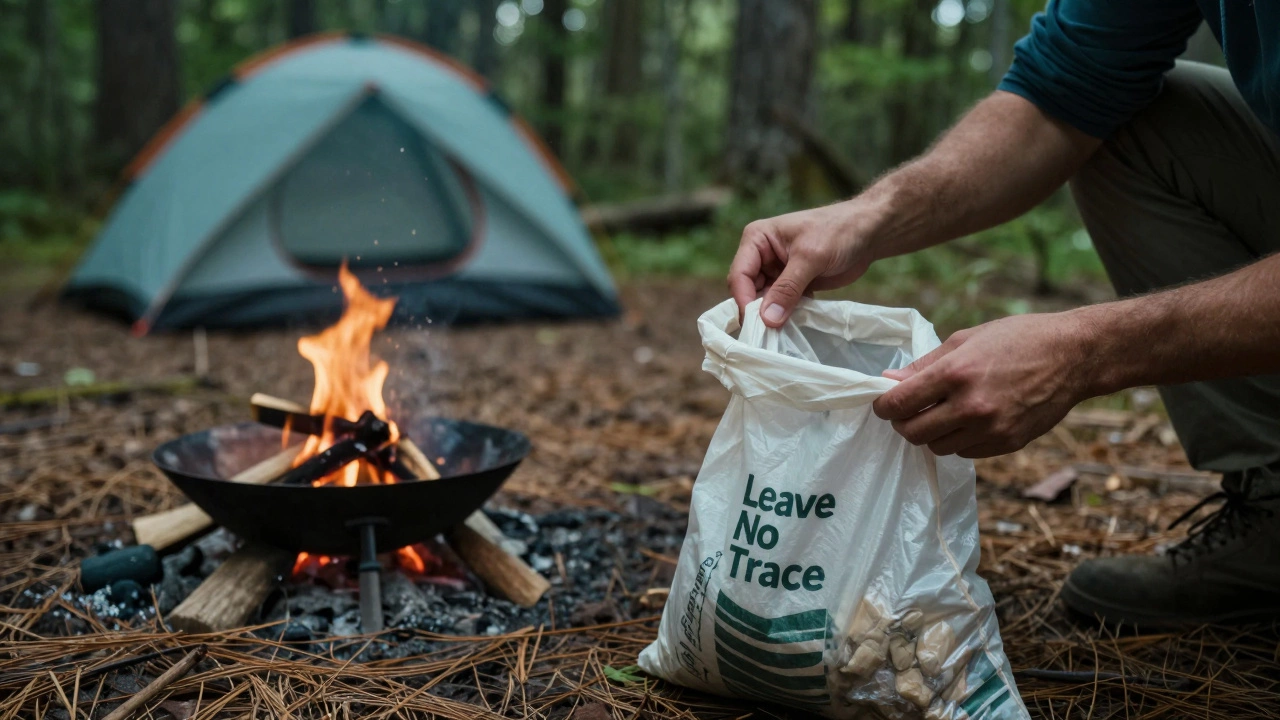
- Leave No Trace: Pack out all trash, including food scraps and toilet paper. Use a portable toilet or dig a cathole 6-8 inches deep at least 200 feet from water if human waste disposal is required. Burned-down fires should be cold to the touch, and ashes should be scattered widely.
- No Alcohol in Some Areas: While alcohol is permitted in many national forests, some state forests prohibit it entirely. Check local regulations before opening that beer.
- Vehicle Access Only: You can usually only access dispersed sites via existing roads or trails. Do not drive off-road to create new campsites, as this damages vegetation and causes erosion.
Top Locations for Free Camping in Michigan's Upper Peninsula
The Upper Peninsula (UP) is the crown jewel for free camping. With dense forests and rugged terrain, it’s perfect for those seeking solitude.
| Location | Land Manager | Key Features | Road Conditions |
|---|---|---|---|
| Huron-Manistee National Forests | US Forest Service | Pristine dunes, sandy beaches, mixed hardwood forests | Mostly paved; some gravel spur roads |
| Otsego National Forest | US Forest Service | Near Lake Superior shoreline, rocky shores, hiking trails | M-26 and M-28 provide good access; side roads may be rough |
| Cheboygan State Forest | MI DNR | Quiet pine stands, close to Cheboygan city amenities | Good gravel roads suitable for cars and small RVs |
| Tahquamenon Falls State Forest | MI DNR | Access to Tahquamenon River, remote feel | Rougher terrain; high-clearance vehicles recommended |
Huron-Manistee National Forests cover a massive area along the western UP and northern Lower Peninsula. Look for pull-offs along M-123 or M-73. The sand here is unique-it’s white quartz, which looks stunning against the green pines. Just remember to stay back from the lakeshores.
Otsego National Forest runs along the Lake Superior shore. The views are dramatic, with waves crashing against ancient rock formations. Roads like M-26 offer numerous pull-outs where you can park for the night. Be aware that winter storms can make these roads treacherous, so stick to summer and early fall visits.
Free Camping Options in Michigan's Lower Peninsula
The Lower Peninsula has fewer vast wilderness areas, but there are still excellent options, particularly in the northern half.
- Manistee National Forest: Located in the northwest corner of the LP, this forest borders Huron-Manistee. It features the Manistee River and plenty of dispersed sites along County Road 600 East. The soil here is sandy, so drainage is usually good.
- Gladwin State Forest: Situated near I-75, this is a convenient stop for travelers heading north. It offers several established dispersed camping areas with pit toilets, making it slightly more comfortable than true wild camping. However, these spots fill up fast on weekends.
- Burt Lake State Forest: Near Grayling, this area provides access to the Au Sable River. It’s popular among hunters in the fall, so expect more activity during hunting season. Outside of that, it’s quiet and secluded.
As you head south toward Detroit and Ann Arbor, free camping becomes much harder. Most public lands are fragmented or developed. Your best bet in southern Michigan is to look for Walmart parking lots that allow overnight parking (always ask the manager first) or use apps like iOverlander to find user-reported friendly businesses.
What About Wild Camping on Private Land?
Michigan does not have a "right to roam" law like Scotland or Sweden. You cannot simply walk onto private property and set up camp. Doing so is trespassing and can lead to criminal charges.
If you want to camp on private land, you must get explicit permission from the landowner. Platforms like Hipcamp or Airbnb connect you with private landowners who rent out space. While this isn’t always free, some hosts offer low-cost options or trade work for accommodation.
Another option is Boondocking on Bureau of Land Management (BLM) land-but wait, Michigan has no BLM land! All federal land in Michigan is either National Forest, National Park, or Tribal land. So, stick to the DNR and USFS guidelines.
Seasonal Considerations and Safety
Michigan’s weather changes rapidly. Even in June, temperatures can drop significantly at night, especially near large bodies of water like Lake Superior. Bring warm layers regardless of the forecast.
Tick Season: From April through October, ticks are active. They carry Lyme disease and other illnesses. Wear long pants, tuck them into your socks, and use insect repellent containing DEET or picaridin. Check your body thoroughly after spending time in the woods.
Wildlife: Black bears are common in the UP and northern LP. Never leave food unattended in your car or tent. Use bear-proof containers or hang food bags from trees at least 10 feet high and 4 feet out from the trunk. Moose are also present in the far north; give them plenty of space as they can be unpredictable.
Winter Camping: Dispersed camping in winter is possible but challenging. Snow covers the ground, making it hard to find flat spots. Roads may be unplowed. If you’re experienced, winter offers incredible solitude. If you’re new to camping, stick to summer months.
How to Find Specific Sites Using Technology
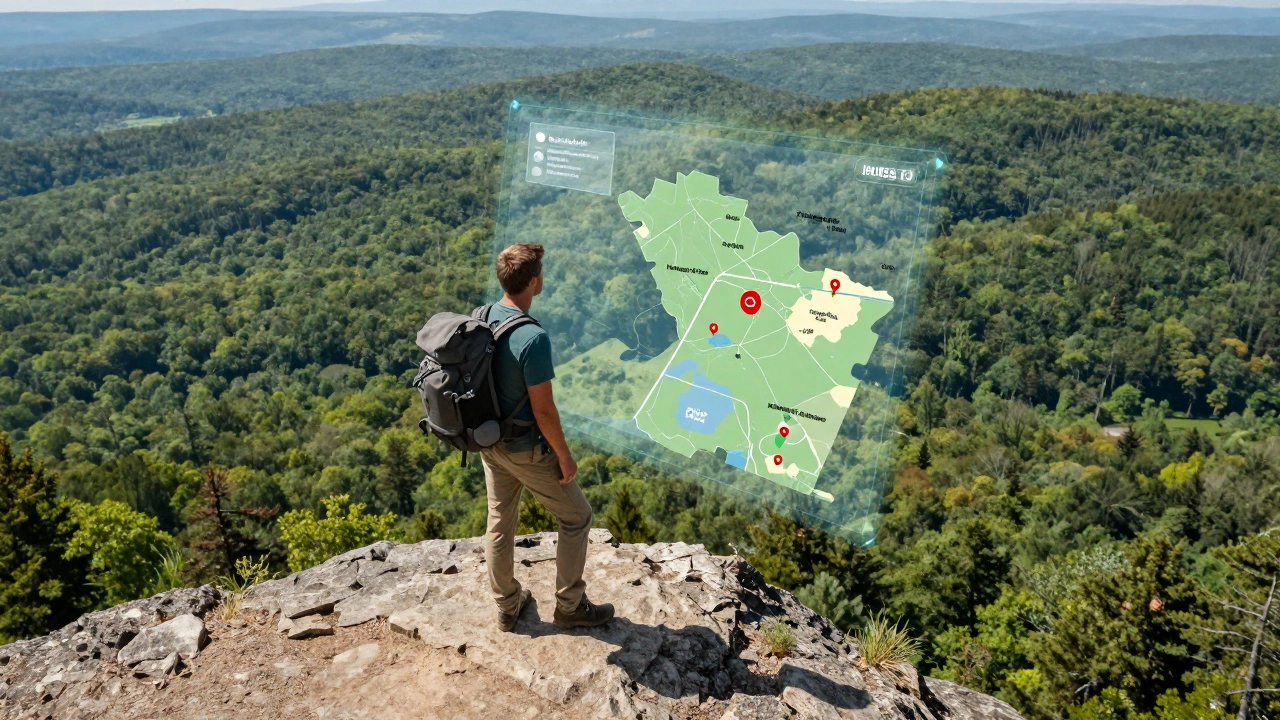
You don’t need to guess where to go. Several tools can help you locate legal free camping spots:
- OnX Offroad App: This app shows public vs. private land boundaries clearly. It’s invaluable for ensuring you’re not trespassing. You can see exactly where National Forest land begins and ends.
- iOverlander: A community-driven app where users report free camping spots, including Walmart lots, truck stops, and dispersed sites. Read recent reviews to confirm if a spot is still available and safe.
- Recreation.gov: While mostly for paid sites, it sometimes lists free dispersed zones within National Forests. Check the "Amenities" section for "Dispersed Camping Allowed."">
- Michigan DNR Map: The official DNR website offers interactive maps showing State Forests and designated dispersed camping areas. Download these maps offline before heading out, as cell service is spotty in many rural areas.
Common Mistakes to Avoid
New campers often make these errors:
- Camping too close to developed campgrounds: Don’t set up just outside the fence of a paid campground. Rangers view this negatively, and it creates conflict with paying customers. Go deeper into the forest.
- Ignoring local ordinances: Some counties have stricter rules than the state. For example, certain townships ban overnight parking in vehicles altogether. Check county websites if you’re camping near residential areas.
- Leaving traces behind: Even biodegradable items like banana peels take months to decompose in cool climates. Take everything home.
- Assuming all pull-offs are legal: Some roadside pull-offs have signs saying "No Overnight Parking." Respect these signs. They are often placed there due to safety concerns or past complaints.
Final Thoughts on Ethical Free Camping
Free camping in Michigan is a privilege, not a right. By following the rules and respecting the land, you help preserve these resources for future generations. The beauty of the UP’s forests and the serenity of Lake Superior’s shores are worth protecting. Plan ahead, travel light, and leave no trace. Your kindness today ensures that tomorrow’s camper will find the same pristine wilderness you enjoyed.
Is dispersed camping allowed in all Michigan State Parks?
No, dispersed camping is generally prohibited in Michigan State Parks. You must stay in designated campgrounds. However, some State Forests managed by the DNR do allow dispersed camping in specific areas.
Can I camp for free on Lake Superior beaches?
You can park and sleep in your vehicle on some National Forest lands near Lake Superior, but you cannot set up tents directly on the beach. You must stay at least 150 feet inland from the water's edge to protect nesting birds and sensitive habitats.
Are there any fees for dispersed camping in National Forests?
No, dispersed camping in National Forests is free. However, if you plan to engage in commercial activities or bring large groups, you may need a special use permit. For standard recreational camping, no fee is required.
What happens if I get caught camping illegally?
If you are found camping in a prohibited area, you may receive a warning, a fine ranging from $50 to $500, or both. Repeat offenses can lead to higher penalties. Rangers prioritize education, so they will often ask you to move if you’re unaware of the rules.
Is it safe to camp alone in Michigan's forests?
Yes, solo camping is generally safe if you prepare properly. Inform someone of your plans, carry a fully charged phone and power bank, bring appropriate gear for the weather, and stay on marked trails when exploring. Awareness of wildlife and tick prevention is key.
Can I use a generator in dispersed camping sites?
Generators are typically allowed in National Forests but should be used quietly and sparingly to respect other visitors. In State Forests, check local regulations as some areas restrict noise levels. Always practice Leave No Trace principles.
Are pets allowed in dispersed camping areas?
Yes, pets are allowed in most dispersed camping areas in Michigan. However, they must be kept on a leash no longer than six feet at all times. You are responsible for cleaning up after your pet and ensuring it does not disturb wildlife or other campers.