RV Park Cost Estimator
Understand where your money goes. This tool breaks down the base rate plus common add-ons to give you a realistic nightly estimate based on current market trends.
Select options and click Calculate to see your estimated nightly rate.
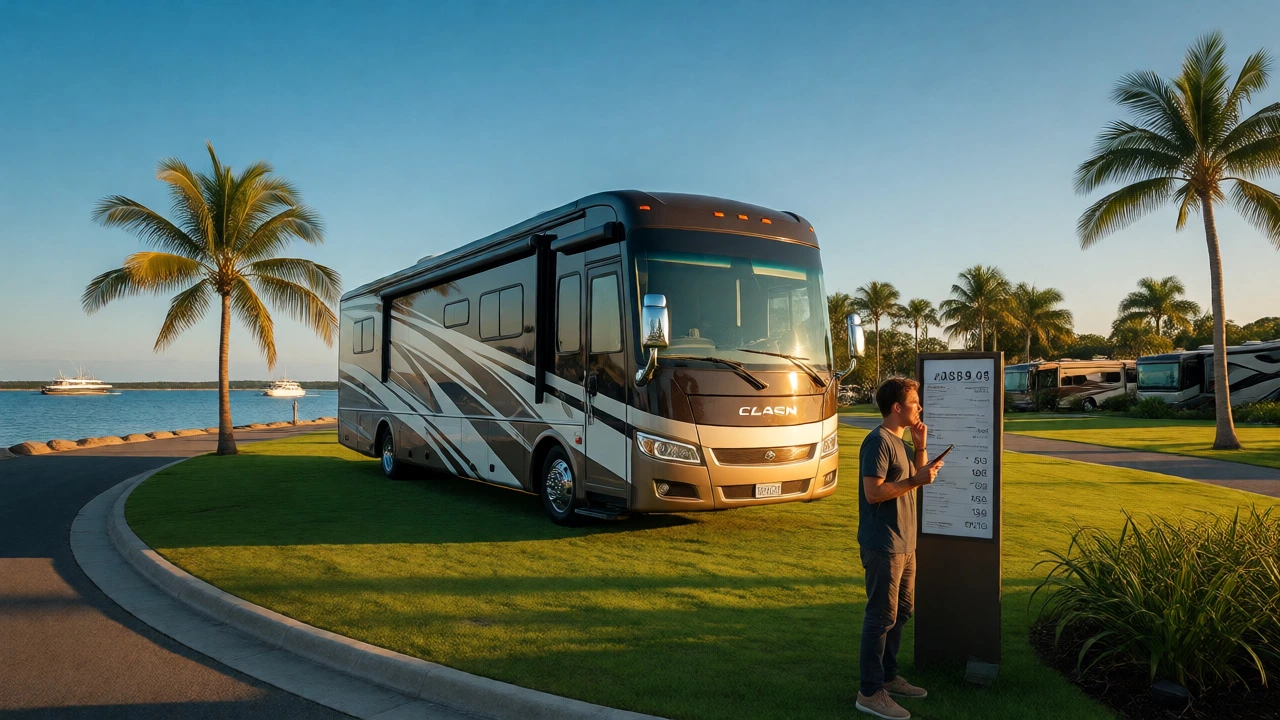
You pull up to a stunning waterfront RV park in Queensland, ready to relax after a long drive. Then you see the nightly rate: $85 for a basic powered site. Your jaw drops. Is this place made of gold? Why does parking your motorhome cost more than some city hotels? You are not alone in feeling sticker shock. The price tags on modern motorhome sites have climbed steeply over the last decade, leaving many travelers scratching their heads.
The truth is, those fees aren't just padding the owner's pocket. They cover a complex web of infrastructure, land value, and operational realities that most campers never see. Understanding where your money goes helps you budget better and choose campsites that actually deliver value. Let’s break down the real reasons behind those hefty bills.
Key Takeaways
- Infrastructure Overhead: RV parks require expensive utilities like high-amperage power, sewer connections, and water lines for every single pitch, unlike standard camping grounds.
- Land Value & Location: Prime locations near tourist hubs or coastlines command higher lease prices, which are passed directly to guests.
- Labor & Maintenance: Cleaning amenities, maintaining pools, and managing grounds requires significant staff hours, especially in peak seasons.
- Amenity Creep: Modern expectations for Wi-Fi, heated pools, and dog parks have turned basic campsites into resort-style operations with higher operating costs.
- Insurance & Liability: High liability risks associated with large vehicles and family groups drive up insurance premiums significantly.
The Hidden Cost of Infrastructure
When you compare an RV park to a free bush campsite, the difference isn't just about scenery-it's about engineering. A standard tent site needs flat ground. A powered motorhome site needs a robust electrical grid, pressurized water lines, and often a full sewer connection. Installing these utilities across dozens or hundreds of pitches costs tens of thousands of dollars per acre.
Maintaining this infrastructure is even pricier. Electrical pedestals corrode from salt air or heavy rain. Water pipes burst during frost (in cooler climates) or freeze-thaw cycles. Sewer lines clog. Every repair requires specialized tradespeople, not just general handyman labor. If a park has 100 sites, replacing ten faulty electrical posts can wipe out a week’s worth of revenue. These capital expenditures are baked into your nightly rate because the park must recoup them before making a profit.
Furthermore, modern RVs draw significant power. Older parks built for small caravans now need upgrades to support 30-amp or 50-amp hookups for larger Class A motorhomes. This upgrade path involves trenching new cables and upgrading transformers, costs that rarely get subsidized by government grants for private operators.
Land Value and Location Premiums
Real estate principles apply heavily here. An RV park located within walking distance of a major attraction-like the Gold Coast theme parks or Sydney Harbour-occupies prime commercial land. The opportunity cost for the landowner is huge. They could potentially subdivide that land for housing or sell it to developers. To justify keeping it as a campground, the nightly rates must reflect the underlying property value.
This is why rural inland parks often feel cheaper than coastal ones. In remote areas, land is abundant and cheap. But once you move closer to urban centers or iconic natural landmarks, demand spikes while supply remains fixed. Park owners leverage this scarcity. If you want to wake up next to a national park trailhead, you pay a premium for that convenience. It’s simple economics: high demand plus limited supply equals higher prices.
| Location Type | Average Nightly Rate (AUD) | Primary Cost Driver |
|---|---|---|
| Remote Bush Camp | $0 - $15 | Minimal maintenance, no utilities |
| Rural Town Park | $35 - $50 | Basic facilities, low land cost |
| Tourist Hub / Coastal | $70 - $120+ | High land value, high demand, extensive amenities |
| Luxury Resort Style | $150 - $300+ | Resort-level services, concierge, premium views |

Amenities Have Become Expectations
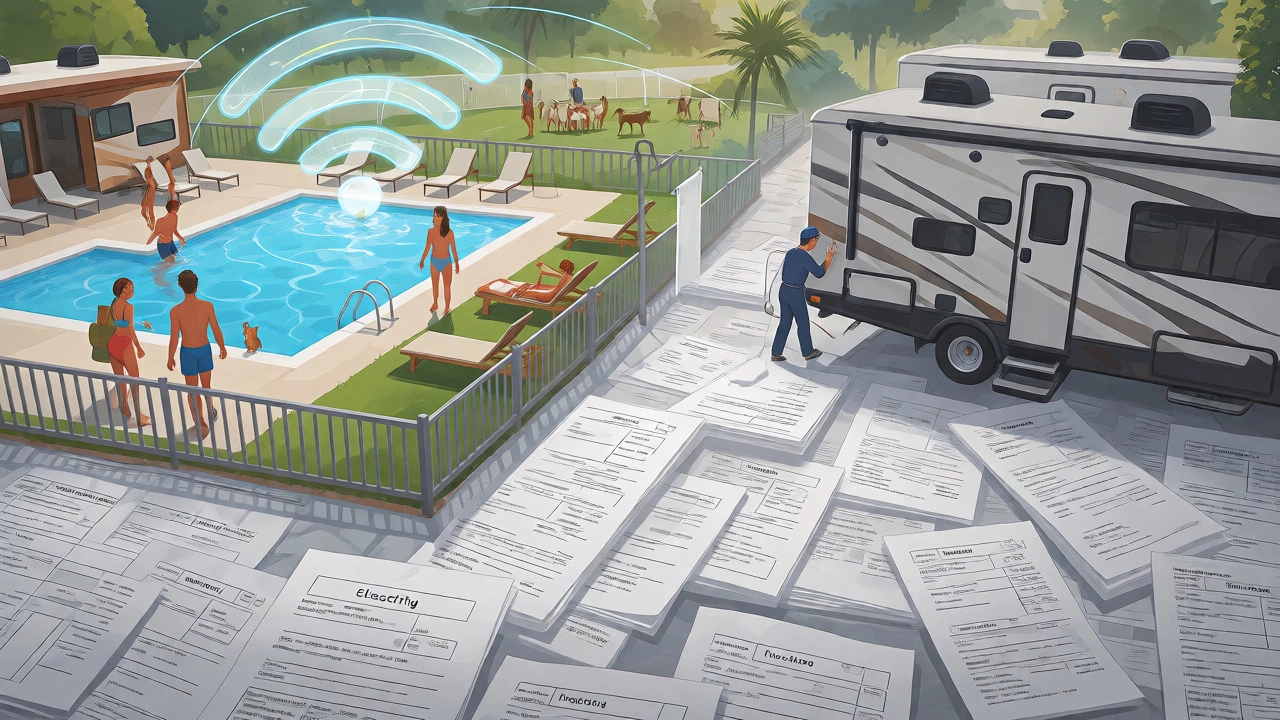
Twenty years ago, a clean toilet block and a shower were enough. Today, if a park doesn’t offer fast Wi-Fi, a swimming pool, laundry facilities, and maybe a dog park, it’s considered outdated. This phenomenon is known as "amenity creep." Travelers, accustomed to hotel standards, expect similar comforts when paying comparable prices.
Providing these amenities is expensive. Heated pools require energy-intensive pumps and filters. Laundry machines consume water and electricity. Staff must clean these areas multiple times a day to maintain hygiene standards. Moreover, offering reliable internet in remote areas often requires installing satellite dishes or fiber-optic lines, which come with substantial monthly subscription fees and hardware costs. When you pay $90 a night, part of that fee covers the IT guy who keeps the router running so you can stream Netflix.
Some parks also add "extras" like cable TV hookups, picnic table replacements, or landscaping enhancements. While nice, these features increase the baseline operational cost. Even if you don’t use the pool, its existence raises the average cost per site because the maintenance burden is spread across all guests.
Labor Intensity and Staffing Challenges
Campgrounds are labor-intensive businesses. Unlike a hotel where guests stay in rooms, RV parks involve outdoor spaces that require constant attention. Groundskeepers mow lawns, trim hedges, and clear debris daily. Cleaners sanitize ablution blocks several times a day. Front desk staff manage check-ins, answer questions, and handle complaints. During peak season, these tasks multiply exponentially.
In Australia, labor laws mandate fair wages, superannuation, and penalty rates for weekends and public holidays. With the current tight labor market, finding reliable staff is difficult and costly. Many parks struggle to hire enough cleaners or maintenance workers, leading to overtime payments. These wage pressures directly impact the bottom line. If a park spends 40% of its revenue on payroll, they cannot lower rates without cutting corners on service quality-which usually leads to bad reviews and fewer bookings.
Additionally, security is a growing concern. Large motorhomes attract theft attempts. Some parks invest in gated entries, CCTV systems, and overnight security guards. These measures add layers of complexity and cost to operations but are deemed necessary to protect guest property and peace of mind.
Insurance and Liability Risks
Running an RV park involves significant liability exposure. Guests bring children, pets, bicycles, and cooking equipment. Accidents happen. Slip-and-fall claims in wet shower blocks, injuries around fire pits, or damage caused by vehicle maneuvering are common legal headaches. Insurance premiums for hospitality businesses have risen sharply in recent years due to increased litigation costs and weather-related claims.
Park owners must carry comprehensive public liability insurance. If a tree branch falls on a motorhome during a storm, the park might be liable if negligence is proven. To mitigate risk, owners invest in regular tree trimming, pathway repairs, and safety signage. These preventative measures cost money but prevent catastrophic lawsuits. The insurance premium itself is a fixed overhead that must be covered by nightly rates, regardless of occupancy levels.
How to Find Better Value
Knowing why prices are high helps you navigate them. You don’t have to accept the highest rate everywhere. Here are strategies to keep your trip affordable:
- Book Off-Peak: Prices drop significantly outside school holidays and summer months. Mid-week stays are often cheaper than weekends.
- Look for Non-Electric Sites: If your rig has sufficient battery capacity, skipping electric hookups can save $10-$20 per night.
- Consider Membership Clubs: Organizations like Big4 Holiday Parks or local camping clubs offer discounts for members, sometimes up to 15% off standard rates.
- Check Private Land Options: Platforms connecting farmers with campers often offer lower-cost spots without the resort-style overhead.
- Stay Longer: Many parks offer weekly rates that are substantially lower than seven times the nightly rate.
Are all RV parks owned by large corporations?
No. While large chains like Big4 or Top Touring Parks operate many sites, a significant portion of Australian RV parks are still family-owned independent businesses. However, corporate parks often benefit from economies of scale in purchasing and marketing, which can influence pricing structures differently than independents.
Do I really need a powered site?
It depends on your setup. If you have a small camper van with a lithium battery system and solar panels, you might go days without needing shore power. For larger motorhomes running air conditioning or multiple appliances, a powered site is essential. Always check your rig's power consumption before deciding to save money on unpowered pitches.
Why do some parks charge extra for dogs?
Pets cause additional wear and tear on grounds and require more frequent cleaning of shared areas. There is also a liability risk regarding bites or disturbances to other guests. The pet fee helps offset the extra cleaning labor and potential damage repairs.
Is it cheaper to buy a park model instead of staying in a motel?
For short trips, motels can sometimes be competitive if you factor in fuel and food costs. However, for extended stays, owning or renting a park model at an RV park is generally more cost-effective. You gain kitchen facilities to cook meals, saving significantly on dining out, and you avoid the high per-night rates of urban hotels.
What affects RV park prices the most?
Location and seasonality are the two biggest factors. Proximity to major attractions drives base rates up, while peak travel seasons (summer and school holidays) surge demand, allowing parks to raise prices dynamically based on availability.