Wild Camping Legality Checker
Check if wild camping is legal in your location
Enter any location in England to see if wild camping is permitted and what rules apply
Key Information
Only Dartmoor allows legal wild camping under strict rules: no fires, stay at least 100m from roads, maximum 5 people, leave no trace, and stay no longer than two nights. Everywhere else is illegal.
Important: Even in areas where wild camping is legal, you must follow local rules to avoid fines or removal.
Wild camping in England isn’t just discouraged-it’s illegal in most places. If you’ve ever pitched a tent under the stars in the Lake District, the Peak District, or the Yorkshire Dales, you’ve broken the law. Not because you were reckless, but because the rules haven’t changed since the 1800s. And that’s the core of the problem.
What Exactly Counts as Wild Camping?
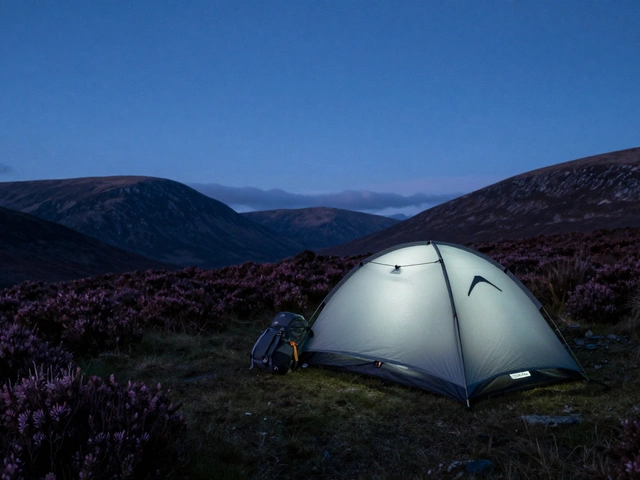
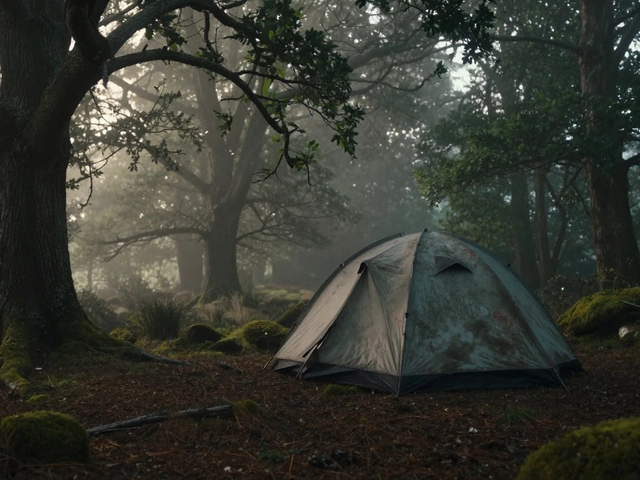
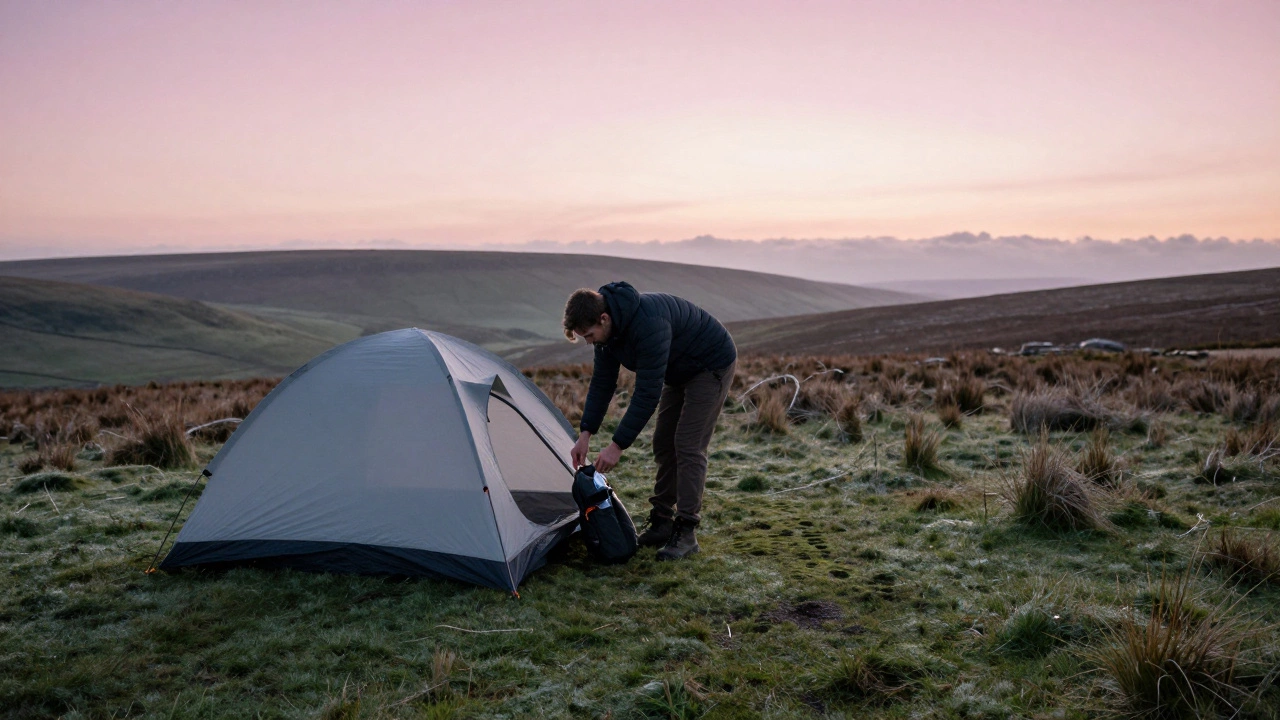
Wild camping means setting up camp outside of designated campsites-no facilities, no fees, no permission. You’re not staying at a caravan park or a campsite with toilets and showers. You’re sleeping in a remote field, on a moor, or beside a lake, far from roads and people. It’s quiet. It’s cheap. It’s the way generations of hikers and backpackers used to experience the countryside.
In Scotland and parts of Wales, wild camping is legal under certain conditions. You can camp lightly, leave no trace, and move on after one night. But in England? That’s not allowed. Even if you’re alone, you’re on private land. And under English law, land ownership means total control over what happens on it.
The Legal History Behind the Ban
The ban isn’t new. It comes from centuries-old property laws that treat land as private property first, public space second. The 1949 National Parks and Access to the Countryside Act gave the public the right to walk on certain open lands-but it didn’t give them the right to sleep there. That distinction matters. You can hike across a hillside, but you can’t pitch a tent on it.
Before the 19th century, rural communities often allowed travelers to camp in fields or on common land. But as land became more valuable and farming more industrialized, landowners started fencing off areas. By the 1800s, trespassing laws were tightened. Sleeping on someone’s land became a civil offense, not just a social faux pas.
Today, the law hasn’t caught up with modern outdoor culture. The Countryside and Rights of Way Act 2000 opened up millions of acres for walking-but still left camping out. That’s why you can walk 20 miles across Dartmoor but can’t spend the night there without risking a fine.
Why Do Landowners Oppose Wild Camping?
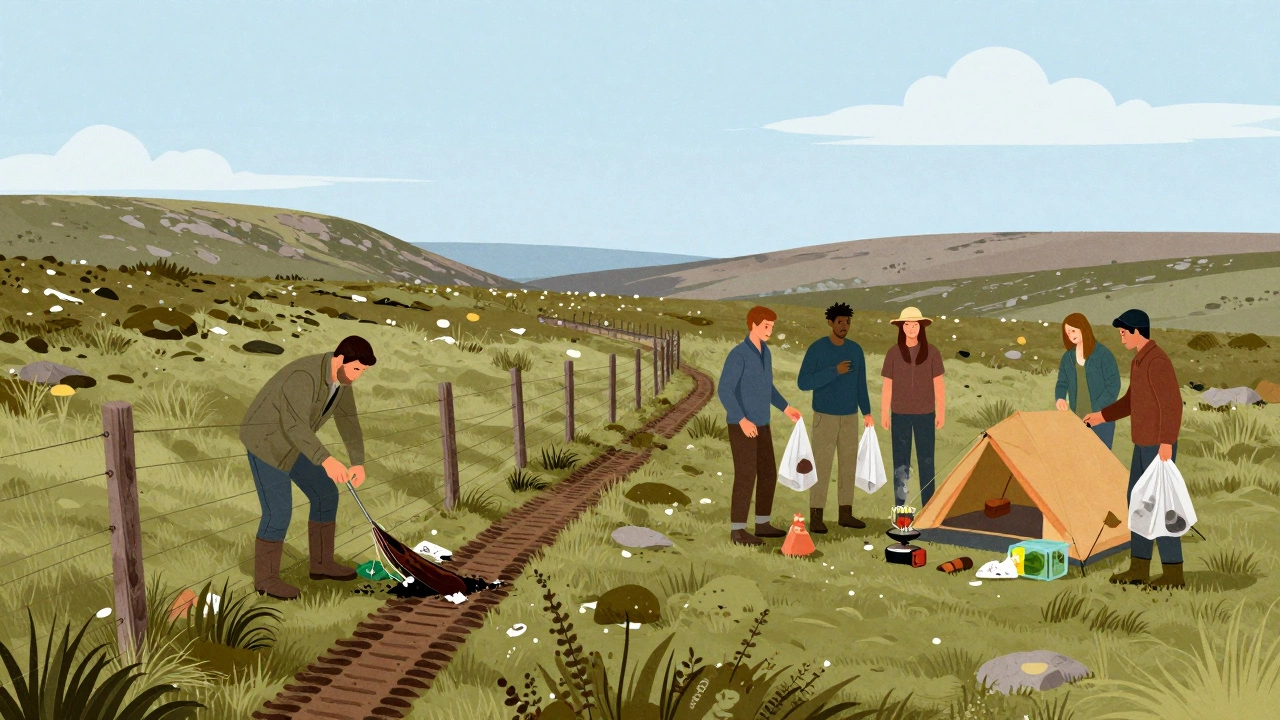
Landowners-farmers, estates, private landholders-have real concerns. They’re not just being stubborn. They’ve seen what happens when people camp without rules.
- Trash left behind-plastic bottles, food wrappers, broken tents
- Human waste polluting streams and fields
- Fire hazards from uncontrolled campfires
- Damage to crops, fences, and livestock areas
- Noise and disruption to wildlife and rural residents
One farmer in the Lake District told a local newspaper that he lost £3,000 in a single season because campers drove their cars across his pasture, crushed his fencing, and left human waste near his sheep’s water source. That’s not an outlier. It’s a common complaint.
These incidents aren’t the norm-but they’re frequent enough to make landowners push back hard. And when one bad experience goes viral on social media, the backlash is swift. Local councils respond by tightening enforcement, and the public perception shifts from "romantic freedom" to "reckless trespassing."
What About Dartmoor? Isn’t That an Exception?
Yes. Dartmoor is the only place in England where wild camping is officially permitted-but only under strict rules. The Dartmoor Commons Act 1985 allows camping on the open moorland, but you must:
- Stay at least 100 meters from any road
- Camp only in small groups (no more than 5 people)
- Leave no trace-pack out everything, including toilet waste
- Use a stove, not a campfire
- Stay no longer than two nights in the same spot
Even then, enforcement is inconsistent. Rangers don’t patrol every inch of Dartmoor. But if you’re caught breaking the rules, you can be fined up to £2,500. So while it’s technically legal, it’s not a free-for-all.
Why Doesn’t England Have a Right to Roam for Camping?
Scotland has the Land Reform (Scotland) Act 2003, which gives people the legal right to access most land for recreation-including camping-so long as they behave responsibly. Wales has similar access rights in national parks. But England has no equivalent law.
That’s not because people don’t want it. Campaigners have pushed for decades. Groups like the Ramblers and the British Mountaineering Council have called for a "Right to Camp" law. Petitions have gathered over 100,000 signatures. But the government has consistently refused to act.
Why? Because landowners have powerful lobbying influence. The National Trust, large estates, and farming unions have spent millions protecting their rights. They argue that opening up land for camping would lead to chaos, environmental damage, and loss of income from paid campsites.
Meanwhile, the outdoor industry in England makes billions each year-but almost all of it flows through commercial campsites, glamping spots, and caravan parks. There’s little financial incentive for the government to change the rules.
What Happens If You Get Caught?
If you’re caught wild camping in England, you won’t go to jail. But you will be asked to leave. If you refuse, the landowner can call the police. Under the Criminal Justice and Public Order Act 1994, police can order you to leave if they believe you’re causing a disturbance or if you’re on land without permission.
Most of the time, you’ll just get a warning. But if you’ve been there multiple times, if you’ve caused damage, or if you’re part of a large group, you could be issued a fixed penalty notice-up to £100. In extreme cases, you could face prosecution.
Some people have been banned from national parks for life after repeated offenses. One hiker in the Peak District was banned for five years after being caught camping with a group of 12 people near a protected wildlife area.
What Are the Alternatives?
You don’t have to break the law to enjoy the outdoors. There are plenty of legal options:
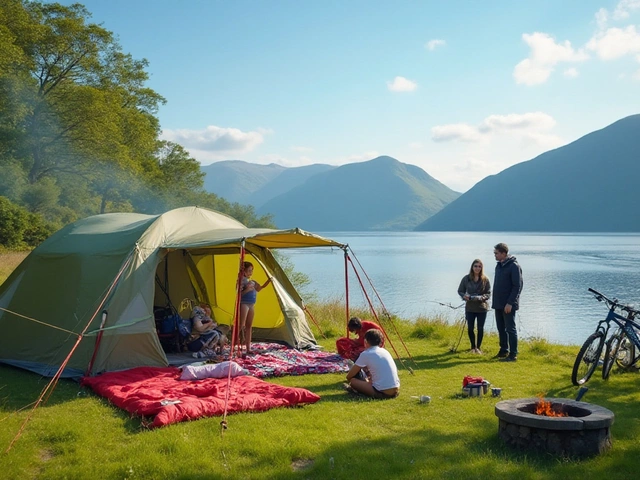
- Official campsites-many are cheap, often under £15 a night, and located near trails and lakes.
- Wild camping on public land-some Forestry Commission land allows camping with permission. Check their website before you go.
- Wild camping with permission-some farmers and landowners let campers stay for a small fee. Sites like CamperContact and Wild Camp list these spots.
- Dispersed camping in national parks-some parks, like the New Forest, allow camping in designated areas. You just have to book ahead.
There’s also a growing movement of "permission-based camping." People contact landowners directly, offer to pay a small fee, and leave the land better than they found it. It’s working. More landowners are opening up their fields-quietly, without fanfare.
Is Change Coming?
Yes. Slowly.
In 2024, a government-backed review of outdoor access in England recommended piloting legal wild camping zones in three national parks. The idea is to test whether controlled, low-impact camping can work without damaging land or causing conflict.
Some councils are already testing it. In the South Downs, a pilot program allows camping in three remote areas with self-registration and waste bins. Early results show 95% compliance and no major environmental damage.
Public opinion is shifting. A 2025 YouGov poll found that 68% of English adults support legal wild camping under responsible guidelines. That’s up from 42% in 2015.
Change isn’t guaranteed. But the pressure is building. And with climate change pushing more people outdoors, the old rules are starting to look outdated.
What You Can Do
If you care about wild camping in England, here’s what matters:
- Don’t camp illegally if you know it’s wrong. It hurts the cause.
- Support businesses that offer legal wild camping options.
- Join campaigns like #RightToCamp or the Ramblers’ access initiative.
- Report litter and damage when you see it-even if it’s not yours.
- Respect landowners. A simple thank-you note or donation to a local farm can go a long way.
The future of wild camping in England won’t come from breaking laws. It’ll come from proving that responsible campers can coexist with farmers, wildlife, and landowners. That’s the only path forward.
Is wild camping legal anywhere in England?
Only on Dartmoor, under strict rules: no fires, stay at least 100 meters from roads, camp in groups of five or fewer, leave no trace, and don’t stay more than two nights in one spot. Everywhere else, it’s illegal.
Can you wild camp in the Lake District?
No. The Lake District is private land with no legal right to camp. Even remote areas like Ennerdale or Honister are off-limits. You’ll be asked to leave, and if you refuse, you could face a fine or police intervention.
Why is wild camping legal in Scotland but not England?
Scotland passed the Land Reform (Scotland) Act 2003, which established a legal right to responsible access to most land-including camping. England has no equivalent law. Land ownership rights in England are stronger and more protected by powerful landowning groups.
What’s the penalty for wild camping in England?
You won’t be arrested, but you can be fined up to £100 under the Criminal Justice and Public Order Act 1994 if you refuse to leave after being asked. In extreme cases, you could face prosecution, especially if you’ve caused damage or camped repeatedly.
Are there any apps or websites for legal wild camping in England?
Yes. Sites like CamperContact, Wild Camp, and the Forestry Commission’s official listings show legal camping spots. Many are on private land with permission-often for a small fee. These are the safest and most ethical options.