UK Wild Camping Risk Estimator
Select your planned conditions to see the likely legal outcome if you are spotted by a landowner or ranger.
Low Legal Risk
You are likely following the general guidelines. If spotted, you will probably just be asked to move on.
The Quick Truth About the Law
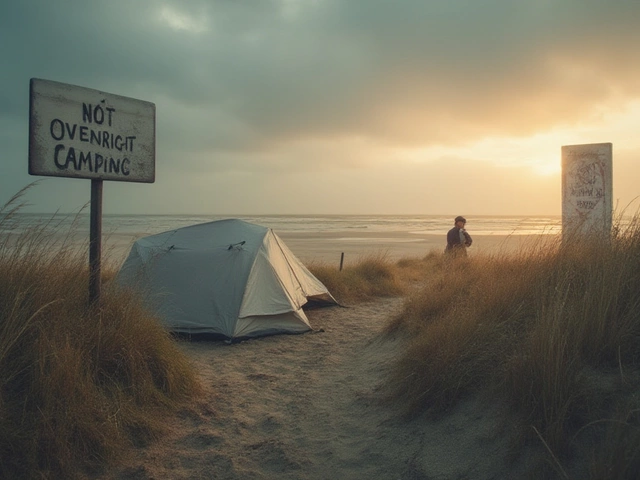
Before we get into the specifics, let's clear the air. In England and Wales, there is no legal right to wild camp. Unless you have the explicit permission of the landowner, you are technically trespassing. However, this is a civil matter, not a criminal one. This means that simply putting up a tent isn't usually a crime, but the wild camping UK laws become a problem when you cause damage, block access, or ignore a direct order to leave.
Contrast this with Scotland, where the Land Reform (Scotland) Act 2003 provides a legal right to camp on most unenclosed land. This is often called "right to roam." But even there, the law isn't a free pass to do whatever you want; it comes with strict responsibilities to keep the land healthy and the locals happy.
| Region | Legal Status | Primary Law/Guideline | Typical Outcome of Being Caught |
|---|---|---|---|
| England | Generally Illegal | Common Law (Trespass) | Requested to move on |
| Wales | Generally Illegal | Common Law (Trespass) | Requested to move on |
| Scotland | Legal (with rules) | Land Reform Act 2003 | Warning if rules are broken |
What Actually Happens When You're Spotted?
If a landowner or a park ranger finds your camp, the interaction usually follows a predictable pattern. In 90% of cases, you'll get a polite but firm request to pack up and leave. Most farmers in the UK are reasonable people; they just don't want their sheep getting spooked or their fences trampled. If you're respectful, smile, and start packing immediately, the encounter usually ends there.
However, things shift if you're in a National Park or a SSSI (Site of Special Scientific Interest). These areas have much tighter controls. A ranger might be less lenient if you've pitched in a protected habitat or near a fragile cliffside. If you refuse to leave, you're no longer just a "trespasser"-you're potentially obstructing a lawful request, which can lead to police involvement.
The real danger comes when you're caught doing things that move the act from a civil trespass to a criminal offense. For example, if you light a campfire that scorches the ground or starts a small brush fire, you can be charged with criminal damage. If you leave a pile of trash behind, you're dealing with littering laws. In these cases, you're not just getting a "please leave" request; you're looking at potential fines starting from £100 up to thousands of pounds depending on the severity of the environmental harm.
The "Criminal" Side of Camping
Can you actually go to jail for wild camping? For a single night in a tent? Almost certainly not. But there are loopholes where the law gets aggressive. If you've set up a semi-permanent camp-think a canvas yurt or a series of tents that look like a village-you may be charged with "unauthorized encampment." This is a different legal beast and is often dealt with by the police using the Criminal Justice and Public Order Act.
Another risk is "Aggravated Trespass." This happens if you're camping as part of a protest or to intentionally disrupt a business (like a commercial forestry operation). In these scenarios, the police aren't just asking you to move; they're arresting you to prevent a breach of the peace. For the casual hiker, this is unlikely, but it shows how the context of your camping changes the legal outcome.
How to Stay Under the Radar (and Legal)
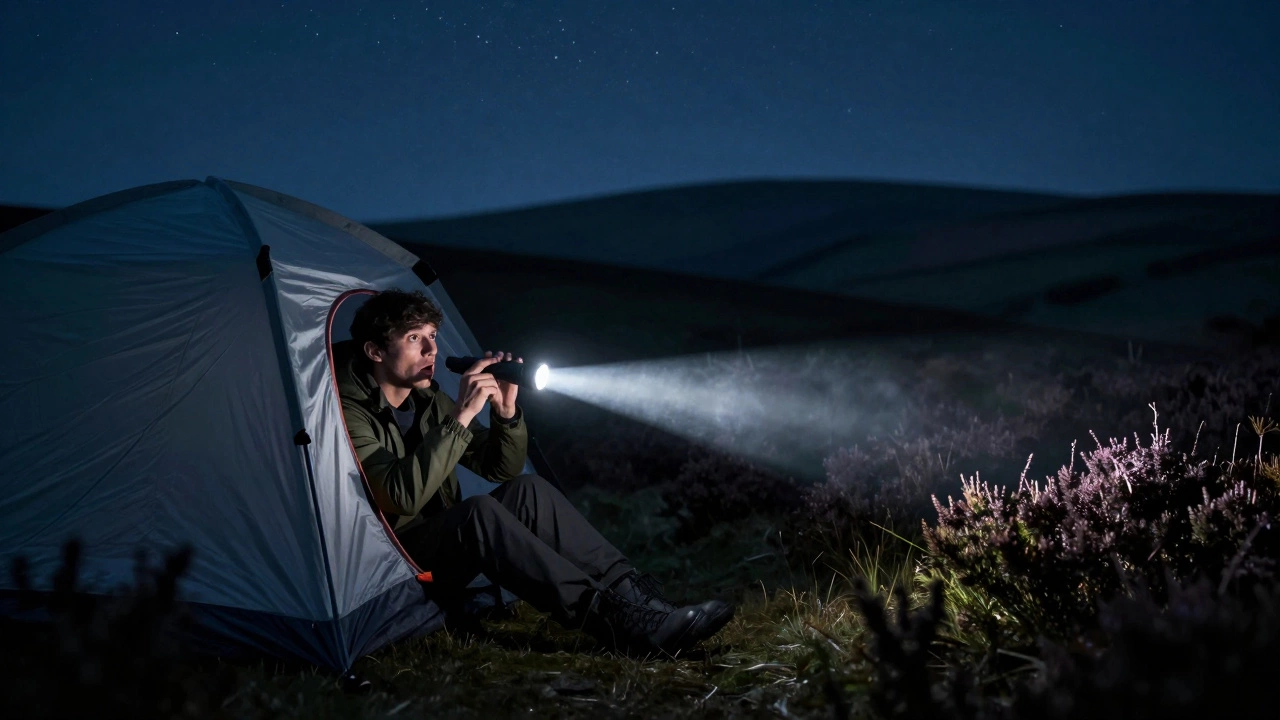
Since the law in England and Wales is so vague, the best strategy is to follow the "unwritten rules." The goal is to be invisible. If a landowner doesn't know you were there, they can't ask you to leave.
- Pitch late, leave early: Set up your tent just before dusk and be gone by sunrise. This minimizes the window for someone to spot you.
- Avoid the "obvious" spots: Don't camp right next to a hiking trail or a road. Move at least 500 meters away from established paths.
- Ditch the fire: This is the biggest mistake people make. A campfire is a beacon for rangers and a permanent scar on the land. Use a small camping stove instead.
- Stick to the highlands: Higher altitudes are generally less populated and less monitored than lush valley bottoms.
Crucially, you should follow the Leave No Trace principles. This isn't just about ethics; it's your best legal defense. If a ranger finds your spot after you've left and sees zero evidence of your presence, they have no reason to hunt you down. If they find a charred circle of grass and a crushed soda can, they'll be looking for the culprit.
Navigating the Scottish Highlands
In Scotland, you have the legal upper hand, but that doesn't mean you're invincible. The Scottish Outdoor Access Code is the gold standard here. It tells you that while you can camp, you must do so responsibly.
Common pitfalls in Scotland include camping too close to houses, blocking gates, or pitching in "core areas" of certain nature reserves where the law is suspended to protect breeding birds. If you're caught breaking these specific rules, the landowner can still ask you to move. While you have a right to be there, that right is predicated on your behavior. If you're loud, messy, or disruptive, the "right to roam" ceases to protect you.
| Action | Wrong Way | Right Way |
|---|---|---|
| Waste | Burying trash or leaving it | Packing out every single scrap |
| Fire | Building a stone ring fire | Using a portable gas stove |
| Hygiene | Using soap in a stream | Using biodegradable soap 30m from water |
| Placement | Flatting grass on a path | Pitching on durable surfaces (rock/sand) |
What to Do if You Are Caught
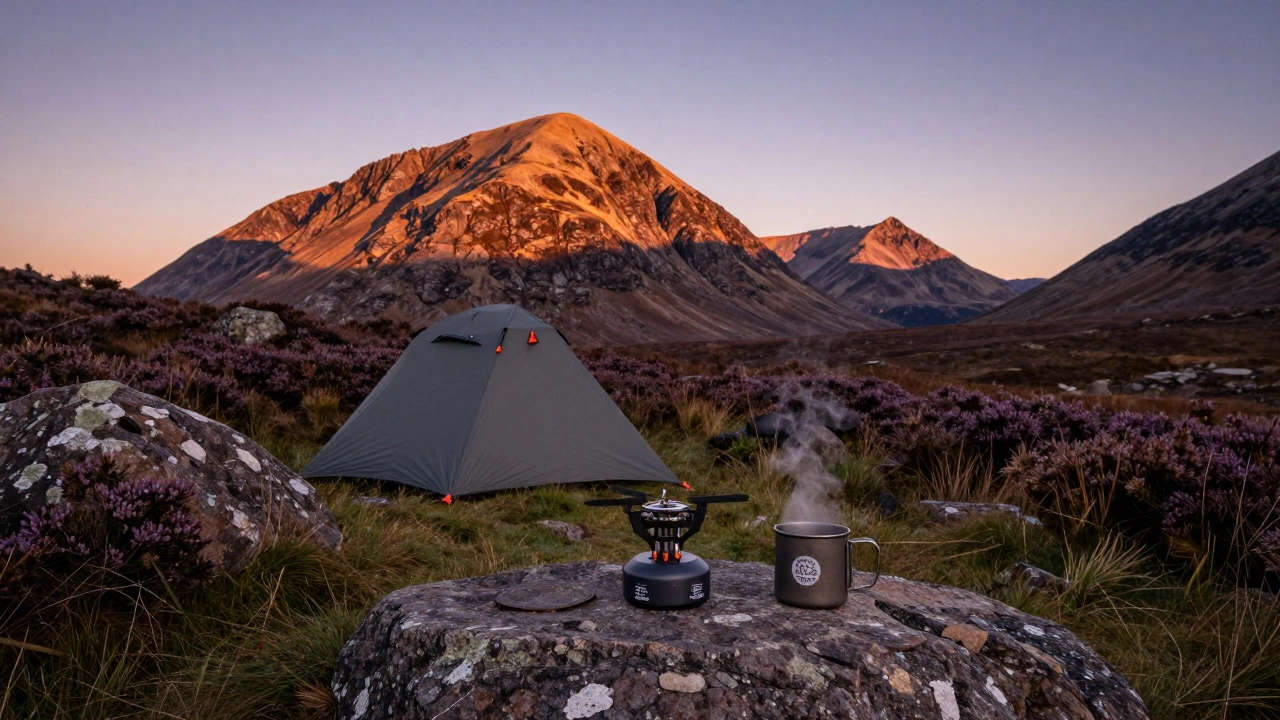
If the flashlight hits your tent at 2 AM, your reaction determines the rest of your trip. Panic or aggression will only escalate the situation. Here is a simple protocol to handle the encounter:
- Stay Calm: Be polite and friendly. Acknowledge that you are on their land and apologize for any intrusion.
- Don't Argue the Law: Even if you think you're right (especially in Scotland), arguing about the Land Reform Act with a tired farmer rarely ends well.
- Offer an Immediate Solution: Say, "I'm so sorry, I'll pack up and be gone in ten minutes." This removes the conflict immediately.
- Ask for Advice: If you're genuinely lost or confused, ask the landowner where a better spot might be. Sometimes they'll point you to a hidden corner of their land where they don't mind a tent for one night.
If the person is aggressive or threatening, remember that you have a right to your personal safety. However, since you are technically trespassing in England and Wales, your legal standing is weak. The fastest and safest path is always to leave the area as quickly as possible.
Can I be fined for wild camping in the Lake District?
Generally, no. Wild camping is a civil trespass in the Lake District. You won't be fined simply for pitching a tent. However, you can be fined if you cause environmental damage, leave litter, or start a fire, as these are criminal offenses under environmental and property laws.
Is wild camping legal in Scotland?
Yes, under the Land Reform (Scotland) Act 2003, you have a legal right to camp on most unenclosed land, provided you follow the Scottish Outdoor Access Code. This includes leaving no trace and avoiding residential areas or sensitive wildlife habitats.
What is the difference between a civil trespass and a criminal offense?
A civil trespass means you are on land without permission, but it isn't a crime that goes on your permanent record. The landowner can ask you to leave or sue for damages. A criminal offense (like arson or fly-tipping) is a breach of the law that can lead to police arrest, a criminal record, and statutory fines.
Do I need to ask permission before wild camping in England?
Legally, yes. To be 100% compliant with the law, you should contact the landowner. In reality, most wild campers rely on the "stealth" method-pitching late and leaving early-to avoid the need for formal permission, though this remains technically illegal.
What happens if I'm caught camping in a National Park?
Rangers in National Parks are more likely to spot and approach you than a random farmer. While they usually just ask you to move, they are more likely to issue warnings or report you if you are in a protected SSSI (Site of Special Scientific Interest) area.
Next Steps for your Adventure
If you're nervous about the legal gray areas, the safest bet is to find a registered campsite or a "certified