Camping Readiness Checker
Enter your child's details to get a personalized assessment of their readiness for a camping trip, including specific gear tips and common pitfalls.
- Sleep System:
- Feeding Needs:
- Entertainment:
You’re staring at your tent. It’s packed. The cooler is loaded. And then you look at your six-month-old, who currently spends most of their day eating and sleeping on your chest. The question hits hard: What is the youngest age to take a child camping?
The short answer? There isn’t one. You can technically bring a newborn out on day three after birth if they’re healthy. But just because you can, doesn’t mean you should. The real question isn’t about legal minimums or biological limits; it’s about sanity management for you and comfort for them.
The Newborn Phase: Weeks 0-3 Months
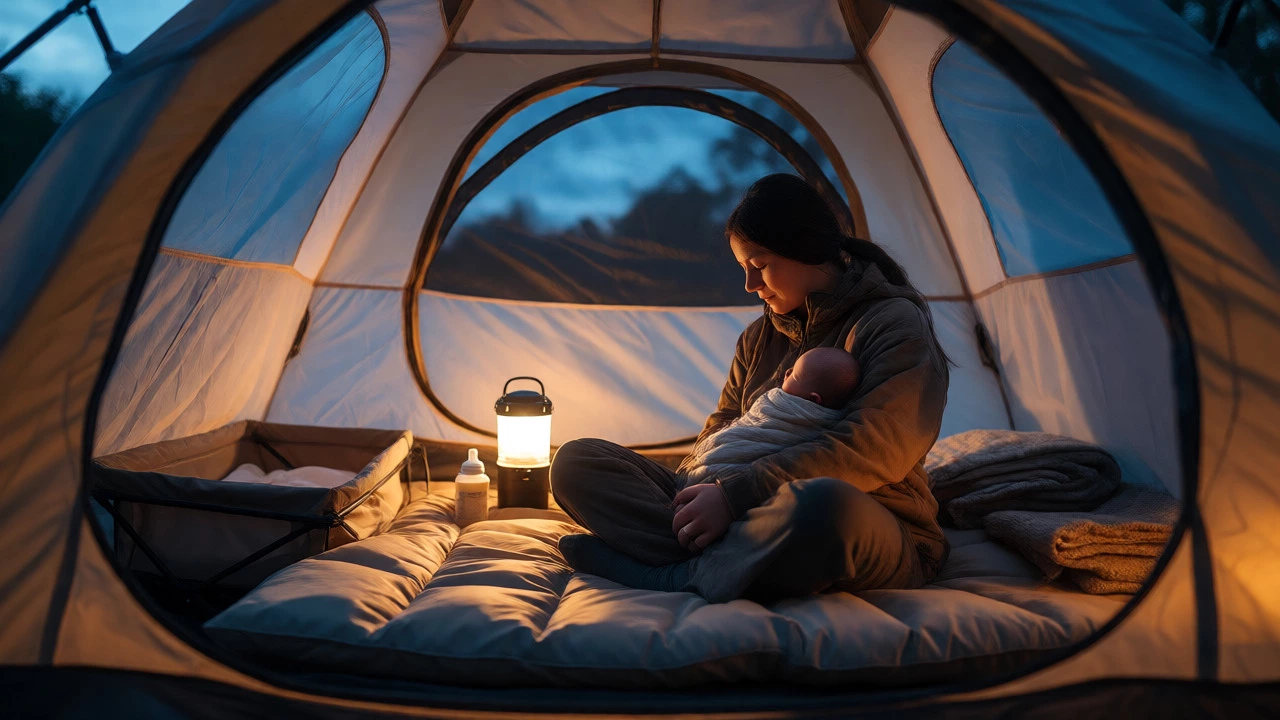
Many parents assume infants are too fragile for the outdoors. In reality, newborns are surprisingly easy camping companions-until they aren’t. Their primary needs are milk, sleep, and warmth. If you have a reliable source of clean water (or formula) and a way to keep them warm, you’re set.
However, this stage comes with high stakes. Newborns cannot regulate their body temperature well. If it’s 50°F (10°C) at night, that little bundle in the swaddle might get cold fast, even inside a sleeping bag. Conversely, overheating is a risk if you bundle them up too tightly in a hot tent. The biggest hurdle here isn’t the bug bites or the dirt; it’s the lack of space. A newborn requires constant proximity. If you’re car camping with a large SUV and a spacious cabin-style tent, this works. If you’re backpacking with a two-person dome, you’re going to feel claustrophobic within an hour.
Newborn Camping is the practice of introducing infants under three months old to outdoor environments, prioritizing temperature control and frequent feeding schedules over activity duration.
The Toddler Transition: Ages 1-3 Years
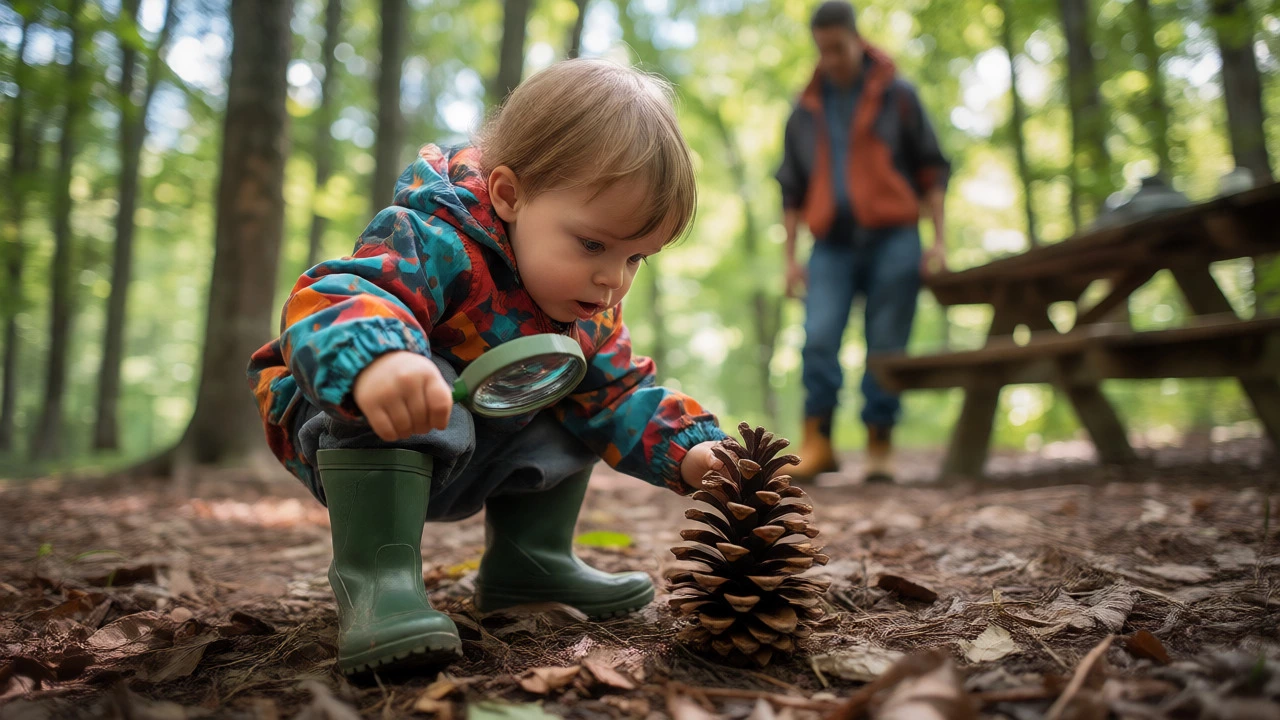
This is where things get messy-literally. Toddlers are curious, mobile, and completely unbothered by social norms like “don’t eat the mud.” Camping with a toddler is less about nature appreciation and more about containment strategies.
Ages one to three are often considered the hardest window for first-time campers. Why? Because they have mobility but no danger awareness. They will wander toward the fire pit. They will try to climb into the bear box. They need constant supervision, which means you never truly relax.
On the flip side, toddlers adapt quickly to routine changes if those routines are consistent. If they nap in a crib at home, they’ll likely struggle with a hammock. But if they nap in a portable playpen, bring the playpen. The key here is familiarity. Bring their favorite blanket, their specific sippy cup, and maybe even a small toy from home. It sounds silly, but that stuffed rabbit is the anchor keeping your toddler sane in a strange forest.
Preschoolers and Early School Age: Ages 4-6 Years
If you want a positive first experience, wait until age four. Preschoolers can communicate their needs (“I’m hungry,” “My foot hurts,” “There’s a spider”). They can walk reasonable distances without being carried. They understand simple rules (“Stay close to Mom/Dad”).
At this age, camping becomes fun rather than just survival. Kids love collecting sticks, looking for frogs, and helping set up the tent (even if they make it worse). They have enough stamina to hike a mile and enough imagination to turn a pinecone into a treasure.
This is also the age where you start worrying about bugs and weather more seriously. A four-year-old can tell you if they’re cold, but they might not know how to put on an extra layer correctly. Your job shifts from pure caretaking to teaching basic self-care skills.
School-Age Children: Ages 7+ Years
Once kids hit seven, they become active participants. They can help pitch the tent, carry their own gear, and follow trail maps. This is the sweet spot for longer trips and more adventurous locations.
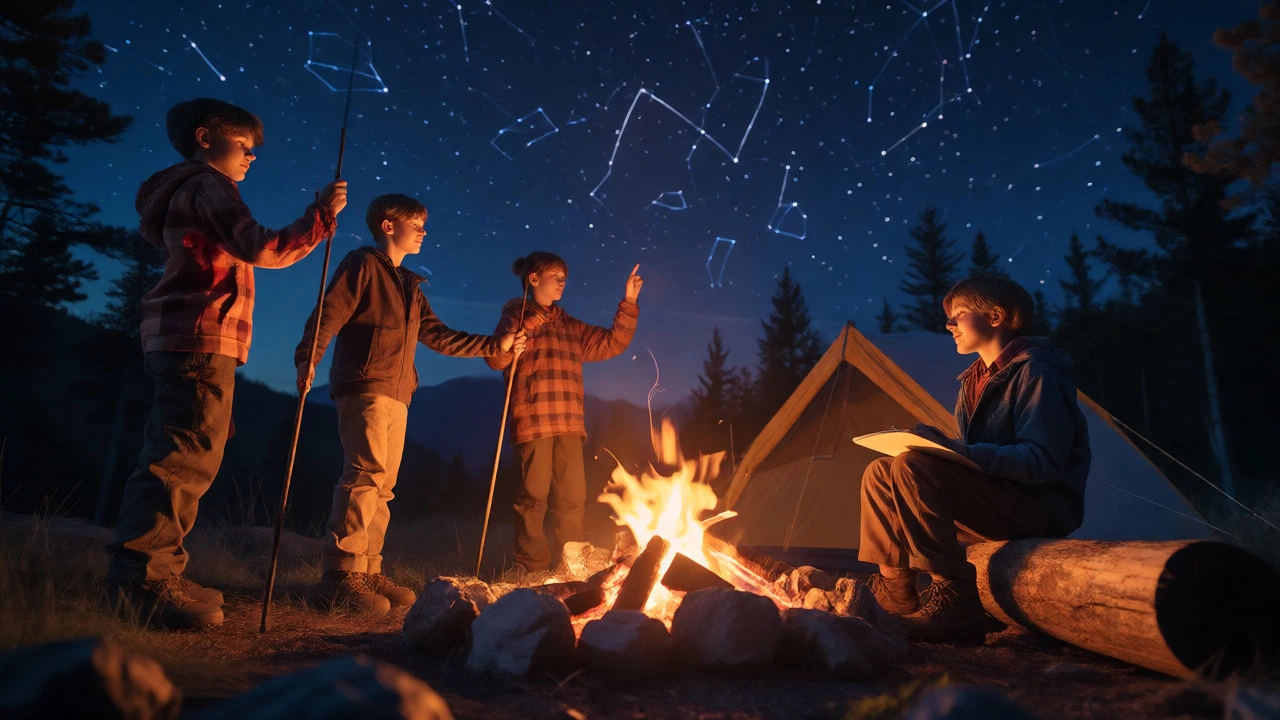
School-age children can handle multi-day trips. They can sleep through the night in a sleeping bag. They can tolerate minor discomforts like a bumpy ground or a rainy afternoon. More importantly, they start to appreciate the experience. They remember the stars. They talk about the campfire stories. They begin to develop a genuine love for the outdoors.
Key Factors That Matter More Than Age
While age gives you a general guideline, individual differences matter more. Consider these variables before booking that campsite:
- Trip Duration: A weekend trip is vastly different from a week-long expedition. For beginners, stick to one night. If it goes terribly, you can pack up and go home after breakfast. If it goes well, you’ve built confidence for next time.
- Camping Style: Car camping allows you to bring home comforts-a mattress, a cooler full of food, a power bank. Backpacking forces minimalism. Don’t attempt your first backpacking trip with a baby unless you’re experienced. Start with drive-up sites.
- Child’s Temperament: Is your kid sensitive to noise? Light sleepers hate campground traffic. Do they fear darkness? Forest nights are pitch black. Know your child’s triggers.
- Weather Conditions: Mild spring or fall weather is forgiving. Extreme heat or rain tests everyone’s patience. Check forecasts meticulously. A thunderstorm with a screaming toddler is a nightmare scenario you want to avoid on trip number one.
Essential Gear for Young Campers
Don’t rely on generic advice. Tailor your kit to the age group.
| Age Group | Sleep System | Feeding Needs | Entertainment |
|---|---|---|---|
| Infants (0-12 mo) | Bassinet attachment or co-sleeper; heavy swaddles | Pre-measured formula; sterilization kit; bibs | White noise machine; soft toys |
| Toddlers (1-3 yrs) | Portable crib or floor mat with sleeping bag | Snack cups; spill-proof bottles; familiar foods | Flashlight; magnifying glass; picture books |
| Preschoolers (4-6 yrs) | Kid-sized sleeping bag; inflatable pillow | Easy-prep meals; hydration packs | Nature scavenger hunt list; headlamp |
| School-Age (7+ yrs) | Standard sleeping bag; camp chair | Self-service snacks; cooking tools | Fishing pole; binoculars; journal |
Common Pitfalls to Avoid
Most failed camping trips with young kids happen because parents underestimate the logistics. Here’s what usually goes wrong:
- Overpacking Activities: You don’t need a hike, a swim, and a bike ride on day one. Let them play in the dirt near the tent. That’s enough stimulation.
- Ignoring Nap Times: If your toddler naps at 1 PM, plan for quiet time then. Don’t schedule a big hike during nap hour. Use a stroller or carrier so they can sleep while moving if needed.
- Underestimating Darkness: Kids are scared of the dark. Bring multiple light sources. Clip-on lanterns for the tent, headlamps for everyone, and glow sticks as fun emergency lights.
- Poor Food Choices: Cooking gourmet meals while a toddler screams is stressful. Bring simple, familiar foods. Mac and cheese, chicken nuggets, and fruit slices save morale.
How to Test the Waters
If you’re nervous, do a backyard test run. Set up the tent in your yard. Sleep there for one night. See how your child reacts to the sounds, the sleeping bag, and the bathroom situation. If they cry all night, you know you need to adjust your approach before driving to a remote site.
For older kids, try a local state park with facilities. Look for campsites with playgrounds nearby. Having a known escape route (like a paved path back to the car) reduces anxiety for both parent and child.
Final Thoughts on Timing
There is no magic birthday when camping becomes easy. Some parents thrive with newborns because they’re used to chaos. Others wait until age five because they value relaxation. Both approaches are valid.
The goal isn’t to raise a wilderness expert by age six. It’s to create positive associations with the outdoors. If your first trip ends with everyone crying in the car, that’s okay. Try again in six months. If it ends with your child asking when we can go back, you’ve won.
Is it safe to take a newborn camping?
Yes, generally safe if the baby is healthy and has received initial pediatric clearance. The main risks are temperature regulation and exposure to insects. Ensure the baby sleeps in a safe, enclosed space away from direct wind or sun.
What is the best age for a child's first camping trip?
Many experts suggest ages 4 to 6 as ideal for a child's first independent-feeling camping experience. At this age, children can communicate needs, walk reasonably well, and enjoy nature activities without requiring constant physical carrying.
How do I keep my baby warm at night while camping?
Use a combination of layers: a onesie, a sleeper, and a wearable blanket or sleep sack. Avoid loose blankets in the tent. Place the bassinet or co-sleeper away from drafty tent walls. Use a thermometer to monitor tent temperature.
Should I bring a stroller for camping with a toddler?
Yes, especially for car camping. A sturdy stroller helps transport gear and provides a place for the toddler to nap. However, choose an all-terrain model if the campground has gravel paths. For rough terrain, a hiking carrier may be better.
What if my child hates the tent?
Try a backyard trial run first. Make the tent cozy with familiar bedding and toys. If they still resist, consider renting a cabin or yurt for the first few trips to ease them into the concept of sleeping outdoors before transitioning to tents.