Yurt Planning Permission Likelihood Calculator
Step 1: Property Type
What type of land are you looking to place the yurt on?
Step 2: Location & Designation
Where is the land located? This significantly impacts your options.
Step 3: Setup & Intended Use
How do you plan to set up and use the yurt?
Your Assessment
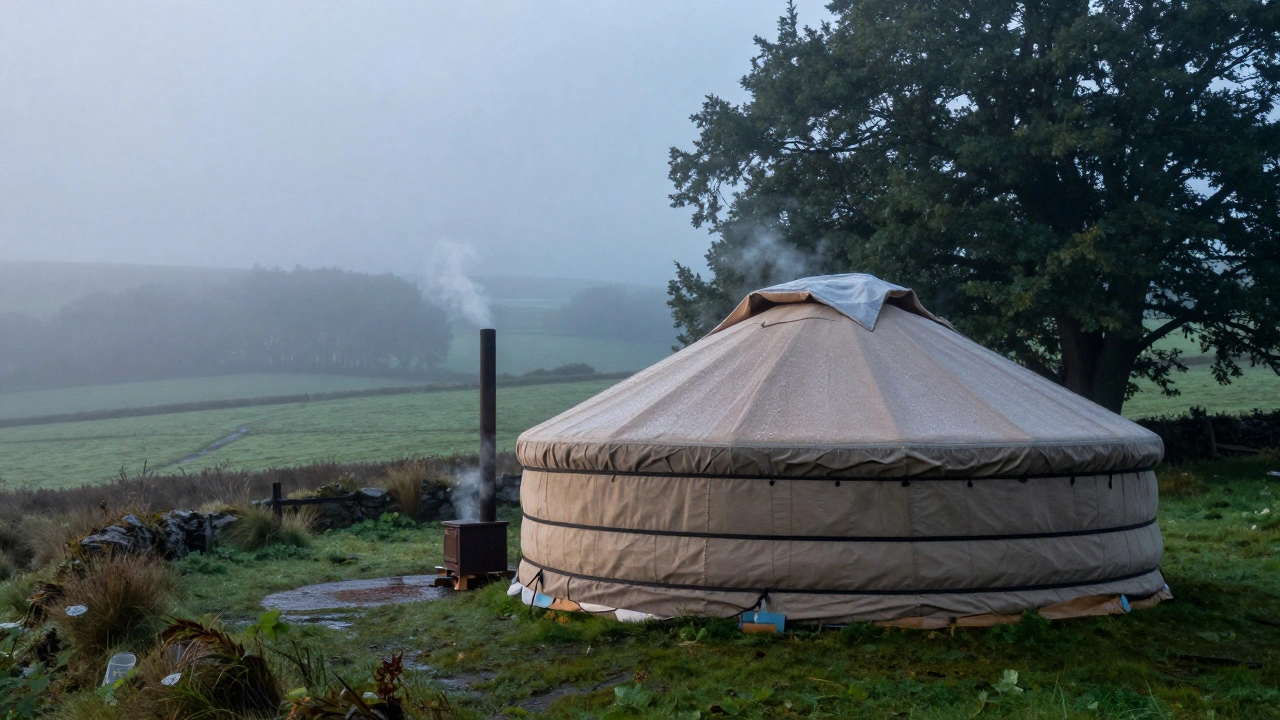
Imagine waking up to the sound of rain tapping against canvas walls, surrounded by the trees you planted yourself. It sounds like the ultimate escape from modern life. But if you own land in the UK and want to turn that dream into a permanent reality with a yurt, the legal path is anything but simple. You can’t just pitch it up and move in tomorrow.
The short answer is: probably not without permission. While yurts are often associated with wild camping or temporary glamping stays, using one as your sole residence triggers a complex web of planning laws. The UK government distinguishes sharply between "recreational" use and "residential" use. If you plan to live there full-time, you’re looking at a battle for planning permission.
Why Location Isn't Enough
Owning the land gives you property rights, but it doesn't give you zoning rights. In the UK, land use is controlled by local councils through their development plans. Even if the land is yours, changing its use from agricultural or forestry to residential requires approval. This is where most people hit a wall.
You might think, "It's just a tent." But a yurt used as a permanent home isn't legally treated as a tent. It’s considered a structure. If you connect it to mains water, electricity, or sewage, the council will view it as a dwelling. Once it becomes a dwelling, you need formal planning permission for change of use. Without it, you risk enforcement notices, fines, and being forced to dismantle your home.
The Difference Between Camping and Living
To understand why this is so difficult, you have to look at how the law defines camping versus living. Wild camping is generally tolerated in Scotland under the Land Reform (Scotland) Act 2003, provided you follow the "Leave No Trace" principles and stay for no more than two or three nights. In England and Wales, wild camping is technically trespassing unless you have the landowner's permission, and even then, staying long-term is rarely allowed.
A yurt sits in a grey area. If you park it for a weekend to enjoy nature, that’s recreational. If you set up a bed, store food for months, and work from it daily, that’s residential. Councils are vigilant about preventing unauthorized settlements because they impact local infrastructure-schools, hospitals, and waste management services aren't designed for hidden, unplanned housing.
| Feature | Recreational (Allowed) | Residential (Restricted) |
|---|---|---|
| Durability | Temporary, seasonal | Permanent foundation, insulated |
| Utilities | Battery power, portable toilet | Mains water, electric, septic tank |
| Intent | Holiday, hobby, retreat | Sole place of residence |
| Duration | Weekends or short seasons | Year-round, 365 days |
Permitted Development Rights: Your Best Hope?
If you already have a house on your land, you might have an advantage. Under Permitted Development Rights, homeowners can sometimes build ancillary structures within their garden without full planning permission. This falls under Class E of the Town and Country Planning (General Permitted Development) Order 2015.
However, there are strict limits:
- The yurt must be ancillary to the main house. This means it supports the main dwelling, not replaces it. You cannot live in the yurt and leave the main house empty.
- It cannot cover more than 50% of the curtilage (the land around the house).
- It cannot be used for independent living. If you install a kitchen and bathroom that allow you to live separately from the main house, it ceases to be ancillary.
- In protected areas like National Parks, Areas of Outstanding Natural Beauty (AONB), or Conservation Areas, these rights are often removed entirely.
So, if you want to live in the yurt as your primary home while selling or leaving the main house vacant, Permitted Development won't save you. You’d need a separate application for change of use.
How to Apply for Planning Permission
If Permitted Development doesn't apply, you must submit a planning application to your local council. Here’s how to approach it realistically:
- Pre-application advice: Talk to your local planning officer before spending money. They can tell you if your site is viable based on local policies.
- Define the use: Be honest. If you want to live there, declare it as residential. Trying to hide it as a "studio" or "annex" often backfires when neighbors report it.
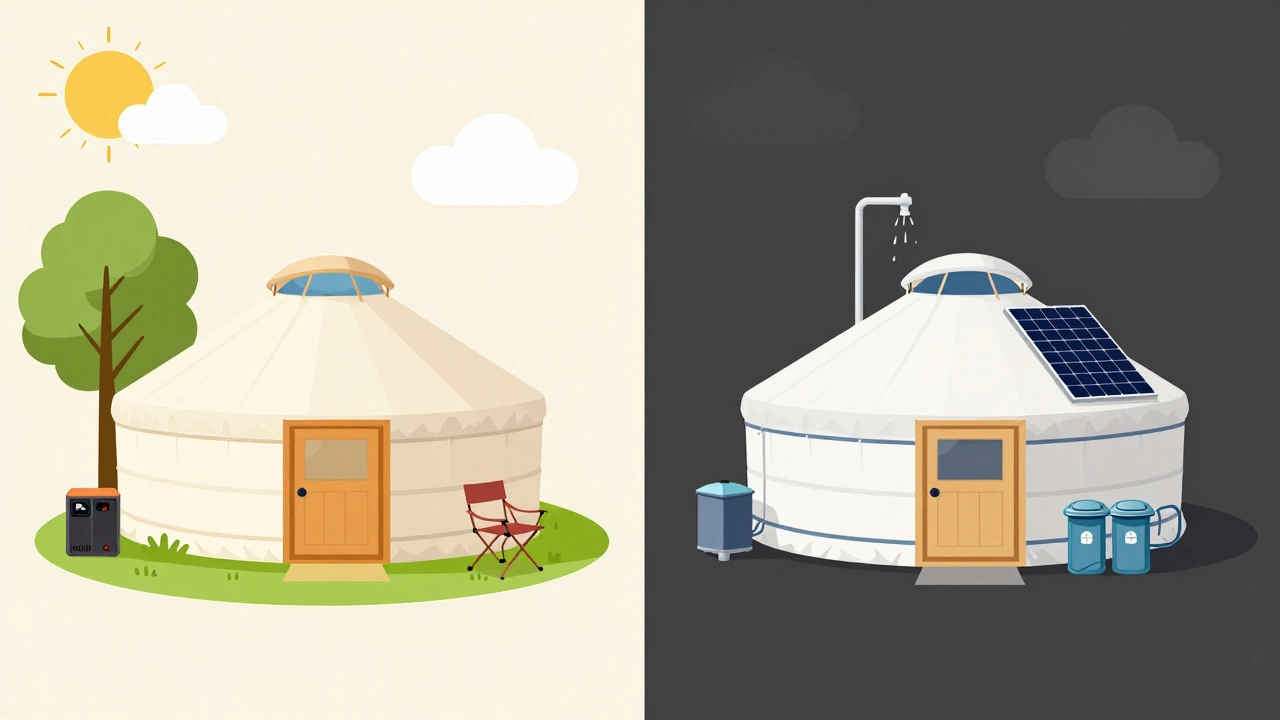
- Show sustainability: Councils favor eco-friendly projects. Highlight solar panels, composting toilets, and rainwater harvesting. Frame your yurt as a low-impact solution to the housing crisis.
- Address infrastructure: Explain how you’ll handle waste and water without burdening public services.
Be prepared for rejection. Many councils deny applications for small dwellings on green belt land to prevent urban sprawl. If denied, you can appeal, but this is costly and time-consuming.
Alternative Legal Routes
If direct planning permission seems impossible, consider these alternatives:
- Home Office Use: Keep your main address elsewhere. Use the yurt as a workspace or hobby room. This keeps it under the radar as a non-residential structure.
- Glamping Business: Rent the yurt out for short stays (under 28 days). Short-term letting often has fewer restrictions than permanent residency, especially if marketed as tourism.
- Career Change Permission: If you run a farm or rural business, you might qualify for a worker’s accommodation exception, though this is strictly regulated.
- Scattered Site Housing: Some councils accept small-scale housing developments if they meet specific community needs, but this usually involves larger groups, not single yurts.

Risks of Going It Alone
Some people choose to ignore the rules and just move in. This is risky. Neighbors may complain about noise, visitors, or changes to the landscape. Once a complaint is logged, the council will investigate. If they determine the yurt is being used as a dwelling without permission, they will issue an enforcement notice. Ignoring this can lead to criminal charges and unlimited fines. Plus, you won’t have insurance coverage for a structure that’s technically illegal.
Also, consider utilities. Most energy providers require proof of address and valid planning permission before connecting mains services. You’ll likely rely on off-grid solutions like solar kits and chemical toilets, which adds complexity and cost to your lifestyle.
Conclusion: Is It Worth It?
Living in a yurt on your own land in the UK is possible, but only if you navigate the planning system correctly. It’s not a loophole; it’s a legal process. If you value simplicity and speed, you might find the bureaucracy frustrating. But if you’re committed to sustainable living and willing to engage with your local council, you can make it work. Start with pre-application advice, keep your design modest, and always prioritize legal compliance over convenience.
Can I live in a yurt permanently without planning permission?
No. Using a yurt as your sole or main residence constitutes a change of use from agricultural/recreational to residential. This requires planning permission from your local council. Living there without permission risks enforcement action.
Is wild camping legal in the UK?
In Scotland, wild camping is legal under the Right to Roam laws if done responsibly. In England and Wales, it is technically trespassing unless you have explicit permission from the landowner, and even then, long-term stays are not permitted.
Does a yurt count as a building for planning purposes?
Yes, if it is fixed to the ground, connected to utilities, or used as a permanent dwelling. Temporary tents used for occasional recreation are generally exempt, but permanent yurts are treated as structures.
Can I put a yurt in my garden under Permitted Development?
You can, but only if it is ancillary to your main house (e.g., a studio or guest room) and not used as an independent dwelling. You cannot replace your main home with a yurt under these rules.
What happens if the council finds out I'm living in an unapproved yurt?
The council can issue an enforcement notice requiring you to stop using the yurt as a dwelling or remove it entirely. Failure to comply can result in fines and legal action.