Wild Camping Risk Assessment Tool
Select the conditions that match your planned camping trip to see your estimated legal risk level and likely outcome.
Likely Outcome:
Result will appear here.
The uncomfortable truth about pitching a tent in England
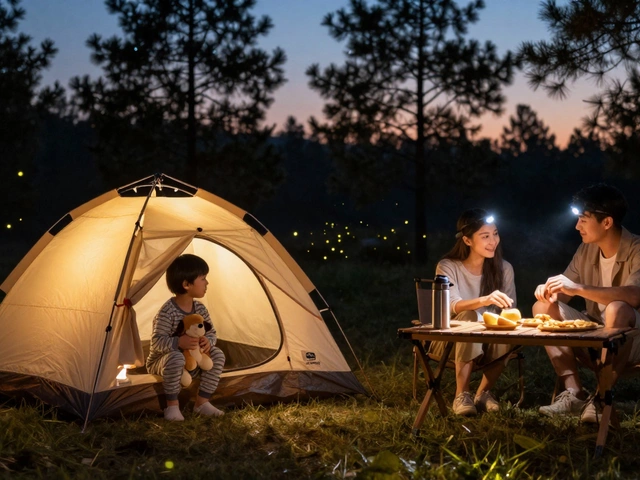
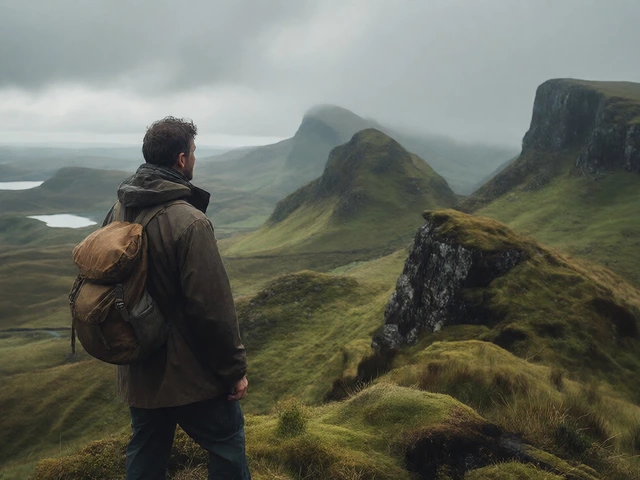
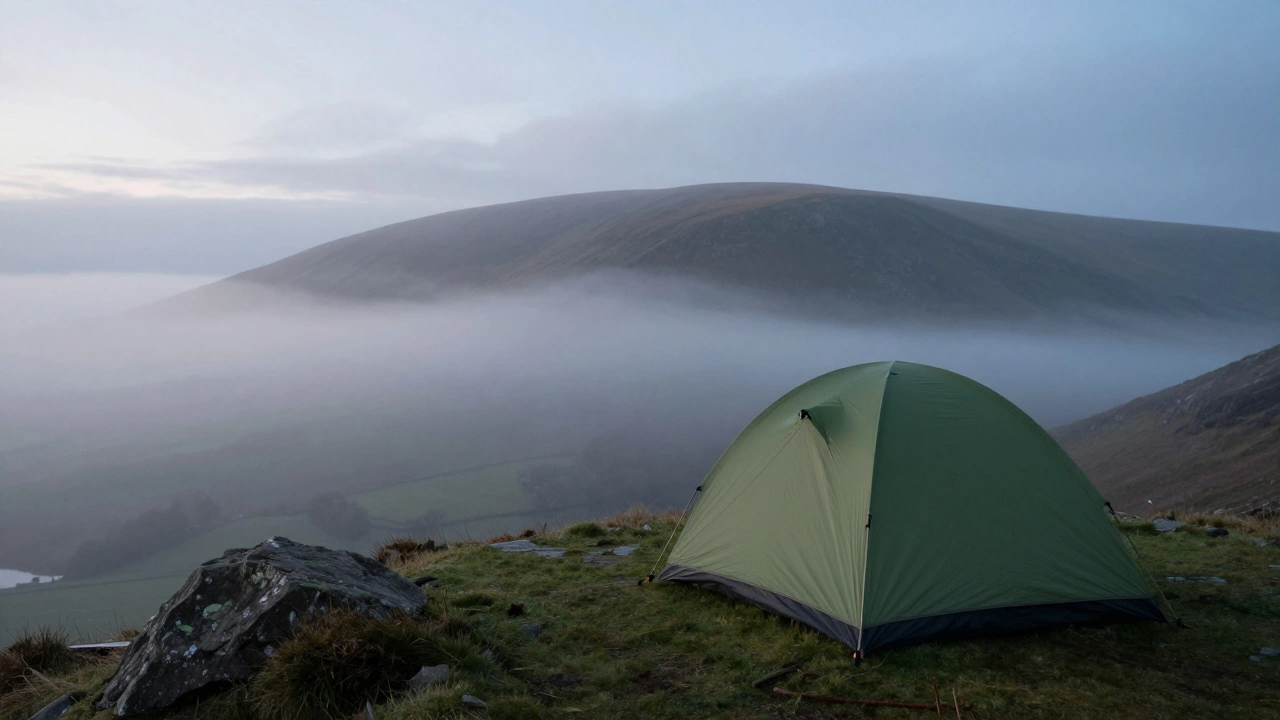
You've seen the photos: a lonely tent perched on a misty peak in the Lake District or a quiet spot tucked away in the Cotswolds. It looks like the ultimate freedom. But here is the reality check: in England, wild camping in England is generally illegal unless you have the explicit permission of the landowner. Unlike Scotland, where the Land Reform (Scotland) Act 2003 gives you a legal right to roam and camp, England operates on a much more restrictive system of private land ownership.
If you wake up to a knock on your tent pole at 6 AM, you aren't necessarily facing a prison sentence, but you are in a legal gray area that can lead to everything from a polite request to leave to a formal police caution. The outcome depends entirely on who finds you, where you are, and how much of a mess you've left behind.
To understand the risk, we first need to define Wild Camping, which is the act of camping on open land without the permission of the landowner, typically for a single night and in a remote location. This is different from using an established campsite where you pay a fee for facilities and legal residency for the night.
Key Takeaways: The Quick Version
- Wild camping is illegal in England without landowner permission.
- Most landowners will just ask you to move along if you're discreet.
- Real legal trouble usually stems from fires, litter, or trespassing on protected land.
- Scotland has legal rights that England does not; don't confuse the two.
- The "Leave No Trace" ethos is your best defense against anger and fines.
What actually happens when you get caught?
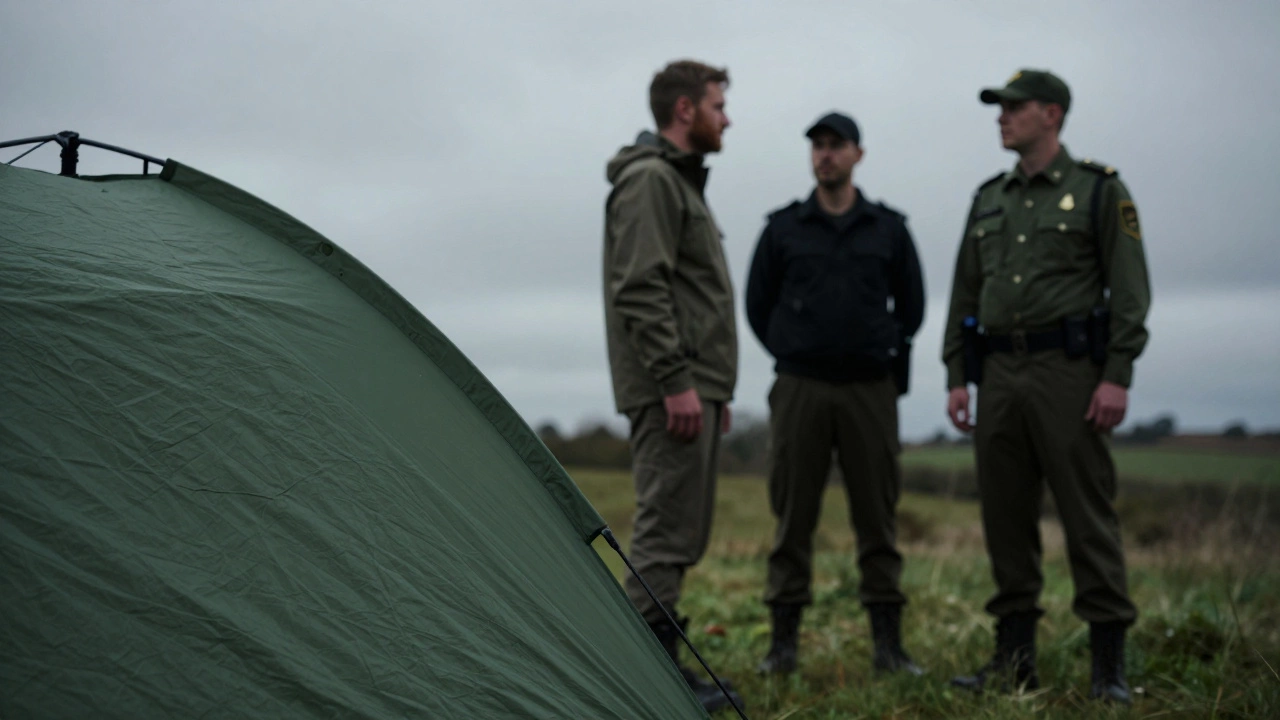
In the vast majority of cases, getting "caught" doesn't involve handcuffs. Usually, it's a conversation. A farmer, a gamekeeper, or a hiker might spot your tent. Most of the time, they will simply ask you to pack up and leave immediately. Because you are technically trespassing, they have the right to tell you to go, and you must comply.
However, things escalate if you've ignored signs that explicitly forbid camping or if you're on land that is sensitive for environmental reasons. If a landowner feels you've caused damage or are being defiant, they can call the police. At this point, you're no longer dealing with a grumpy farmer, but with Civil Trespass. In England, trespass is generally a civil matter, not a criminal one, meaning the police often won't arrest you just for sleeping in a tent, but they will remove you to prevent a breach of the peace.
The situation changes drastically if you are caught in a Site of Special Scientific Interest (SSSI). These are protected areas governed by Natural England to preserve rare flora and fauna. If you camp here and damage the habitat, you could be facing criminal charges under the Wildlife and Countryside Act 1981. We're talking about actual fines and a criminal record, not just a stern talking-to.
The danger zone: Fires and "The Big Three" risks
If you want to avoid the police, the one thing you must never do is light an open fire. This is the fastest way to turn a "please leave" into a "you're under arrest." In the dry English summer, a small campfire can quickly turn into a moorland blaze. If you cause a wildfire, you can be charged with arson or criminal damage, both of which carry heavy penalties and potential jail time.
| Scenario | Likely Reaction | Legal Risk Level |
|---|---|---|
| Small tent, no fire, no trash, remote area | Polite request to move on | Very Low |
| Ignoring "No Camping" signs, loud music | Angry confrontation, possible police call | Medium |
| Open campfire, leaving trash behind | Police intervention, potential fines | High |
| Camping in an SSSI or damaging rare plants | Criminal investigation, heavy fines | Critical |
The Dartmoor and Lake District exceptions
You'll often hear people say you can wild camp in Dartmoor. For years, there was a general understanding that small-scale camping was okay there. However, the Dartmoor National Park Authority has tightened rules. Now, you technically need a permit for any camping, even in the wilderness. If you're caught without one, you're breaking the National Park's bylaws.
The Lake District is similar. While the park authorities often turn a blind eye to a single tent for one night (provided it's high up and away from roads), it's still not a legal right. If you're in a valley bottom or near a popular tourist trail, you're much more likely to be asked to move. The general rule of thumb used by experienced hikers is: "Pitch late, leave early." If you set up your tent at dusk and are gone by dawn, the chances of being caught are nearly zero.
How to minimize your risk (and stay out of trouble)
If you're determined to try it, you need to follow a strict code. The goal is to be invisible. If nobody knows you were there, nobody can tell you to leave.
- Avoid the lowlands: Stick to high ground and remote areas. Avoid fences and gates, which often signal the start of a farmer's prized grazing land.
- Use a small tent: A massive four-person tent is a beacon. A small, earthy-colored bivy bag or one-person tent blends into the landscape.
- No fires, period: Use a small gas stove for boiling water. Never leave a scorched patch of earth.
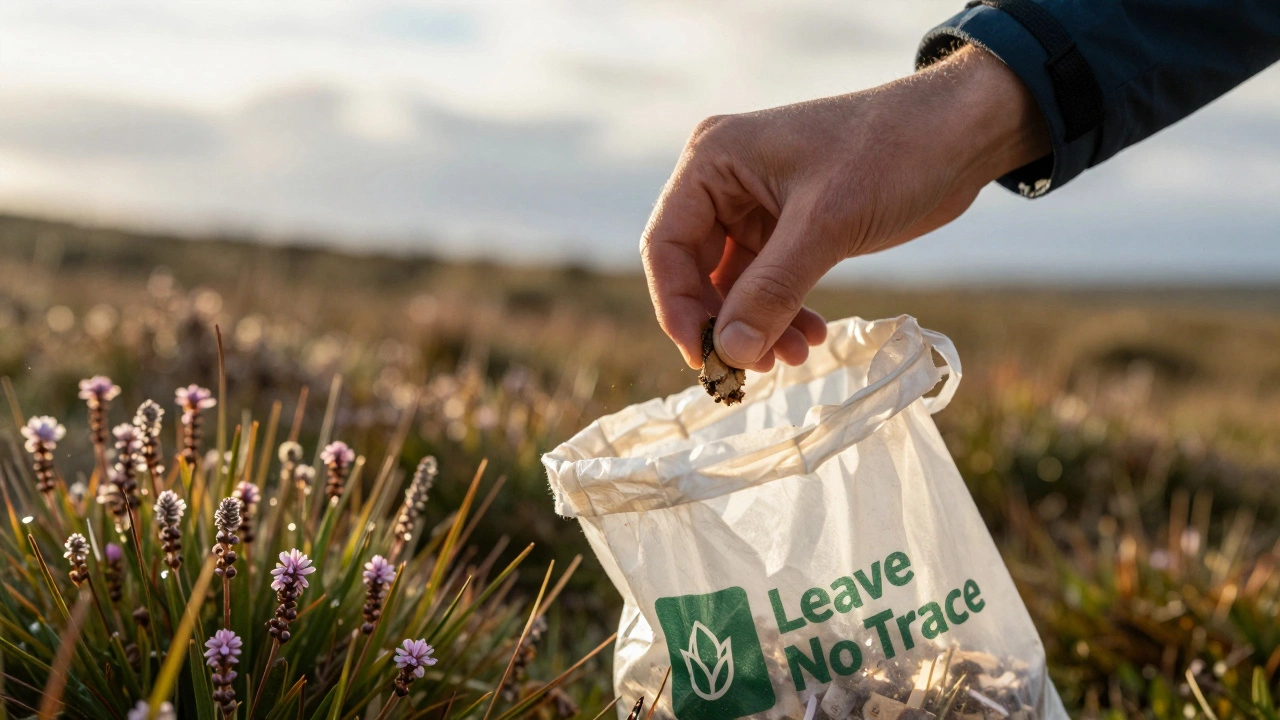
- The golden rule of trash: Pack out everything. This includes organic waste like banana peels or orange pits, which don't decompose quickly in the English climate.
- Check the land: If you see signs saying "Private Land" or "No Trespassing," believe them. Pushing your luck in these areas is how you end up with a police caution.
By following the Leave No Trace principles, you reduce the friction between yourself and the landowner. Most farmers don't hate campers; they hate the trash, the broken fences, and the risk of fire that some campers bring.
What to do if you are confronted
If a landowner or park ranger finds you, your reaction determines the outcome. Do not argue about "ancient rights" or "freedom of the hills." You have no legal standing in an English court for wild camping without permission. Be polite, be apologetic, and start packing immediately.
If the police are involved, stay calm. Explain that you are a visitor, that you intended no harm, and that you are packing up right now. In most cases, the police are just there to ensure the landowner doesn't get violent and that you leave the property. Unless you've caused significant damage or started a fire, it's unlikely they will take you to a station.
Can I be fined for wild camping in England?
Yes, though it is rare for a simple overnight stay. Fines usually happen if you are camping in a protected area (like an SSSI), ignoring official bylaws in a National Park, or causing criminal damage to the land. If you are simply trespassing on a field, the landowner's primary remedy is to ask you to leave; however, they could theoretically sue for damages in a civil court if you ruined a crop or broke a fence.
Is wild camping legal in the Lake District?
Technically, no. It is illegal without the landowner's permission. However, the Lake District National Park Authority generally tolerates a single tent for one night in remote, high-altitude areas, provided it's done responsibly. It is not a legal right, and you can still be asked to leave at any time.
What is the difference between wild camping and stealth camping?
Wild camping usually refers to staying in remote, natural landscapes (like mountains). Stealth camping is a broader term for pitching a tent anywhere without permission, often in urban or semi-urban areas (like the edge of a town or a backyard), specifically to avoid detection. Both are technically illegal in England without permission.
Will I get a criminal record if I'm caught?
For simple trespassing (sleeping in a tent), no. Trespass is a civil offense. However, you could get a criminal record if you are charged with criminal damage, arson (from a campfire), or violating the Wildlife and Countryside Act by damaging protected habitats.
Can I camp on common land?
Common land allows you to walk and graze animals, but it does not automatically grant the right to camp. You still need the permission of the owners of the soil (the landowners) to pitch a tent. Some areas may have specific local agreements, but the legal default is that you need permission.
Next Steps: Staying Safe and Legal
If the risk of a confrontation is too high for you, there are better ways to get that "wild" feeling without the legal headache. Look for Certified Wild Camping sites or small, off-grid campsites that offer a minimal-intervention experience. These provide the peace and quiet of the wilderness with the legal peace of mind that you won't be woken up by a police officer.
For those who still want to venture out, always carry a map and compass. The areas where you are least likely to be caught are often the areas where you are most likely to get lost. Before you head out, check the latest guidelines from the specific National Park you plan to visit, as rules can change based on seasonal fire risks or conservation efforts.