UK Woodland Living & Camping Legality Checker
Select your options and click "Check Legal Status" to see if your woodland adventure is legal.
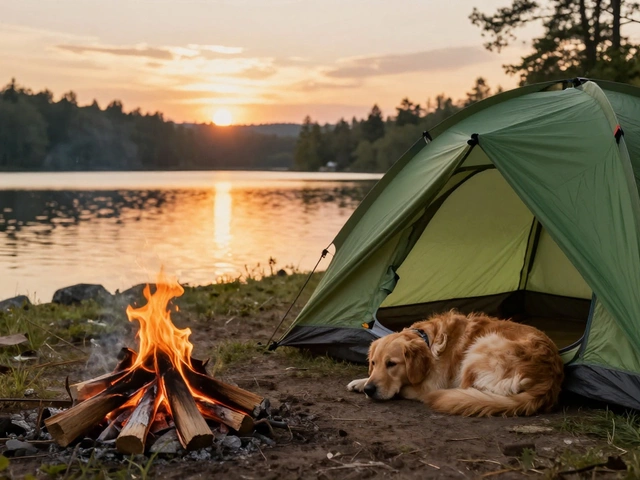
Picture this: you wake up to the sound of birdsong, step outside your tent into a misty pine forest, and realize there is no electricity bill, no landlord, and no commute. It sounds like a dream from a nature documentary. But if you are thinking about actually doing it-living in the woods in the United Kingdom-you need to know that reality is much harsher than the Instagram photos suggest.
The short answer is: **no, you cannot legally live in the woods in most of the UK.** While wild camping is tolerated or even permitted in specific areas, long-term residence without planning permission is illegal everywhere except for very narrow exceptions. Doing so risks eviction, fines, and having your gear confiscated.
However, the landscape isn't entirely black and white. There are ways to live closer to nature, and there is one part of the UK where the rules are significantly different. Let’s break down exactly what the law says, where you can go, and how people actually manage to live off-grid legally.
The Hard Truth: Trespass vs. Living
To understand why you can’t just move into Sherwood Forest, we have to look at how the law treats land ownership. In England, Wales, and Northern Ireland, the law is strict. Most woodland is private property, owned by individuals, corporations, or organizations like the Forestry Commission.
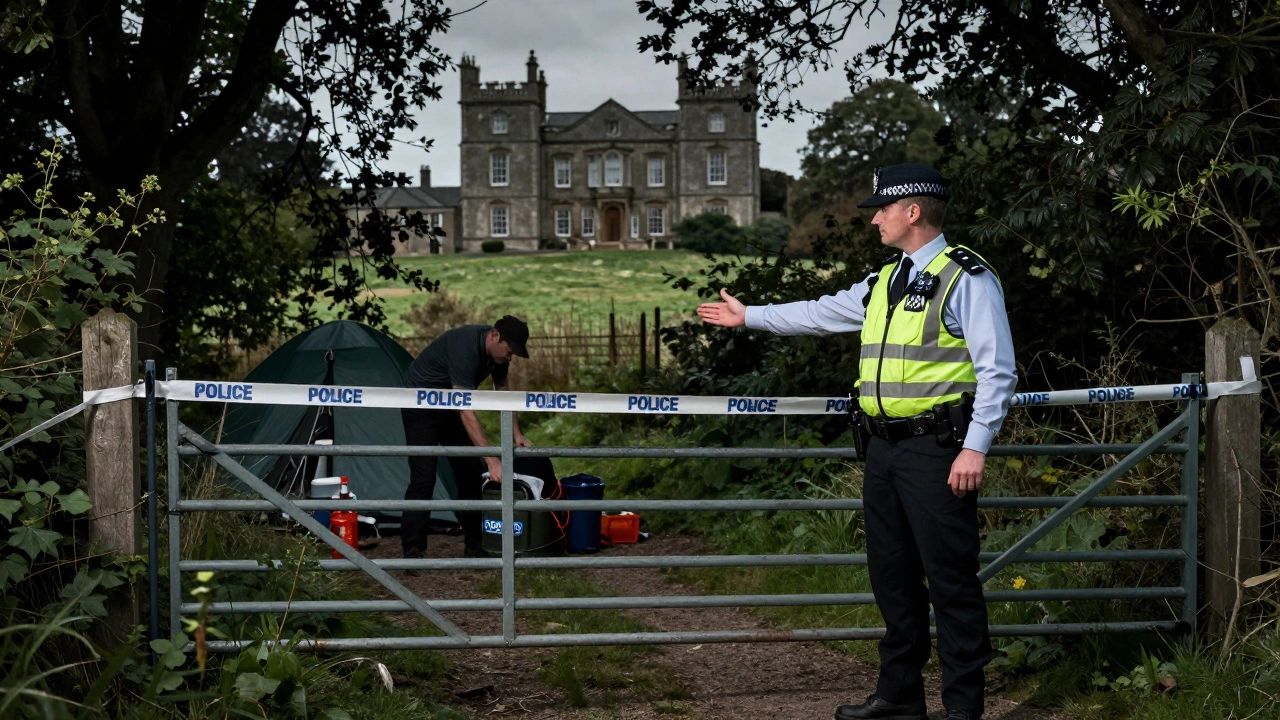
Under the Trespass Act 1960, sleeping in a vehicle on private land without permission is considered trespass. If you set up a tent and stay for more than a night or two, you are likely committing a civil offense. Landowners can ask you to leave. If you refuse, they can call the police. Once the police are involved, you can be charged with aggravated trespass under the Criminal Justice and Public Order Act 1994.
This act specifically targets "trespassers who have failed to leave when required." If you are living there, you are definitely not leaving. The penalty isn't just a warning; it can lead to criminal records and bans from accessing public lands in the future.
So, while popping a tent up for a weekend in the Lake District might get you a stern look from a ranger, staying for a month turns you into a squatter. And squatting in residential buildings is now a criminal offense under the Legal Aid, Sentencing and Punishment of Offenders Act 2012. While forests aren't residential buildings, the principle of unauthorized occupation holds strong.
The Scottish Exception: Right to Roam
If you want to live in the woods legally, you need to look north. Scotland operates under a completely different legal framework known as the Land Reform (Scotland) Act 2003. This legislation established the "Right to Roam," which grants everyone responsible access to most land and inland water in Scotland, regardless of ownership.
Does this mean you can build a cabin and live in the Highlands forever? Not quite. The right to roam allows you to camp for up to 28 days in one place. After that, you must move on. The code emphasizes "responsibility." You cannot cause damage, disturb wildlife, or create a nuisance. Setting up a permanent base, digging foundations, or chopping down trees for firewood is strictly prohibited.
Many people try to exploit this by moving every 27 days. However, local authorities can still issue notices if they believe you are effectively residing there rather than visiting. It’s a gray area, but it’s the closest thing to legal wild living in the UK. For true long-term stays, you still need permission from the landowner or a designated campsite.
Why People Still Try (and Get Caught)
You’ve probably seen videos online of people living in treehouses or hidden campsites. Why do they do it if it’s illegal? Usually, it’s driven by financial pressure or a desire for extreme minimalism. But the risks are real.
- Eviction: Police will remove you. They don’t negotiate. They clear the site.
- Gear Confiscation: In some cases, especially if you’re deemed a threat to public order, authorities can seize your belongings.
- Criminal Record: A charge for aggravated trespass stays on your record and can affect future employment.
- Safety Hazards: Without permission, you have no rights. If you get injured, landowners aren’t liable. Medical emergencies in remote woods are dangerous without reliable phone signal or access roads.
I once spoke to a guy named Dave who tried living in a disused barn in the Cotswolds for three months. He thought he was invisible. He wasn’t. A farmer found him after six weeks. Dave had to pack up everything in an hour. He lost his deposit for a flat he’d rented elsewhere because he couldn’t prove address stability. It wasn’t worth it.
Legal Ways to Live Close to Nature
Just because you can’t squat in a forest doesn’t mean you can’t live near one. Here are the legal pathways that thousands of Brits use to achieve that woodland lifestyle.
1. Long-Term Glamping and Eco-Sites
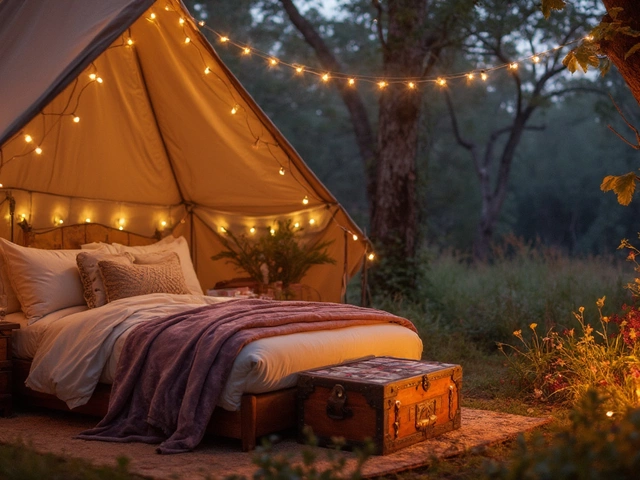
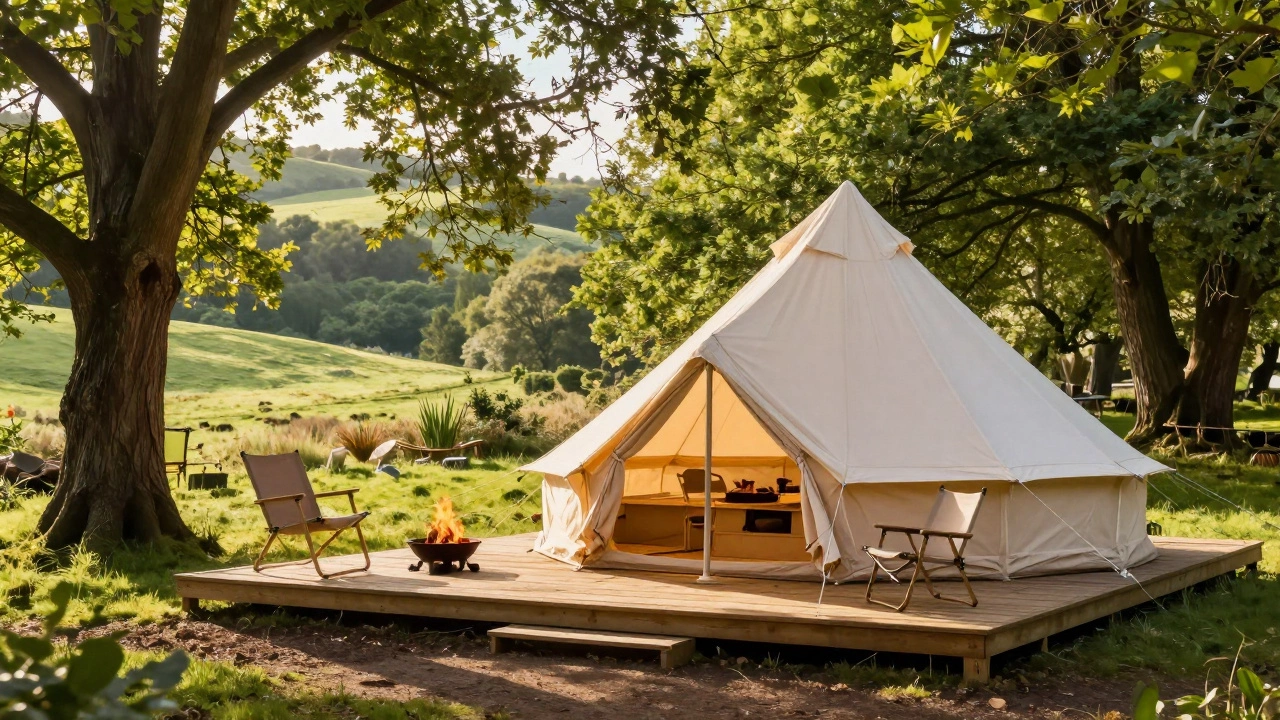
The glamping industry has exploded in the UK. Many sites now offer monthly rentals for yurts, bell tents, or tiny cabins deep in the woods. You pay a premium, but you get legality, hot showers, and sometimes even Wi-Fi. Look for sites that advertise "digital detox" or "nature immersion" packages.
2. Tiny Houses on Wheels (THOWs)
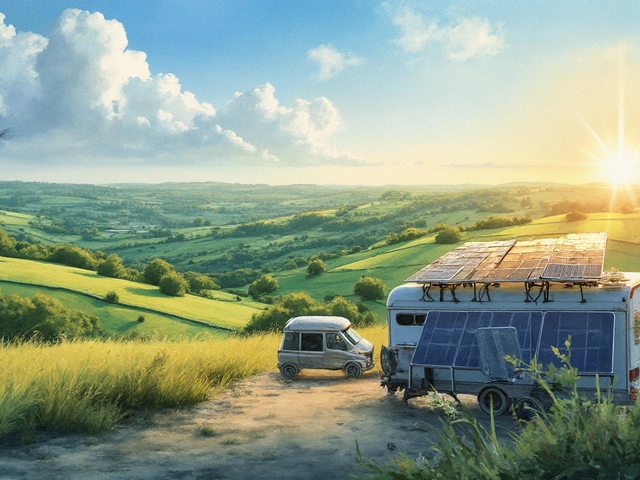
This is a tricky one. A tiny house on wheels is classified as a caravan, not a building. This means you don’t need planning permission to *build* it, but you do need permission to *park* it long-term. You can rent land from a farmer or buy a plot with existing planning consent for a caravan. Never assume you can park a THOW anywhere in the countryside; councils crack down on unauthorized static caravans regularly.
3. Volunteering on Farms or Forests
Organizations like WWOOF (World Wide Opportunities on Organic Farms) connect volunteers with hosts. In exchange for 4-6 hours of work a day, you get free accommodation and food. Many WWOOF hosts are organic farmers or permaculture enthusiasts living in rural settings. It’s a legitimate way to live in the countryside for months at a time.
4. Planning Permission for Eco-Homes
If you are serious about building, you can apply for planning permission for a small eco-home or cabin. Local councils are increasingly supportive of sustainable housing, especially if it replaces an old agricultural building. This requires money, paperwork, and patience, but it’s the only way to own your woodland home legally.
| Option | Legality | Cost | Duration | Best For |
|---|---|---|---|---|
| Wild Camping (England/Wales) | Illegal for long-term | Free (but risky) | 1-2 nights max | Weekend adventurers |
| Wild Camping (Scotland) | Legal (with restrictions) | Free | Up to 28 days | Extended trips, not residence |
| Glamping/Yurt Rental | Fully Legal | £500 - £1,500/month | Indefinite | Digital nomads, nature lovers |
| Tiny House on Rented Land | Legal (with permission) | £300 - £800/month rent | Long-term | Minimalists seeking stability |
| WWOOFing | Fully Legal | Free (work exchange) | Weeks to Months | Volunteers, learners |
What About National Trust and Forestry England?
Many people assume that because National Trust properties or Forestry England sites are open to the public, they are fair game for camping. This is a common misconception. These organizations manage millions of acres, but they also have strict rules to protect the environment.
Forestry England explicitly states that wild camping is not permitted on their land unless it is in a designated area. Designated wild camping spots are rare and usually require booking. Similarly, the National Trust generally prohibits overnight stays outside of official campsites. They do offer "secret campsites" for members, but these are curated experiences, not free-for-all wilderness survival zones.
Trying to sneak into a National Trust wood to sleep is disrespectful to the conservation efforts and easily detected. Rangers patrol these areas frequently. You’ll be asked to leave, and repeated offenses can lead to being banned from all National Trust properties nationwide.
Practical Tips for the Near-Wild Experience
If you are determined to experience woodland living without breaking the law, here is how to do it right.
- Ask Permission: It seems simple, but many landowners will say yes if you approach them politely. Explain who you are, how long you’ll stay, and assure them you’ll leave no trace. Some farmers allow quiet campers in exchange for helping with minor tasks.
- Use Designated Sites: Apps like Park4Night or WildCampUK list legal wild camping spots and approved campsites. Stick to these.
- Leave No Trace: Whether you are in Scotland or a paid glamping site, follow the principles: take all rubbish away, don’t light fires unless there’s a fire pit, and keep noise down. This keeps the culture alive for everyone.
- Check Seasonal Rules: Some areas ban camping during nesting seasons or dry periods due to fire risk. Ignorance isn’t a defense.
Final Thoughts: Is It Worth the Risk?
Living in the woods in the UK is a romantic idea, but the legal system doesn’t share your romance. The distinction between "visiting" and "living" is enforced strictly. While Scotland offers a unique window of opportunity with its Right to Roam, even there, permanent residence is not covered.
Your best bet is to embrace the legal alternatives. Rent a yurt, volunteer on a farm, or invest in a tiny house on permitted land. You’ll get the fresh air, the silence, and the connection to nature without the stress of hiding from the police. Plus, you’ll have a bed that’s actually warm in January.
Nature is resilient, but so is the law. Play by the rules, and you’ll find that the woods are welcoming enough-if you respect the boundaries.
Is wild camping legal in England?
No, wild camping is generally illegal in England. Most land is privately owned, and sleeping in a tent or vehicle without permission constitutes trespass. While it may be tolerated for one night in remote areas, staying longer risks eviction and legal action under the Criminal Justice and Public Order Act 1994.
Can I live in the woods in Scotland?
You can camp in the woods in Scotland for up to 28 days under the Right to Roam (Land Reform (Scotland) Act 2003). However, this does not grant the right to live there permanently. You must move on after 28 days, and you cannot build structures or cause disturbance. Long-term residence still requires landowner permission or a legal dwelling.
What happens if I get caught wild camping illegally?
If you are caught wild camping on private land in England, Wales, or Northern Ireland, the landowner can ask you to leave. If you refuse, the police can intervene. You may be charged with aggravated trespass, which can result in a fine, a criminal record, and confiscation of your camping gear.
Are there any places where I can camp for free legally?
In Scotland, you can camp for free on most land for up to 28 days. In England and Wales, there are very few options. Some designated wild camping sites exist in national parks like Dartmoor or Exmoor, but these are limited and often require adherence to strict codes. Always check local regulations before setting up.
Can I put a tiny house in the woods without planning permission?
No. Even if a tiny house is on wheels and classified as a caravan, you need permission from the landowner to park it there long-term. Additionally, local councils can enforce planning laws against unauthorized static caravans used as primary residences. You must secure land with existing planning consent or obtain new permission.
Is it safe to live in the woods off-grid?
Living off-grid in the woods carries significant safety risks. Without legal permission, you have no recourse if something goes wrong. Medical emergencies can be life-threatening due to lack of phone signal and access. Additionally, exposure to weather, wildlife, and potential conflict with landowners makes it unsafe compared to legal accommodations.
How can I legally live in nature in the UK?
You can legally live in nature by renting a glamping site or yurt, volunteering through WWOOF on farms, purchasing land with planning permission for a tiny house, or applying for planning permission to build an eco-home. These options provide stability, safety, and legal protection while allowing you to enjoy the outdoors.