Campsite Symbol Decoder
Quick Reference Guide
Decoded
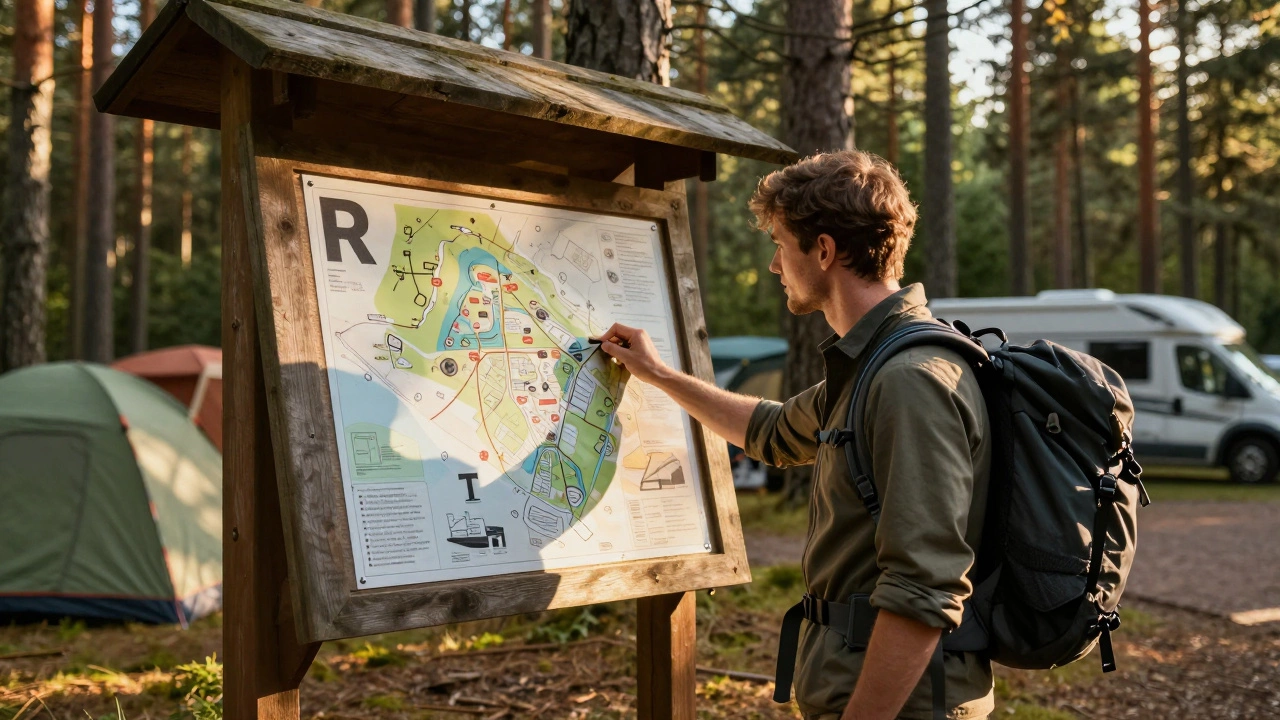
You pull into a busy forest campsite is a designated area within woodland or national park settings for overnight stays, your eyes scan the map, and there it is: a pitch marked with a big, bold "R." You’re not alone in wondering what that means. Is it reserved? Is it for recreational vehicles? Or is it just a random letter? Understanding these symbols saves you from awkward conversations with site hosts and ensures you don’t end up parking your tent where a motorhome belongs.
In the world of camping, letters are rarely decorative. They act as a quick visual language to communicate rules, amenities, and restrictions. The "R" is one of the most common markers you’ll see, especially in North America and increasingly in Europe and Australia. While it often stands for "RV" (Recreational Vehicle), its meaning can shift depending on the country, the specific campground management company, and the type of facility you’re visiting. Getting this right is crucial because setting up in the wrong spot can lead to fines, being asked to move, or simply having a terrible night’s sleep next to a generator humming all night.
The Primary Meaning: RV and Recreational Vehicles
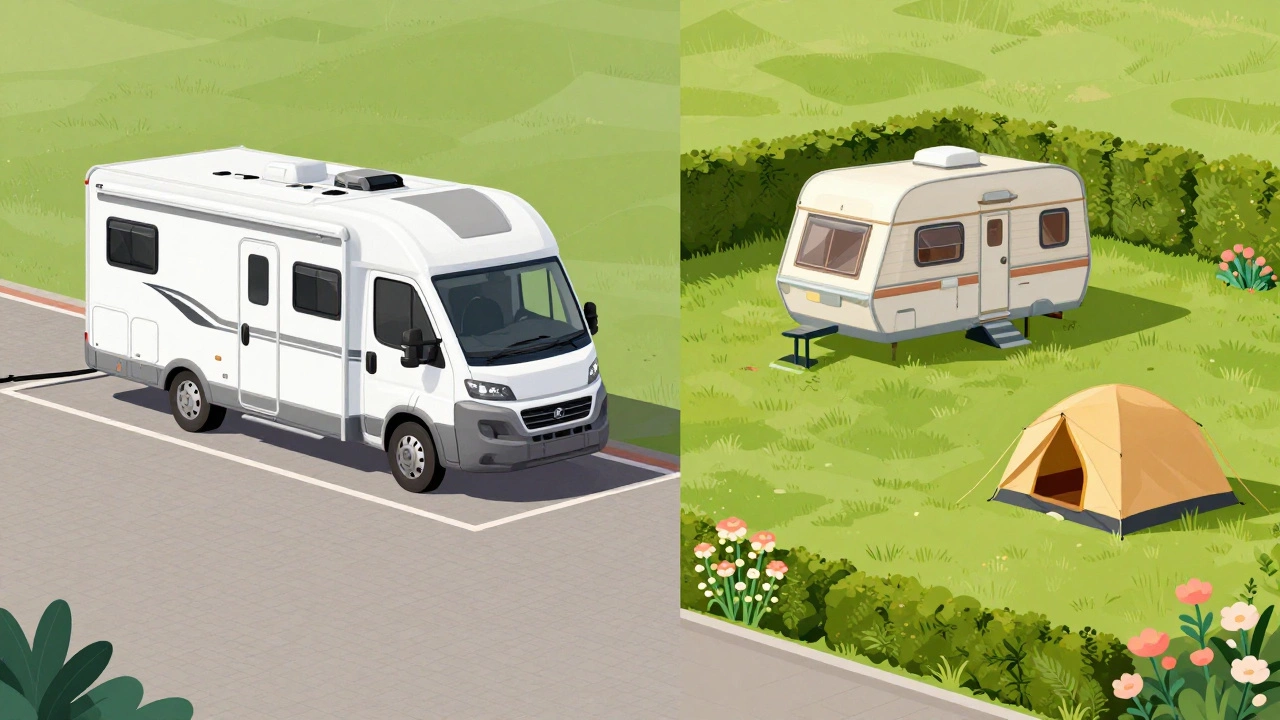
In the vast majority of cases, particularly in the United States and Canada, an "R" on a campsite map indicates a spot designated for RVs is Recreational Vehicles, including motorhomes, camper vans, and towable trailers. These sites are built with different infrastructure than standard tent pitches. They typically feature wider pads to accommodate large vehicles, electrical hookups (often 30-amp or 50-amp service), water connections, and sometimes even sewer dump stations nearby.
If you are arriving in a tent or a small backpacking setup, an "R" site is usually off-limits unless the campground explicitly states otherwise. Why? Because space is limited. Campgrounds allocate specific zones for tents to ensure safety and comfort. Mixing large motorhomes with flimsy canvas tents creates fire hazards and noise issues. An "R" site tells you, "This is for rigs." If you try to squeeze a tent into a space designed for a 40-foot Class A motorhome, you might find yourself blocking access roads or violating fire clearance regulations.
However, context matters. In some private campgrounds, "R" might stand for "Reserved," indicating that the site has been pre-booked by someone else. Always check the legend on the specific campground’s website or look for signage at the entrance. A legend will clarify if "R" means RV, Reserved, or something else entirely like "Restricted Access."
Regional Differences: US vs. UK vs. Australia
Camping culture varies wildly across borders, and so do the symbols. If you are used to camping in the US, you expect "R" to mean RV. But if you are traveling in the UK or Australia, the interpretation can be different.
In the UK, the term "RV" is less commonly used; people say "motorhome" or "caravan." Consequently, an "R" might not appear as frequently on public maps. Instead, you might see icons of caravans or motorhomes. However, in private holiday parks managed by companies like Center Parcs or Pitchup partners, "R" could denote a "Remote" site or a specific category of premium touring pitch. In Australia, where I spend a lot of time exploring the bush, "R" is sometimes used in national parks to indicate "Restricted" areas due to environmental sensitivity or fire danger. It could also mark a "River" access point, which is highly desirable for fishing or swimming but requires careful attention to flood warnings.
This regional variance is why relying solely on memory is risky. When you arrive at a new campground is a designated facility providing spaces for tents, caravans, and motorhomes with varying levels of amenities, your first stop should be the information board. Look for a key or legend. If it’s missing, ask the host. Assuming "R" means RV in a European forest campsite might lead you to a small, muddy patch intended only for small cars and tents, causing damage to the ground and frustration for the staff.
| Symbols/Letter | US/Canada Meaning | UK/Europe Meaning | Australia/NZ Meaning |
|---|---|---|---|
| R | RV / Recreational Vehicle | Reserved / Remote (varies) | Restricted / River Access |
| T | Tent Only | Tent Only | Tent Only |
| E | Electric Hookup | Electric Hookup | Electric Hookup |
| H | Handicap Accessible | Handicap Accessible | Accessible / Hardstand |
| P | Pet Friendly | Pet Friendly | Pet Friendly / Powered |
Other Common Camping Symbols You Should Know
While "R" grabs attention, it’s part of a larger alphabet soup of camping codes. Knowing these helps you choose the perfect spot for your needs. Here are the most frequent ones you’ll encounter:
- T (Tent): This is straightforward. The site is sized for tents only. No vehicles allowed beyond the immediate drop-off zone. These spots are often smaller, quieter, and located further from main roads.
- E (Electric): Indicates an electrical hookup is available. Check the amperage (15A, 30A, 50A) before you book. A 50-amp site won’t help you if your rig only has a 30-amp cord, and vice versa.
- H (Handicap/Accessible): These sites have paved surfaces, wider pathways, and closer proximity to restrooms. They are reserved for guests with mobility impairments but can sometimes be used by others if no disabled guests are present, depending on local laws.
- P (Pet/Powered): In many places, "P" means pet-friendly. However, in some Australian and European contexts, it can mean "Powered," indicating electricity is available. Always double-check the legend.
- N (No Service/Non-Powered): These are basic sites with no water, electricity, or sewer hookups. Great for off-grid enthusiasts or those who want to disconnect completely.
- W (Water): Water hookup available. Essential for long-term stays or hot climates where you need to rinse off dust or wash dishes.
Why Site Designations Matter for Your Experience
You might think, "I’ll just pick any empty spot." But site designations exist for good reasons. Choosing the wrong site can ruin your trip. Imagine booking a quiet, secluded tent site only to find out it’s actually an "R" site for RVs. You arrive to find massive motorhomes parked nose-to-tail, generators running until midnight, and kids playing tag around hard tires. That’s not the peaceful forest experience you signed up for.
Conversely, if you’re in a motorhome and accidentally take a "T" (Tent) site, you might block the path for other campers, violate fire codes by parking too close to vegetation, or simply not fit. Some tent sites have narrow driveways that a wide vehicle cannot navigate without scraping branches or hitting posts. This isn’t just about etiquette; it’s about safety and preserving the natural environment.
Furthermore, amenities vary by site type. An "R" site might offer full hookups, while a nearby "T" site might only have a communal shower block 200 meters away. If you value convenience, knowing the difference between powered and non-powered sites is critical. Always match your gear to the site code. If you’re bringing a generator, stick to "R" or "E" sites to avoid disturbing neighbors.
How to Verify Site Codes Before You Book
Mistakes happen, but they’re easy to avoid with a little prep. Here’s how to make sure you understand what "R" means for your specific destination:
- Check the Official Website: Most reputable campgrounds, whether run by government agencies like the National Park Service (US) or Forestry England (UK), provide detailed maps with legends. Look for a PDF map or an interactive site planner.
- Read Recent Reviews: Platforms like TripAdvisor, Yelp, or specialized camping apps often have photos of sites. Users might comment, "The R sites are huge and noisy," or "Make sure you know R means Reserved here." Real-world feedback is invaluable.
- Contact the Host: If the map is unclear, call or email the campground office. Ask directly: "Does the R on my reservation mean RV-only, or can I bring a tent?" They appreciate clarity and will save you from potential conflicts.
- Look for On-Site Signage: Upon arrival, don’t assume. Drive slowly past the first few sites. Look for signs at each pitch number. Many campgrounds place small plaques listing the site type, size limits, and amenities.
Pro Tips for Navigating Forest Campsites
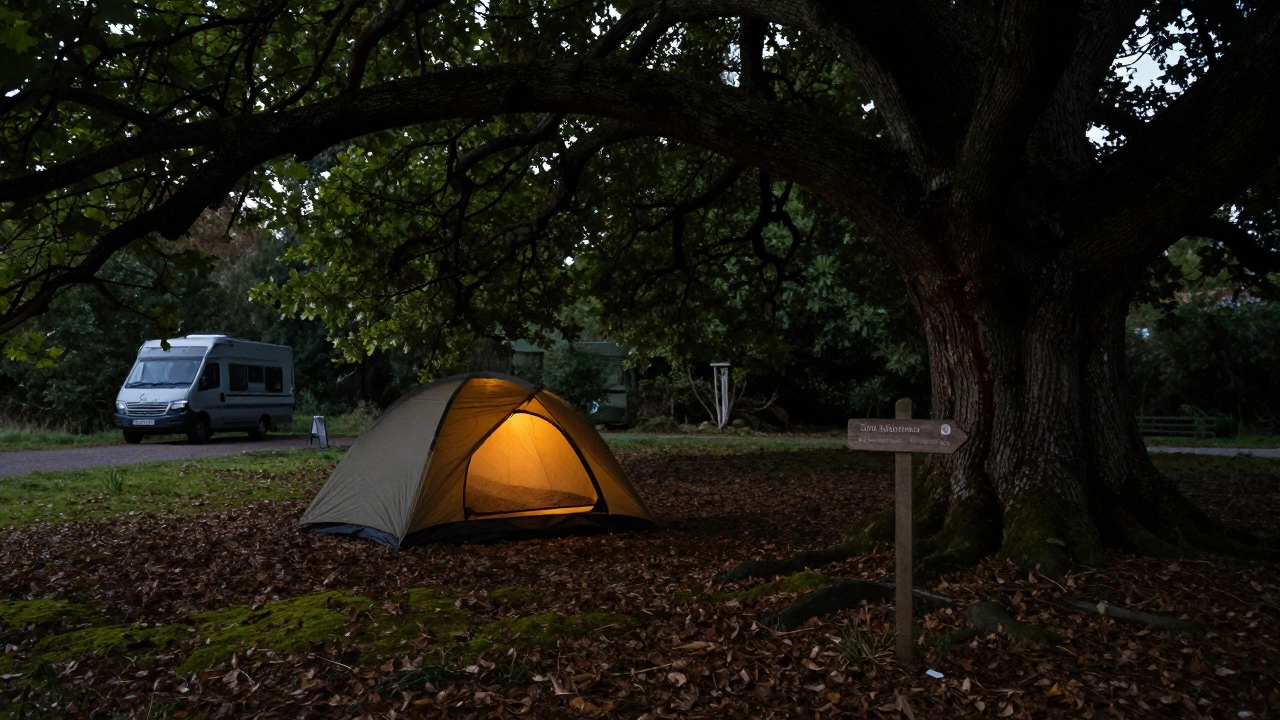
Forest campsites offer unique challenges compared to desert or beach locations. Trees limit sunlight, meaning solar panels might not charge efficiently. Roots can make leveling difficult for RVs. And fallen branches can be a hazard after storms. When you see an "R" site in a dense forest, pay attention to the canopy overhead. If it’s thick, you might struggle with satellite TV or cell service. Also, check for "Fire Danger" ratings. In dry seasons, some "R" sites may be restricted to electric-only cooking to prevent wildfires.
Another tip: arrive early. Popular "R" sites with full hookups fill up fast, especially during holidays. If you’re flexible, consider booking a "T" site even if you have an RV. Many modern camper vans fit comfortably in tent sites, offering a more immersive nature experience. Just confirm with the host that your vehicle’s dimensions allow it.
Finally, respect the community. Whether you’re in an "R" site or a tent spot, keep noise down, secure your food from wildlife, and leave no trace. The goal of camping is to enjoy the outdoors, and clear communication through site codes helps everyone achieve that.
Can I put a tent in an R site?
Generally, no. R sites are designated for RVs and motorhomes. Tents are usually restricted to T sites to ensure safety and proper spacing. However, some private campgrounds may allow tents in R sites if they are booked in advance. Always check with the specific campground's policy before attempting to set up a tent in an R site.
What does E mean on a campsite map?
E typically stands for Electric Hookup. This means the site has an electrical outlet available for your use. Check the amperage (15, 30, or 50 amps) to ensure it matches your vehicle's requirements. Some sites may also include water (W) and sewer (S) hookups, often labeled as EWS.
Is R always for RVs in the UK?
Not necessarily. In the UK, R can sometimes mean Reserved or Remote. While motorhome sites are common, they are often marked with caravan icons rather than the letter R. Always consult the specific campsite's legend or contact them directly to confirm the meaning of R in their context.
What if I book an R site but only have a car?
If you book an R site with a car, you may face issues. The site might be too large, expensive, or located in an area unsuitable for pedestrian access. Additionally, you might be charged a higher rate than necessary. It’s best to cancel and rebook a T (Tent) or Car site if you don’t have an RV. Contact the campground immediately to adjust your reservation.
Are R sites more expensive than T sites?
Yes, R sites are usually more expensive. They offer larger spaces, electrical hookups, and sometimes water and sewer connections. These amenities require maintenance and infrastructure costs, which are reflected in the price. T sites are generally cheaper as they offer fewer services and smaller footprints.