Can You Leave Your Dog at a Campsite? Safety and Rules Guide
Can You Leave Your Dog at a Campsite? Safety and Rules Guide
Apr 20, 2026
Campsite Dog Safety Risk Evaluator
Select the scenarios that apply to your current situation to see the potential risk level and safety recommendations.
Current Scenario:
High
Leaving dog in a car/caravan
Med
Leaving dog in a tent
Med
Tied to a tree or fence
Low
Unattended in open site
Environmental Factors:
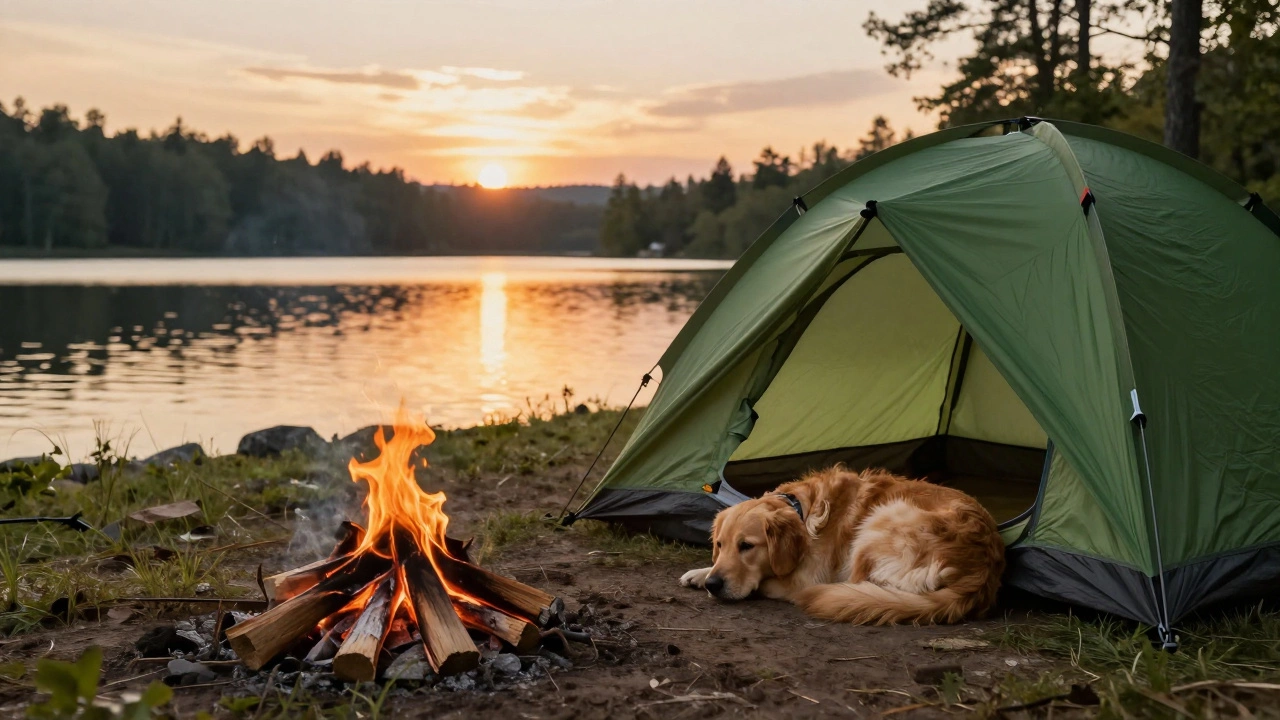
Imagine this: you've just set up your tent, the campfire is crackling, and you want to head to the nearby lake for a quick swim. You look at your dog, curled up in the shade of the awning, and wonder if it's okay to leave them there for an hour. It seems harmless, but leaving a dog alone at a campsite is a gamble that often ends in a panicked phone call from a park ranger or a trip to the vet. Whether you're at a commercial park or a remote spot, the short answer is that you should almost never leave your dog unattended, but the 'why' and the 'how' depend on where you are and who your dog is.
Quick Takeaways for Pet Owners
Never leave dogs in cars: Temperatures can spike in minutes, leading to heatstroke.
Check local laws: Many parks have strict 'leash or handler' rules that make leaving a dog alone illegal.
Environmental risks: Wildlife, poisonous plants, and curious strangers are constant threats.
Stress factors: Strange smells and sounds in a new environment can trigger anxiety or aggression.
The Legal Side of Dog-Friendly Campsites
Before you even pack the kibble, you need to understand that dog friendly campsites is a designation for campgrounds that allow pets on their premises, though usually under specific restrictions. Just because a site is "dog friendly" doesn't mean it's a free-for-all. Most commercial parks and national forests operate under a strict "under control" policy. In the eyes of a park ranger, a dog tied to a tree or left in a tent without a human is not "under control."
If you're camping in the US, for example, many National Park Service (NPS) regulations explicitly forbid leaving pets unattended. If a ranger finds your dog alone, they might not just give you a warning; they could potentially cite you for animal neglect or abandonment. In Australia, state-run parks often have similar mandates to protect native wildlife from domestic pets. If your dog chases a wallaby or a rare bird while you're away, you're looking at heavy fines.
The Danger of the 'Quick Trip'
You might think, "My dog is chill, he'll just sleep." But the wild is unpredictable. When you leave your dog, you're removing their primary protector. Let's look at a few real-world scenarios that go wrong. A squirrel runs past, and your dog, driven by instinct, snaps the leash or digs under the fence. Now you have a lost dog in a forest with potentially dangerous terrain. Or, a curious camper walks by and tries to pet your dog, but your dog perceives the stranger as a threat to the camp, resulting in a bite.
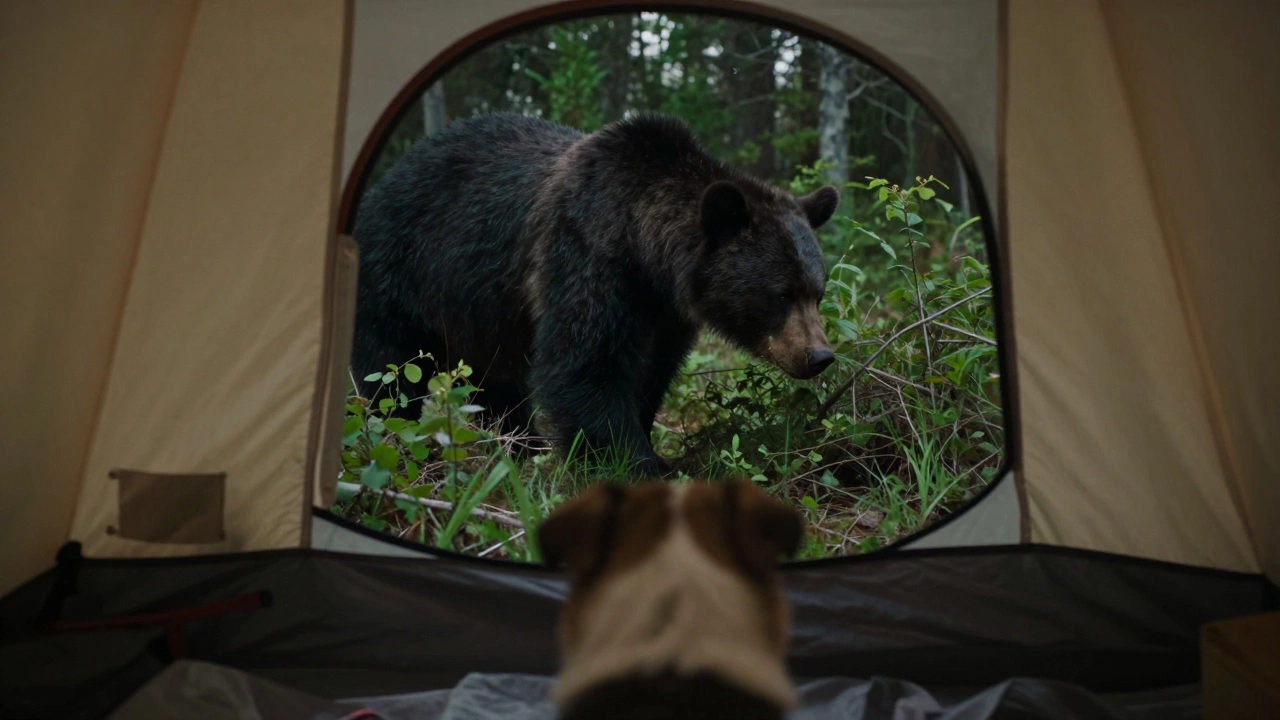
Then there's the wildlife. Depending on where you are, a dog left alone is a target or a provocation. In North America, a Black Bear might be attracted to the smell of dog food left near the tent, and your dog will likely fight to defend that food. In that fight, the dog is almost always the one who loses. Even something as small as a bee sting or a poisonous berry can become a crisis if there's no one there to provide immediate first aid.
Risks of Leaving Dogs Unattended vs. Supervised
Risk Factor
Unattended Status
Supervised Status
Wildlife Conflict
High (defensive aggression/predation)
Low (human intervention)
Environmental Hazards
High (poisonous plants/wild berries)
Low (active monitoring)
Stranger Interaction
Unpredictable (stress-induced biting)
Controlled (owner guidance)
Temperature Stress
Critical (especially in cars/tents)
Managed (hydration/shade)
The Temperature Trap: Tents and Cars
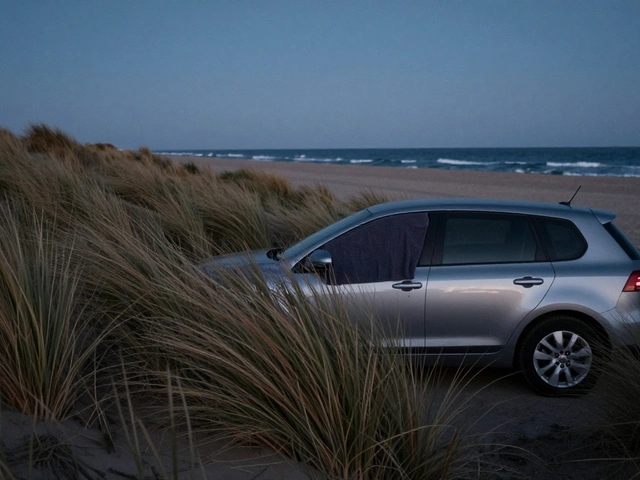
One of the biggest mistakes campers make is leaving a dog in a Caravan or a car to keep them cool. It's a myth that cracking the window helps. On a 25°C (77°F) day, the inside of a car can hit 38°C (100°F) in just ten minutes. Dogs don't sweat like we do; they rely on panting, which becomes ineffective when the air they're breathing is already hot. Heatstroke happens fast and is often fatal.
What about the tent? A tent can act like a greenhouse. If it's a sunny day and your dog is trapped in a nylon tent, the temperature inside can skyrocket. Furthermore, if your dog panics-maybe because of a thunderstorm or a loud neighbor-they can easily rip through the fabric of a standard tent or knock over your camping stove, creating a fire hazard. A dog in a state of anxiety doesn't think about the cost of the gear; they just want to get out.
Better Alternatives to Leaving Them Alone
If you absolutely need to do something that your dog can't join, you have a few options. The first and best is to find a "buddy system." Many camping communities are tight-knit. If you've spent the evening chatting with the neighbors, they might be happy to keep an eye on your pup for twenty minutes. Just make sure you've introduced them first so the dog doesn't react poorly.
If that's not an option, consider a Dog Daycare in the nearest town. Many towns near popular camping hubs have boarding services specifically for tourists. It's a bit more expensive, but it's cheaper than a vet bill for a snake bite or a fine from the park service. If you're in a remote area, the only real option is to adjust your plans. If the activity isn't dog-friendly, it might be time to bring a friend who can trade shifts with you on dog duty.
Essential Gear for Safe Camping with Dogs
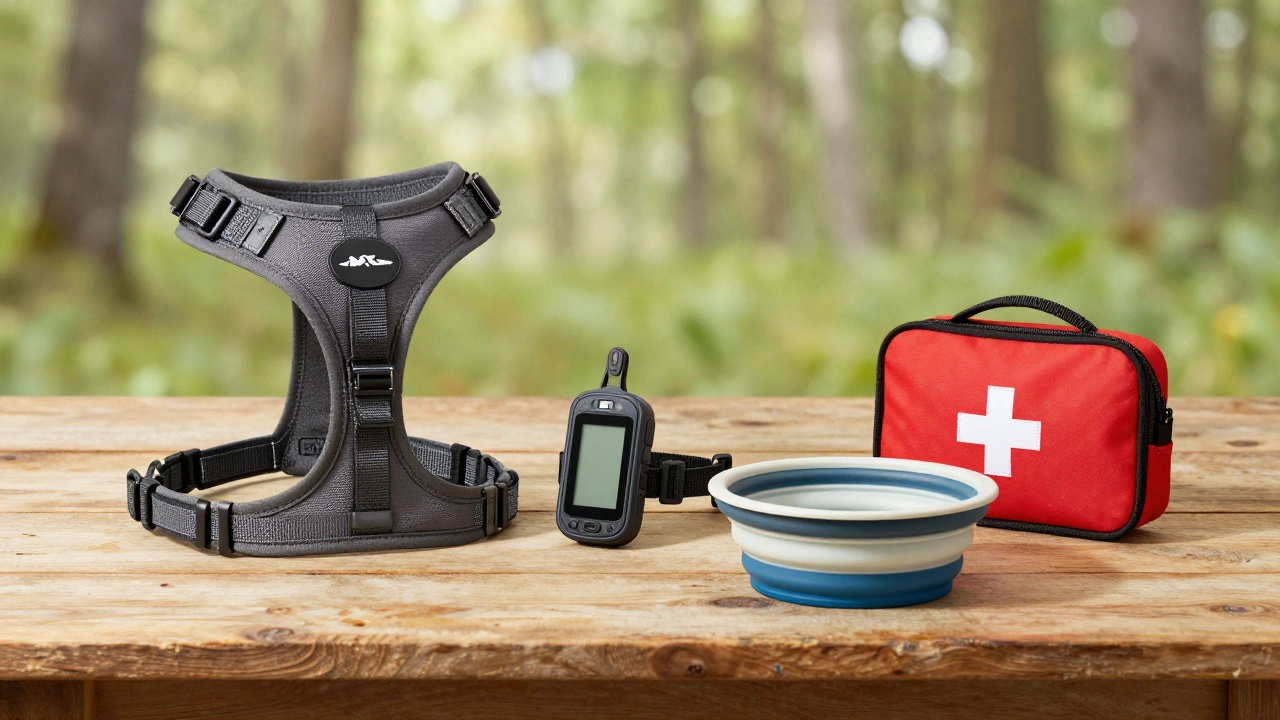
To make the most of your trip without risking your dog's safety, you need the right kit. Forget the standard house collar; you need a sturdy harness and a long-line lead (15-30 feet) that allows the dog to explore while still being tethered to you. A GPS collar is also a lifesaver in the wilderness; if they do bolt, you can track them via satellite rather than wandering the woods for hours.
Don't forget the health basics. A portable first-aid kit specifically for dogs-including styptic powder for torn nails and a tick removal tool-is mandatory. Also, bring a collapsible water bowl and a gallon of extra water. Dehydration happens quickly when dogs are excited by new smells and hiking trails. If you're in an area with Ticks, apply a vet-approved preventative before you leave home, as wilderness ticks can carry nasty diseases like Lyme or Ehrlichiosis.
Can I leave my dog in a crate at the campsite?
Generally, no. While a crate is safer than a loose dog, it doesn't protect them from heat, wildlife, or the stress of being alone in a strange place. Additionally, many campsites consider a crated dog "unattended," which may violate park rules.
Is it okay to leave my dog on a long leash while I go to the bathroom?
For a very short duration (2-5 minutes) where you are still within sight and earshot, this is usually acceptable. However, this is not "leaving them alone" in the long term. Always ensure the leash is secured to a heavy, immovable object.
What should I do if my dog gets loose at a campsite?
Immediately notify the campsite manager or park ranger. They can alert other campers and help coordinate a search. Use a loud whistle or a treat pouch to call them back, and avoid chasing them in a way that might make them think it's a game and run further away.
Do all dog-friendly campsites allow dogs to roam free?
Almost never. "Dog friendly" means they are allowed on the property, but almost every site requires them to be on a leash. Off-leash areas are rare and usually clearly marked as "dog parks" or designated trails.
How do I prevent my dog from barking at other campers?
Give your dog a high-value chew toy or a Lickimat to keep them occupied. Creating a visual barrier with a tarp or a parked car can also help reduce their reactivity to strangers walking past your site.
Next Steps for a Stress-Free Trip
If you're planning your first trip with a pup, start with a "dry run." Set up your tent in the backyard or a local park for a few hours to see how they react to the gear and the sounds. This builds their confidence and teaches them that the tent is a safe space, not a cage.
Check the specific rules of your destination. Some parks have "quiet hours" where dogs are expected to be settled, and others may have restrictions on the size or breed of dog allowed. If you're unsure, send a quick email to the campsite host. It's much better to find out a site isn't right for your dog now than to arrive and be told you have to leave.
I specialize in recreation and tourism, focusing on writing about campsites and motorhomes. Exploring the great outdoors through the lens of leisure and travel is my passion. I guide others to amazing experiences on the road and under the stars. My journey allows me to share unique stories and insights I gather from magnificent locations. Writing helps me connect adventurers of all sorts with the wonderful possibilities that await them.