Motorhome Parking Rule Checker
Select a location type and your intended stay duration to see the likely rules, risks, and tips for that scenario.
Verdict
Key Regulations
Pro Tip
You just bought your dream Class C motorhome. The engine is purring, the fridge is stocked, and you’re ready to hit the open road across America. But then the panic sets in: where do you actually sleep tonight? Can you just pull into any empty spot on a quiet street or a random dirt road and call it a night?
The short answer is no. While the United States offers some of the best free camping opportunities in the world, it’s not the Wild West out there. Parking a motorhome "anywhere" can lead to hefty fines, towing nightmares, or waking up to a ranger tapping on your window. The rules change depending on whether you’re on federal land, state property, city streets, or private business lots. Understanding this patchwork of regulations is the difference between a stress-free adventure and a ruined vacation.
Key Takeaways
- Federal Land is Your Best Bet: Bureau of Land Management (BLM) and US Forest Service lands generally allow free "dispersed camping" for up to 14 days, provided you follow Leave No Trace principles.
- City Streets are Tricky: Overnight street parking varies wildly by municipality. Many cities ban RVs from residential zones after dark or limit stays to 2-3 hours.
- Private Business Permission: Stores like Walmart often allow overnight parking, but this is a courtesy, not a right. Always ask management first, as local ordinances may override corporate policy.
- Highway Rest Areas Have Limits: Most interstate rest stops allow 8-10 hour naps, not full nights of camping. Setting up chairs and awnings can get you ticketed.
- Residential Zones are Strict: In most suburban and urban areas, parking a large RV on a residential street overnight is illegal without specific permits.
The Federal Loophole: BLM and National Forests
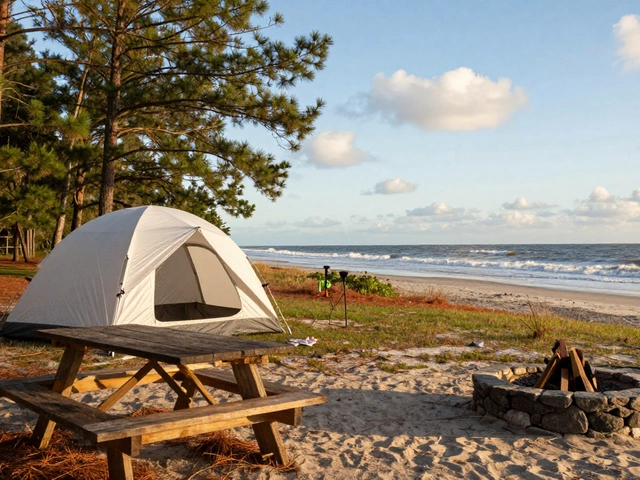
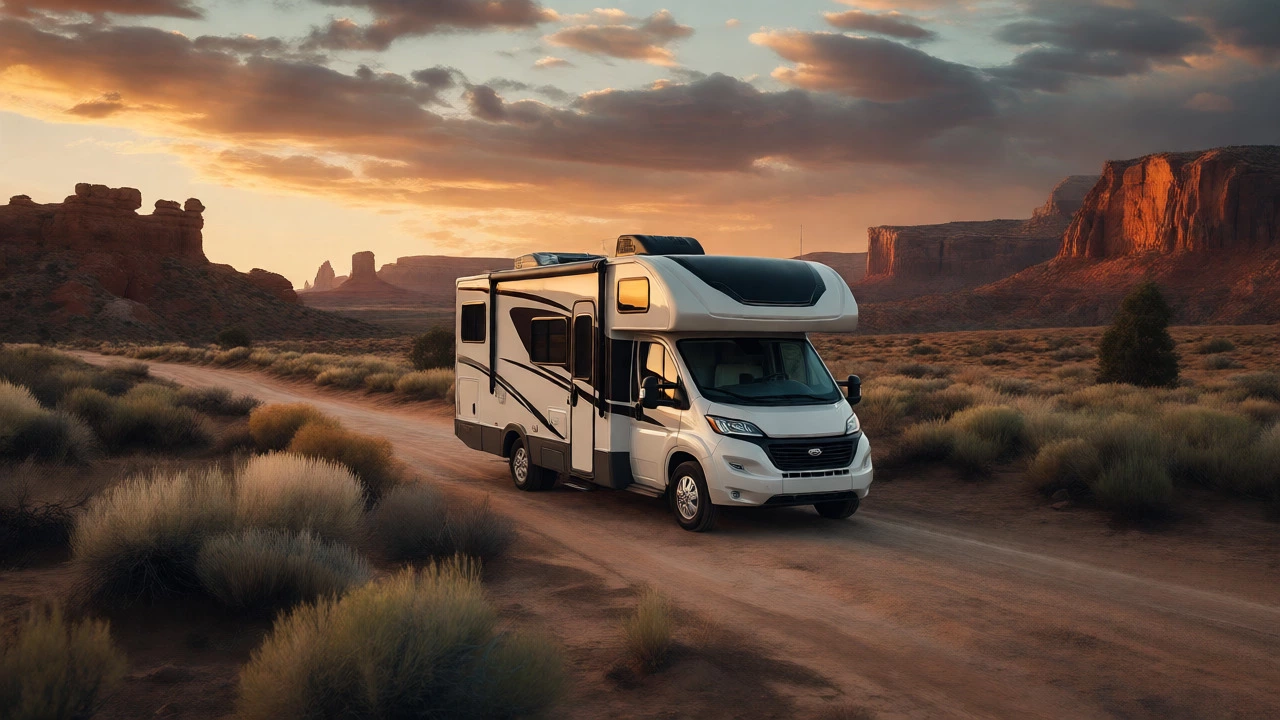
If you want to park motorhome anywhere with minimal restrictions, look at federal public lands. This is where the concept of "boondocking"-dry camping without hookups-thrives. Two main agencies control vast stretches of American wilderness: the Bureau of Land Management (BLM) and the US Forest Service.
On BLM land, you can typically camp for free for up to 14 consecutive nights within a 28-day period. This rule applies to most non-designated areas. You don’t need a reservation. You don’t pay a fee. You just need to find a flat spot, ensure you aren’t blocking trails or fire roads, and pack out all your trash. It’s arguably the most liberating way to travel in the US.
National Forests operate similarly but with slight variations. Dispersed camping is allowed almost everywhere unless signs explicitly prohibit it. However, be careful near popular trailheads or developed campgrounds. Rangers monitor these areas closely during peak seasons (June through September). If you set up shop too close to a designated campground, they might move you along. Always check the specific forest’s website before heading deep into the woods, as local orders can temporarily restrict access due to fire danger or wildlife protection.
Urban Jungle: City Streets and Residential Zones
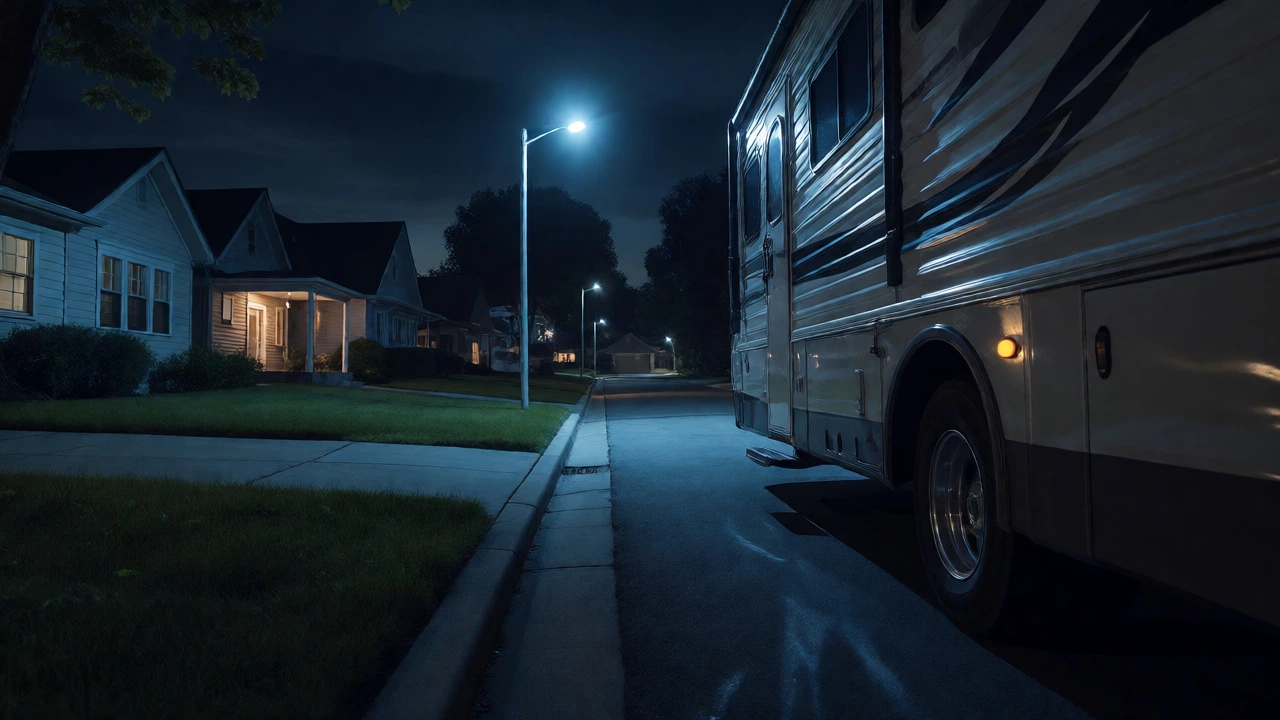
Driving into a major city like New York, San Francisco, or Chicago changes the game entirely. Here, the question isn't about nature; it's about zoning laws. Most municipalities have strict ordinances regarding vehicle size and parking duration in residential neighborhoods.
In many suburbs, you cannot park an RV over 22 feet long on a public street overnight. Some cities allow it only if the vehicle is registered and insured, while others ban commercial vehicles entirely. Even if you find a wide avenue, you risk getting a citation for "blocking visibility" or "abandonment."
A common mistake tourists make is assuming that because a car can park, an RV can too. Not true. Cities like Los Angeles have specific "RV Parking Zones," but they are limited and often require permits. In downtown cores, look for paid lots designed for tour buses. They are expensive ($50-$100 per night), but they keep you legal and safe. Never assume a quiet side street is fair game. Read the signs. If you see "No Parking 2 AM - 6 AM," that applies to you, even if you’re just sleeping inside.
The Retail Courtesy: Walmart and Big Box Stores
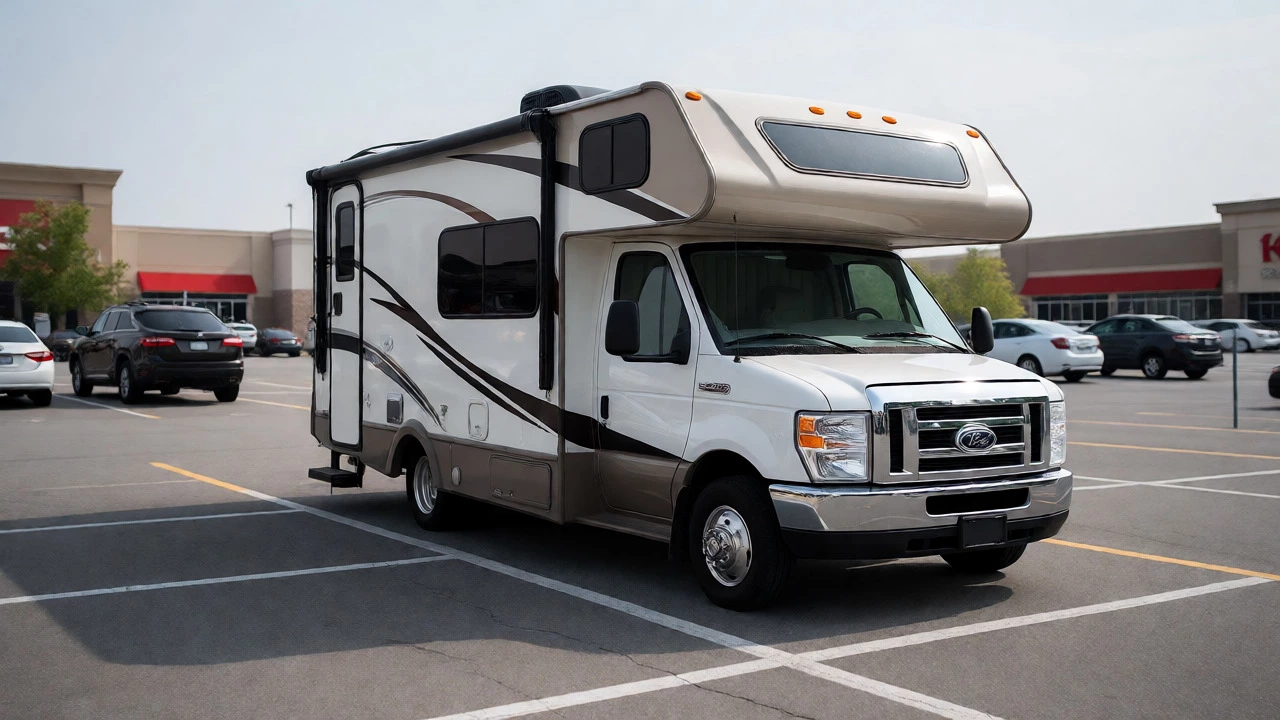
For decades, Walmart has been synonymous with free overnight RV parking. The idea is simple: you buy groceries, fuel, or supplies, and the store lets you sleep in their parking lot for free.
However, this is not a law. It is a courtesy extended by individual store managers. Policies vary by location and are heavily influenced by local city ordinances. For example, some cities in California and Colorado have banned overnight RV parking at retail stores entirely due to housing crisis concerns. Just because the sign says "No Camping" doesn't mean you can't park; it means you can't set up chairs, grills, or slides. Keep it tight.
Other chains like Cracker Barrel, Bass Pro Shops, and Cabela’s often welcome RVers. These locations usually offer better amenities, such as cleaner restrooms and safer lighting. Always knock on the door or visit the customer service desk upon arrival. Ask permission. A friendly conversation can save you from being asked to leave at midnight. If a manager says no, respect it immediately. Arguing rarely ends well and hurts the reputation of the RV community.
Highway Rest Areas and State Parks
When you’re exhausted and miles from civilization, highway rest areas seem like a lifeline. But here’s the catch: most are designed for driver fatigue recovery, not tourism. The Department of Transportation in each state sets the rules.
In states like Texas and Florida, rest areas often have clear time limits, typically 8 to 12 hours. Staying longer than this can result in fines. Furthermore, "camping" behaviors-such as deploying awnings, using outdoor tables, or cooking outside-are strictly prohibited. You must stay inside your rig. If you need to shower, cook, and relax, rest areas are poor choices. They are noisy, bright, and lack privacy.
State parks offer a middle ground. Unlike federal land, state parks usually charge fees ($15-$40 per night). However, they provide water, electric hookups, dump stations, and showers. Some state parks have "day-use only" areas where you can park for a few hours but not sleep. Check the park’s status online before arriving. During drought years, some states close primitive camping sites entirely to prevent wildfires.
Private Land and Social Apps
If public options feel too uncertain, consider the growing ecosystem of private land sharing. Platforms like Harvest Hosts and Boondockers Welcome connect RVers with private property owners.
Harvest Hosts partners with wineries, breweries, museums, and golf courses. For an annual membership fee (around $99), you get free overnight stays at participating locations. The trade-off? You usually agree to spend money at the host venue. It’s a great way to explore rural America while supporting small businesses.
Apps like iOverlander and RV Life rely on user-generated data. Travelers mark spots as "good," "bad," or "ranger patrol." These crowdsourced reviews are invaluable. A spot might be technically legal but poorly lit or prone to theft. Reading recent comments helps you avoid surprises. Remember, user data can be outdated. Always verify current conditions locally.
Comparison of Parking Options
| Location Type | Cost | Typical Duration Limit | Amenities | Risk Factor |
|---|---|---|---|---|
| BLM / National Forest | Free | 14 days | None (Dry) | Low (if following rules) |
| City Street | Free/Paid | Hours (varies) | None | High (Fines/Towing) |
| Walmart / Retail | Free | 1 Night | Restrooms | Medium (Policy Changes) |
| Highway Rest Area | Free | 8-12 Hours | Restrooms | Medium (Time Limits) |
| State Park | $15-$40 | Reservation based | Full Hookups | Low |
| Harvest Hosts | Membership Fee | 1 Night | Varies | Low |
Pitfalls to Avoid
Even experienced travelers slip up. One major pitfall is ignoring "No Overnight Parking" signs that apply specifically to trucks and RVs. Sometimes, cars can park, but larger vehicles cannot. Another issue is dumping waste. Never dump gray water or black tank contents on the ground, even in remote areas. It’s illegal and environmentally damaging. Use designated dump stations.
Also, beware of "ghost towns" or abandoned buildings. While they look picturesque, they often sit on private land owned by heirs or corporations. Trespassing laws still apply. If there’s a fence, respect it. Finally, watch for seasonal closures. Many mountain passes and forest roads close in winter due to snow. Getting stuck on a closed road can be dangerous and costly to extract.
Frequently Asked Questions
Is it illegal to sleep in my motorhome on the side of the road?
It depends on the jurisdiction. On interstate highways, pulling onto the shoulder is generally for emergencies only, not sleeping. On secondary roads, it varies by county. Some rural counties allow it if you are off the paved surface and not obstructing traffic. Urban areas almost always prohibit it. Always check local signage.
Do I need a permit for dispersed camping on BLM land?
Generally, no. Standard dispersed camping on BLM land does not require a permit or fee for stays up to 14 days. However, certain high-demand areas or special recreation management areas may require a permit. Always check the local BLM field office map or website for exceptions.
Can I park my RV in a Walmart parking lot in every state?
No. While Walmart corporate historically allowed it, many cities and states have passed ordinances banning overnight RV parking at retail establishments. California, Oregon, and parts of Colorado are particularly strict. Always call the specific store ahead of time or use an app like iOverlander to verify current permissions.
What happens if I get a ticket for parking illegally?
You will likely receive a fine ranging from $50 to $500 depending on the city. In severe cases, especially if you block traffic or violate residential zoning repeatedly, your motorhome could be towed. Towing fees plus impound storage costs can quickly exceed $1,000.
Are there safety concerns with boondocking alone?
Safety is generally good on public lands, but isolation carries risks. Ensure your tires are in good condition in case you need to move quickly. Carry enough water and food in case of weather delays. Inform someone of your location. Using apps to read recent user reviews can help you avoid spots known for crime or aggressive locals.
Next Steps for Your Trip
Before you start your engine, download offline maps of your intended route. Mark potential BLM spots and state parks. Call ahead to retail locations if you plan to rely on them. Pack a "stealth mode" kit: blackout curtains, low-profile setup gear, and a broom to sweep away debris when you leave. Respect the land, follow the rules, and you’ll find that parking a motorhome in the USA is less about restriction and more about finding the right fit for your style of travel.