Last-Minute Camping Trip Planner
Plan your escape efficiently. This tool helps you determine when to leave so you can set up camp in daylight, even during the short winter days.
Enter details and click calculate to see your timeline.
Select season to generate specific advice.
You wake up on a Tuesday morning, look out the window, and feel that itch. You want to be outside, but you haven't booked anything for months. Panic sets in? It shouldn’t. Planning a last minute camping trip is less about perfect logistics and more about flexibility. If you know where to look and what to pack, you can be sleeping under the stars by Friday night without breaking the bank or your back.
The Golden Rule: Check Availability First
Before you start packing clothes or checking your tent for holes, you need to secure a spot. In Australia, the landscape is vast, but popular areas near major cities like Sydney, Melbourne, or Brisbane fill up fast during weekends and school holidays. Your first move is to check availability on official state parks websites or popular private campsite aggregators. Don’t rely on word of mouth; real-time data is your best friend here.
If your first choice is fully booked, don’t stop searching. Look at neighboring regions. For example, if the Blue Mountains are full, check the Hawkesbury River area or even further out towards the Central Coast. Private sites often have last-minute cancellations that appear online only 48 hours before arrival. Set up alerts if the platform allows it, or simply refresh your browser every few hours during the workday when people cancel plans.
Packing Light: The 72-Hour Kit
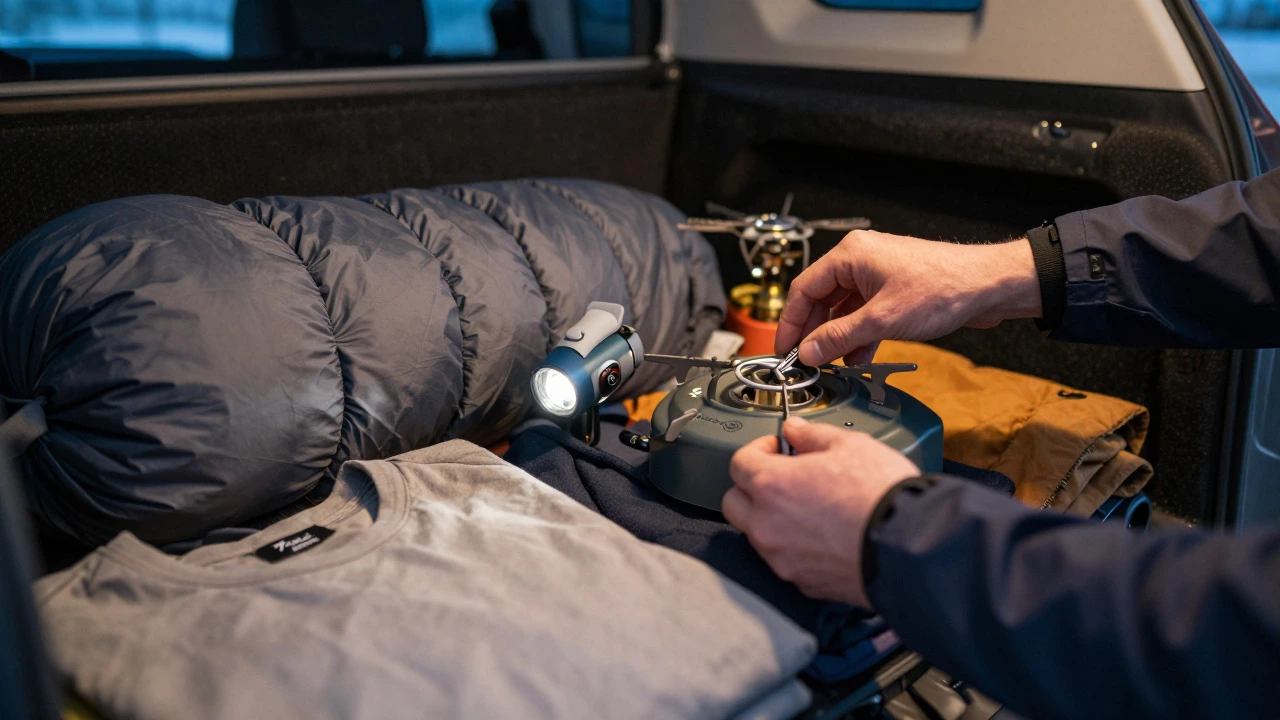
When time is short, overpacking is your enemy. You don’t have time to organize a massive gear list. Instead, focus on the essentials that cover 90% of camping needs. Think of this as your "survival kit" plus comfort items.
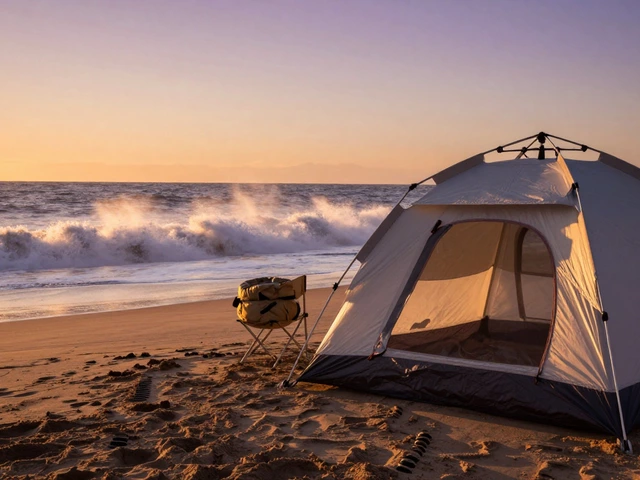
- Shelter: A reliable tent or tarp. If you own one, test it at home first. If not, consider renting from a local sports store or staying at a site with cabins/tent hire.
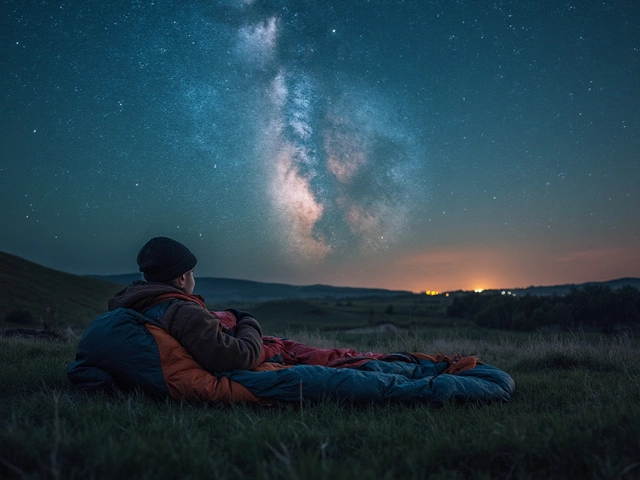
- Sleep System: Sleeping bag rated for the season (in August, it’s winter in Australia, so bring warmth) and a sleeping pad. Insulation from the ground is crucial.
- Cooking: A portable stove, fuel, lighter, and basic cookware. Avoid complex setups. A single pot and pan will do.
- Lighting: Headlamp (hands-free is better) and backup batteries. Campsite lights aren’t always available or bright enough.
- Clothing: Layers are key. Base layer, insulating mid-layer, and waterproof outer shell. Plus, dry socks and a warm hat.
Leave behind the heavy hiking boots unless you’re trekking far from the car. Comfortable sneakers or trail shoes are sufficient for most car-camping scenarios. This keeps your load light and makes loading/unloading your vehicle much faster.
Choosing the Right Spot: Public vs. Private
Not all campsites are created equal, especially when you’re rushing. Understanding the difference between public national park sites and private commercial campsites helps you make the right call.
| Feature | Public National Parks | Private Commercial Sites |
|---|---|---|
| Booking Difficulty | High during peak times; strict limits | Moderate; often have waitlists or last-minute deals |
| Amenities | Basic (toilets, fire pits, water) | Varies (showers, power, Wi-Fi, shops) |
| Cost | Low ($10-$30 AUD per night) | Moderate to High ($40-$100+ AUD per night) |
| Flexibility | Fixed spots; no changes allowed easily | Easier to modify bookings; customer service available |
| Best For | Budget travelers, solitude seekers | Families, those needing comfort, group trips |
If you value privacy and low cost, aim for public parks. However, be prepared for a minimalist experience. If you’re traveling with kids or need hot showers, a private site might be worth the extra spend. Many private operators offer "flash sale" rates for empty spots, so keep an eye on their social media pages or newsletters.
Navigating Weather and Seasonal Risks
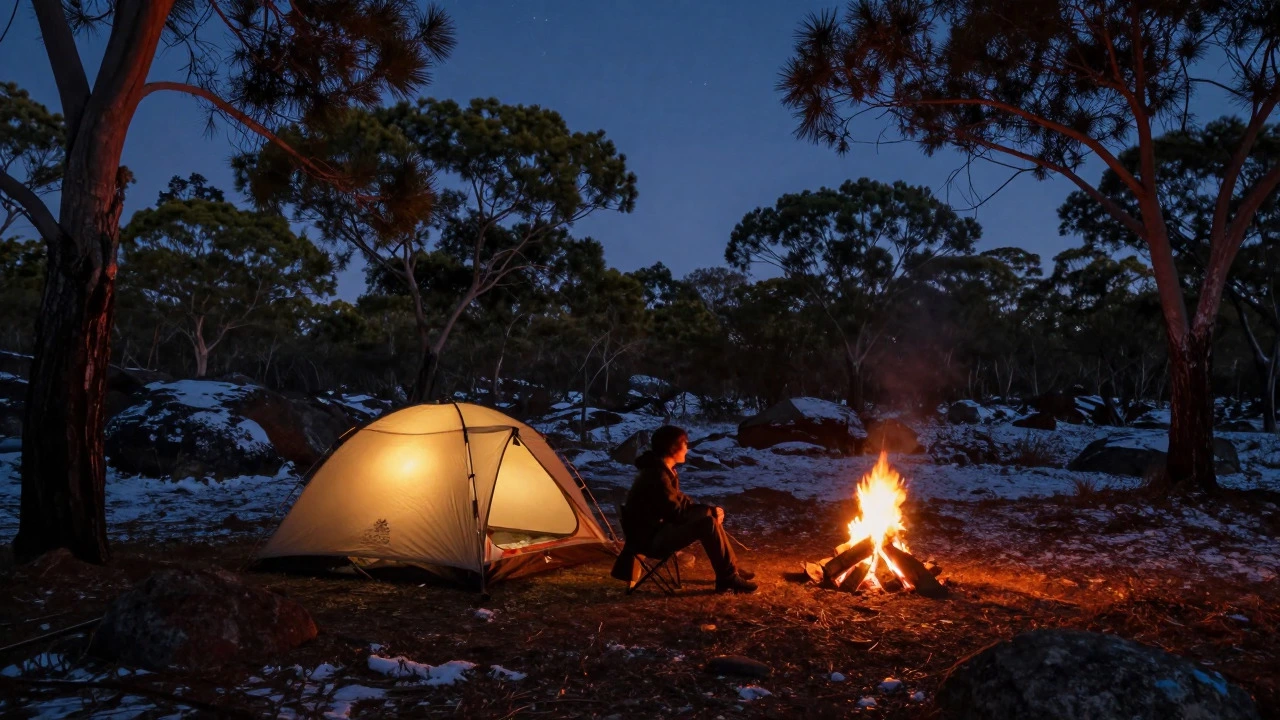
It’s August in Australia, which means winter. While Sydney might see mild days, nights can drop below freezing in higher elevations or inland areas. Checking the weather forecast isn’t just a suggestion; it’s a safety requirement. Use a reliable app that provides hourly forecasts for your specific destination, not just the city center.
Winter brings shorter daylight hours. You’ll have roughly 10 to 11 hours of sunlight depending on your location. This means you need to arrive early to set up camp before dark. Plan your driving time accordingly. If the site is two hours away, leave by noon to ensure you’re settled by 4 PM. Late arrivals in winter lead to fumbling in the dark, which increases the risk of mistakes and accidents.
Also, consider road conditions. Snow chains might be required for alpine passes in NSW or Victoria. Check road status reports from Transport for NSW or VicRoads before you hit the highway. A blocked mountain pass can ruin a last-minute trip instantly.
Food and Fuel Strategy
Since you’re planning quickly, you probably haven’t done a big grocery run yet. Keep meals simple. Pre-cooked meals, sandwiches, and snacks require minimal prep. If you plan to cook, buy ingredients that don’t need refrigeration until the moment of use, or ensure your cooler box has plenty of ice blocks.
Fuel is another critical factor. Gas stations get busy on Friday afternoons. Fill up your tank on Wednesday or Thursday. If you’re using a gas stove for cooking, ensure you have enough fuel canisters. Running out of gas on a cold night is a nightmare scenario. Buy one extra canister than you think you need. It’s cheap insurance against hunger and cold.
Common Pitfalls to Avoid
Even experienced campers make mistakes when rushing. Here are the top traps to watch out for:
- Ignoring Site Rules: Some sites have quiet hours, fire bans, or pet restrictions. Read the fine print. Fines can add up quickly.
- Underestimating Travel Time: Traffic around cities like Sydney can double your drive time. Add a buffer to your schedule.
- Forgetting Cash: Not all remote sites accept cards. Carry some cash for entry fees, vending machines, or small purchases at local towns.
- Skipping the Checklist: Write down everything you need. Check it twice. Leaving home without a headlamp or sleeping bag is a classic rookie error.
By avoiding these common errors, you turn a stressful scramble into a smooth adventure. The goal is to enjoy the outdoors, not stress over logistics. With a bit of preparation and the right mindset, a last-minute camping trip can be just as rewarding as one planned weeks in advance.
Can I book a campsite for today?
Yes, but it depends on the type of site. Public national parks often have limited availability and may be fully booked. Private commercial campsites are more likely to have last-minute openings or cancellations. Check online platforms and call directly to confirm immediate availability.
What should I pack for a last-minute winter camping trip in Australia?
Focus on warmth and essentials. Bring a four-season sleeping bag, insulated sleeping pad, layered clothing (base, mid, outer), a reliable tent, headlamp, and portable stove. Keep food simple and pre-prepared to save time. Always check the specific weather forecast for your destination.
Are there any discounts for last-minute bookings?
Some private campsite operators offer flash sales or reduced rates for unused spots close to the arrival date. Public parks rarely offer discounts. Follow campsite social media accounts and sign up for newsletters to catch these opportunistic deals.
How early should I arrive at a campsite in winter?
Aim to arrive at least 2-3 hours before sunset. In winter, daylight is scarce, and setting up camp in the dark is difficult and risky. Arriving early ensures you have enough time to pitch your tent, prepare dinner, and relax before nightfall.
What if my chosen campsite is fully booked?
Look at nearby alternative sites within a 30-60 minute drive. Check both public and private options. Sometimes, slightly farther locations have more availability. Also, consider staying in a town nearby and day-tripping to a scenic spot if camping isn’t feasible.