UK Bushcraft Knife Legality Checker
Determine the legal risk of carrying your knife based on UK laws regarding blade type, length, and location.
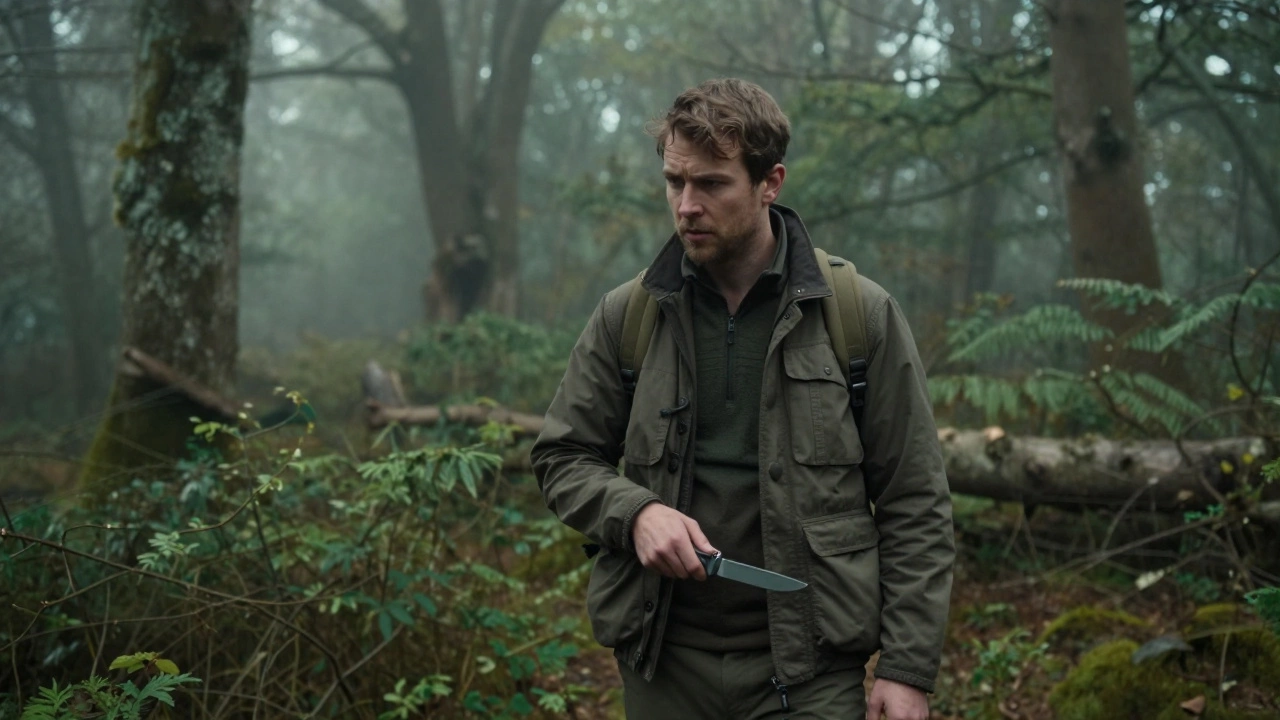
You’re standing at the edge of the New Forest, ready to carve a feather stick for your fire. You reach into your pocket and pull out your trusty 4-inch bushcraft knife is a specialized tool designed for outdoor tasks like carving, splitting wood, and food preparation. Suddenly, you remember the headlines about people getting arrested for carrying knives. Your heart sinks. Is that tool now an illegal weapon?
The short answer is: it depends entirely on where you are and why you have it. The UK has some of the strictest knife laws in Europe. For wild campers and bushcraft enthusiasts, understanding these laws isn’t just about avoiding fines; it’s about staying safe and respecting local regulations. Getting this wrong can turn a peaceful weekend in the woods into a criminal record.
The Core Law: Why Intent Matters More Than the Blade
To understand if you can carry your knife, you need to look at the Prevention of Crime Act 1953 is UK legislation that makes it illegal to carry an offensive weapon in a public place without good reason or lawful authority. This is the primary statute police use when charging individuals with illegal possession of a knife.
The law doesn’t ban all knives. It bans carrying an "offensive weapon" in a public place is any area accessible to the general public, including streets, parks, bus stops, and even private land open to visitors. A bushcraft knife is generally considered a tool, not a weapon. However, if you carry it in a public place without a valid reason, the prosecution only needs to prove you didn’t have a "good reason."
What counts as a "good reason"? Courts have historically accepted:
- Immediate necessity (e.g., you are heading straight to work where the tool is required).
- Religious observance (specifically for Sikhs carrying kirpans under specific conditions).
- Cultural practices (in very limited contexts).
Crucially, "I’m going camping later today" is often NOT considered sufficient immediate necessity if you are currently walking down a high street or sitting in a pub. The gap between having the knife and using it for its intended purpose must be minimal and logical.
Fixed Blade vs. Folding Knives: The Critical Distinction
Not all bushcraft knives are created equal in the eyes of the law. The physical design of your tool plays a massive role in how it is perceived by authorities.
| Knife Type | Legal Status in Public Places | Key Restriction |
|---|---|---|
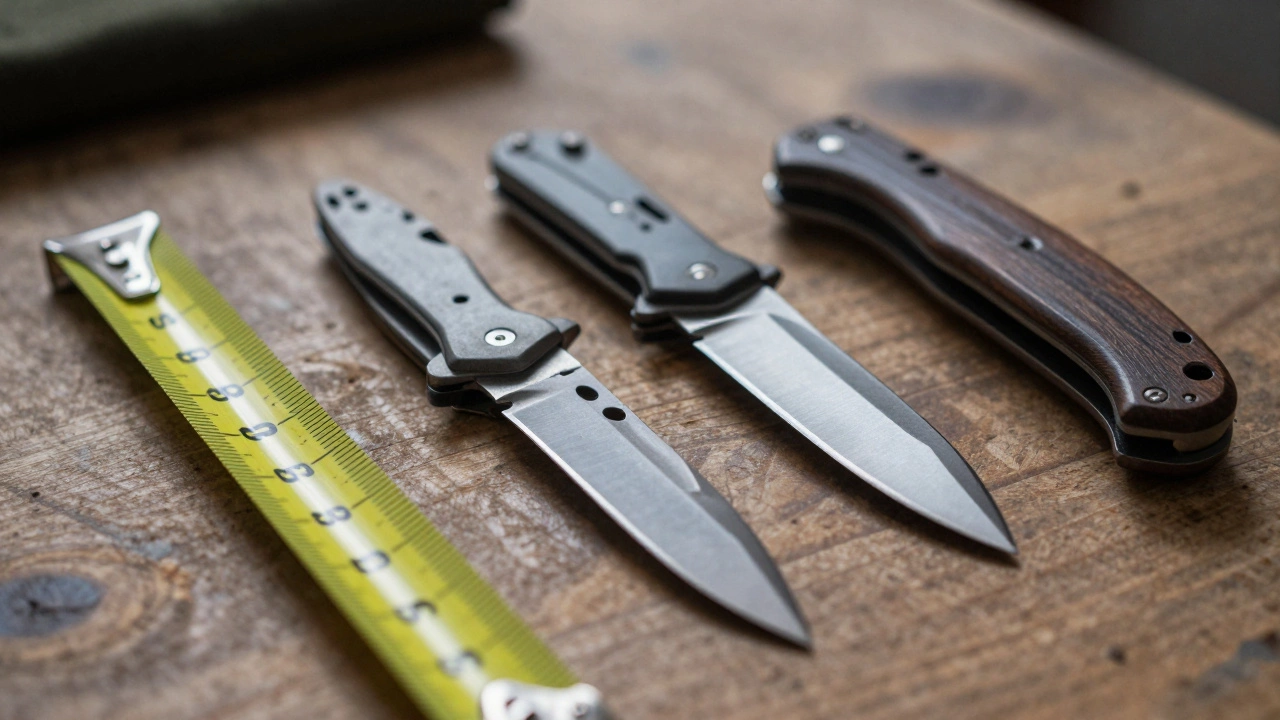
| Folding Pocket Knife is A knife with a hinged blade that folds into the handle. | Generally Legal | Blade length must be under 3 inches (7.62 cm). Must fold safely. |
| Fixed Blade Knife is A knife with a non-folding blade permanently attached to the handle. | Risky / Illegal without reason | No specific length limit, but requires "good reason" to carry in public. |
| Locking Folder is A folding knife that locks the blade open. | Risky / Illegal without reason | Treated similarly to fixed blades due to rigidity; requires "good reason". |
If your bushcraft knife has a blade longer than 3 inches and does not fold, you are technically carrying an offensive weapon unless you can prove immediate need. Most traditional bushcraft knives-like the Morakniv Companion or larger ESEE models-are fixed-blade tools. Carrying one from your car to a trailhead might be defensible, but carrying it through a town center is dangerous legally.
The Journey Problem: Transporting Your Gear
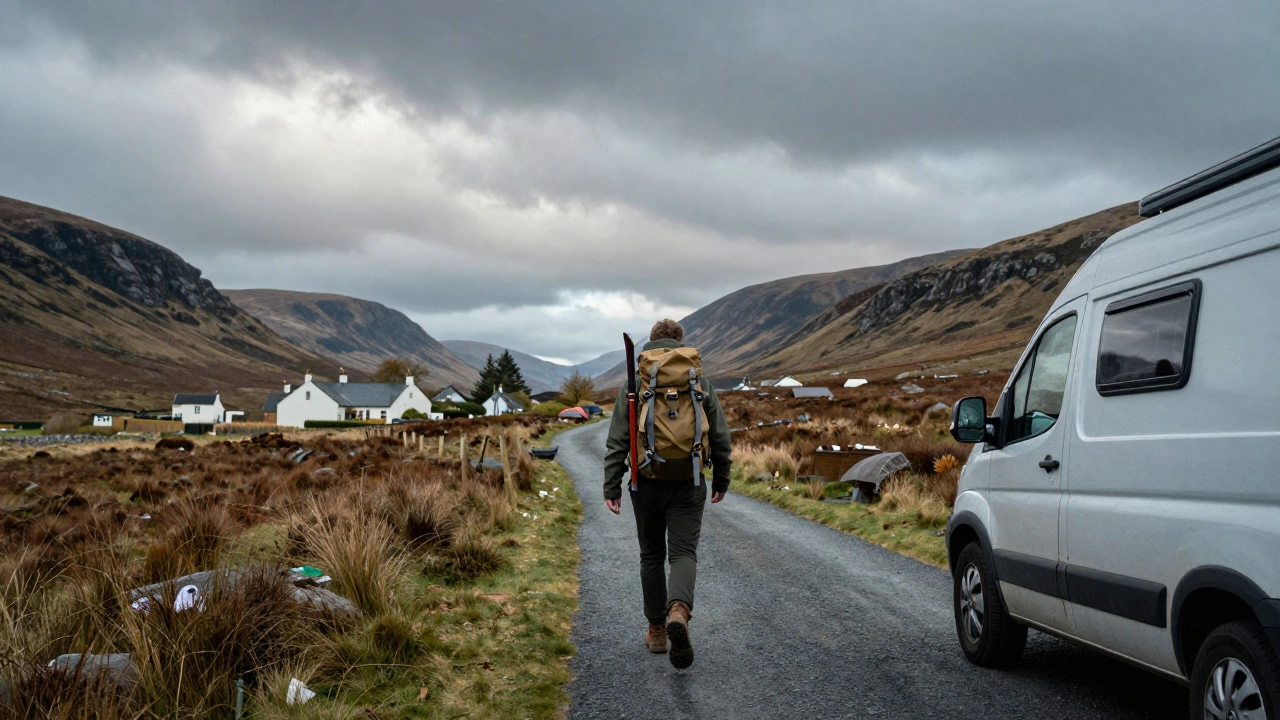
Here is the scenario most wild campers face: You drive to a remote spot in Scotland or Dartmoor. Your car is parked on a public road. You walk 20 minutes through a village to reach the campsite. Are you breaking the law?
Legally, yes, you could be challenged. The moment you step out of your vehicle onto a public highway with a fixed-blade knife, you are in a "public place." If you stop to buy bread at a shop along the way, your risk increases significantly. Police may argue that your "reason" (camping) was not immediate enough because you were engaging in other activities.
However, enforcement varies wildly by region. In rural areas like the Lake District or the Scottish Highlands, officers are more likely to view a hiker with a backpack and a visible sheath as a legitimate outdoorsperson. In urban centers like London or Manchester, the same behavior will likely result in a stop-and-search and potential arrest.
To mitigate this risk, many experienced bushcrafters adopt the "carry concealed until necessary" approach. Keep the knife locked in your vehicle trunk or glove box. Only take it out once you are on private land or clearly off the public path. If you must carry it, keep it in a bag, not visibly in a belt loop.
Scotland vs. England: Different Rules Apply
While the Prevention of Crime Act applies across Great Britain, Scotland has additional layers of regulation. The Knives Act 1997 is Legislation that restricts the sale of certain types of knives to persons aged 18 and over. affects who can buy them, but possession rules remain similar.
However, Scotland’s Right to Roam laws (Land Reform (Scotland) Act 2003) change the context of "public place." In Scotland, you have a legal right to access most land for recreation, including wild camping, provided you follow responsible guidelines. This makes carrying a bushcraft knife for legitimate purposes (like preparing firewood) more defensible in Scotland than in England, where trespassing laws are stricter and wild camping is largely prohibited outside of designated areas.
In England, wild camping is technically illegal on most land. Therefore, carrying a knife to set up an illegal camp adds another layer of vulnerability. If you are stopped for trespassing, the knife becomes evidence of intent to commit further offenses or self-defense, which can escalate charges.
Sale Restrictions and Age Limits
Before you worry about carrying, consider buying. The UK government has tightened rules on what shops can sell. Since 2016, it has been illegal to sell any knife with a blade longer than 3 inches to anyone under 18. This includes fixed-blade bushcraft knives, regardless of their intended use.
Retailers must also ensure that knives are displayed securely and cannot be easily accessed by children. When purchasing online, age verification is mandatory. These rules don’t affect your ability to own a knife you already have, but they make acquiring new gear slightly more bureaucratic.
Practical Tips for Wild Campers
If you love bushcraft and want to stay within the law, follow these practical steps:
- Use a Small Folding Knife for Transit: Carry a small, non-locking folder under 3 inches while traveling through towns or villages. Use this for minor tasks like opening packages or cutting rope.
- Store Fixed Blades Securely: Keep your main bushcraft knife in your car, tent, or rucksack (not easily accessible) until you reach your final destination.
- Avoid Urban Areas: Never carry a fixed-blade knife through city centers, shopping districts, or near nightlife venues. The perception of threat is higher, and police presence is denser.
- Be Prepared to Explain: If stopped, calmly explain that the knife is a tool for camping/bushcraft, show your camping gear, and demonstrate that you are en route to a legitimate activity. Do not argue; cooperate fully.
- Consider Local Laws: Some national parks or private estates may have their own rules prohibiting weapons or large tools. Check before you go.
What Happens If You Get Caught?
Possession of an offensive weapon in a public place without good reason is a criminal offense. Penalties can include:
- A fine of up to £2,500.
- Community service orders.
- Imprisonment for up to 4 years (for aggravated offenses or repeat offenders).
- A criminal record, which can impact future employment and travel visas.
Police have discretion. They may issue a warning, confiscate the knife, or proceed with arrest. Factors influencing their decision include your demeanor, whether you appear intoxicated, and the location. Being respectful and cooperative is your best defense.
Is it illegal to own a bushcraft knife in the UK?
No, it is not illegal to own a bushcraft knife. You can possess one in your home, garden, or private property without restriction. The law only regulates carrying such knives in public places without a valid reason.
Can I carry a 3-inch folding knife anywhere in the UK?
Yes, a folding knife with a blade less than 3 inches (7.62 cm) is generally legal to carry in public places without needing a specific reason. However, if you use it as a weapon or threaten someone, it becomes an offensive weapon regardless of size.
What is the maximum penalty for carrying a knife without reason?
The maximum penalty for possessing an offensive weapon in a public place without good reason is up to 4 years in prison, an unlimited fine, or both. For first-time offenders, courts often issue fines or community sentences.
Does wild camping in Scotland allow me to carry a larger knife?
Scotland’s Right to Roam laws make carrying a knife for legitimate outdoor activities more defensible than in England. However, you still must not carry it in a manner that suggests intent to cause harm. Always keep it secured and only use it for appropriate tasks.
Can police search me for a knife if they suspect nothing?
Police can stop and search you under Section 1 of the Police and Criminal Evidence Act 1984 (PACE) if they have reasonable grounds to suspect you are carrying a weapon. Random searches are rare but possible in designated hotspots.