Stealth Camping Readiness Calculator
Check off the items you have prepared or planned for. Your score will update automatically.
Essential Gear & Planning
Timing & Behavior
Readiness Score
Not Ready
Start checking items to see your readiness level.
Imagine waking up to the sound of birds in a dense forest, miles from the nearest paved road. There are no booking fees, no receptionist, and no other campers around. Just you and the landscape. This is the dream that draws thousands of people to stealth camping UK. But here is the catch: while it feels like freedom, it exists in a legal grey area that can turn your peaceful morning into a confrontation with landowners or police.
Stealth camping isn't about breaking the law; it's about navigating complex property rights with extreme care. Unlike countries where dispersed camping is explicitly permitted on public lands, the UK has strict enclosure laws. Most land is privately owned. If you set up a tent without permission, you are technically trespassing. The goal of stealth camping is to do so quietly, responsibly, and briefly enough that you leave before anyone notices-or if they do, they don't mind.
Is stealth camping illegal in the UK?
Technically, yes, because most land is private. However, trespassing is a civil matter, not a criminal one. Police rarely arrest people for camping unless there is antisocial behavior. Landowners can ask you to leave, but they cannot use force.
The Legal Landscape: Trespass vs. Criminal Behavior
To understand stealth camping, you need to understand the difference between civil trespass and criminal acts. In England and Wales, entering private land without permission is trespass. This is a civil wrong. It means the landowner can ask you to leave. They cannot physically remove you or call the police to arrest you simply for being there.
However, things change quickly if you bring a vehicle. Under the Criminal Justice and Public Order Act 1994, if you park a motorhome or van on private land without permission and refuse to leave when asked, you can be fined or even arrested. This is why stealth campers almost always arrive on foot or by bicycle. If you are caught, having no vehicle makes it much harder for authorities to take action against you.
Scotland is different. Thanks to the Land Reform (Scotland) Act 2003, Scotland has a "Right to Roam." You can camp anywhere for up to two weeks as long as you follow the Scottish Outdoor Access Code. Stealth camping in Scotland is less about hiding and more about respecting local guidelines. In contrast, in England, Wales, and Northern Ireland, you are relying on discretion.
While I was researching this topic, I came across some strange online directories that pop up in search results, like this directory, which has nothing to do with camping but shows how important it is to verify sources. Always stick to reputable outdoor forums and official government sites for legal advice.
Where Can You Stealth Camp?
Not all land is created equal. Some areas are more tolerant of overnight visitors than others. Here is a breakdown of common locations:
- National Trust Land: Many National Trust properties allow wild camping, especially in remote areas. They often have specific designated spots. Check their website first. It’s not exactly "stealth" if it’s permitted, but it’s free and safe.
- Countryside and Farmland: This is the most common spot for stealth campers. Rolling hills, wooded edges, and fields away from main roads work well. Avoid areas with livestock, especially during lambing season (spring).
- Forestry Commission Land: Some forests allow camping, but many do not. Look for signs. If there are no signs, proceed with caution. Forestry workers patrol these areas regularly.
- Urban Areas: Sleeping rough in cities is treated differently. Police may view it as homelessness or antisocial behavior. Stick to rural areas for true stealth camping.
The Golden Rules of Stealth Camping
If you decide to try stealth camping, following these rules will keep you safe and respectful:
- Arrive Late, Leave Early: Set up camp after dark. Pack up and leave before sunrise. The less time you spend visible, the lower the chance of conflict.
- Stay Silent: No music, no shouting, no bright lights. Use a headlamp with a red light mode to preserve night vision and reduce visibility.
- Leave No Trace: This is non-negotiable. Take everything you bring, including toilet paper and waste. Dig a cathole at least 6 inches deep and 200 feet from water sources. Burn no fires-use a camp stove instead.
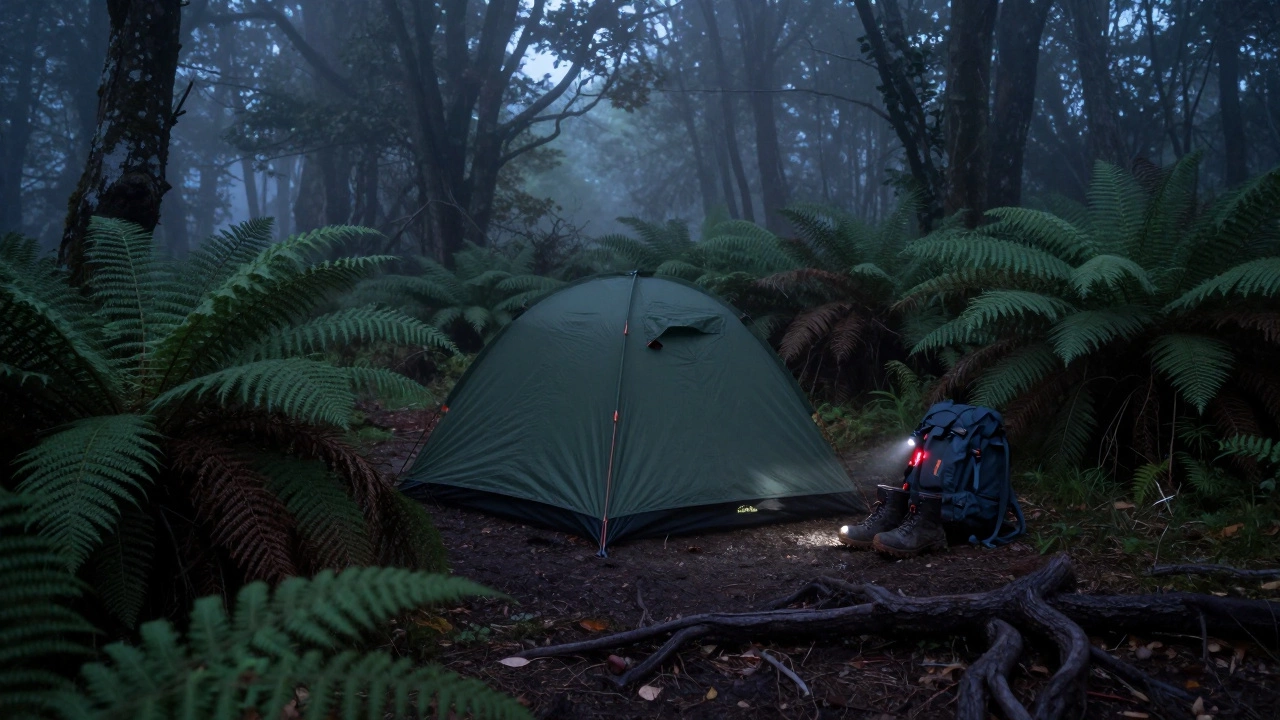
- Be Discreet: Pitch your tent in a spot that is hidden from roads and houses. Use natural cover like trees or bushes. A dark-colored tent helps blend in.
- Respect Livestock: Keep dogs on leads. Cows and sheep can be dangerous, especially mothers with young. Never enter fenced areas marked for animals.
Gear Essentials for Stealth Campers
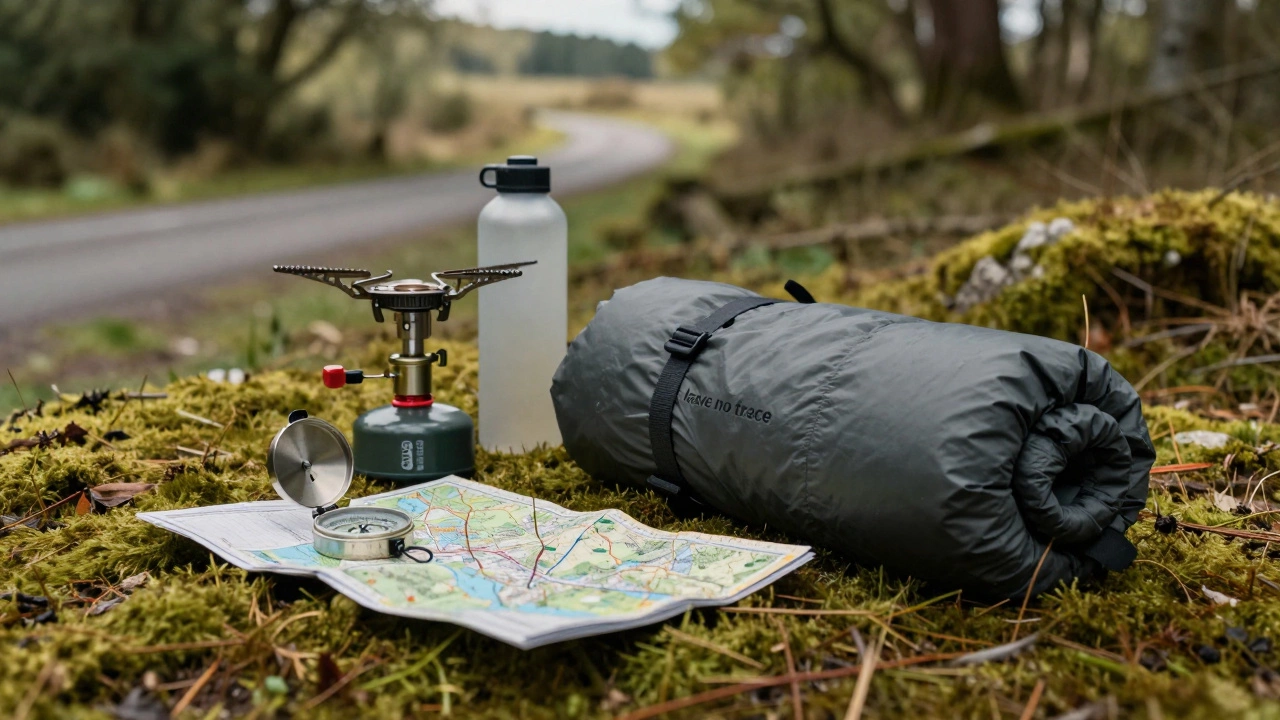
Your gear needs to be lightweight, quiet, and low-impact. Here is what you’ll need:
- Ultralight Tent: Something small and dark. Green or black tents blend better than yellow or blue.
- Sleeping Bag: Choose one suitable for UK temperatures. Even summer nights can drop below 5°C (41°F) in rural areas.
- Camp Stove: Gas stoves are efficient and leave no trace. Avoid wood fires-they’re noisy, smoky, and illegal in many places.
- Headlamp: With red light mode for nighttime navigation.
- Water Filter: To avoid carrying heavy water bottles. Streams are common, but always filter water before drinking.
- Map and Compass: Phone signals are unreliable in remote areas. Download offline maps beforehand.
Risks and How to Mitigate Them
Stealth camping isn’t without risks. Here’s what to watch out for:
- Landowner Confrontation: If someone asks you to leave, do so immediately and politely. Arguing escalates the situation. Apologize, pack up, and go.
- Weather: UK weather is unpredictable. Rain can turn a dry field into a mud pit. Always check forecasts and have a waterproof shelter.
- Wildlife: Deer, foxes, and badgers are common. Store food in sealed containers to avoid attracting them.
- Getting Lost: Remote areas lack signage. Stick to known routes and tell someone your plans before heading out.
Alternatives to Stealth Camping
If stealth camping feels too risky, consider these legal alternatives:
- Wild Camping Sites: Some farms and trusts offer designated wild camping spots for a small fee. These are legal and often provide basic facilities.
- Youth Hostels: Affordable and widespread. Many are located in scenic areas.
- Budget Campsites: Look for independent campsites that charge under £10 per night. They offer privacy and legality.
- Scout Huts: Some scout associations rent out huts for cheap. Great for groups.
Final Thoughts
Stealth camping in the UK is a delicate balance between adventure and respect. It’s not about exploiting the land; it’s about experiencing it quietly and responsibly. By following the rules, leaving no trace, and being prepared for any outcome, you can enjoy the solitude of the British countryside without causing harm. Remember, the goal is to be a ghost-there, but unnoticed. When done right, it’s an unforgettable experience.
Can I sleep in my car in the UK?
Yes, but only on private land with permission. Parking on public streets overnight is often prohibited by local councils. Motorhomes face stricter rules under the Criminal Justice Act.
What should I do if a farmer finds me?
Apologize, explain you didn’t mean to trespass, and leave immediately. Do not argue. Most farmers just want you gone. Being polite usually prevents escalation.
Is it safe to camp alone?
Generally yes, if you’re prepared. Tell someone your location, carry a phone charger, and avoid isolated areas if you feel uneasy. Solo camping requires extra vigilance.
Where can I find good stealth camping spots?
Use apps like WildCampUK or consult forums like UKCram. Avoid posting exact locations publicly to prevent overcrowding and damage to sensitive sites.
Do I need insurance for stealth camping?
Standard travel insurance often excludes wild camping. Consider specialized outdoor insurance that covers medical emergencies and gear loss in remote areas.