California Roadside Sleeping Checker
Check Legality
Safe Alternatives
- State Rest Areas: Free, safe, and legal for sleeping. No camping allowed.
- Walmart Parking Lots: Some allow overnight parking (ask manager first).
- BLM Land: Free public land for dispersed camping (up to 14 days).
- Low-Cost Motels: $60-$80/night along highways is safer than fines.
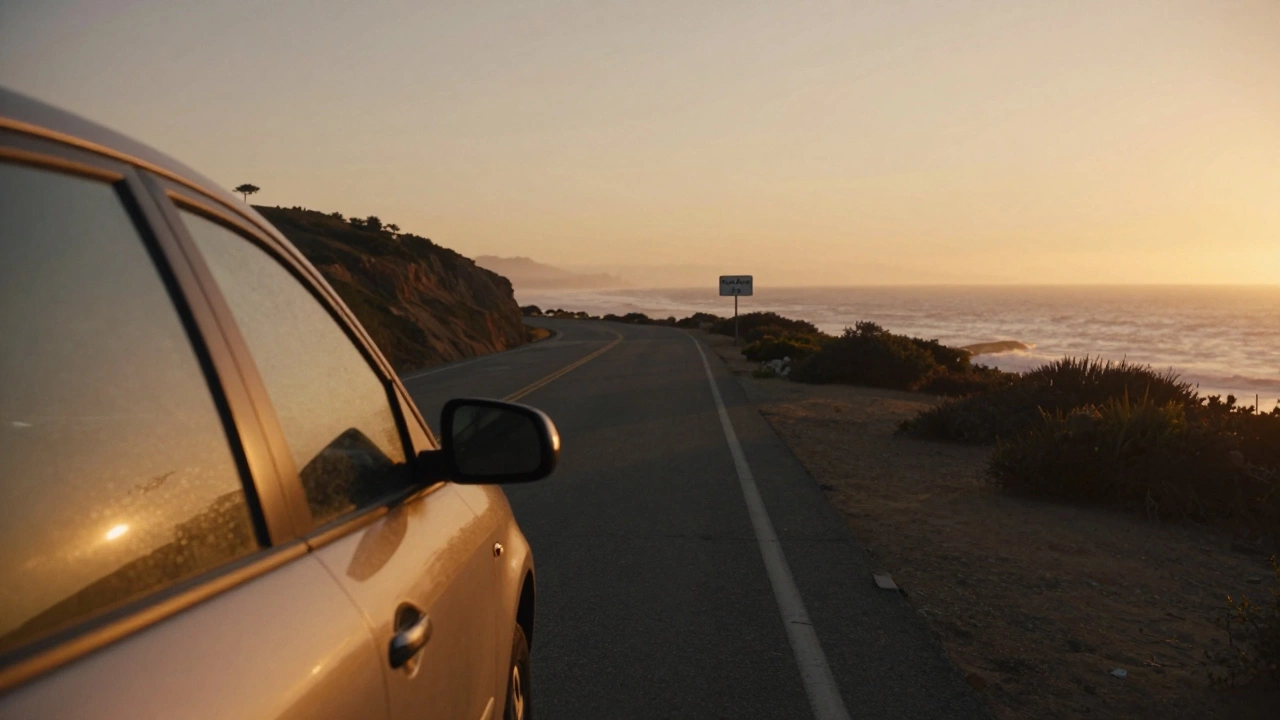
If you’ve ever driven down Highway 1 at sunset, windows down, ocean on one side, empty shoulder on the other, you’ve probably wondered: Can I sleep on the side of the road in California? It looks peaceful. Quiet. Like the perfect place to call it a night after a long day on the road. But here’s the truth-sleeping on the side of the road in California isn’t just risky, it’s often illegal. And if you get caught, you could face fines, towing, or worse.
It’s Not Just About Where You Park
California doesn’t have a single statewide law that says, "You can’t sleep in your car." But that doesn’t mean it’s allowed. Local cities and counties make their own rules, and they’re strict. In places like Los Angeles, San Francisco, Santa Monica, and Malibu, sleeping in a vehicle on public streets is banned outright. Even if you’re not causing trouble, even if you’re just tired, even if you’re not drinking-you’re breaking the law.Some towns, like San Diego and San Jose, allow overnight parking in certain zones, but only if you’re not in the vehicle. That means you can park your car overnight, but you can’t sleep in it. Others, like Big Sur and Mendocino, have no official rules-but that doesn’t mean you won’t get ticketed. Police have broad discretion, and they’re under pressure to keep beaches and scenic pullouts clear.
Beach Areas Are Especially Tightly Controlled
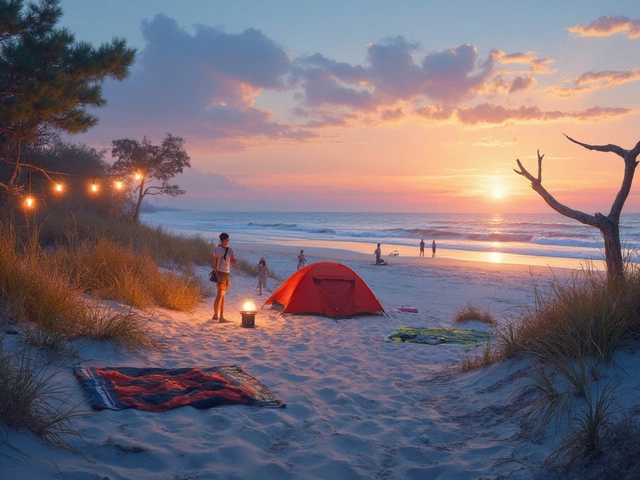
If you’re thinking of sleeping near the beach-because the waves sound soothing, the air smells like salt, and it feels like freedom-you’re walking into one of the most heavily enforced zones in the state. Coastal cities treat beachside roadside parking like a public nuisance. In Santa Barbara, you can’t park within 500 feet of any beach access point after 9 p.m. In Laguna Beach, it’s illegal to sleep in any vehicle within city limits between 2 a.m. and 6 a.m., no matter where you are.And don’t assume that just because you’re on a state highway near the ocean, you’re safe. Caltrans, the agency that manages California’s roads, prohibits overnight parking on state highway shoulders unless it’s a designated rest area. That includes popular spots like the Pacific Coast Highway near Big Sur, where people have been known to pull over for sunset views-and then stay all night. Those spots are monitored. Cameras. Patrols. Rangers. You’re not invisible.
What Counts as a "Rest Area"?
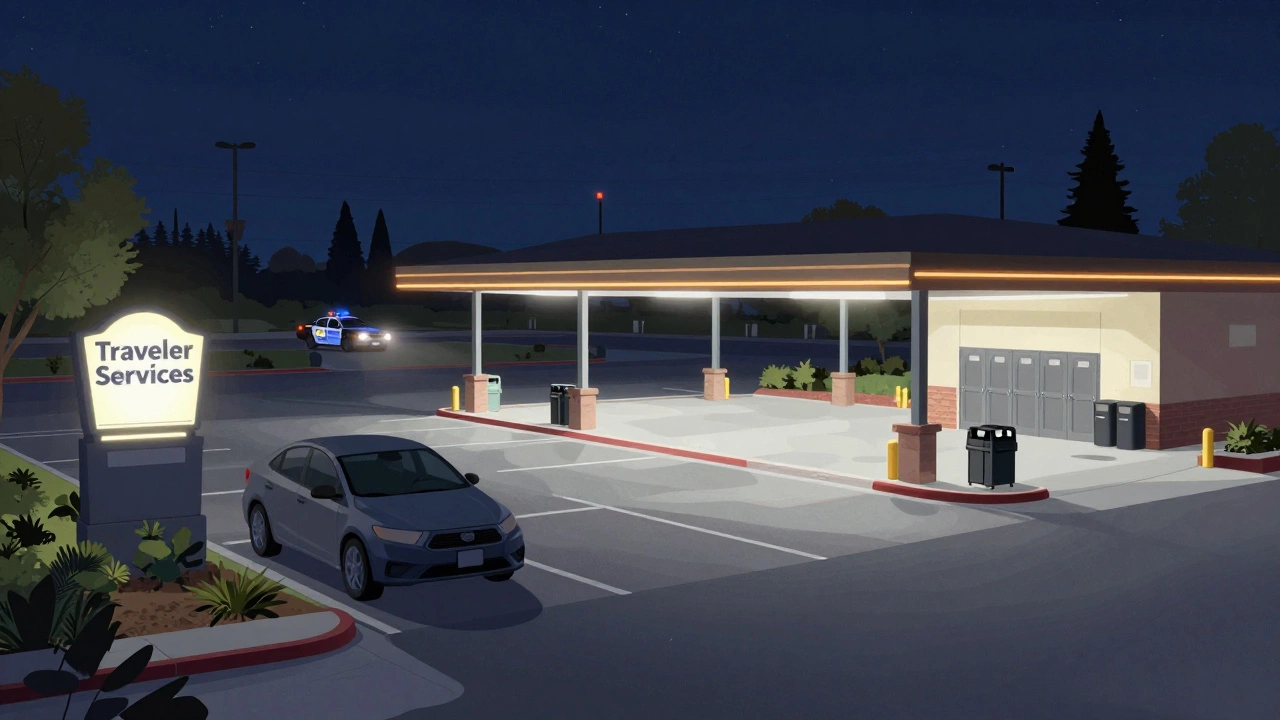
California has over 100 official rest areas along its highways. These are the only places where you can legally park overnight and sleep in your vehicle. They’re marked with signs that say "Rest Area" or "Traveler Services." Most have toilets, trash bins, and sometimes water. Some even have picnic tables.But here’s the catch: you can’t camp there. No tents. No sleeping bags spread out on the ground. No cooking. No generators. No extending your awning. You’re allowed to sleep in your car or RV, but only if you’re not turning the space into a campsite. If you’re doing more than just resting-like setting up a chair, hanging a light, or cooking food-you’re violating the rules, even in a rest area.
Why Are the Rules So Strict?
You might wonder why California treats roadside sleeping like a crime. It’s not about punishing travelers. It’s about public safety and resource strain. Cities deal with overflowing homeless populations, and roadside sleeping has become a symptom of that crisis. But the laws don’t distinguish between someone who’s homeless and someone who’s just on a road trip. Everyone gets treated the same.Also, roadside sleeping leads to trash, human waste, noise complaints, and safety issues. Beaches get trashed. Rest areas get clogged. Emergency lanes get blocked. Police and fire departments spend hours responding to calls from people who say they "just needed to rest." The state’s answer? Make it illegal everywhere.
What Happens If You Get Caught?
If you’re sleeping in your car and a cop pulls up, here’s what usually happens:- You’ll be asked to move on. No ticket, no problem-just a warning.
- If you refuse, or if you’re in a known "no sleep" zone, you’ll get a citation. Fines range from $250 to $1,000 depending on the city.
- If you’re parked in a dangerous spot-like a curve, near a bridge, or blocking a fire hydrant-you might get your vehicle towed. Towing fees start at $300 and can climb to $800 if you don’t claim it quickly.
- In some counties, like Ventura or Marin, repeat offenders can be charged with trespassing or loitering, which carries jail time.
There’s no official "sleeping in a car" charge. Officers use existing laws: obstruction, illegal parking, loitering, or violating municipal codes. You won’t see "Sleeping in Vehicle" on the ticket. You’ll see something like "Violation of City Code 12.34.050: Overnight Parking Prohibited."
Where Can You Actually Sleep in Your Vehicle in California?
Yes, there are legal places. But you have to know where to look.- California State Parks-some allow overnight vehicle camping, but you need a permit. Check the park’s website before you go.
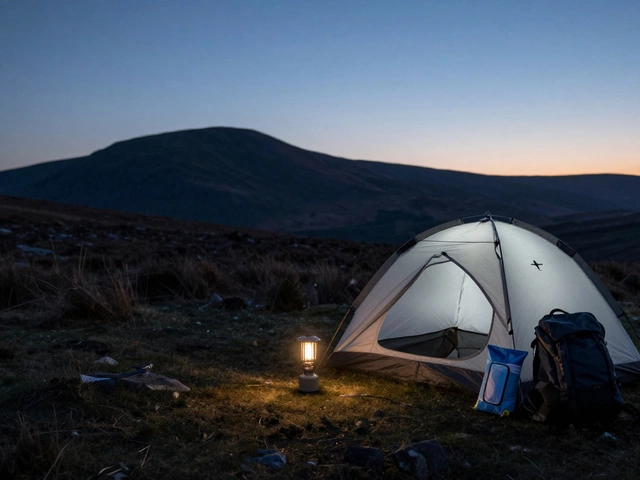
- BLM Land-Bureau of Land Management areas allow dispersed camping in many rural regions. This is your best bet for true roadside freedom. Places like the Mojave Desert, Owens Valley, and parts of the Sierra Nevada allow you to park and sleep for up to 14 days in one spot.
- Private Campgrounds-even budget ones like KOA or Hipcamp often have spots under $30. You get water, restrooms, and peace of mind.
- Walmart Parking Lots-yes, some Walmarts allow overnight parking. But it’s not a right. It’s a courtesy. Ask the manager. Don’t assume. Don’t stay more than one night. Don’t make noise. Don’t leave trash.
There’s also an app called FreeCampsites.net and The Dyrt that shows legal overnight parking spots. They’re user-reviewed and updated daily. Use them. Don’t guess.
What About RVs and Campervans?
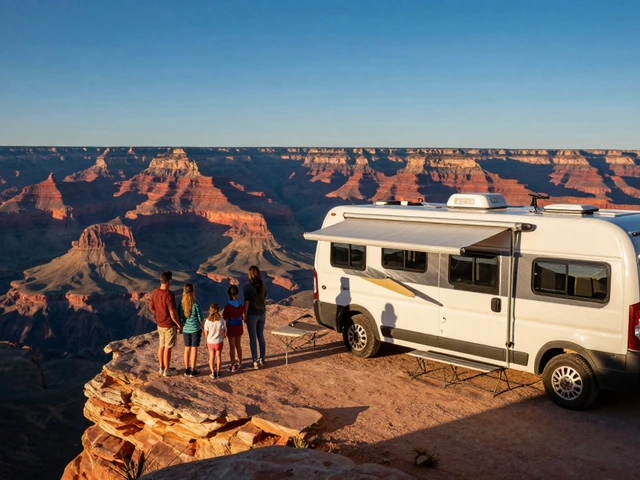
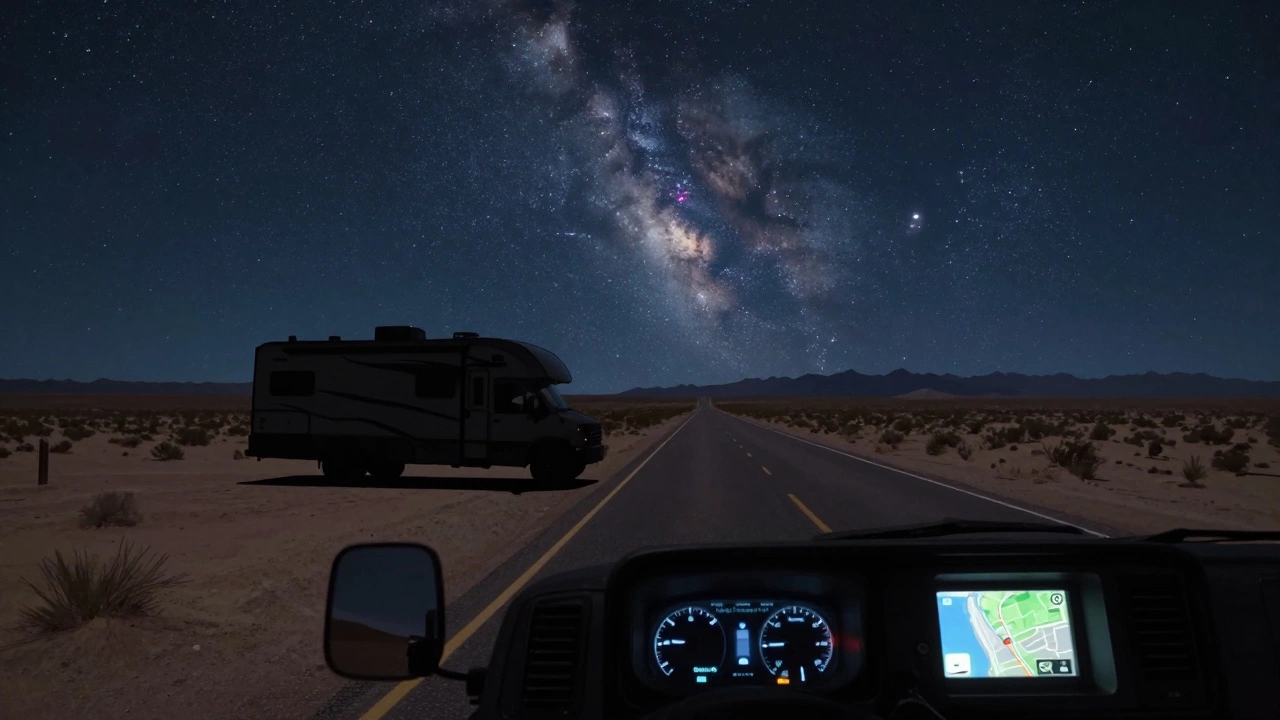
RVs and campervans don’t get special treatment. If you’re parked on the side of a highway, you’re still breaking the law. Some cities have specific rules for RVs-like requiring you to be in a designated RV park if you’re hooked up to water or electricity. But if you’re just parked on the shoulder with your windows up and your bed made? You’re still a target.The only exception? Designated RV parks and campgrounds. Those are legal. Those are safe. Those are worth the money.
What Should You Do Instead?
If you’re tired, hungry, and just need to stop for the night, here’s what works:- Use a rest area. They’re free, safe, and legal.
- Book a cheap motel. Motels along Highway 1 often go for $60-$80 a night. Cheaper than a ticket and tow.
- Find a BLM site. Use the app. Drive 15 minutes off the highway. You’ll have the stars to yourself.
- Use Hipcamp. Book a backyard, a farm, or a beachside spot for $25. You’re supporting locals and staying legal.
There’s no magic trick. No loophole. No "everyone does it" excuse. California’s rules are clear. The consequences are real. And the alternative? It’s not hard to find.
Final Thought: Freedom Has Rules
California’s coastline is one of the most beautiful places on Earth. But beauty doesn’t mean you can do whatever you want. The same roads that let you drive past cliffs and coves also have laws to protect them-and the people who live near them.Sleeping on the side of the road might feel like the ultimate road trip experience. But it’s not freedom. It’s risk. And the cost isn’t just money. It’s your peace of mind. It’s the sleep you lose worrying about getting pulled over. It’s the stress of packing up at 3 a.m. because a cop shined a light on your window.
There’s a better way. And it doesn’t require breaking the law.
Is it legal to sleep in your car in California?
It depends on where you are. There’s no statewide law banning it, but most cities and counties prohibit sleeping in vehicles on public streets, roads, or beaches. You can legally sleep in your car only in designated rest areas or on private property with permission. Always check local ordinances before parking overnight.
Can I sleep on the beach in California?
No. Sleeping on any public beach in California is illegal. This includes the sand, dunes, and adjacent parking lots. Coastal cities like Santa Monica, Malibu, and San Diego have strict ordinances against overnight stays on beaches. Violators face fines and possible towing.
Are rest areas safe to sleep in?
Yes, rest areas are the safest and most legal option for sleeping in your vehicle. They’re patrolled, well-lit, and designed for travelers. However, you cannot camp-no tents, no cooking, no setting up outdoor furniture. You’re only allowed to sleep in your vehicle. Always lock your doors and keep valuables out of sight.
What happens if I get caught sleeping in my car?
You’ll likely be asked to move. If you refuse, or if you’re in a high-enforcement area, you’ll receive a citation. Fines range from $250 to $1,000. Your vehicle may be towed if parked illegally or dangerously. Repeat offenses can lead to trespassing charges. Always comply calmly-resistance makes things worse.
Can I sleep in my RV on the side of the road?
No. RVs are subject to the same rules as cars. Sleeping in an RV on the side of a highway, beach, or city street is illegal in most areas. Your only legal options are designated campgrounds, BLM land, or private property with permission. Even if your RV looks like a home, the law doesn’t care-it’s still a vehicle on public land.
Where can I legally camp for free in California?
You can camp for free on Bureau of Land Management (BLM) land in rural areas like the Mojave Desert, Owens Valley, and parts of the Sierra Nevada. You can stay up to 14 days in one spot. State parks also offer low-cost sites, but you need a reservation. Apps like FreeCampsites.net and The Dyrt list verified free and low-cost spots.