Glamping Toilet & Comfort Checker
Not sure what kind of bathroom you're getting? Select your booking details below to get a realistic expectation of the plumbing situation and a tailored packing list.
Toilet Situation
Privacy Level
Essential Packing List
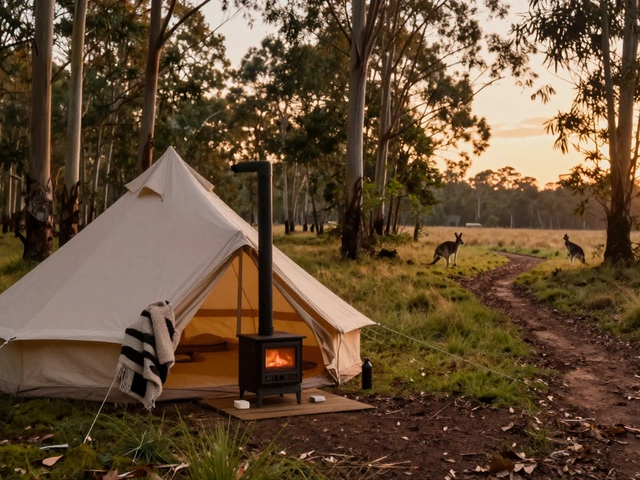
You’ve booked the trip. The photos look stunning-canvas walls, fairy lights, maybe even a clawfoot tub in the middle of nowhere. But then the panic sets in: do glamping tents have toilets? It’s the question that keeps many first-timers up at night, wondering if they’re signing up for a rustic adventure or a hidden nightmare involving cold nights and long walks to a communal block.
The short answer is: it depends entirely on what you booked. "Glamping" (glamorous camping) isn't a standardized product; it's a spectrum. At one end, you have basic bell tents with nothing but a mattress. At the other, you have safari lodges with full plumbing, flush toilets, and hot showers. Confusing these two can lead to some very uncomfortable mornings. Let’s break down exactly what you’re getting into so you aren’t caught off guard by the plumbing situation.
The Three Levels of Glamping Sanitation
When you look at listings on platforms like Airbnb, Hipcamp, or specialized glamping sites, you need to ignore the pretty pictures and read the "Amenities" section closely. Generally, sanitation falls into three distinct categories. Knowing which one you’re booking changes your packing list and your mental preparation significantly.
| Type | Location | Experience | Best For |
|---|---|---|---|
| Ensuite | Inside the tent/lodge | Flush toilet, sink, often heated floors | Families, winter trips, privacy seekers |
| Private Outdoor Pod | Steps away from tent | Composting or flush, private door | Couples, mild weather, nature lovers |
| Communal Block | Shared facility on site | Standard campground style, shared showers | Budget glampers, groups, summer festivals |
1. The Full Ensuite Experience
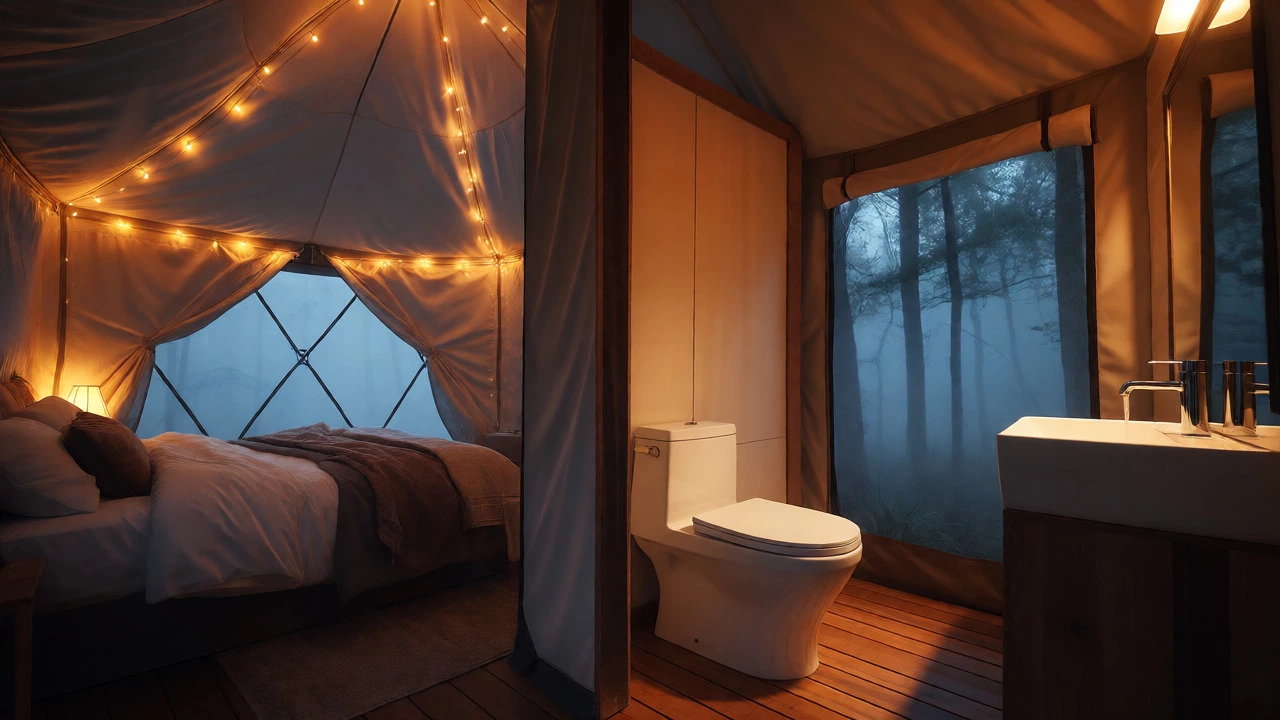
This is the gold standard of modern glamping. When a listing says "ensuite," it usually means you have a dedicated bathroom space attached to your sleeping quarters. This might be a hard-walled addition to a yurt or a partitioned area within a large canvas dome. You’ll find a real flush toilet connected to a septic system or municipal sewage, a sink with running water, and often a shower. In Australia, where I live, high-end sites near Byron Bay or the Blue Mountains often feature this setup. It’s perfect if you’re traveling with young kids who refuse to use anything but their home toilet, or if you’re visiting during winter when stepping outside for a pee feels like a polar expedition. The convenience factor here is massive-you don’t leave your warmth, and you don’t worry about mud on your feet.
2. The Private Outdoor Pod
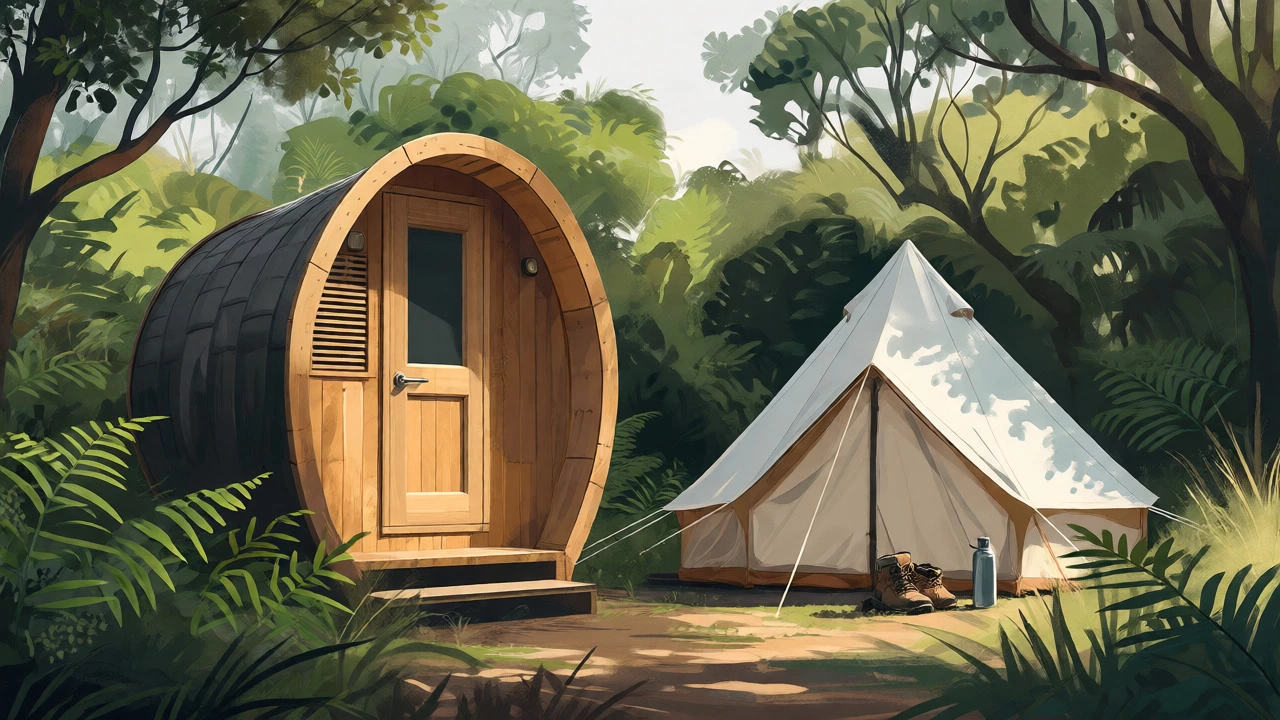
Slightly less luxurious than an ensuite but far more private than a campground, the private pod is a standalone structure just steps from your tent. These are increasingly common in eco-glamping sites. They often house composting toilets rather than flush ones. Why? Because installing plumbing in remote bushland is expensive and environmentally intrusive. Don’t let the word "composting" scare you off. Modern units, like those from Sun-Mar or Clivus Multrum, are odor-free and surprisingly pleasant. They separate liquids and solids, requiring you to add peat moss or coco coir after use. There’s no flushing mechanism, just a hand-crank or pedal action. Some pods include a small sink with a jerry-can water supply and a bucket shower. If you’re staying in a national park or a protected reserve, this is likely what you’ll encounter. It’s clean, it’s green, and it keeps you close to nature without sacrificing dignity.
3. The Communal Block Reality
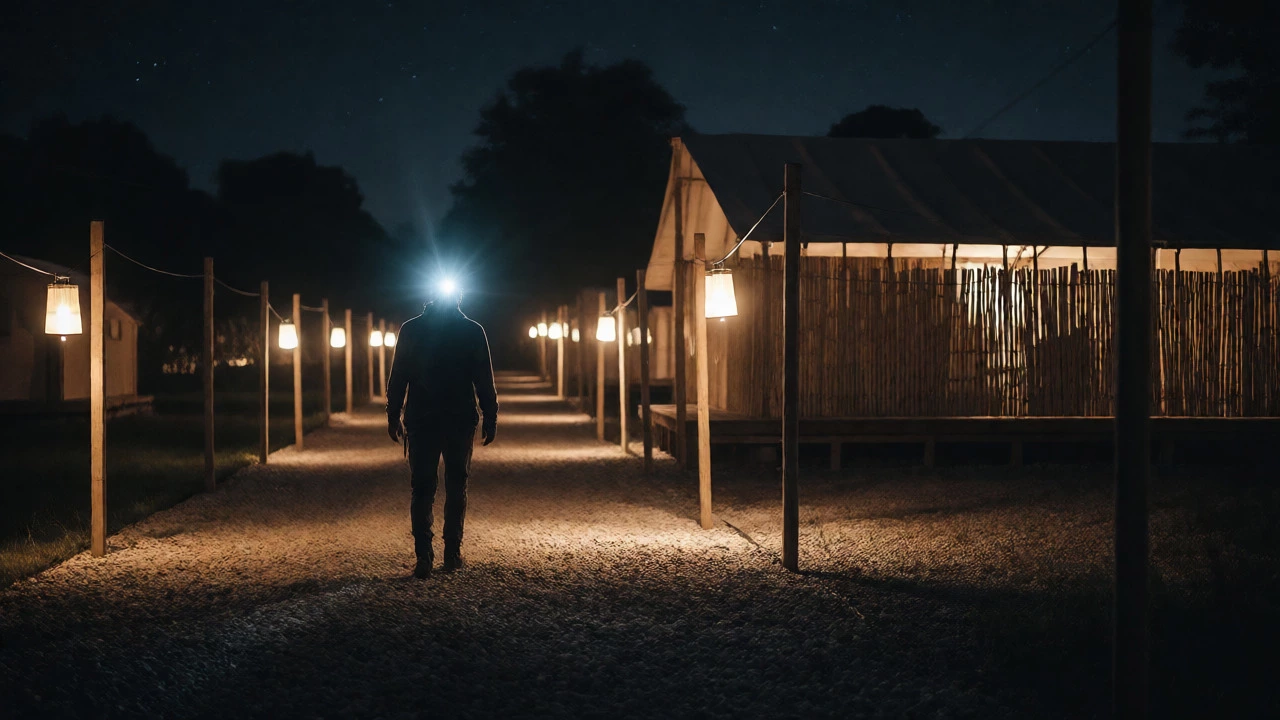
Yes, some places still call themselves "glamping" while offering only access to a shared amenity block. This is typical for festival-style glamping or budget-friendly sites in popular tourist hubs. You get a nice bed and decor, but you share the bathrooms with everyone else on the site. These blocks usually have flush toilets and hot showers, similar to a good caravan park, but you’re walking there in the dark. If you book this type, bring a headlamp. Nothing ruins a romantic evening faster than tripping over roots because you forgot your light source for the midnight bathroom run. Also, check reviews specifically mentioning cleanliness. Shared facilities live or die by how well the site staff maintains them.
How to Spot the Difference Before Booking
Marketing language can be tricky. A photo of a clawfoot tub doesn’t mean there’s a working drain attached to it-it could be a decorative piece filled with ice for wine. Here is how to verify the reality before you hit "confirm."
- Look for specific keywords: Search the listing for "flush toilet," "septic," "composting," or "mains water." If it just says "bathroom," dig deeper.
- Check the map view: On most booking platforms, you can see the layout. Is there a small building right next to your tent? That’s likely your private pod. Do you have to walk 200 meters to a larger building? That’s the communal block.
- Read recent reviews: Ignore the five-star ratings initially. Search reviews for words like "toilet," "shower," "water," and "clean." Previous guests will tell you if the hot water runs out quickly or if the composting bin smells.
- Contact the host directly: Ask this exact question: "Is the toilet inside the tent, in a private external pod, or shared?" Their hesitation or vague answer tells you everything you need to know.
Packing for Your Bathroom Situation
Your packing strategy should change based on the sanitation level. If you’re heading to a site with a communal block, you need a kit. If you’re going all-inclusive with an ensuite, you pack lighter.
For communal or outdoor pod scenarios, pack a dedicated "bathroom bag." Include quick-dry towels, flip-flops for shower floors, biodegradable soap (many eco-sites require this), and a powerful flashlight or headlamp. Toilet paper is another critical item. While most sites provide it, "luxury" toilet paper is rare in composting units, and communal blocks sometimes run out at 2 AM. Bring your own roll or two-it takes up zero space and saves you from a sticky situation.
For ensuite setups, treat it like a hotel stay. Pack your regular toiletries, plush robes, and slippers. Since you have running water, you don’t need dry shampoo or wet wipes as a backup plan. However, always bring a pair of indoor shoes. Even in a luxury tent, canvas floors can get dusty or damp, and you don’t want to track dirt into your sleeping zone.
Common Myths About Glamping Bathrooms
There are a few misconceptions floating around online that cause unnecessary anxiety. Let’s clear them up.
Myth 1: All composting toilets smell bad. False. Properly maintained composting toilets do not smell like sewage. They smell like earthy wood chips. If it smells bad, the user didn’t follow instructions (usually forgetting to cover waste with carbon material). Hosts usually provide clear signage and gloves. Treat it like any other appliance, and it works fine.
Myth 2: You won’t have hot water. This varies wildly. In solar-powered off-grid sites, hot water might be limited to a certain number of minutes per day or generated by gas boilers. Always ask about hot water availability. Some sites offer "cold water only" showers to save energy, which is refreshing in summer but brutal in winter.
Myth 3: Privacy is nonexistent. Even in communal setups, glamping sites tend to prioritize design. Blocks are often screened with bamboo or wooden fences. Private pods have locking doors. Unless you’re at a massive music festival, you’re unlikely to feel exposed.
What If You Really Can’t Handle the Plumbing?
If the idea of a composting toilet or a walk to a block makes you anxious, consider alternative accommodations. Some "glamping" sites are actually converted caravans or shipping containers with full RV-style plumbing. These often have cassette toilets (small holding tanks you empty manually) or direct hookups. They bridge the gap between a camper van and a hotel room. Alternatively, look for "cabin glamping." These are solid structures made of wood or metal, not canvas. They almost always have traditional plumbing because they’re built on permanent foundations. You get the aesthetic of being in the wild with the mechanics of a suburban home.
Final Thoughts on Comfort vs. Nature
Deciding whether a glamping tent has a toilet isn’t just about logistics; it’s about defining your experience. Do you want to wake up, step through a zipper, and be instantly immersed in the forest sounds? Or do you want to wake up, flush, and wash your hands before facing the day? Both are valid. Just make sure the price tag matches the plumbing. Paying premium rates for a tent with a hole in the ground feels like a rip-off. Paying modest rates for a rustic experience feels like an adventure. Check the specs, manage expectations, and you’ll sleep soundly knowing exactly where you’re going when nature calls.
Do all glamping tents have private bathrooms?
No. Only higher-tier glamping options, such as yurts with ensuites or safari lodges, guarantee private bathrooms. Many mid-range and budget glamping sites rely on shared communal blocks or private outdoor pods located a short distance from the tent.
Are composting toilets smelly?
Modern composting toilets are designed to be odorless if used correctly. They typically separate urine and solids and require adding a carbon-rich material like sawdust or peat moss after each use. Bad smells usually result from improper maintenance or incorrect usage.
Can I flush toilet paper in a glamping toilet?
It depends on the system. Flush toilets connected to septic systems may allow it, but many rural septic fields cannot handle paper. Composting toilets strictly forbid flushing paper; it must go into a separate bin. Always check the signs posted in the restroom before flushing anything.
Do glamping sites provide toilet paper?
Most reputable glamping sites provide basic toilet paper. However, quality varies, and supplies can run low during peak times or late at night. It is wise to bring your own travel-size rolls as a backup, especially for remote locations.
Is there hot water in glamping showers?
Hot water availability varies by site. Off-grid sites may use solar heaters, gas boilers, or propane systems, which can limit flow rate or duration. Always confirm hot water specifications with the host, particularly if you are traveling in cooler months.