Michigan Free Camping Suitability Checker
Not all public land in Michigan allows free camping. Use this checker to see if your intended spot and setup comply with state and federal regulations.
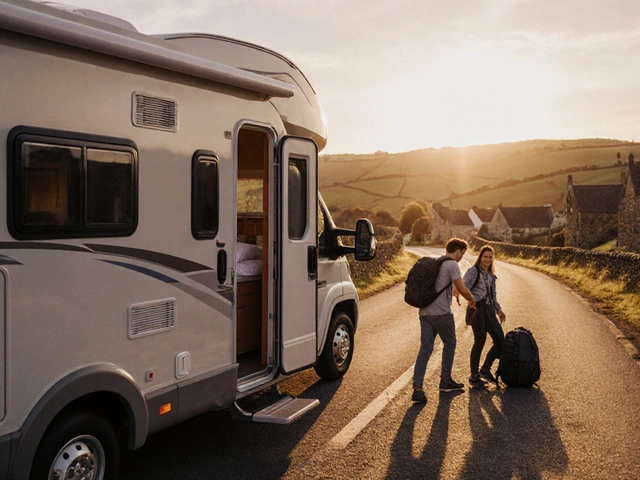
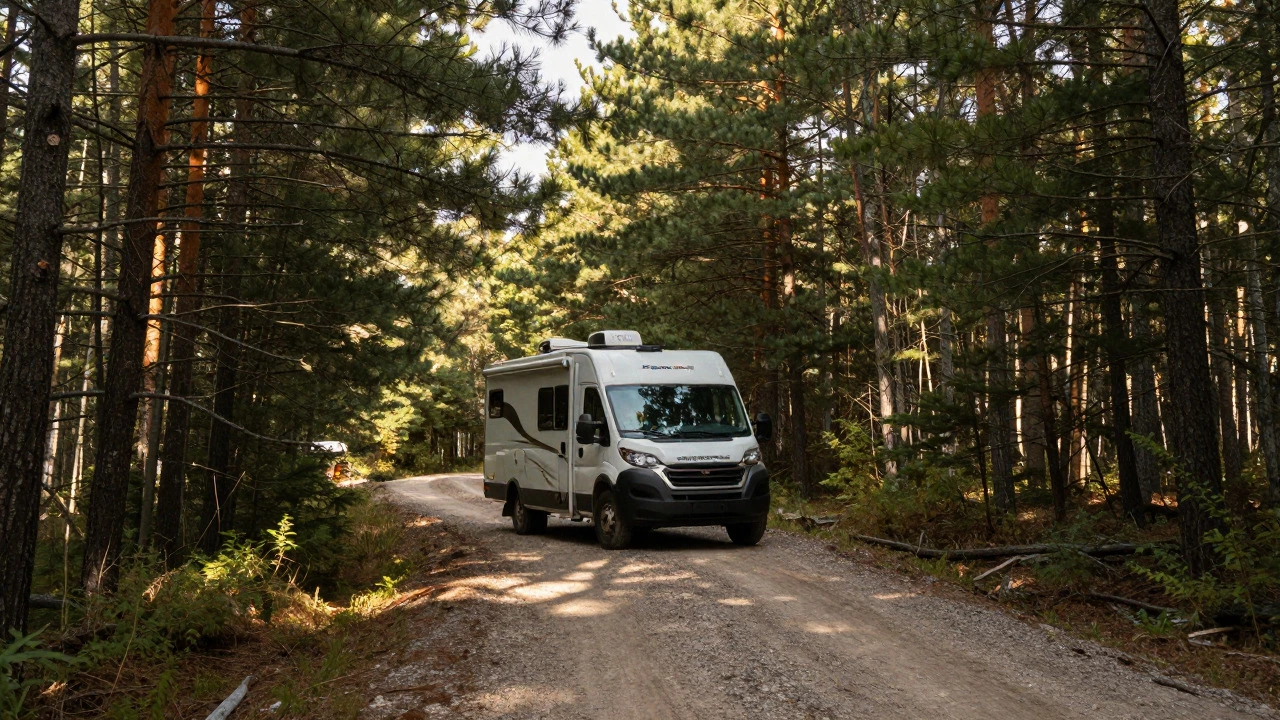
Imagine pulling your rig off the paved road, kicking up a little dust, and parking under a canopy of pines without paying a dime. It sounds like the ultimate dream for any budget-conscious traveler or van lifer. But does free camping in Michigan actually exist, or is it just a myth spread by optimistic forum posts?
The short answer is yes, but with some serious caveats. You won’t find endless stretches of open land where you can park anywhere you like. Michigan’s landscape is heavily regulated, divided between state forests, national forests, and private timberland. To camp for free here, you need to know exactly where the lines are drawn.
The Reality of "Free" Camping in Michigan
When people ask about free camping, they usually mean one of two things: dispersed camping (camping outside of designated sites on public land) or boondocking (self-contained camping without hookups). In many western states like Colorado or Montana, dispersed camping is widely available on Bureau of Land Management (BLM) land. Michigan has no BLM land. Instead, we have the U.S. Forest Service and the Michigan Department of Natural Resources (DNR).
This distinction matters because the rules differ significantly. The Upper Peninsula (UP) and parts of the Lower Peninsula (LP) offer opportunities, but you must understand that "free" often comes with restrictions on duration, vehicle type, and location. It’s not a free-for-all; it’s a privilege granted by specific land management agencies.
Camping on National Forests: The Best Bet
If you want to camp for free in Michigan, your best option is the Hiawatha National Forest in the Upper Peninsula. This is one of the few places in the state where dispersed camping is explicitly permitted on certain forest roads.
Here is how it works:
- Designated Roads Only: You cannot just pull over anywhere. Look for forest roads marked as open to dispersed camping. These are often gravel or dirt roads leading away from main highways.
- Distance Rules: You must stay at least 100 feet away from any trail, water source, or existing campsite. This protects the environment and ensures privacy for others.
- No Hookups: There are no toilets, water spigots, or trash cans. You are responsible for packing out everything you pack in.
The Ottawa National Forest in the Lower Peninsula is more restrictive. While there are vast tracts of public land, true dispersed camping is limited. Most areas require you to use developed campgrounds, which charge fees. However, some remote sections near the Wisconsin border may allow short-term stays if you stick to established pull-offs, but always check current signage.
State Forests and DNR Land: Mostly Paid
Many beginners confuse state forests with national forests. In Michigan, the Michigan DNR manages state forests, and their policy is generally stricter regarding overnight stays. Most state forest campgrounds require reservations and payment.
However, there are exceptions:
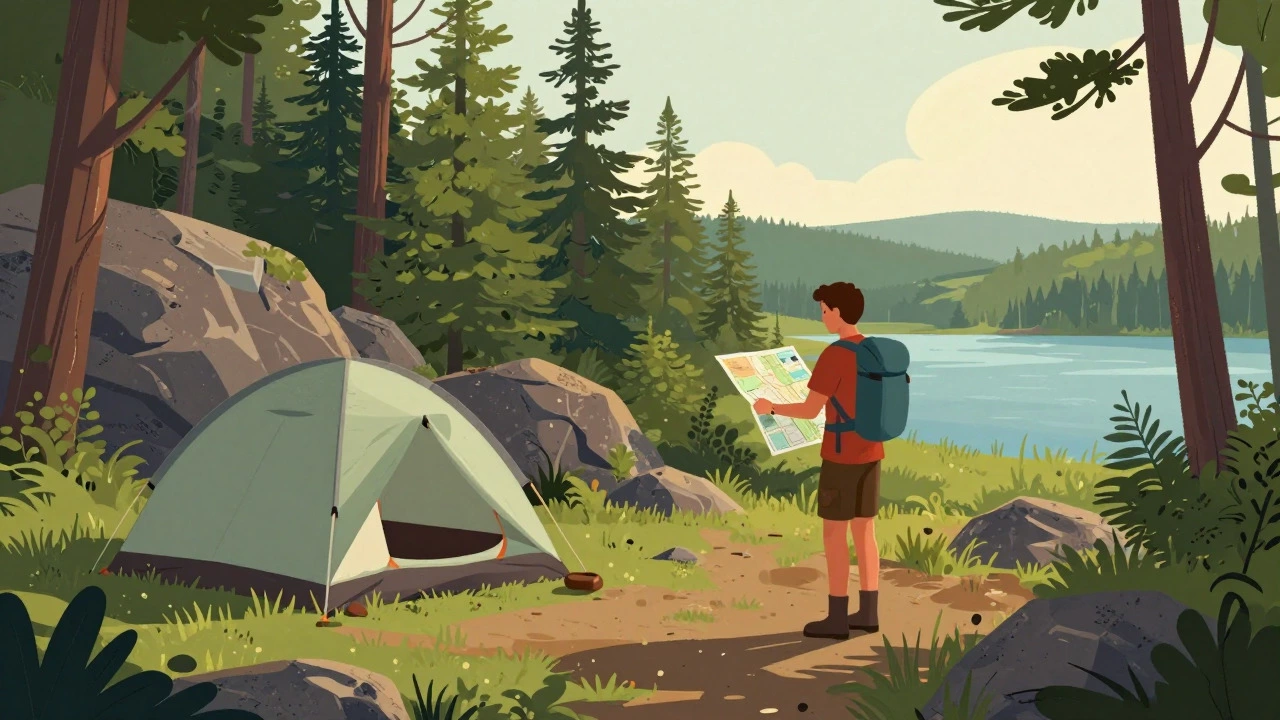
- Backcountry Camping: Some state parks and forests allow backcountry camping in specific zones. This usually requires a permit, which costs money, but it’s cheaper than a standard site. It’s not "free," but it’s low-cost.
- Wilderness Areas: Certain wilderness areas within state forests prohibit motorized vehicles entirely. If you hike in, you can sometimes camp in designated shelters or lean-tos for free or a small fee. Check the specific unit’s regulations before heading out.
A common mistake is assuming that any public land managed by the DNR allows free overnight parking. Often, signs will say "No Overnight Parking" or "Day Use Only." Ignoring these signs can lead to citations or towing.
Boondocking in Towns and Private Land
What about staying in town for free? Many cities in Michigan have ordinances against sleeping in vehicles. Detroit, Grand Rapids, and Traverse City have strict laws enforcing anti-camping measures. However, smaller towns might be more lenient, especially during peak tourist seasons when hotels are full.
Private land offers another avenue. Some farmers or landowners allow free camping in exchange for helping with chores or simply being respectful neighbors. Apps like Hipcamp or Dispersion can help you find these spots, though Hipcamp often charges a small platform fee.
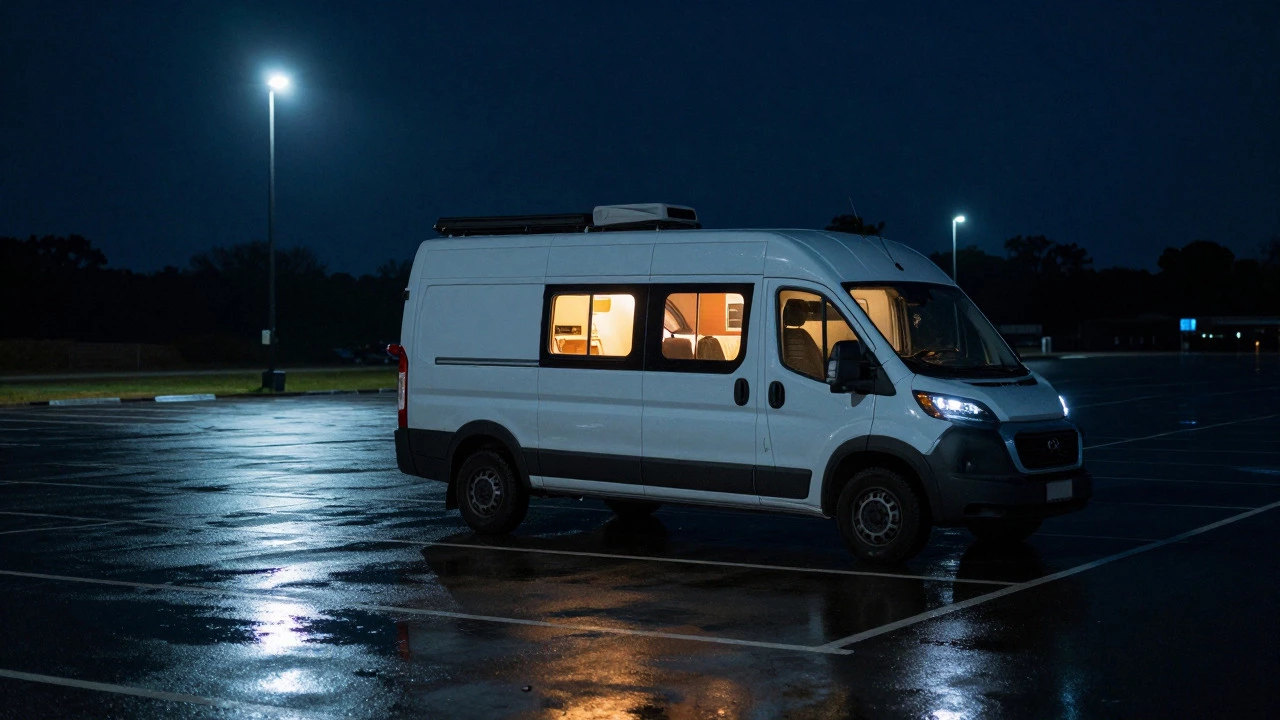
Another option is Walmart parking lots. Historically, Walmart allowed overnight RV parking. Today, it varies by store manager and local city laws. Always call ahead or look for a sign saying "Overnight Parking Allowed." Never assume it’s okay just because other RVs are there.
Rules and Etiquette for Free Campers
Camping for free comes with a social contract. Since you’re not paying for services, you must minimize your impact. Here are the non-negotiable rules:
| Rule | Why It Matters | Consequence of Breaking |
|---|---|---|
| Pack Out All Trash | Prevents wildlife attraction and litter | Fines, bad reputation for future campers |
| Stay 100ft from Water | Protects water quality and riparian zones | Erosion damage, regulatory fines |
| Limit Stay to 14 Days | Prevents permanent residency claims | Eviction by rangers |
| No Open Fires in Dry Seasons | Reduces wildfire risk | Criminal charges, heavy fines |
Leave No Trace (LNT) principles are critical here. If you leave trash or start unauthorized fires, locals and officials will likely push for stricter bans, closing off access for everyone else. Be the good guest who leaves the spot better than you found it.
Best Locations for Free Camping in Michigan
Based on recent reports and ranger updates, here are some reliable spots for free camping:
- Hiawatha National Forest (UP): Look for roads like F-570, F-690, and F-830. These are popular among dispersed campers. Access is easier in summer, but winter snow can block roads.
- Porcupine Mountains Wilderness State Park: While most camping is paid, there are free backcountry permits available for hikers entering via the North Country Trail. Limited spots, first-come, first-served.
- Isle Royale National Park: Not free, but worth mentioning. Backcountry camping requires a permit, but it’s affordable compared to resorts. Strictly regulated to protect the island’s ecosystem.
- Lower Peninsula Remote Pull-offs: Along M-26 and US-2 in the UP, there are unofficial pull-offs where people park for the night. Use caution and ensure you’re not blocking traffic or private driveways.
Seasonal Considerations
Michigan’s weather plays a huge role in free camping viability. Summer brings mosquitoes and black flies, making unprotected sleep uncomfortable. Winter brings snow and ice, requiring four-wheel drive and proper gear. Spring and fall are ideal-mild temperatures and fewer bugs.
In late spring, watch for flooding on forest roads. In early fall, be aware of fire danger levels. The DNR issues burn bans regularly, so even if you have a portable stove, check if open flames are prohibited in your area.
Alternatives to Completely Free Camping
If you can’t find a suitable free spot, consider low-cost alternatives:
- Amc Overland Discounts: Members get discounts at national forests and parks.
- Annual Passes: The America the Beautiful Pass covers entrance fees for national forests and parks, saving money on multiple trips.
- Primitive Campgrounds: Some DNR sites offer primitive tent-only sites for $10-$15 per night. Cheaper than full-hookup RV sites.
These options provide amenities like restrooms and potable water, which can make a big difference in comfort and safety.
Can I camp for free in Michigan state parks?
Generally, no. Most Michigan state parks charge fees for all campgrounds. However, some offer free day-use areas where you can park and picnic, but overnight stays usually require a reservation and payment. Exceptions include backcountry hiking permits, which are low-cost but not free.
Is dispersed camping legal in Hiawatha National Forest?
Yes, dispersed camping is legal in Hiawatha National Forest on designated forest roads. You must follow Leave No Trace principles, stay 100 feet from water sources, and limit your stay to 14 days within a 30-day period. Always check for current road closures or burn bans.
Where can I find free camping maps for Michigan?
The U.S. Forest Service website provides detailed maps of Hiawatha and Ottawa National Forests, showing roads open to dispersed camping. Apps like iOverlander and FreeRoam also crowdsource locations, but verify with official sources as conditions change.
Are there fines for illegal camping in Michigan?
Yes, fines vary depending on the location and violation. Camping in restricted areas, starting unauthorized fires, or littering can result in fines ranging from $50 to several hundred dollars. Repeated offenses may lead to higher penalties or court appearances.
Can I camp for free on private land in Michigan?
Only with explicit permission from the landowner. Trespassing on private property without consent is illegal. Some landowners advertise free camping through apps or social media, but always confirm arrangements beforehand.