Camping vs. Glamping Cost Estimator
Trip Details
Cost Breakdown
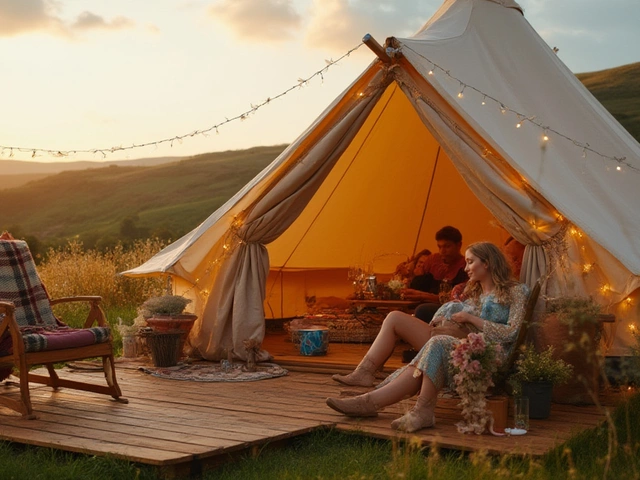
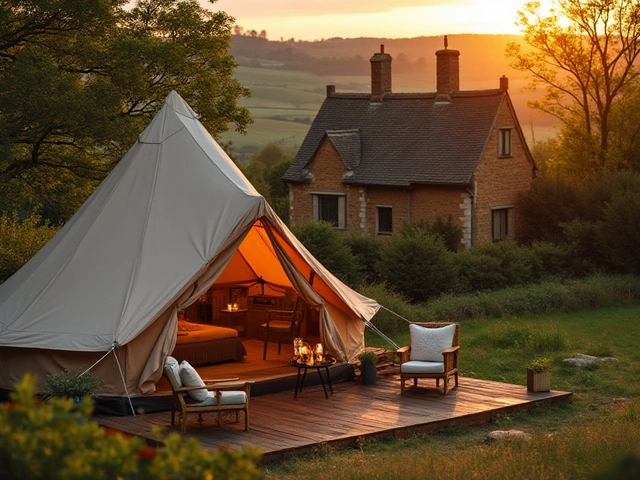
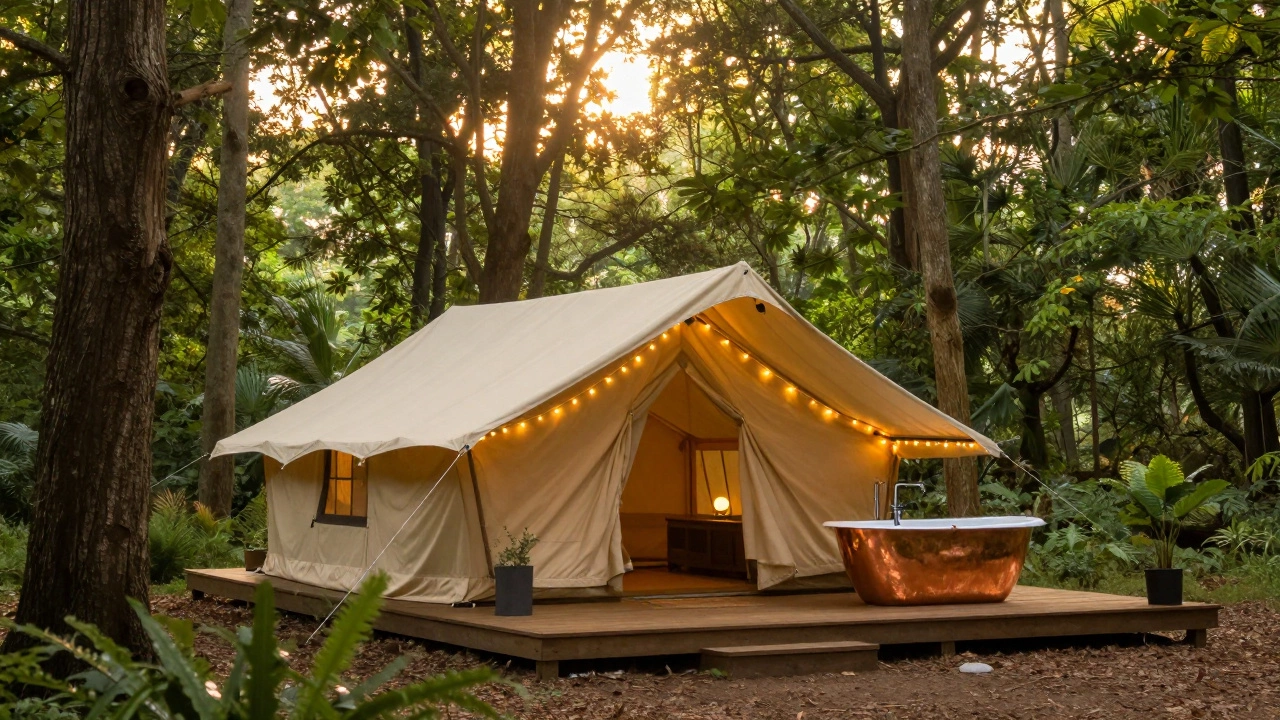
You've probably seen the photos: a massive canvas tent with a king-sized bed, fairy lights, and maybe even a copper bathtub, all tucked away in a forest. It looks like a dream, but then you see the price tag and wonder if you're paying for a night's sleep or a small piece of real estate. If you're trying to figure out if glamping cost is actually justifiable compared to a standard tent setup, you aren't alone. The short answer is yes, it's significantly more expensive, but the gap depends entirely on how much gear you already own and how much "roughing it" you can actually stomach.
Quick Cost Comparison
- Traditional Camping: Low entry cost if you have gear; usually just a site fee.
- Glamping: Higher nightly rate; includes accommodation and amenities.
- Hidden Costs: Camping has gear depreciation; glamping often has "resort-style" add-ons.
The Real Math: Breaking Down the Price Gap
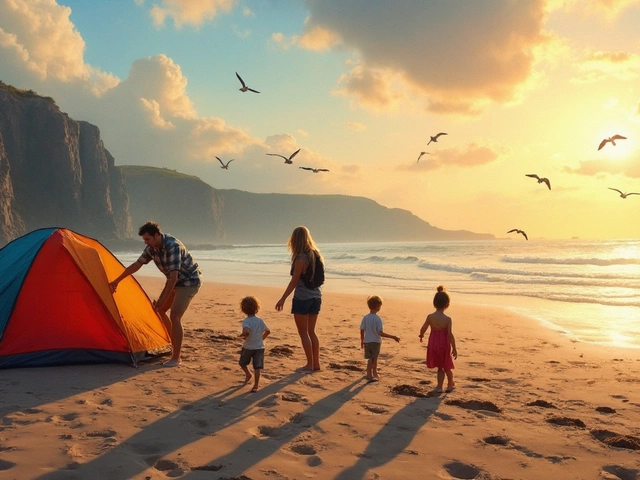
To understand why one costs more than the other, we have to look at what you're actually buying. When you go traditional camping, you're paying for a piece of dirt. In a typical national park or designated campsite, you might pay anywhere from $20 to $50 per night for a plot of land. Your biggest expenses are the one-time purchases: the tent, the sleeping bags, and the portable stove.
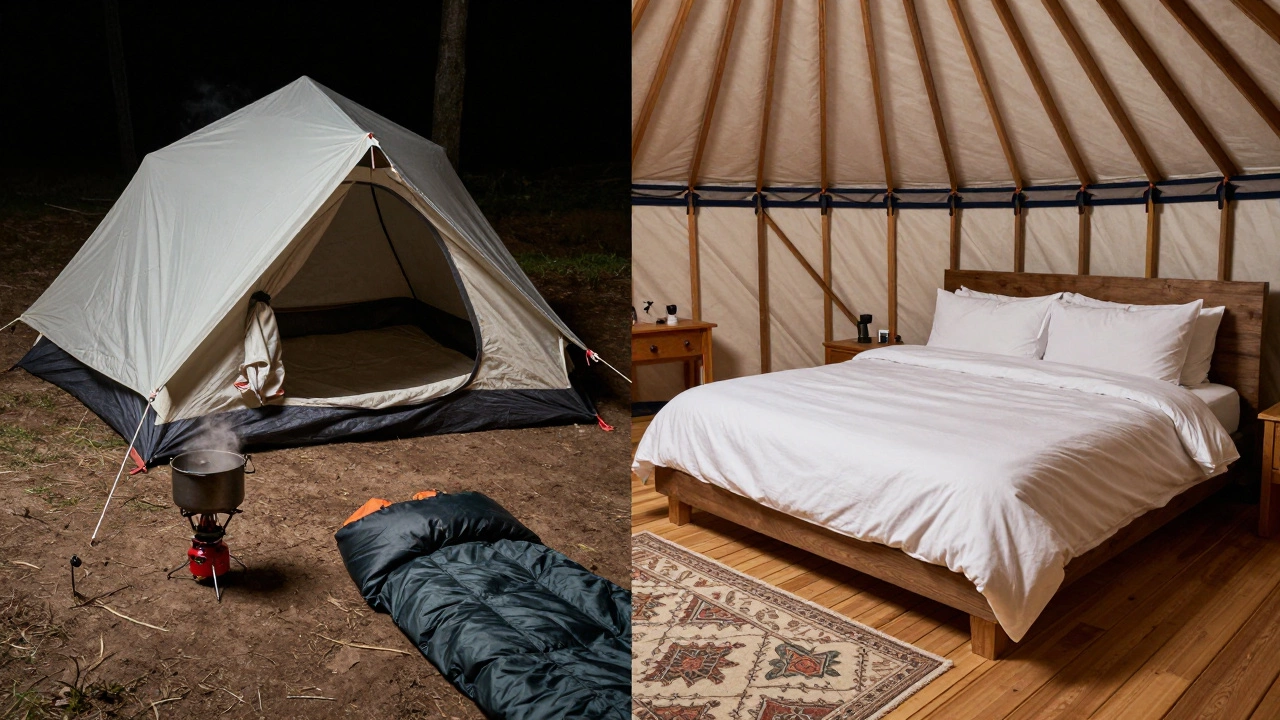
Glamping is a different beast. Glamping is a form of camping that combines the experience of nature with amenities and services usually associated with hotels. Since the operator provides the structure-be it a safari tent, a yurt, or a treehouse-you're paying for the infrastructure and the labor to maintain it. Nightly rates for glamping often range from $150 to $500, placing it firmly in the territory of boutique hotels rather than outdoor excursions.
| Expense Item | Traditional Camping | Glamping |
|---|---|---|
| Site/Accommodation Fee | $20 - $60 | $150 - $600 |
| Equipment Rental/Purchase | High (Initial) / Low (Per trip) | Zero (Included) |
| Electricity & Plumbing | Limited/None | Full Access |
| Bedding & Linens | BYO / Sleeping Bag | Hotel Quality Included |
Where the Money Actually Goes in Glamping
If you're feeling sticker shock, it helps to know what's driving the price up. You aren't just paying for a fancy tent. You're paying for the "invisible" logistics. A Yurt is a circular, portable tent traditionally used by nomads in Central Asia, now adapted for luxury tourism with wooden frames and insulation. Setting up a yurt requires a heavy-duty platform to keep the floor dry and level, which is a significant capital investment for the site owner.
Then there's the staffing. Traditional campsites have a ranger or a caretaker who checks you in. Glamping sites often have housekeeping staff to change linens, gardeners to keep the surroundings "Instagram-perfect," and sometimes even a concierge. You're essentially paying for a hotel experience that happens to be located in a field. When you factor in the cost of transporting electricity and running water to remote locations, the price per night naturally climbs.
The "Hidden" Costs of Traditional Camping
While glamping looks expensive on paper, traditional camping isn't "cheap" if you're starting from scratch. Imagine you want to go on a weekend trip. You need a decent 4-person tent ($150), a double sleeping pad ($80), a warm sleeping bag ($100), and a reliable camping stove ($60). Before you've even paid for the campsite, you've spent nearly $400.
If you only camp once every two years, that gear spends 99% of its time taking up space in your garage and slowly degrading. For the casual adventurer, renting a glamping pod might actually be cheaper than buying high-end gear that will eventually end up in a landfill. However, for the seasoned pro who already owns a Tarp and a high-quality weather-resistant nylon tent, the cost of traditional camping remains nearly unbeatable.
Which One Fits Your Budget?
Choosing between the two usually comes down to how you value your time versus your money. If you enjoy the process of setting up camp, chopping wood, and managing your gear, the low cost of traditional camping is a huge win. There is a specific satisfaction in building your own shelter and waking up to the smell of coffee brewed over a fire you started yourself.
On the other hand, if the idea of sleeping on a thin piece of foam and using a communal shower block with ten strangers sounds like a nightmare, glamping is your best bet. It removes the friction. You show up, drop your bags, and immediately enjoy the scenery. For many, the extra $200 per night is a fair trade for a real mattress and a private bathroom. It turns a "survival' trip into a vacation.
Alternative Options: The Middle Ground
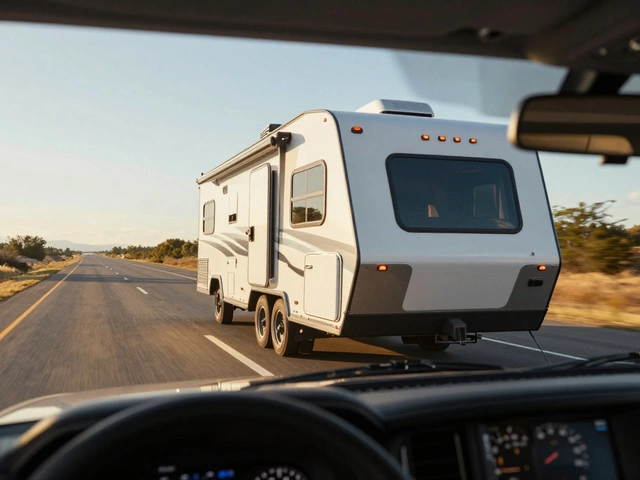
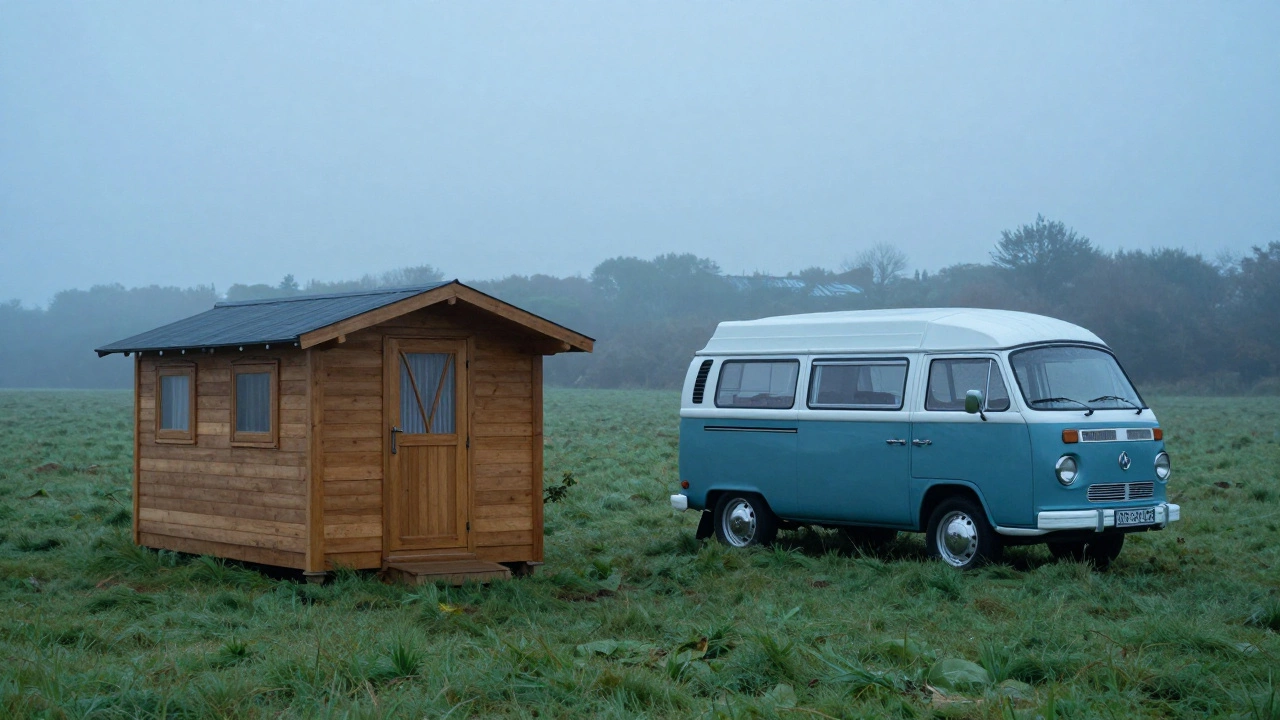
You don't always have to choose between a $30 patch of dirt and a $500 luxury suite. There are several middle-ground options that can save you money while still providing some comfort. One great example is Caravan Parks, which provide a structured environment with electrical hookups and shared facilities, but you still bring your own trailer or campervan. This allows you to control your costs while avoiding the extremes of wild camping.
Another option is "luxury tent rentals." Some companies provide high-end canvas tents that they set up for you at a standard campsite. You get the glamping vibe without the full resort price tag. Or, you can invest in a "glamping-lite" kit for your own trips: a memory foam camping mattress and a portable power station. This allows you to upgrade your experience without paying a premium to a site operator every time you go outdoors.
Is glamping always more expensive than camping?
Almost always, yes. Glamping involves provided infrastructure, furniture, and services that traditional camping does not. While a camping site fee might be $30, a glamping unit usually starts at $150. The only time it's "cheaper" is if you don't own any gear; buying a full set of high-quality camping equipment can cost more upfront than a single glamping weekend.
What is included in the price of glamping?
Typically, the price covers the accommodation (tent, yurt, or pod), a real bed with linens, electricity, and access to bathrooms. Some luxury sites also include breakfast, welcome baskets, or activities like kayaking and guided hikes, though these can sometimes be extra charges.
Do I need to bring any gear if I go glamping?
Generally, no. You only need your clothes and personal toiletries. However, it's always smart to bring a warm jacket and sturdy walking shoes, as you are still in a natural environment where temperatures can drop at night, regardless of how fancy the bed is.
Which is better for families with small children?
Glamping is often easier for families because it eliminates the stress of gear management and provides a safer, more enclosed sleeping space. However, traditional camping is better for teaching kids about nature and resilience. If budget is a concern, traditional camping is the way to go, provided you have a large enough tent.
How do I find affordable glamping options?
Look for "glamping pods" or "shepherd huts" rather than full-scale luxury resorts. Booking during the shoulder seasons (spring or autumn) can also lead to significant discounts compared to the peak summer rush. Additionally, check for sites that offer "primitive glamping" where you get the structure but fewer hotel-style services.
Next Steps for Your Trip
If you're still undecided, start by auditing your gear. If you have a tent and bags that are still waterproof and functional, try a standard campsite first. If you find yourself hating the sleeping conditions, you can always upgrade to glamping for your next trip.
For those who want the glamping experience on a budget, look for sites that offer "pods." These are small, wooden structures that are cheaper than yurts or treehouses but still provide a solid roof and a real bed. It's the perfect way to test the waters without spending your entire vacation budget on one night's sleep.