UK Wild Camping Legal Checker
Select a region above to see the legal status and specific guidelines.
You’ve packed your tent, checked the weather forecast, and mapped out a route into one of the UK’s most stunning landscapes. But before you pitch that first peg, a nagging question pops up: is it legal to camp in National Parks UK? The answer isn’t a simple yes or no. In fact, it depends entirely on which side of the border you’re standing on. One moment you might be enjoying a protected right to roam, and the next, you could be facing a fine for trespassing.
The confusion is understandable. Many people assume that because an area is designated as a "National Park," it is public land open for everyone to use freely. While National Parks are indeed places of natural beauty meant for enjoyment, they are not lawless zones. Ownership of the land within these parks often remains private, even if the public has rights to access it for walking. Understanding the difference between access for recreation and the right to sleep overnight is crucial for any camper wanting to stay on the right side of the law.
The Scottish Exception: Your Right to Roam
If you are planning a trip to Scotland, you are in luck. Scotland operates under a unique legal framework known as the Land Reform (Scotland) Act 2003, which codifies the ancient concept of the "Right to Roam". This legislation grants everyone the right to be outdoors in Scotland for recreation, education, and cultural activities. Crucially, this includes the right to wild camp, provided you do so responsibly.
This means you can legally set up your tent almost anywhere in the Scottish Highlands, Islands, or lowlands without needing permission from the landowner. You don't need to book a site, pay a fee, or worry about being asked to leave, as long as you follow specific guidelines. The key here is responsibility. The law expects you to respect the environment and other people. If you treat the land with care, the land welcomes you.
However, there are limits. You cannot wild camp on private gardens, enclosed land with crops, or areas specifically signed off for vehicle parking. Also, while you have the right to camp, you generally should not stay in one spot for more than three or four days to allow the ground to recover. If you plan to stay longer, you should seek permission from the landowner. This system works because it relies on mutual trust and respect rather than strict policing.
England and Wales: Permission Is Key
Cross the border into England or Wales, and the rules change dramatically. Here, wild camping is technically considered trespassing. Most land within English and Welsh National Parks, such as the Lake District, Snowdonia, or the Peak District, is privately owned by farmers, estates, or trusts. Unless you have explicit permission from the landowner, sleeping overnight in your tent is a civil offense.
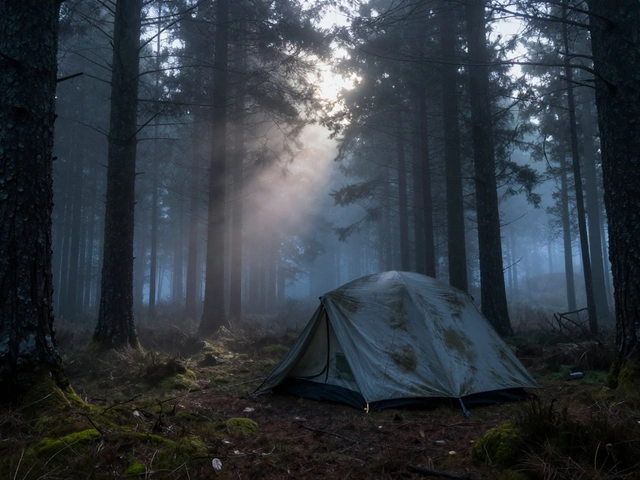
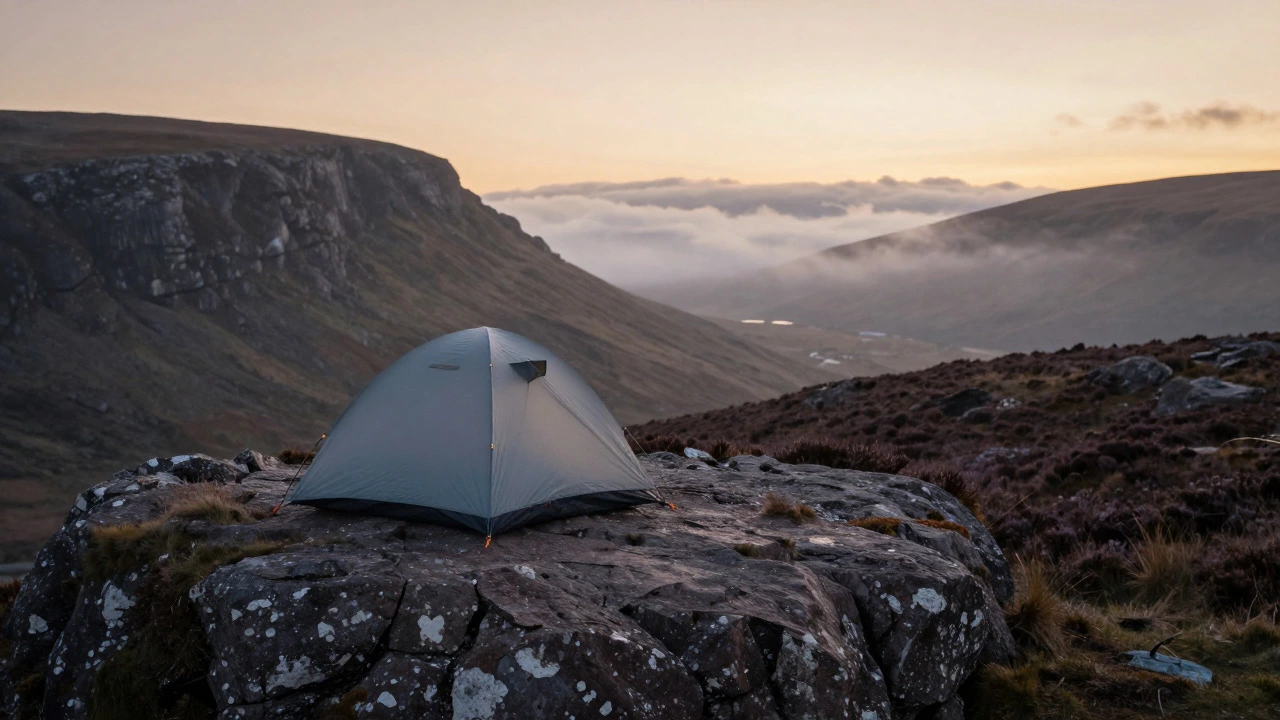
So, why do we see photos of tents pitched on fells and hillsides in the Lake District all the time? It comes down to tolerance. In some remote, high-altitude locations, landowners may turn a blind eye to responsible wild campers who come for just one night. This is an unspoken social contract, not a legal right. Rangers might not stop you immediately, but if you cause damage, make noise, or stay too long, they will ask you to move. Ignoring their request can lead to eviction orders or fines.
To avoid conflict, many experienced campers in England and Wales adopt a "stealth camping" approach. This involves arriving late, setting up quietly, leaving early, and ensuring absolutely no trace remains. However, relying on stealth is risky. A safer alternative is to look for designated wild camping spots or informal campsites that local authorities or landowners have approved. These sites offer peace of mind and support the local economy.
Northern Ireland: Strict Regulations
In Northern Ireland, the situation is similar to England and Wales but often stricter. There is no general right to wild camp. Most land is privately owned, and trespassing laws are enforced. Some areas, particularly around Lough Neagh or the Causeway Coast, may have designated camping areas, but random pitching is rarely tolerated. If you want to camp in Northern Ireland, it is best to stick to registered campsites or secure permission from a landowner beforehand. Attempting to wild camp here without permission is likely to result in a quick visit from security or police.
The Golden Rule: Leave No Trace
Regardless of where you are in the UK, the principle of Leave No Trace is the cornerstone of ethical wild camping. This isn't just a slogan; it's a practical guide to minimizing your impact on the environment. When you camp responsibly, you reduce the likelihood of locals complaining, which in turn helps keep wild camping accessible for everyone.
- Camp Discreetly: Avoid pitching near roads, houses, or popular viewpoints. Choose a spot that is already disturbed, like a rocky patch or existing path edge, rather than trampling fresh grass or rare plants.
- Manage Waste: Take everything you bring with you back home. This includes toilet paper and food scraps. In sensitive areas, carry out human waste using wag bags.
- Control Fires: Open fires are often banned during dry periods or in peatland areas. Use a portable stove for cooking. If you must have a fire, ensure it is completely extinguished and cold to the touch before you leave.
- Respect Wildlife: Keep dogs on leads, especially during lambing season (March to May). Disturbing nesting birds or grazing livestock can lead to serious conflicts with farmers.
- Be Quiet: Noise travels far in open landscapes. Keep conversations low and avoid playing music after dusk.
By following these principles, you show respect for the landowners and the environment. This goodwill goes a long way in maintaining the fragile balance that allows some wild camping to continue in England and Wales.
Comparison of Wild Camping Laws Across the UK
| Region | Legal Status | Key Legislation/Guideline | Permission Required? |
|---|---|---|---|
| Scotland | Legal | Land Reform (Scotland) Act 2003 | No (for short stays) |
| England | Trespass (Civil Offense) | Civil Trespass Law | Yes (from landowner) |
| Wales | Trespass (Civil Offense) | Civil Trespass Law | Yes (from landowner) |
| Northern Ireland | Trespass (Civil Offense) | Civil Trespass Law | Yes (from landowner) |
Alternatives to Illegal Wild Camping
If you find the legal restrictions in England and Wales daunting, there are plenty of alternatives that offer the same sense of adventure without the risk of eviction. Many National Parks now offer "wild camping" experiences that are fully licensed. These are often small, discreet sites managed by local businesses or conservation groups. They provide basic facilities like composting toilets and water taps while maintaining the rugged feel of wild camping.
Another option is to book a spot at a traditional campsite. Modern campsites in the UK have evolved significantly. Many offer quiet, secluded pitches surrounded by trees, providing privacy comparable to wild camping. Plus, you get the benefit of hot showers, clean toilets, and sometimes even a cafe. For those who want the ultimate convenience, glamping sites offer luxury accommodations in nature, though they lack the DIY aspect of pitching a tent.
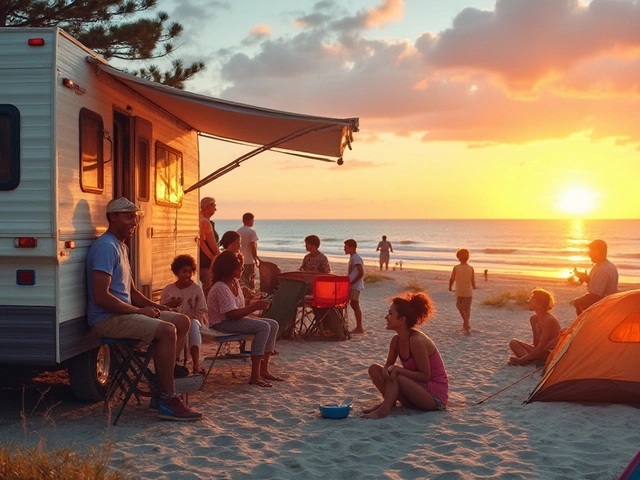
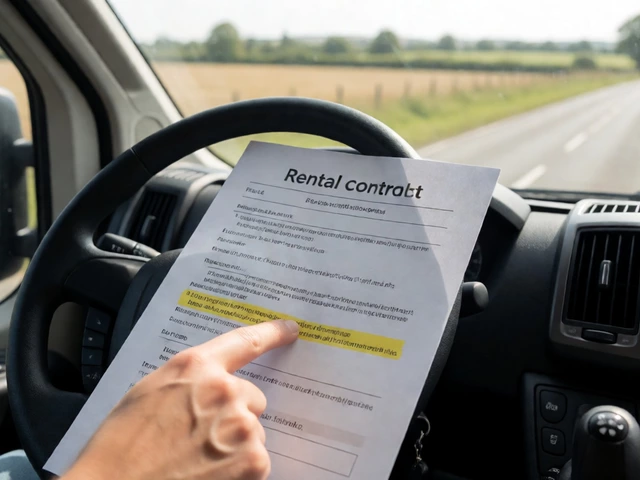
For motorhome users, there are numerous designated stopping points and wild boondocking spots, particularly in Scotland. Apps and websites dedicated to finding these spots can help you locate legal places to park overnight. Always check the latest information, as regulations can change based on seasonal pressures or local council decisions.
Practical Tips for Responsible Campers
Before heading out, prepare thoroughly. Check the weather conditions, as British weather can turn harsh quickly. Carry appropriate gear, including a warm sleeping bag and a waterproof tent. Inform someone of your plans and expected return time. If you are camping in remote areas, consider carrying a personal locator beacon (PLB) for emergencies.
When choosing a location, avoid areas with visible signs prohibiting camping. Respect any temporary closures due to environmental reasons, such as nesting birds or soil erosion. If you meet a farmer or ranger, introduce yourself politely. A friendly conversation can go a long way in building positive relationships with the local community.
Finally, remember that wild camping is a privilege, not a right (except in Scotland). By acting responsibly, you help preserve this privilege for future generations. Whether you are in the misty Highlands of Scotland or the rolling hills of the Lake District, your behavior sets the standard for others. Let's keep our wild spaces wild, clean, and welcoming.
Can I wild camp in the Lake District?
Technically, no. The Lake District is in England, where wild camping is considered trespassing. However, in remote, high-altitude areas, rangers may tolerate responsible, single-night stays if you leave no trace. It is safer to use designated campsites or seek permission from landowners.
Is wild camping free in Scotland?
Yes, under the Land Reform (Scotland) Act 2003, you have the right to wild camp for free in most outdoor areas. You do not need to pay a fee, but you must follow Leave No Trace principles and not stay in one place for more than a few days.
What happens if I get caught wild camping illegally?
In England and Wales, it is a civil matter, not a criminal one. Usually, you will be asked to move by a landowner or ranger. If you refuse, you could face an eviction order or a fine. Repeated offenses or causing damage can lead to stricter penalties.
Do I need a permit to wild camp in Scotland?
No, you do not need a permit for general wild camping in Scotland. However, if you are camping with a large group (more than six people), using vehicles, or staying for more than a few days, it is advisable to seek permission from the landowner.
Are there any National Parks in England where wild camping is allowed?
There are no National Parks in England where wild camping is universally legal. However, some specific areas within parks may have designated wild camping sites or tolerant landowners. Always check with the local National Park Authority for current guidelines.