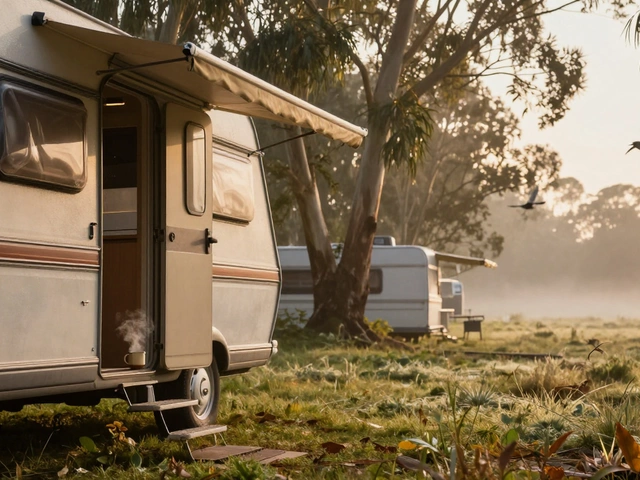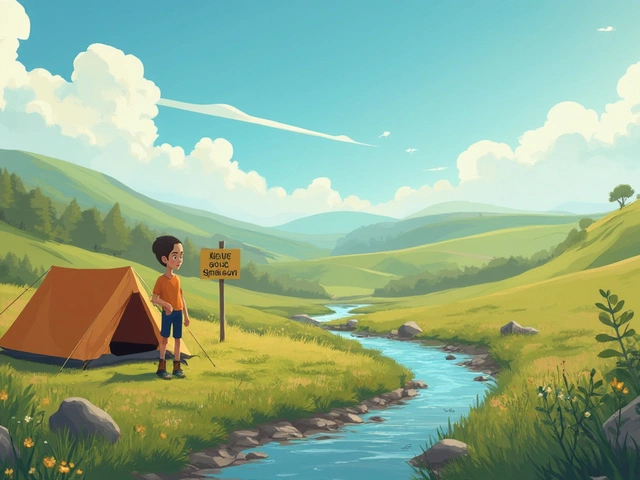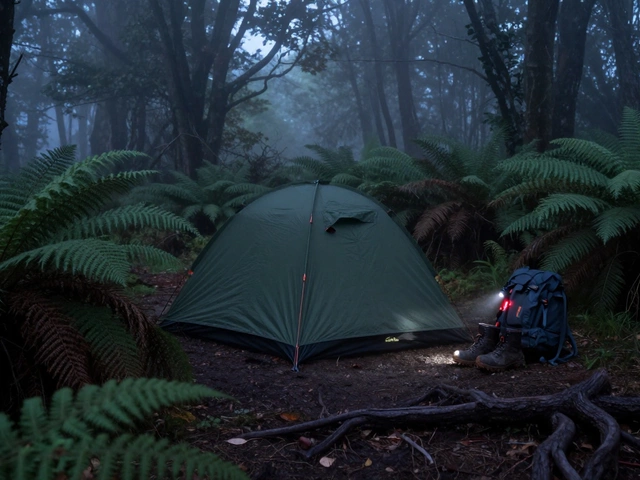
People ask if it’s legal to sleep in the forest because they want to get away from noise, screens, and schedules. They want to wake up to birds, not alarms. But legality isn’t simple. It depends on where you are, who owns the land, and how you do it. There’s no single answer across countries-or even across states. In some places, you can camp anywhere under the trees. In others, you’ll get fined for pitching a tent after sunset.
It’s Not About the Forest-It’s About Land Ownership
The forest isn’t one big public park. Most forests are owned by governments, private companies, or individuals. In the UK, over 90% of land is privately owned-even if it looks wild. That means sleeping on someone else’s land without permission is trespassing, no matter how remote it seems.
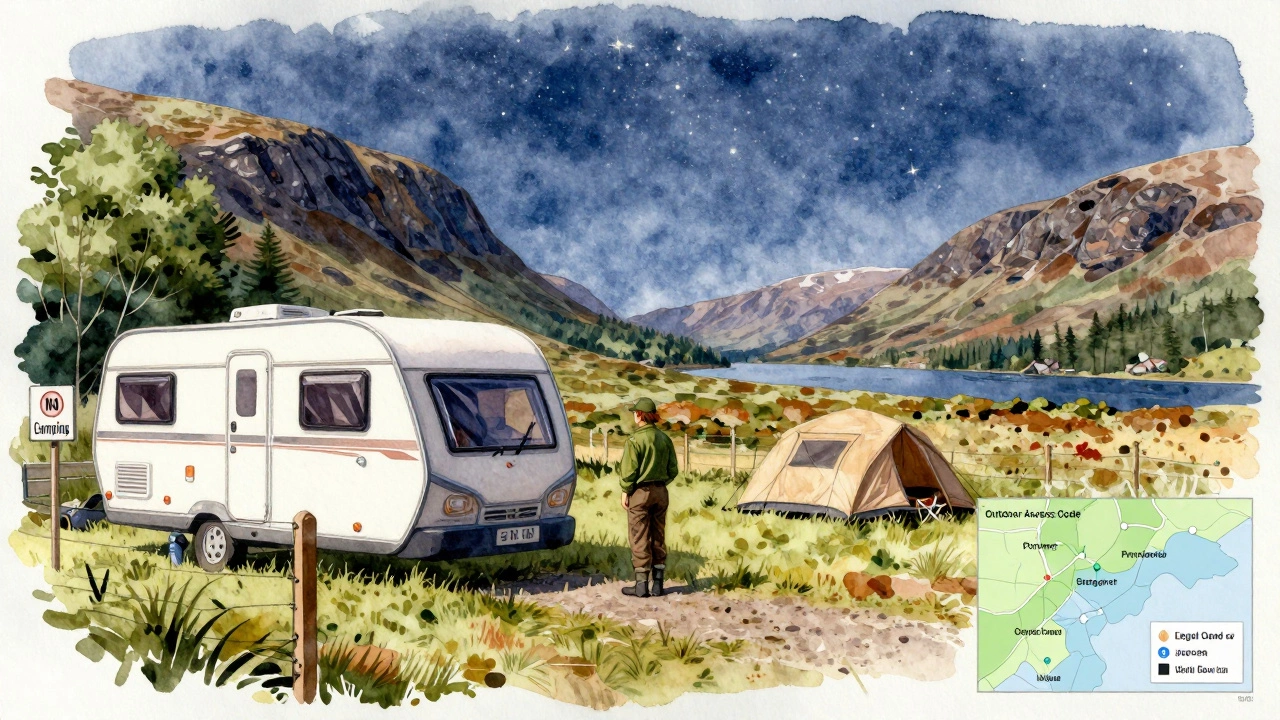
Scotland is the exception. Under the Land Reform (Scotland) Act 2003, you have a legal right to camp wild in most areas, including forests, as long as you follow the Scottish Outdoor Access Code. That means: no fires near buildings, no littering, no camping in fields with crops, and leaving no trace. In England and Wales, that right doesn’t exist. There, you need permission from the landowner.
In the US, federal forests like those managed by the US Forest Service often allow dispersed camping for free. But you must stay at least 100 feet from water sources, follow fire restrictions, and never camp in closed areas. National parks? Usually no. Most require permits or designated sites. State parks vary. Some allow overnight parking in pullouts. Others tow your car if you stay past 10 p.m.
What Happens If You Get Caught?
Most rangers and landowners won’t arrest you for sleeping under a tree if you’re quiet, clean, and gone by morning. But that’s not the same as being legal. If you’re caught:
- In England or Wales: You’ll likely be asked to leave. If you refuse, police can issue a trespass notice or fine you under the Criminal Justice and Public Order Act 1994.
- In Scotland: Nothing, as long as you follow the code. No permits needed.
- In the US: It depends. On federal land, you might get a warning. On private land, you could be charged with trespassing-fines range from $50 to $500, sometimes more.
- In Australia: Most state forests allow overnight stays, but only in designated areas. Camping outside those zones is illegal. In New South Wales, fines can hit $2,200 for unauthorised camping.
There’s a difference between being ignored and being allowed. Just because no one sees you doesn’t mean you’re safe from consequences later.
Where Can You Legally Sleep in the Forest?
You don’t have to break the law to sleep under trees. Here’s where it’s generally safe:
- Scotland: Almost anywhere in national parks and public forests. Use the Outdoor Access Scotland map for guidance.
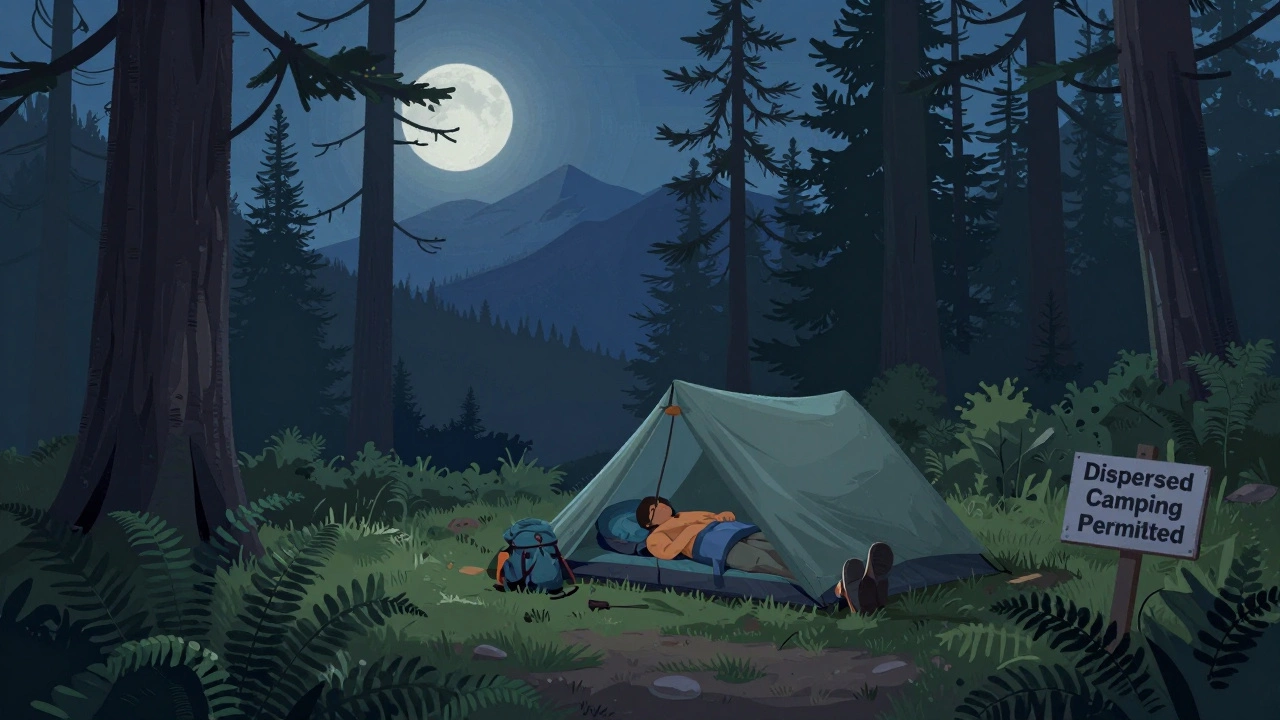
- US National Forests: Dispersed camping is allowed in most, but check the specific forest’s website. Look for signs saying "dispersed camping permitted."
- Canada: Crown land allows free camping in most provinces, except in protected areas. Ontario and British Columbia have detailed online maps.
- Sweden and Norway: The Right to Roam (Allemansrätten) lets you camp anywhere for one night, as long as you’re 150 meters from homes.
- Australia: Only in designated campgrounds within state forests. Check NSW National Parks or your state’s forest service.
These places don’t require bookings. No fees. Just show up, be respectful, and leave no trace.
What Counts as "Respectful"?
Even where it’s legal, bad behavior gets the whole activity banned. Here’s what works:
- Arrive after dark and leave before sunrise. Don’t hang around all day.
- Use a small, low-profile tent. No flags, no loud music, no glow sticks.
- Never build a fire unless it’s allowed and you’re using an existing fire ring.
- Pack out everything-even biodegradable stuff like banana peels. They attract wildlife and ruin the ecosystem.
- Use a portable toilet or dig a cathole 15 cm deep and 60 meters from water.
- Don’t camp near trails, historic sites, or wildlife corridors.
One mistake can lead to a ban. In 2023, the Lake District in England shut down wild camping in three areas after complaints from farmers and hikers. It took three years of pressure to reopen one.
Alternatives to Illegal Camping
If you can’t sleep in the forest legally, here’s what you can do instead:
- Book a free campsite: Many UK and US national forests have free, first-come-first-served sites. They’re basic-no power, no toilets-but legal.
- Use apps like iOverlander or Park4Night: These show verified spots where others have camped legally. Users report police activity, water access, and safety.
- Join a land access group: In the UK, organizations like the British Mountaineering Council negotiate access rights. Members get updates on open areas.
- Ask permission: If you see a cottage or farm near the forest, knock on the door. Many landowners say yes if you’re polite and offer to help with chores.
There’s always a legal way. It just takes a little more effort than dropping your tent in the first clearing you see.
Why This Matters Beyond the Law
Wild camping isn’t just about saving money. It’s about reconnecting with nature on your own terms. But if everyone ignores the rules, the land shuts down. Look at the Lake District again. Once, you could sleep anywhere. Now, you need a permit for most spots.
Responsible wild campers are the reason some areas stay open. They’re the ones who clean up after themselves, who don’t light fires in dry season, who respect wildlife. If you want to keep this freedom alive, you have to act like you own it-even when you don’t.
There’s no glory in getting fined. There’s no story in being kicked out. The real win is waking up in a quiet forest, knowing you didn’t break anything-and that the place will still be there for the next person.
Quick Checklist: Can You Sleep Here?
Before you pitch your tent, ask yourself:
- Is this land public or private? (Check maps or local council websites)
- Are there signs saying "No Camping" or "Trespassers Will Be Prosecuted"?
- Am I within 150 meters of a house or farm?
- Am I near a protected habitat, river, or archaeological site?
- Will I be gone before sunrise?
- Do I have a way to pack out all my waste?
If you answered "no" to any of those, don’t camp there. Find another spot.
Is it legal to sleep in the forest in the UK?
In Scotland, yes-under the Right of Access laws, as long as you follow the Scottish Outdoor Access Code. In England and Wales, no. Sleeping in forests without landowner permission is trespassing and can lead to fines or being asked to leave. Always check local rules.
Can I sleep in a US National Forest?
Yes, in most US National Forests, you can camp for free in dispersed areas. But you must stay at least 100 feet from water, avoid closed zones, and follow fire bans. Always check the specific forest’s website for rules. National Parks usually require permits.
What’s the penalty for illegal camping?
Penalties vary. In the UK, trespassing can lead to a fine of up to £1,000 under the Criminal Justice Act. In Australia, fines can reach $2,200. In the US, trespassing on federal land may cost $50-$500, but private landowners can sue for damages. Always assume you’ll be fined if caught.
Do I need a permit to camp in the forest?
Only in designated areas like state parks or protected zones. In most free dispersed camping areas (like US National Forests or Scottish Crown land), no permit is needed. But you must follow local rules. Always verify before you go.
Can I camp in a forest at night without a tent?
Yes, if you’re not violating land use laws. Sleeping under a tarp, in a hammock, or even just lying on the ground counts as camping. The law doesn’t care about gear-it cares about whether you’re on private land without permission. Same rules apply.
Next Steps: Where to Go Next
If you’re ready to try wild camping legally:
- Download the Outdoor Access Scotland app for real-time access maps.
- Use iOverlander to find verified free campsites in the US, Canada, and Europe.
- Join local hiking clubs-they often know hidden legal spots.
- Start small: Try a free campsite in a national forest before heading deep into remote woods.
Respect the land, and the land will let you stay. That’s the only rule that really matters.