Motorhome Rental Cost Calculator 2026
Renting a motorhome in the USA offers incredible freedom, but understanding the true cost before booking is crucial. Many travelers focus only on the daily rate, ignoring hidden fees like mileage caps and one-way drop charges that can double your budget. By mid-2026, average daily rates have shifted slightly due to fuel costs and fleet renewals, making accurate planning essential.
Daily Rental Rates by Vehicle Type
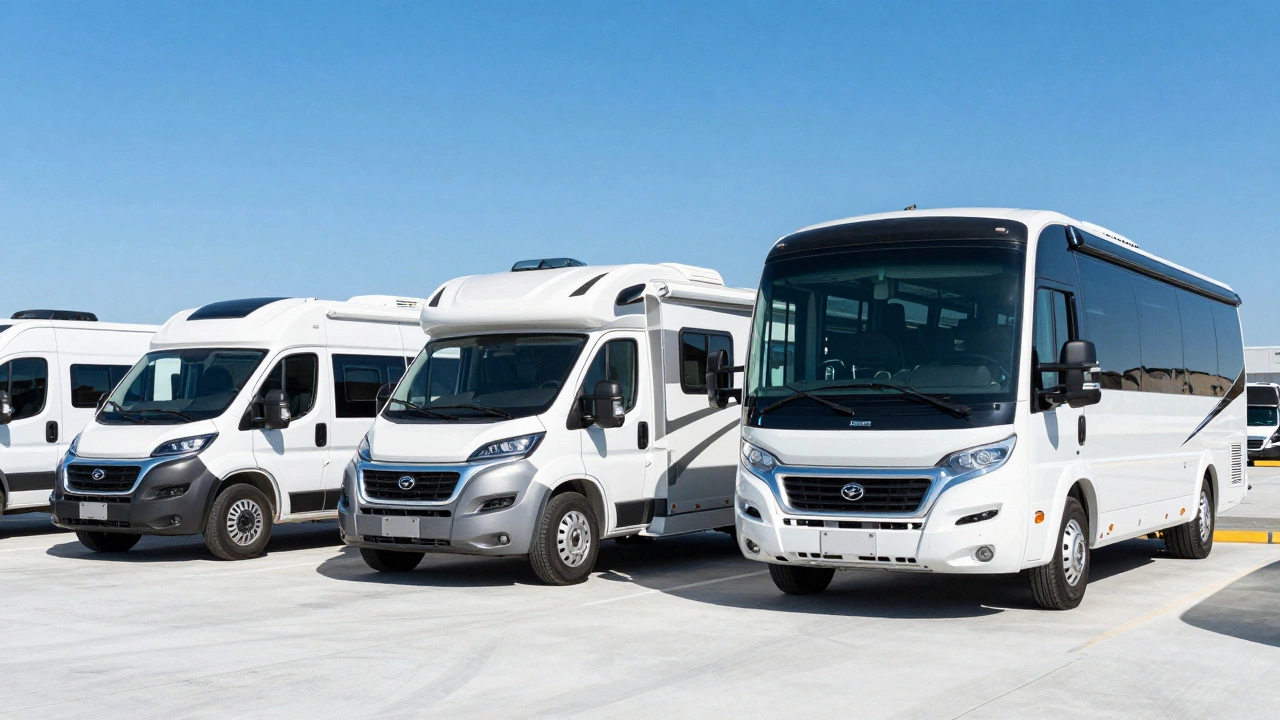
The base price depends entirely on the size and class of the vehicle you choose. In 2026, you can generally expect three main tiers of pricing. Smaller vans suit couples, while larger coaches accommodate families.
Class B Motorhomes are compact camper vans built on van chassis. These typically range from $120 to $180 per day. They offer the best fuel efficiency, averaging 20 to 25 miles per gallon, which keeps your running costs lower during long drives.
Class C Motorhomes are mid-size vehicles recognizable by their over-cab bunk. These sit in the middle ground, costing between $150 and $250 per day. They balance space and drivability, sleeping up to six people comfortably without requiring a special license.
For luxury road trips, Class A Motorhomes are large coach-style rigs similar to buses. You should budget $300 to $450 per day for these giants. While spacious, they consume significantly more fuel and can be challenging to park in busy cities.
| Vehicle Class | Low Season ($) | High Season ($) | Typical Fuel Economy |
|---|---|---|---|
| Class B Van | $100 - $140 | $160 - $220 | 20 - 25 MPG |
| Class C RV | $130 - $180 | $190 - $280 | 8 - 12 MPG |
| Class A Coach | $250 - $350 | $350 - $500+ | 5 - 7 MPG |
Mandatory Extra Costs to Budget For
The daily rate advertised online is rarely what ends up on your credit card. Companies attach several mandatory add-ons that you cannot decline. Ignoring these is the fastest way to go over budget.
Collision Damage Waiver
This is essentially your insurance policy. Most companies require a CDW, often charged at $30 to $60 per day. If you use your personal auto insurance, verify with your agent beforehand that it covers rental commercial vehicles in foreign states, as coverage often varies.
Generator and Wi-Fi Fees
If you plan to stay at remote boondocking sites without hookups, you will need a generator. Expect a usage fee around $25 per day plus potential damage fees if not run within limits. Similarly, satellite internet systems like Starlink units installed in premium models may carry a $15 to $25 monthly surcharge.
Linen and Cleaning Packages
Few rentals come with sheets anymore unless you pay the convenience fee. Linen packages typically cost $50 to $80 for a week, covering pillows, towels, and bedding. If you prefer DIY, bringing your own saves money but requires you to manage laundry logistics on the road.
The High Cost of Mileage Policies
Distance is your biggest variable. Most rentals come with a capped daily allowance, usually between 100 and 150 miles per day. Anything beyond that incurs a penalty rate.
You need to calculate your total trip distance before booking. If you drive 500 miles a day consistently, you could face charges of $0.50 to $0.75 per extra mile. Over a two-week trip, that alone could exceed $2,000 in excess fees if you don't monitor your odometer.
Unlimited Mileage options are sometimes offered. These usually add a flat fee of $25 to $50 per day. For cross-country drives exceeding 3,000 miles, unlimited mileage is mathematically cheaper than paying per-mile penalties.

One-Way Drop Fees Explained
This is the most significant hidden cost. If you return the motorhome to the same location, the fee is zero. However, keeping it open allows for linear routes through the country.
If you pick up in California and drop in Florida, expect a "Drop Charge" or "One-Way Fee". In peak seasons, this can range from $500 to $1,500. During low season, companies are desperate to move inventory back to hubs, so you might find one-way deals where the fee drops to $200 or is waived entirely.
- Peak Season One-Way: $1,000+ (July/August/Christmas)
- Off-Peak One-Way: $300-$500 (January/March/October)
- Regional Variations: Moving east-to-west is often cheaper due to population density.
Seasonal Pricing Fluctuations
Timing your trip dictates how far your budget goes. Summer months in national parks command premium rates. Booking early (6+ months ahead) locks in standard rates, while last-minute bookings often incur surge pricing.
Spring and Autumn are sweet spots for value. May and October see milder weather, fewer crowds, and rates roughly 30% lower than July. Winter in the north brings freezing risks and potential route closures, forcing you south to states like Arizona or Texas where heating costs remain moderate.
Total Cost Calculation Example
Let's break down a 7-day trip for a couple using a Class B Van during spring shoulder season.
- Base Rate: $130/day x 7 days = $910
- Insurance (CDW): $35/day x 7 days = $245
- Linen & Kit: $75 flat fee
- Cleaning Fee: $50 refundable deposit (held)
- Security Deposit: $1,000 hold (released after inspection)
- Fuel: Estimated 10 gallons/day x $3.80 = $266
Total estimated cash outlay before deposit release: $1,546. This realistic figure includes fuel but excludes campground fees, which vary from $20 to $60 per night depending on amenities.
Saving Money on Your Hire
You can reduce costs significantly with smart choices. Look for membership clubs like Good Sam Club, which often partners with rental agencies to offer 10% discounts. Also, consider renting peer-to-peer through apps like Outdoorsy, where private owners may offer competitive rates and more flexible mileage policies compared to big corporate fleets.
Avoid airport pickup locations when possible; fees there are notoriously high. Suburban depots often charge less for delivery. Finally, inspect the vehicle thoroughly upon arrival to avoid being blamed for scratches later, ensuring your security deposit returns untouched.
Does the rental price include insurance?
Usually, the base rate does not include comprehensive insurance. You must purchase a Collision Damage Waiver (CDW) daily to protect yourself against damage claims, typically costing $30-$60 per day.
Are there age restrictions for renting?
Yes, drivers must usually be at least 25 years old. Younger drivers between 21 and 25 may rent but will pay a daily surcharge ranging from $20 to $40. Under 21 is almost universally prohibited.
What is the typical security deposit amount?
Security deposits held on a credit card generally range from $500 to $3,000 depending on the vehicle class. Larger Class A coaches require higher holds due to repair costs.
Can I take a rented motorhome across borders?
Cross-border travel into Canada or Mexico is restricted by almost all US rental contracts. You need prior written approval and additional insurance coverage, which is often denied or extremely expensive.
Do I need a special license to drive a motorhome?
A standard Class C driver's license is sufficient for most rented RVs up to 26,000 lbs GVWR. Only massive Class A coaches with air brakes or towed trailers exceeding weight limits require non-commercial licenses.