RV Living Cost Estimator
Adjust the sliders to reflect your lifestyle choices and see how your monthly budget compares to standard apartment rent estimates.
Estimated Monthly Cost
Based on avg US city rent of $2,500/mo.
So, you’ve watched enough YouTube videos of people sipping coffee while parked in a national park, and you’re thinking, "I could do that." But then the math hits you. Is it cheaper than renting an apartment? Can you actually afford to live on the road without eating instant noodles for dinner every single night? The honest answer is: it depends entirely on how you roll. But if you’re planning to hire a motorhome or buy one and live in it full-time, you need a realistic number in your head before you sell your furniture.
Living in an RV isn’t just about saving money on rent. It’s about trading fixed housing costs for variable travel costs. One month might cost you $1,500 if you’re boondocking (that’s camping for free on public land), and the next might hit $3,000 because you needed a paid campground with hookups during a storm. Let’s break down where your cash actually goes, so you can build a budget that doesn’t leave you stranded in the middle of nowhere.
The Big Four Monthly Expenses
When you strip away the lifestyle fluff, RV living boils down to four major buckets: fuel, site fees, food, and insurance/maintenance. If you ignore any one of these, your budget will blow up. Most full-timers spend between $1,500 and $4,000 per month. That’s a huge range, right? Here’s why.
| Expense Category | Budget Style ($) | Middle Ground ($) | Comfort Style ($) |
|---|---|---|---|
| Fuel | $300 - $500 | $600 - $900 | $1,000+ |
| Campsite Fees | $0 - $200 | $400 - $800 | $1,000 - $1,500 |
| Food & Groceries | $400 - $600 | $700 - $1,000 | $1,200+ |
| Insurance & Maintenance | $150 - $250 | $300 - $500 | $600+ |
| Total Estimated | $850 - $1,550 | $2,000 - $3,200 | $3,800+ |
Fuel: The Silent Budget Killer
If you’re driving a Class A diesel pusher, your fuel bill will scare you. These big rigs get 6-8 miles per gallon. If you drive 1,500 miles a month (which is pretty standard for someone exploring a state), you’re looking at significant cash. A smaller camper van or a Class B might get 15-20 mpg, cutting that cost in half. Here’s the rule of thumb: calculate your monthly mileage times the current gas price divided by your MPG. Don’t guess. Track it. In Australia, for example, diesel prices fluctuate wildly depending on whether you’re near a city or deep in the outback. Remote areas often charge a premium. If you plan to stay put more, your fuel costs drop dramatically. Many full-timers find they save money by staying in one region for two weeks rather than moving every three days.
Campsite Fees vs. Boondocking
This is where your lifestyle choice impacts your wallet the most. Boondocking (or dry camping) means parking on public land-like Bureau of Land Management (BLM) land in the US or Crown Land in Australia-for free. You have no water hookup, no electricity, and no dump station. You rely on your own tanks and solar power. This keeps costs near zero but requires self-discipline and robust off-grid systems. On the other end of the spectrum are private RV parks. In tourist hotspots like Byron Bay or along the Great Ocean Road, a powered site can cost $50-$80 per night. Multiply that by 30 nights, and you’re paying more than many people pay in rent for a small house. The sweet spot? State forests and council-run caravan parks. They offer basic amenities for $15-$30 a night. If you mix 50% boondocking with 50% affordable campsites, you keep your budget sane while still having access to showers and laundry occasionally.

Food and Daily Living
You might think cooking in a tiny kitchen saves money, but it often leads to buying expensive pre-packaged foods because you don’t have space for bulk staples. Plus, if you’re constantly moving, you’re likely stopping at convenience stores which mark up prices significantly compared to supermarkets. To keep food costs down, you need a strategy. Plan meals around what’s on sale at local grocery chains like Coles or Woolworths. Buy shelf-stable items in bulk when you’re near a city. Avoid eating out daily; a cafe breakfast for two can easily hit $30, which adds up to $900 a month fast. Cook simple, hearty meals that don’t require fancy equipment. A good cast-iron skillet and a reliable stove are better investments than a blender you’ll never use.
Insurance, Registration, and Maintenance
Don’t forget the boring stuff. Your motorhome insurance won’t cover everything. Comprehensive policies protect against theft and accidents, but wear and tear? That’s on you. Tires are a major expense. RV tires degrade even if the vehicle sits idle due to ozone cracking. Replacing four tires can cost $1,000-$1,500. Set aside $100-$200 a month into a repair fund. Also, consider the cost of dumping waste and filling fresh water. While some places offer this for free, others charge $10-$20 per service. Over a year, that’s hundreds of dollars. If you’re hiring a motorhome, check if maintenance is included in the rental agreement. Usually, it is, which makes short-term hire much less risky financially than owning.
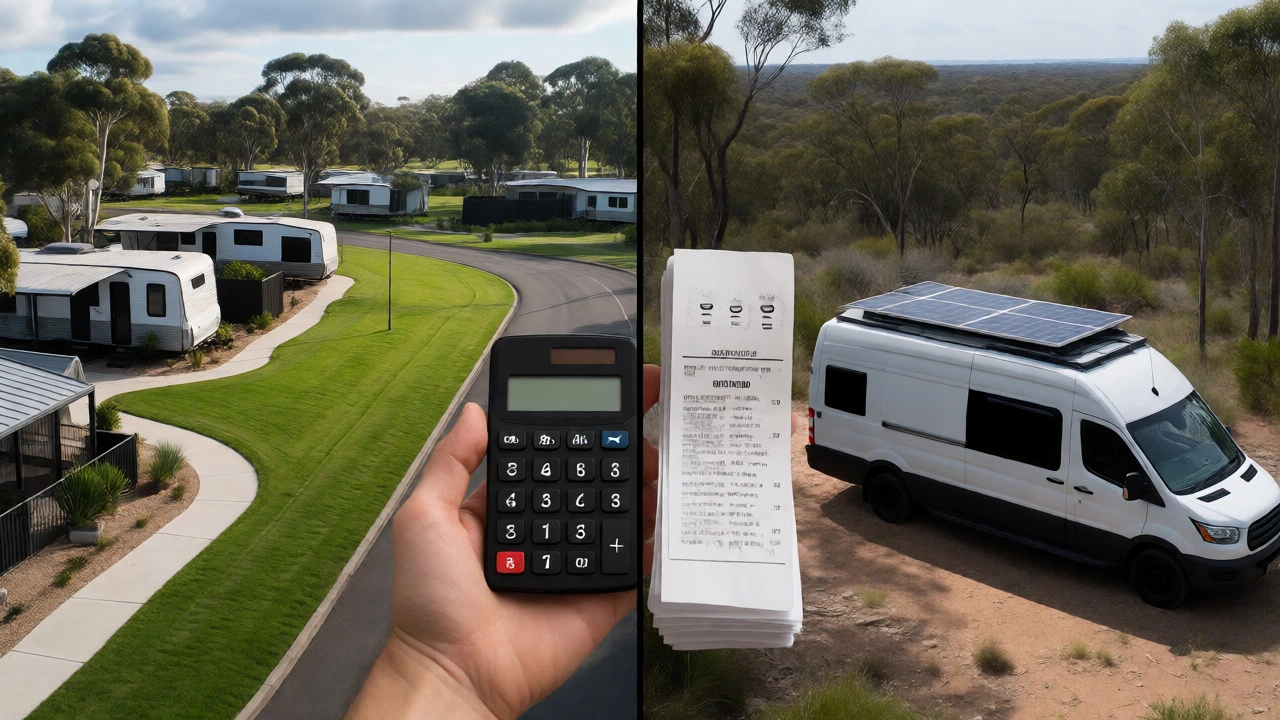
Hiring vs. Owning: Which Saves More?
If you’re only testing the waters, hire. Renting a motorhome in Sydney or Melbourne can cost $150-$300 per day. For a two-week trip, that’s $2,100-$4,200 plus fuel and sites. Compare that to buying a used RV for $50,000+. Unless you plan to live in it for years, hiring is safer. You avoid depreciation, major repairs, and storage fees. However, if you go full-time, ownership eventually beats renting. After about 18-24 months of continuous use, the equity and lack of daily rental fees make owning cheaper. But you need upfront capital. A decent used Class C motorhome might set you back $40,000-$60,000. Factor in registration and initial upgrades (solar panels, inverters) before you start counting savings.
Hidden Costs People Forget
- Propane: Running heaters, fridges, and stoves on gas adds up. Refills cost $30-$50. In winter, this doubles.
- Internet: Starlink has changed the game, offering high-speed internet anywhere for roughly $100/month plus hardware costs. Without it, you’re tethered to cafes.
- Laundry: Coin laundries charge $5-$8 per load. If you have kids, this becomes a weekly ritual.
- Storage: If you aren’t traveling year-round, storing your RV costs $100-$300/month depending on location.
Living in an RV offers freedom, but it demands financial discipline. You can’t impulse buy a new kayak if you haven’t accounted for the extra weight affecting your fuel economy. You can’t ignore a slow leak because there’s no landlord to call. But if you track every dollar, prioritize needs over wants, and embrace the simplicity of smaller spaces, you can live comfortably for less than you think. Start by tracking your current spending for a month, then subtract your rent. See what’s left. Then add the RV-specific costs we listed above. That’s your real number.
Is it cheaper to live in an RV than renting an apartment?
It can be, but not always. If you rent a small studio in a major city, RV living might be comparable or slightly cheaper if you boondock frequently. However, if you prefer paid campgrounds and drive long distances, your RV costs could exceed apartment rent. The savings come from eliminating utilities and property taxes, but those gains are often offset by higher fuel and maintenance costs.
How much should I save before starting full-time RV life?
Aim for at least 3-6 months of living expenses as an emergency fund. Since RV breakdowns can happen anywhere, having $5,000-$10,000 accessible is wise. This covers unexpected repairs like transmission failures or tire blowouts that aren't covered by warranty.
Do I need a job to live in an RV?
Not necessarily, but you need income. Many RVers work remotely using satellite internet like Starlink. Others take seasonal jobs at campgrounds or national parks. Some retirees live on pensions. The key is ensuring your income source is portable and reliable regardless of your location.
What is the average cost of campsite fees?
In Australia, expect to pay $25-$50 per night for a powered site in a caravan park. Free options exist on Crown Land, but facilities vary. Premium resorts can charge $80+ per night. Membership discounts (like Big4 or Top Tourist Parks) can reduce these costs by 10-20%.
Can I live in an RV in winter?
Yes, but it costs more. Heating consumes propane or battery power quickly. You may need to pay for heated sites or use more fuel for generators. Insulation quality matters significantly. Older RVs may struggle in freezing temperatures, leading to frozen pipes or condensation issues.