Sleeping in the Woods: What You Need to Know Before You Do It
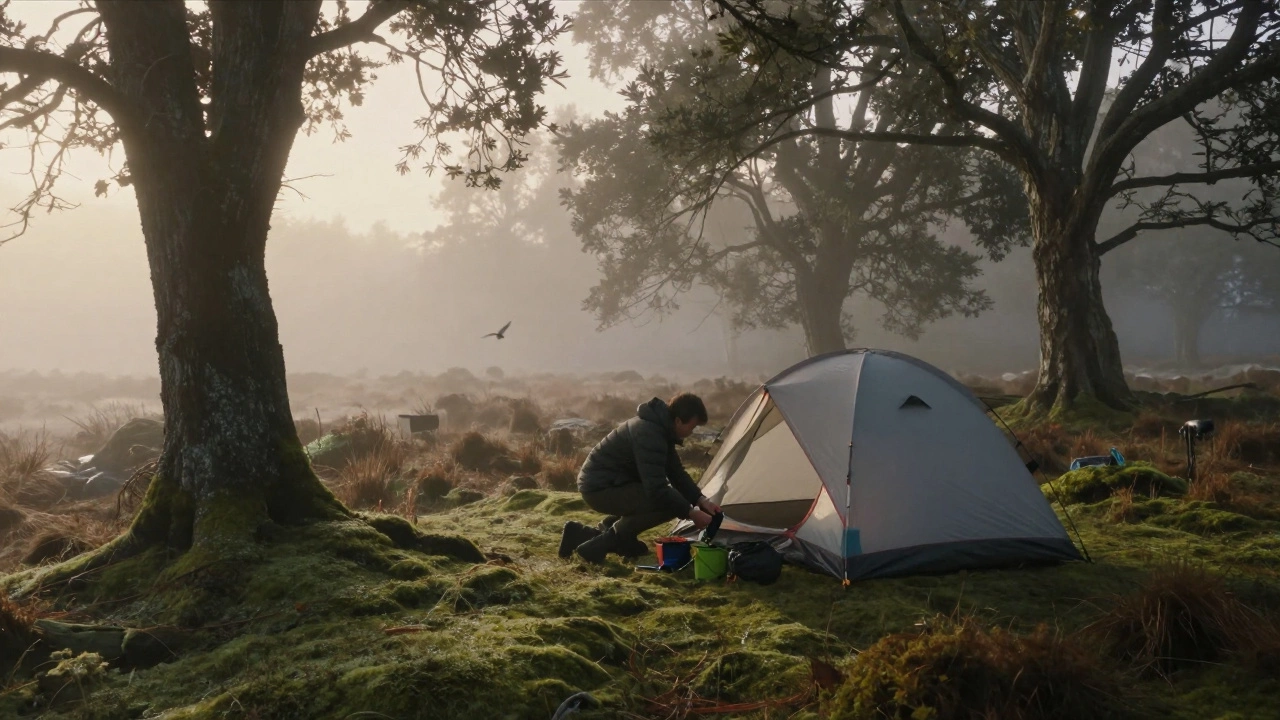
When you think about sleeping in the woods, the act of spending the night outdoors away from designated campsites, often in natural settings like forests or remote areas. Also known as wild camping, it’s not just about escaping the noise—it’s about freedom, quiet, and connection. But that freedom comes with rules, risks, and real consequences if you don’t know where you stand.
Many people assume sleeping in the woods is legal anywhere, especially in places like Scotland where it’s widely accepted. But in England and Wales, the law is different. You can’t just pitch a tent anywhere you like. The 28-day camping rule in Wales, a legal allowance that permits camping in one spot for up to 28 days per year without permission is one of the few clear exceptions. Outside of that, you’re technically trespassing unless you have landowner consent. Even then, local councils and police can still move you on if they think you’re causing a problem. And if you’re near a beach, a protected area, or a popular hiking trail? The chances of getting fined go up fast.
It’s not just about legality. There’s safety too. Sleeping in the woods means dealing with weather you can’t control, wildlife you haven’t met, and no cell service if something goes wrong. That’s why so many people turn to primitive camping, a style of outdoor sleeping with no facilities—no toilets, no water, no electricity. It’s raw, it’s real, and it demands preparation. You need the right gear, a solid plan, and respect for the land. This isn’t about luxury—it’s about self-reliance.
What you’ll find here isn’t a list of dreamy forest spots. It’s the hard truths. Where you can legally sleep under the trees. Where you’ll get fined. What gear actually makes a difference when it’s raining and cold. And how to do it without hurting the environment or getting kicked out. We’ve pulled together real stories from people who’ve done it—right and wrong—and the laws that govern it. Whether you’re planning a quiet night under pines in the Lake District or wondering if you can crash in a Scottish glen, this collection gives you the facts you need before you roll out the sleeping bag.
 Dec 1, 2025
Is It Legal to Sleep in the Forest? What You Need to Know Before Wild Camping
Is it legal to sleep in the forest? The answer depends on where you are. Learn where wild camping is allowed, what the penalties are, and how to do it responsibly without breaking the law.