RV Trip Pace & Burnout Checker
Enter your planned daily travel details to see if your itinerary follows the 3-3-3 Rule (300 miles, 3:00 PM arrival, 3-night stay).
Trip Analysis:
Quick Takeaways for Your Trip
- Drive no more than 300 miles (or 3 hours of intense traffic) per day.
- Aim to arrive at your destination by 3:00 PM.
- Stay at each location for at least 3 nights.
Stop the Burnout with the First Three: Distance and Time
When you're using motorhome hire services, it's easy to forget that a Class A motorhome handles very differently than a sedan. They are heavier, catch more wind, and require much more concentration to navigate. If you try to push 500 miles in a day, you aren't just tiring yourself out; you're increasing the risk of accidents.
The first part of the rule suggests capping your travel at 300 miles per day. Why this number? Because once you factor in fuel stops, bathroom breaks, and the slower pace of an RV, 300 miles usually takes up the bulk of your productive daylight hours. If you're navigating tight coastal roads or mountain passes, you might find that even 200 miles feels like a full day's work. By sticking to this limit, you arrive at your campsite feeling refreshed rather than depleted.
The Magic of the 3:00 PM Arrival
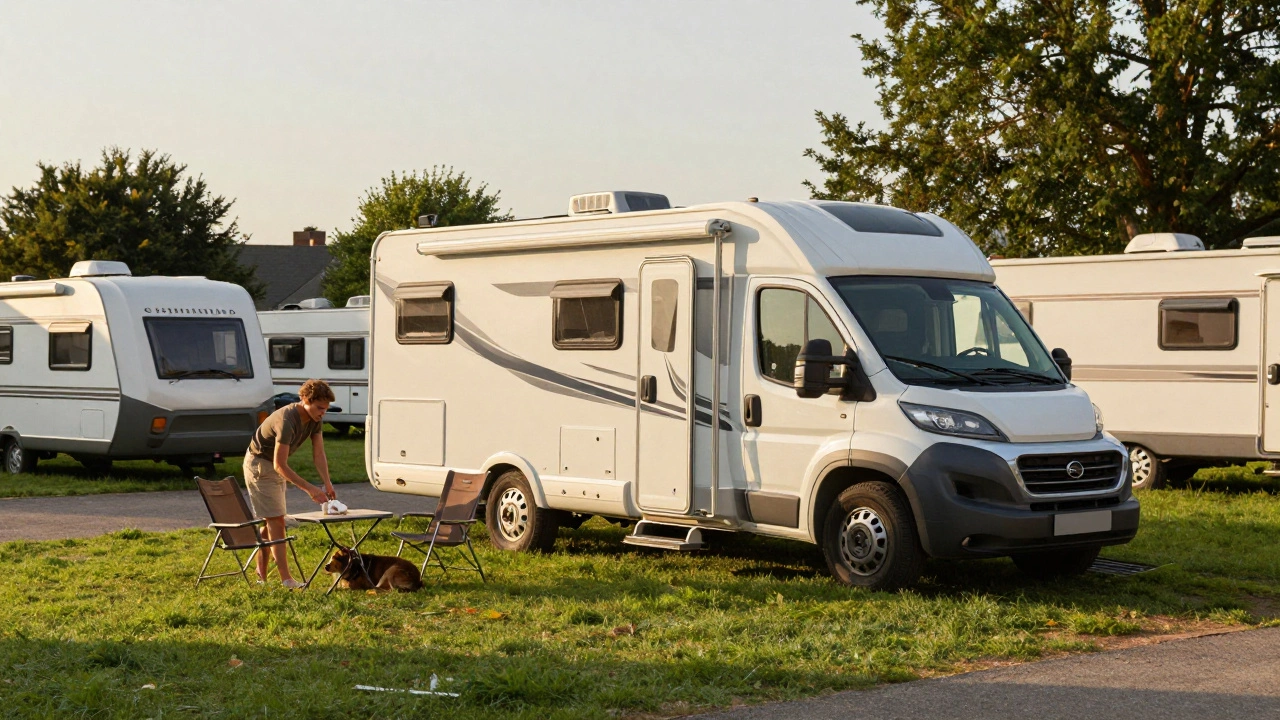
There is a specific kind of stress that happens when you pull into a caravan park at 8:00 PM in total darkness. You're trying to level your rig, connect the shore power, and hook up the water line while squinting at a manual with a flashlight. One wrong move and you've accidentally unplugged your neighbor or parked crookedly, making it impossible to open your slide-outs.
Setting a hard goal to be parked by 3:00 PM changes the entire vibe of the trip. It gives you a window of time to get the setup right without rushing. You can actually enjoy a drink on the patio, walk the dog, or scout the local area before dinner. More importantly, it allows you to handle any "first-timer" mishaps-like a leaking hose or a tricky leveling jack-without the pressure of a ticking clock and a hungry family.
The Power of the Three-Night Stay
The most common mistake beginners make is the "one-night stand" approach-driving to a new spot every single day. When you do this, you spend 80% of your time packing, driving, and unpacking. You aren't actually vacationing; you're just relocating your bedroom every 24 hours.
By staying at a site for at least 3 nights, you actually get to experience the place. The first day is for setup and recovery. The second day is for exploration and activities. The third day is for relaxing and doing the chores (like emptying the grey tanks) before you move again. This rhythm turns a stressful transit into a genuine holiday. It also means you spend less time stressing over RV living logistics and more time enjoying the scenery.
| Feature | The Burnout Pace | The 3-3-3 Rule |
|---|---|---|
| Daily Mileage | 500+ miles | <300 miles |
| Arrival Time | Sunset or later | 3:00 PM |
| Stay Duration | 1 night (transit) | 3+ nights (destination) |
| Stress Level | High / Exhausted | Low / Relaxed |
| Setup Quality | Rushed / Dark | Careful / Daylight |
Practical Application for Different RV Types
Not every rig is created equal, and the 3-3-3 rule should be tweaked based on what you're driving. If you've opted for a small campervan, you might find that the 300-mile limit is too conservative because you can zip through traffic and park almost anywhere. However, if you're towing a large travel trailer, that 300-mile limit might actually be optimistic.
For those in massive Class A motorhomes, the "3:00 PM arrival" is non-negotiable. These vehicles often require specific site layouts. If you arrive late and find the site is too small or the electrical pedestal is broken, you have time to find an alternative. Arriving at midnight means you're stuck with whatever you've got, regardless of how uncomfortable it is.
Common Pitfalls and How to Avoid Them
The biggest challenge to the 3-3-3 rule is the "FOMO" (Fear Of Missing Out). You see a beautiful lake or a quirky town on the map and want to squeeze it in. The trap is thinking, "I'll just drive an extra 100 miles today so I can see that waterfall tomorrow." This is exactly how the burnout cycle starts.
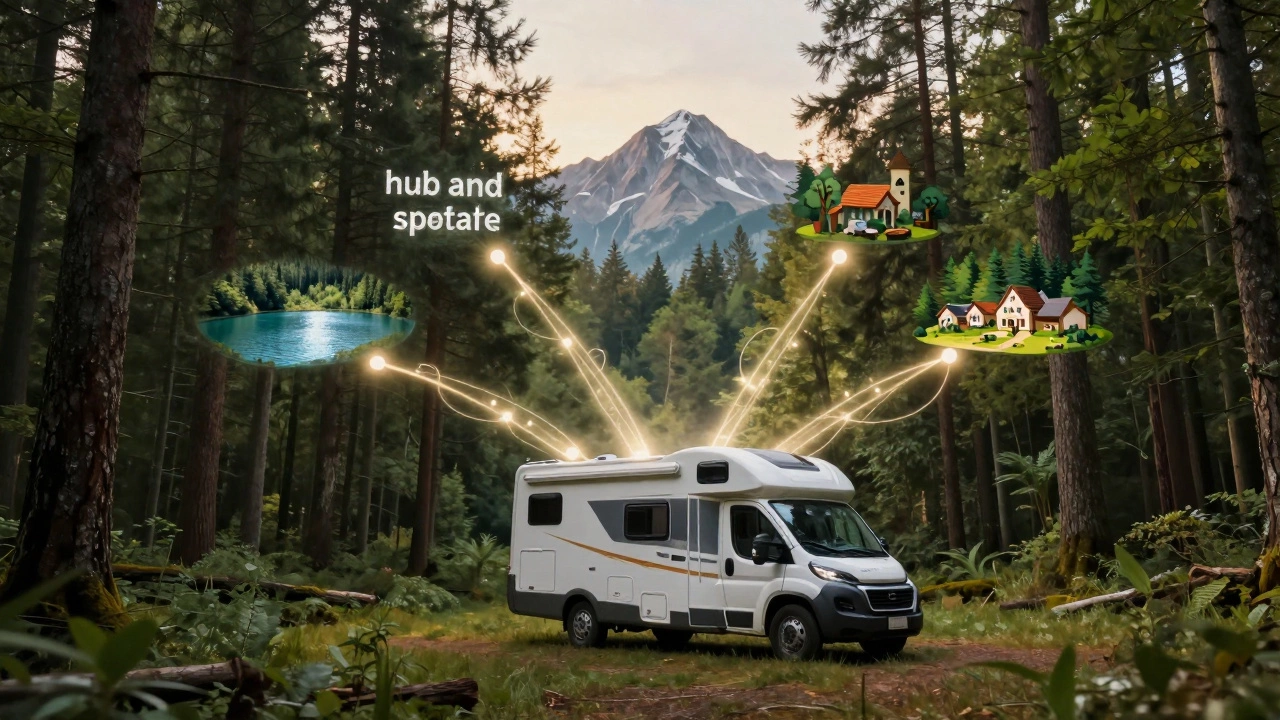
Instead, use a "hub and spoke" model. Find a great base camp-a high-quality campsite-and stay there for 3 to 5 days. Use the RV as your home and take smaller excursions in a rental car or by bike. This keeps the rig stationary, which means you only have to do the heavy lifting of setup and teardown once every few days rather than every morning.
Connecting the Rule to Your Overall Strategy
The 3-3-3 rule isn't just about time management; it's about managing your mental energy. When you combine this with a solid planning tool, like a digital itinerary or a road atlas, you stop viewing the road as a hurdle to get over and start viewing it as part of the experience. It shifts the focus from the destination to the journey.
If you're planning a long-haul trip, try alternating your 3-3-3 cycles. Maybe you do three days of heavy travel (following the rule) and then a full week at a single luxury resort. This prevents the monotony of the road from setting in while ensuring you never hit that wall of total exhaustion.
Is the 3-3-3 rule too slow for long trips?
It might seem slow, but it's more sustainable. If you're crossing a continent, you can't maintain a high-speed pace for weeks without burning out. By slowing down, you actually enjoy the trip more and reduce the likelihood of making costly driving errors or experiencing mechanical failures due to overworking the engine.
What if I have a deadline to return my rental RV?
Plan your final leg carefully. The 3-3-3 rule is for the vacation portion of your trip. For the return leg, you can increase your mileage, but still try to leave enough buffer time so you aren't rushing back to the hire company stressed and exhausted.
Does this rule apply to solo travelers?
Absolutely. In fact, it's even more important for solo drivers. Without a co-pilot to help navigate or take over the wheel, driver fatigue hits much harder. Sticking to the 300-mile limit is a critical safety measure for anyone driving alone.
Can I combine this with wild camping?
Yes, but be careful with the 3-night rule. Some wild camping spots may have regulations against long-term stays. In those cases, you might do a 2-night stay in the wild and then move to a formal campsite for 3 nights to refresh your supplies and dump tanks.
Why 3:00 PM specifically?
Three o'clock is usually the sweet spot where you still have plenty of daylight (even in shoulder seasons), but you've finished the bulk of your driving. It allows you to handle the 'unpleasant' parts of RVing-leveling, hooking up utilities, and organizing the interior-while you still have the energy and light to do it right.
Next Steps for Your Adventure
If you're feeling overwhelmed by the logistics, start by mapping out your first three stops. Don't just pick cities; pick specific campsites and check their check-in times. If you find yourself tempted to drive 500 miles in one go, ask yourself if you'd rather arrive at your destination feeling like a zombie or feeling like you're actually on vacation.
For those who struggle with the discipline of slowing down, try a "buffer day." Every fourth day, schedule absolutely nothing. No driving, no planned sightseeing-just a day to sleep in, read a book, and let the RV be the sanctuary it's meant to be. You'll find that this approach makes the journey feel twice as long and half as stressful.