Boondocking Cost Calculator
Save Money on Your UK Camping Trip
Compare costs between boondocking (free) and paid campsites. Enter your trip details to see how much you could save.
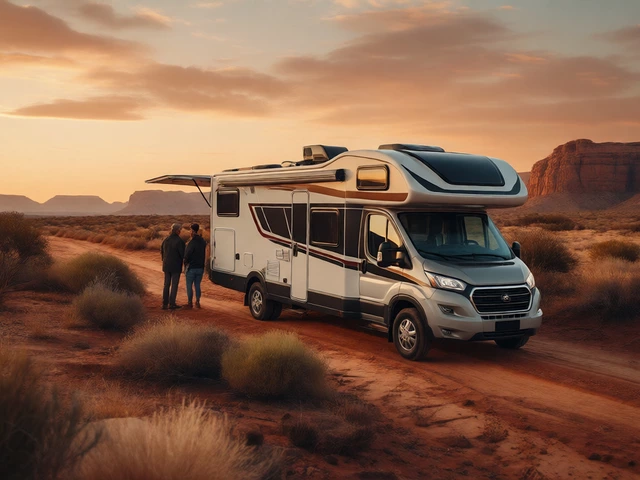
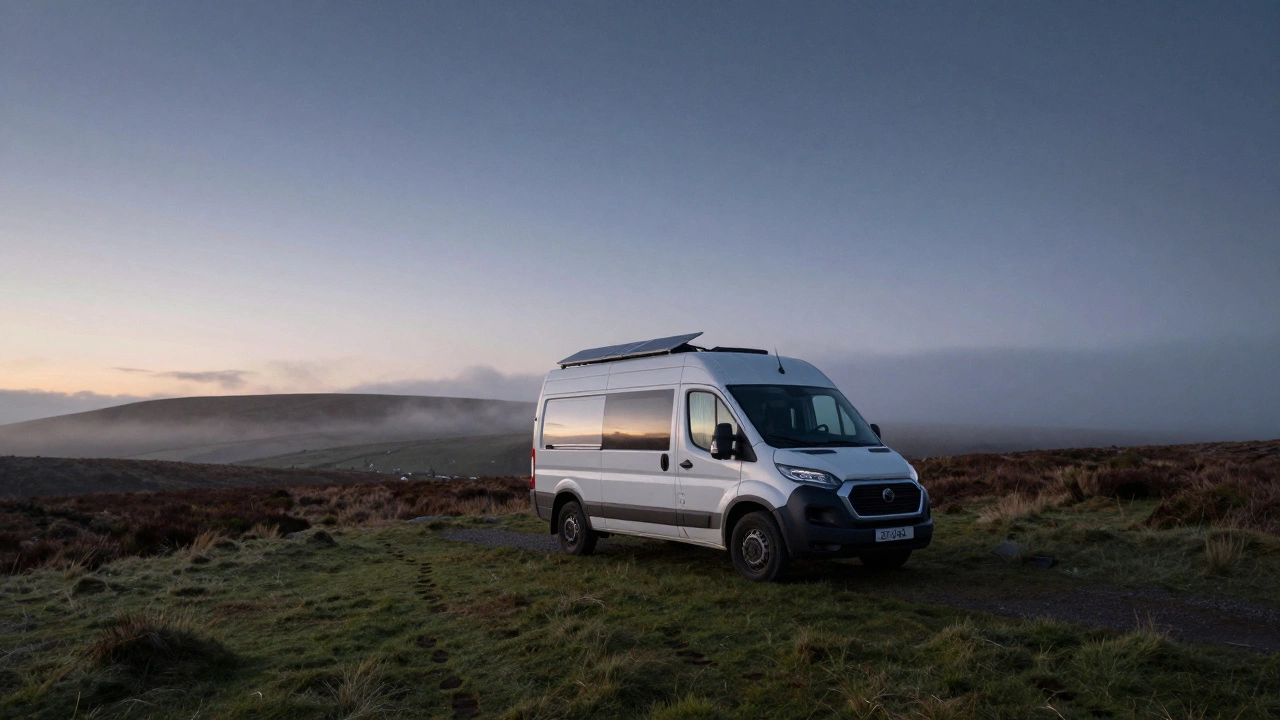
Boondocking UK isn’t a term you’ll find on official tourism websites. You won’t see it in brochures or on campsite booking apps. But if you’ve ever parked your van on a quiet stretch of moorland, slept under the stars beside a remote lake, or spent the night in an abandoned quarry with no lights or hookups - you’ve done it. Boondocking in the UK means camping without fees, without facilities, and without permission - at least, not always.
It’s not the same as wild camping in Scotland, where it’s legally protected under the Land Reform (Scotland) Act 2003. It’s not the same as staying at a designated free overnight parking spot for motorhomes, like those listed on Park4Night. Boondocking UK is raw, unregulated, and often on the edge of legality. And for many, it’s the purest form of outdoor freedom the country has left.
What Does Boondocking Actually Mean?
Boondocking comes from American RV culture - a slang term for off-grid camping, usually on public land with no electricity, water, or sewage hookups. In the UK, it’s been adopted by van lifers, motorhome owners, and even tent campers who want to disappear from the crowds. The core idea is simple: park, sleep, leave no trace, and move on.
Unlike commercial campsites, boondocking sites have no bins, no showers, no reception, and no staff. You bring everything you need. You leave everything behind - except footprints. That’s the rule. And it’s the only thing keeping the practice alive.
Most boondockers in the UK use converted vans, campervans, or small motorhomes. Tents are less common because you’re usually parked on uneven ground, gravel, or grassy slopes. You need self-sufficiency: a portable toilet, a water tank, solar panels, and a way to store waste. No one’s coming to empty your cassette. No one’s coming to refill your tank. You’re on your own.
Where Can You Boondock in the UK?
Not everywhere. The UK is one of the most densely populated countries in Europe, and land ownership is tightly controlled. Public land is rare. Most countryside is privately owned - farms, estates, woodland, or conservation areas. Trespassing is a civil offense, not a criminal one, but landowners can still ask you to leave. And if you refuse? You could be charged with trespassing.
That said, there are places where boondocking is tolerated - sometimes even encouraged - if you follow the unwritten rules.
- Northumberland - The Northumberland National Park has wide, empty moorlands. Many boondockers park near the Pennine Way or along the coast between Bamburgh and Holy Island. The local councils rarely enforce rules as long as you’re quiet and gone by morning.
- Wales - Especially in the Brecon Beacons and Snowdonia. The Welsh government doesn’t officially support wild camping, but enforcement is patchy. You’ll find clusters of vans near Llyn y Fan Fach or along the A470 between Brecon and Builth Wells.
- Devon and Cornwall - Coastal lanes and disused quarries are popular. The South West Coast Path has dozens of hidden pull-offs where people park overnight. Just don’t block gates or driveways.
- The Lake District - Technically illegal, but many do it. The quietest spots are around Ullswater or near Honister Pass. Be warned: National Park rangers do patrol. If you’re noisy, leave trash, or set up a campfire, you’ll be asked to move.
- Scotland - Here, wild camping is legal under the Scottish Outdoor Access Code. You can camp almost anywhere as long as you’re away from buildings, roads, and farmland. Many UK boondockers head north for this reason.
Apps like Park4Night and iOverlander are your best friends. They show real-time user reports: where people parked, how quiet it was, whether they got hassled, if there was a dump station nearby. These aren’t official guides - they’re community logs. Treat them like a map of trust.
Why Do People Boondock in the UK?
Cost is the biggest driver. A campsite in the Lake District can cost £25-£40 a night. A full-service motorhome site? £50. Over a two-week trip, that’s £700. Boondocking? Zero. Just fuel and food.
But it’s not just about money. It’s about silence. It’s about waking up to mist over a valley with no other human in sight. It’s about not having to book months in advance. It’s about feeling like you’re the only person in the country.
For retirees on fixed incomes, students skipping rent, and digital nomads chasing slow travel, boondocking isn’t a lifestyle choice - it’s a necessity. A 2024 survey by the UK Motorhome Owners Club found that 62% of van dwellers had switched from paid campsites to boondocking in the past year. The main reason? Rising costs and overcrowding.
The Rules of Boondocking (That Keep You From Getting Banned)
There are no laws written down. But there are rules everyone follows - or gets kicked out.
- Don’t stay more than one night. Two nights max, and only if you’re far from homes or farms. Staying longer invites complaints.
- Never block access. Don’t park across gates, farm tracks, or emergency routes. Even if it’s legal, you’ll make enemies.
- No fires. Open flames are banned almost everywhere outside designated fire pits. Use a gas stove. Period.
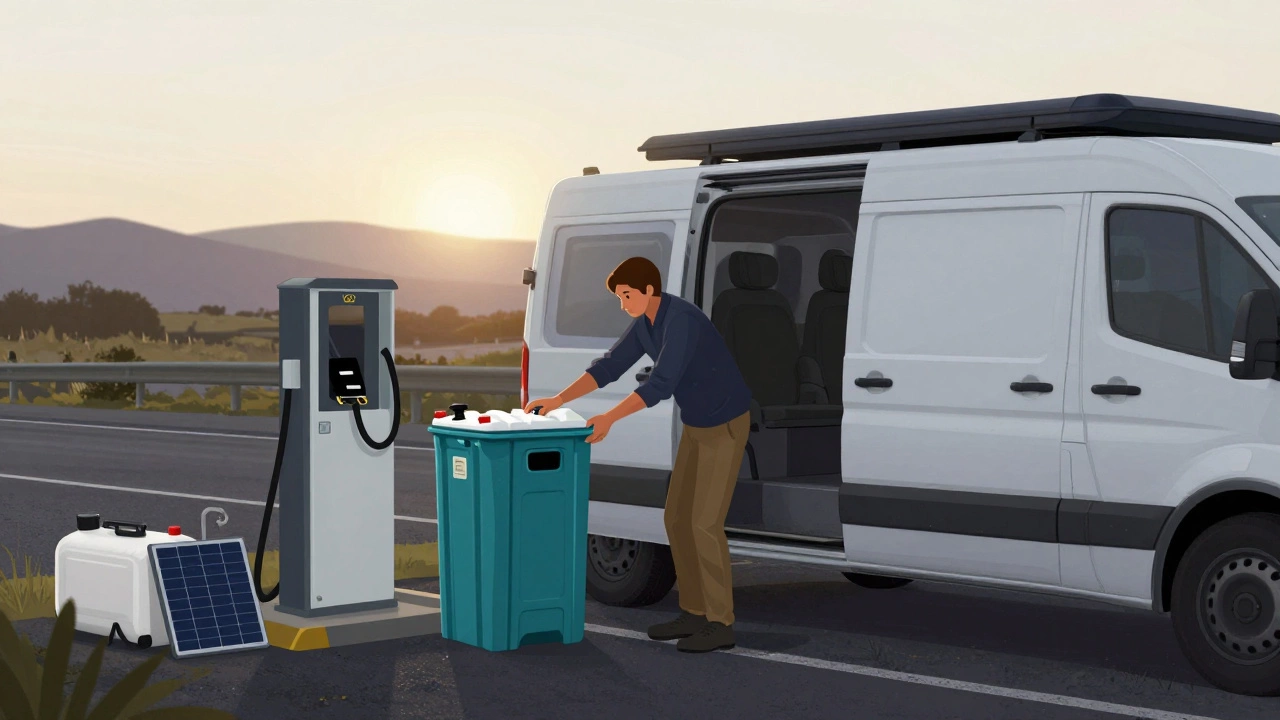
- Take all your waste. That includes toilet paper, food scraps, and plastic wrappers. If you brought it, you take it. Use a portable toilet with a chemical cassette. Empty it at a designated dump station - not a ditch.
- Keep noise down. No loud music. No shouting. No late-night parties. If you hear a dog bark, you’re too close to a house.
- Leave no trace. This isn’t a slogan. It’s your survival strategy. If you leave a single beer can, you’re not just being rude - you’re risking the entire practice.
Follow these, and you’ll likely never get a visit from a landowner. Break them, and you’ll see your favorite spot disappear from Park4Night. Someone will report you. The owner will put up signs. The council will enforce bylaws. And next year? It’ll be locked off.
Boondocking vs Wild Camping vs Official Free Sites
People mix these up. Here’s how they differ:
| Feature | Boondocking | Wild Camping (Scotland) | Official Free Overnight Sites |
|---|---|---|---|
| Legality | Grey area - technically trespassing | Legal under Scottish Access Code | Legal - approved by councils |
| Facilities | None | None | Usually toilets, water, dump station |
| Location | Anywhere quiet - often private land | Remote hills, forests, lochs | Designated parking areas (e.g., motorhome stops) |
| Duration | 1 night max | Up to 3 nights | Up to 2 nights |
| Best for | Van lifers, budget travelers | Experienced hikers, adventurers | Motorhome owners who want convenience |
Boondocking is the most risky but the most rewarding. Wild camping in Scotland is the safest. Official free sites are the most predictable. Each has its place - but only boondocking gives you true solitude.
What Gear Do You Need?
You can’t wing it. Boondocking demands preparation.
- Water tank - At least 20L. You’ll use it for drinking, washing, and flushing. Rainwater isn’t safe to drink.
- Portable toilet - Chemical cassette toilets are standard. Empty at approved stations - not in the woods.
- Solar panel + battery - A 100W panel can run a fridge, lights, and phone charger. No hookups means no grid.
- Insulation - Winter nights in the Highlands drop below freezing. A good van conversion needs double-glazed windows and thermal lining.
- Dark curtains - You’ll be parked near roads or farms. Privacy matters. So does avoiding attention.
- Emergency kit - Flares, first aid, spare tire, tool kit. You’re miles from help.
Most boondockers spend £500-£2,000 upgrading their vehicles. It’s not luxury - it’s survival.
Is Boondocking Right for You?
If you’re looking for a weekend escape with a hot shower and a playground for kids? No. Stick to a caravan park.
If you’re okay with cold mornings, no Wi-Fi, and the quietest silence you’ve ever heard? Then yes.
Boondocking isn’t about comfort. It’s about connection - to the land, to the sky, to the rhythm of the seasons. It’s about knowing you can survive on your own terms. And in a world that’s always connected, that’s worth something.
Start small. Pick a quiet spot near a main road but away from houses. Stay one night. Leave it cleaner than you found it. Talk to others on Park4Night. Learn from their mistakes. And if you get asked to move? Just go. No argument. No drama. You’ll be back.
Is boondocking legal in England and Wales?
Technically, no. In England and Wales, wild camping without permission is considered trespassing under civil law. Landowners can ask you to leave, and if you refuse, they can call the police. Enforcement varies - some areas turn a blind eye, especially if you’re quiet and leave no trace. But it’s not protected by law like it is in Scotland.
Can I boondock with a tent?
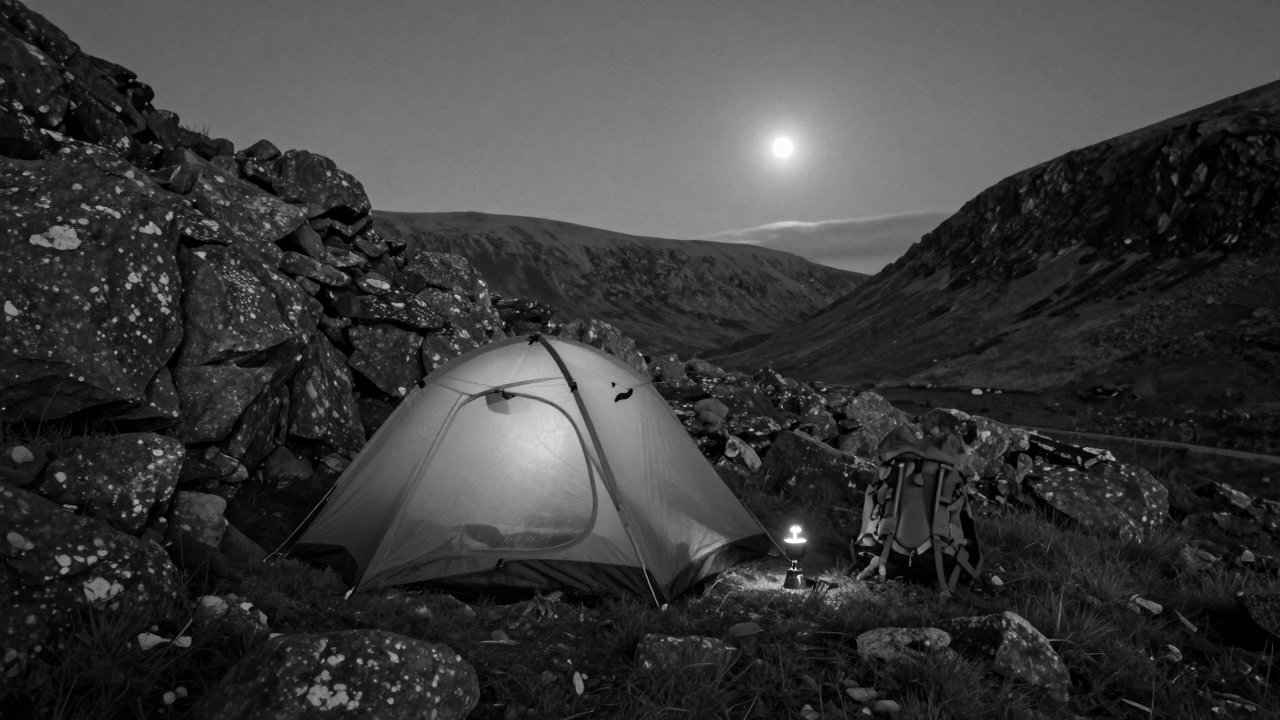
Yes, but it’s harder. Tents are more visible and harder to hide than vans. Most boondockers use vans because they’re self-contained and blend in. If you use a tent, choose remote locations far from paths and houses. Never set up near farms or roads. And never leave gear out overnight - it’s a magnet for complaints.
Where can I empty my portable toilet?
Use designated motorhome service points. Many public car parks, fuel stations, and even some campsites offer free dump stations. Apps like iOverlander list them. Never empty into rivers, ditches, or public restrooms. It’s illegal and harmful to the environment.
Is boondocking safe?
Generally, yes - if you follow the rules. Most boondockers report zero incidents. The biggest risks are weather, isolation, and getting stuck on rough terrain. Always check the forecast. Tell someone where you’re going. Carry a phone with offline maps. Avoid areas with known crime or land disputes. And never park where you can’t drive out easily.
What’s the best time of year to boondock in the UK?
Late spring (May-June) and early autumn (September) are ideal. The weather is mild, the days are long, and campsites are empty. Summer is crowded. Winter is risky - short days, freezing temperatures, and road closures in the Highlands. Avoid December to February unless you’re fully equipped for snow and ice.