Guerrilla Camping Stealth Checker
Plan your setup and check if your strategy aligns with the "Invisible Camper" philosophy. High scores indicate higher visibility and risk.
Risk Score
Verdict: -
Select your gear and strategy to see the results.
It isn't about breaking laws for the sake of it; it's a mindset of minimal impact and maximum stealth. If you've ever felt that luxury campsites are too restrictive or expensive, this approach offers a raw, unfiltered connection to the environment. But before you throw your sleeping bag in the back of the car, you need to understand that this isn't just 'wild camping.' It's a game of hide-and-seek with authority and nature.
Quick Essentials for the Stealth Camper
If you're new to this, don't just wander into the woods. You need a strategy. Here is the basic blueprint for a successful stealth trip:
- The "Leave No Trace" Rule: This is non-negotiable. If a stranger can tell you were there, you failed. No campfires, no trash, and no flattened grass.
- Timing the Setup: Never set up your tent in broad daylight. The best guerrilla campers arrive at dusk and are gone by dawn.
- Gear Selection: Forget the giant 6-person family tent. You want a bivy bag or a small, dark-colored one-person tent that blends into the shadows.
- Scouting: Use satellite imagery or a quick drive-by to find "dead zones"-areas that aren't regularly patrolled or seen from the main road.
Guerrilla Camping vs. Wild Camping vs. Glamping
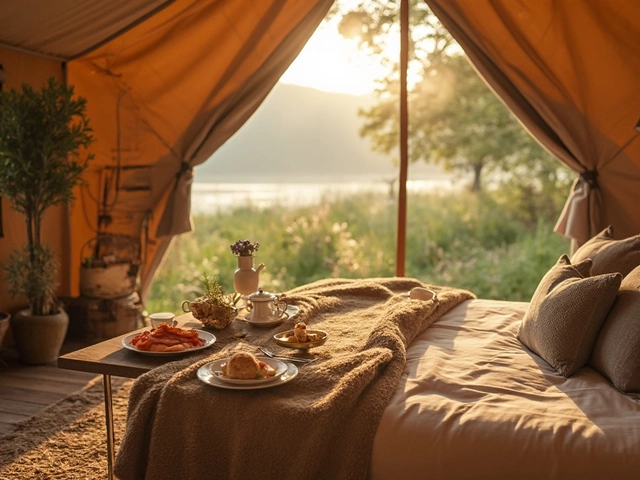
It is easy to get these confused, but the intent and the location change everything. While Glamping focuses on luxury and amenities like king-sized beds and electricity, guerrilla camping is the exact opposite. It's a stripped-back experience where the only luxury is the view and the silence.
| Feature | Guerrilla Camping | Wild Camping | Glamping |
|---|---|---|---|
| Legal Status | Often a gray area/illegal | Legal in specific regions | Fully legal/Permitted |
| Environment | Urban or Restricted | Backcountry/Wilderness | Curated Luxury Sites |
| Gear Level | Ultra-light/Stealth | Rugged/Survivalist | High-end/Comfort |
| Visibility | Hidden/Invisible | Remote/Isolated | Prominent/Managed |
The Art of Urban Stealth
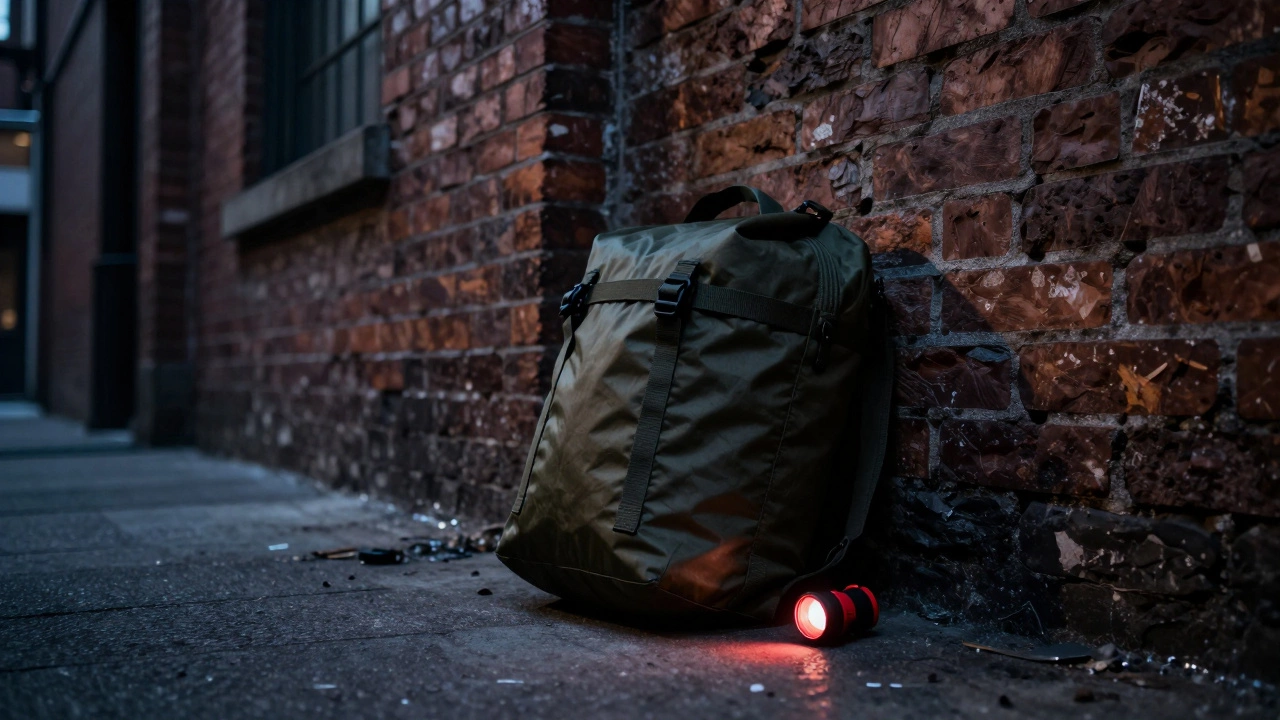
Camping in a city is the ultimate challenge. You aren't fighting bears; you're fighting security guards and noise pollution. This is where Stealth Camping-a sibling to guerrilla camping-really shines. The goal is to exist in a space without being noticed.
Think about a vacant lot between two warehouses or a dense cluster of trees in a municipal park. The key here is your "footprint." You don't want a campfire that sends a signal flare to the police. Instead, use a small gas stove or, better yet, cold-soak your meals. Use a Bivy Bag-a waterproof, breathable sleeve that fits over your sleeping bag. It's much harder to spot than a tent and can be packed away in seconds if you need to make a quick exit.
Ever wonder why some people prefer this over a five-star resort? There's a psychological thrill to it. It turns a simple night's sleep into a mission. It forces you to observe the rhythms of the city-when the streetlights dim, when the night shift changes, and where the quiet pockets actually exist.
Nature's Gray Zones
When you move out of the city, guerrilla camping often happens in "gray zones." These are areas that aren't officially designated as National Parks but aren't strictly forbidden either. Maybe it's a piece of forgotten farmland or a rocky outcrop on a coastline.
The danger here isn't a security guard, but the environment. Without a managed campsite, you don't have a designated fire pit or a toilet. This is where the Leave No Trace philosophy becomes a survival tool. If you leave a mess, you're not just ruining the view; you're making it impossible for the next person to enjoy the same freedom. Dig a "cat hole" for waste at least 200 feet from water sources and pack out every single piece of plastic.
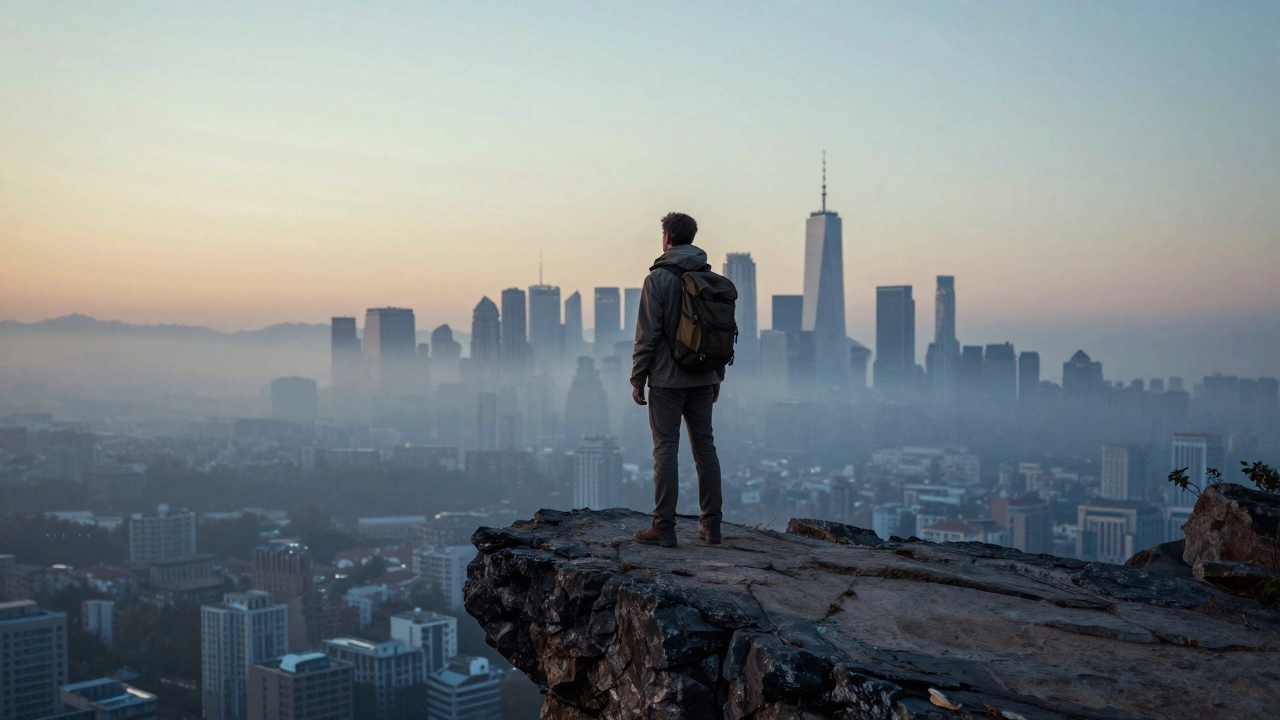
A pro tip for those heading into the wild: look for "micro-terrain." A small dip in the ground or a cluster of boulders can hide your silhouette from a distance. If you're on a ridge, you're a target. If you're in a hollow, you're a ghost.
The Legal and Ethical Tightrope
Let's be real: guerrilla camping exists in a legal loophole. In many places, it is technically trespassing. However, there is a big difference between someone who sets up a permanent camp with a trash pile and someone who spends one night in a bivy bag and leaves the grass untouched.
To stay on the right side of the ethical line, follow these rules of thumb:
- Ask yourself: "Would the landowner know I was here tomorrow?" If the answer is yes, move.
- Avoid residential areas: Camping in someone's backyard or right next to a bedroom window isn't guerrilla camping; it's creepy. Stick to industrial or uninhabited zones.
- Respect the wildlife: In wild areas, your presence can disrupt nesting birds or feeding patterns. If you see signs of wildlife, move on immediately.
- Be polite: If a ranger or owner asks you to leave, do it with a smile. Don't argue about "your rights" to the land. Just pack up and go.
Essential Gear for the Invisible Camper
If you're moving away from the comfort of Luxury Campsites, your gear needs to shift from "comfort-first" to "utility-first." You can't bring a foldable table and a cooler when you might need to pack everything into a backpack in thirty seconds.
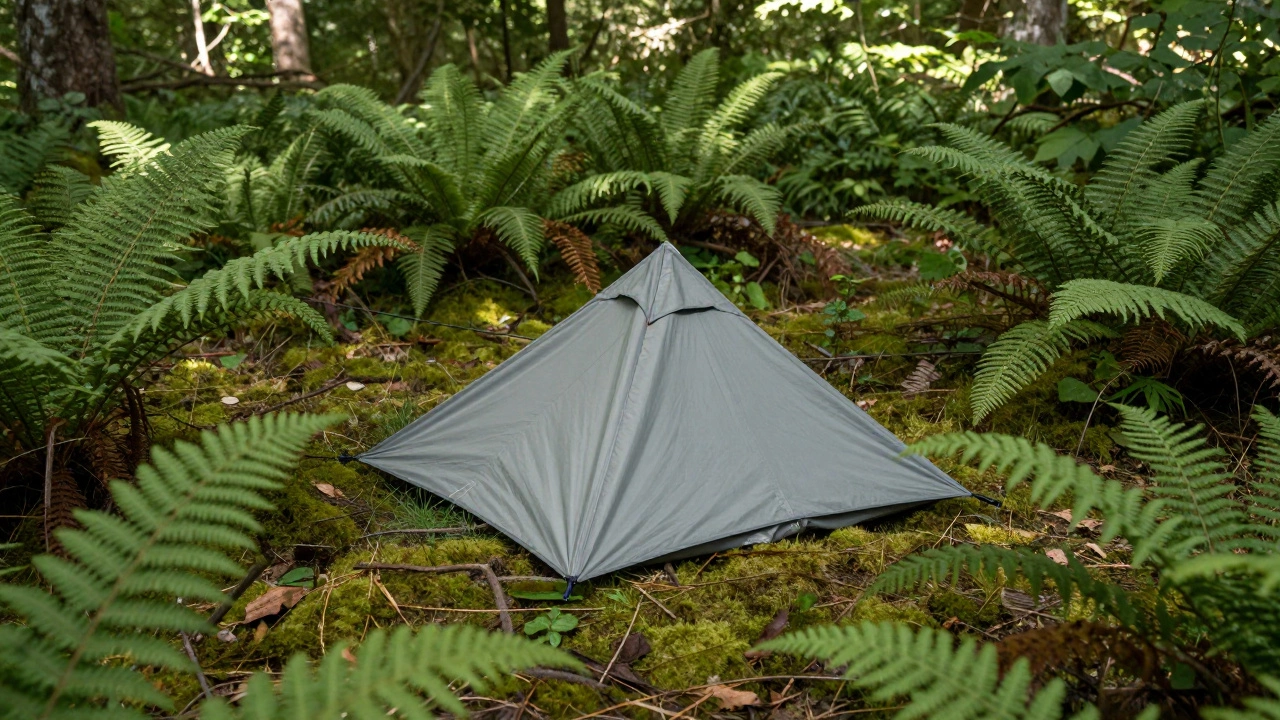
Start with a Ultralight Tent or a tarp system. A tarp is incredibly versatile; it provides shelter from rain but doesn't have the distinct "tent shape" that screams "I am camping here" from a mile away. Pair this with a high-quality sleeping pad to keep the ground chill from waking you up at 3 AM.
For lighting, avoid the big, bright lanterns. Use a headlamp with a red-light mode. Red light doesn't travel as far as white light and preserves your night vision, making you much less visible to anyone patrolling the area. When it comes to water, a portable filter like a Sawyer Squeeze allows you to stay hydrated without carrying ten liters of water, which would weigh you down and slow your exit.
Common Pitfalls to Avoid
Most beginners make the mistake of being too "loud." I don't just mean noise-I mean visual noise. A bright blue tent in a green forest is a neon sign. A flashing light in a dark alley is a beacon. Keep everything muted: greens, browns, and grays.
Another mistake is neglecting the "exit strategy." Always know exactly how you're getting out of your spot. If you've hiked deep into a thicket and the only way out is through a fenced-off area, you've trapped yourself. The best spots have multiple exits and a clear path back to your vehicle or the main road.
Lastly, don't rely on a single one of these experiences to make you an expert. Spend time in legal Wild Camping UK areas or designated backcountry zones first. Learn how to manage your gear and temperature before you try to disappear into an urban jungle.
Is guerrilla camping legal?
Generally, no. It usually falls under trespassing or violating local ordinances against camping in public parks or private land. However, if you follow the "Leave No Trace" principles and stay invisible, you are unlikely to be caught. Always check local laws to avoid heavy fines.
What is the difference between stealth camping and guerrilla camping?
They are very similar, but "stealth camping" usually refers specifically to urban or semi-urban environments where the goal is to blend into the human landscape. "Guerrilla camping" is a broader term that can include both city stealth and a more rebellious approach to wild camping in restricted nature areas.
Can I build a fire while guerrilla camping?
Absolutely not. Fire is the opposite of stealth. The light is visible from miles away, the smell of smoke is a dead giveaway, and the charred earth leaves a permanent mark. Use a small, contained gas stove or stick to cold meals.
What is the best gear for staying hidden?
A bivy bag is the gold standard for stealth. It's low profile and fast to deploy. If you prefer a tent, choose a small, single-wall tent in earth tones (olive drab, coyote brown). Avoid anything with reflective strips or bright colors.
How do I find a good spot for guerrilla camping?
Use tools like Google Earth to find patches of greenery or hidden clearings. Look for areas that are shielded from the road by brush or walls. The ideal spot is one that is invisible from the primary path but has a clear, fast exit route.
What Now? Your Next Steps
If you're itching to try this, don't go full-scale on your first trip. Start by "dry running" your gear in your own backyard or a legal campsite. Practice setting up and packing down your bivy bag in the dark. Once you feel confident in your speed and invisibility, try a short trip in a low-risk area.
If you find that the stress of staying hidden outweighs the thrill, there's no shame in heading back to a managed site. For those who want the wilderness without the risk of a fine, looking into designated wild camping zones in countries like Scotland or parts of Scandinavia is a great way to get the experience legally.