Spike Camping Compatibility Quiz
Answer these questions to see if a spike tent stay fits your travel style.
Your Spike Camping Profile
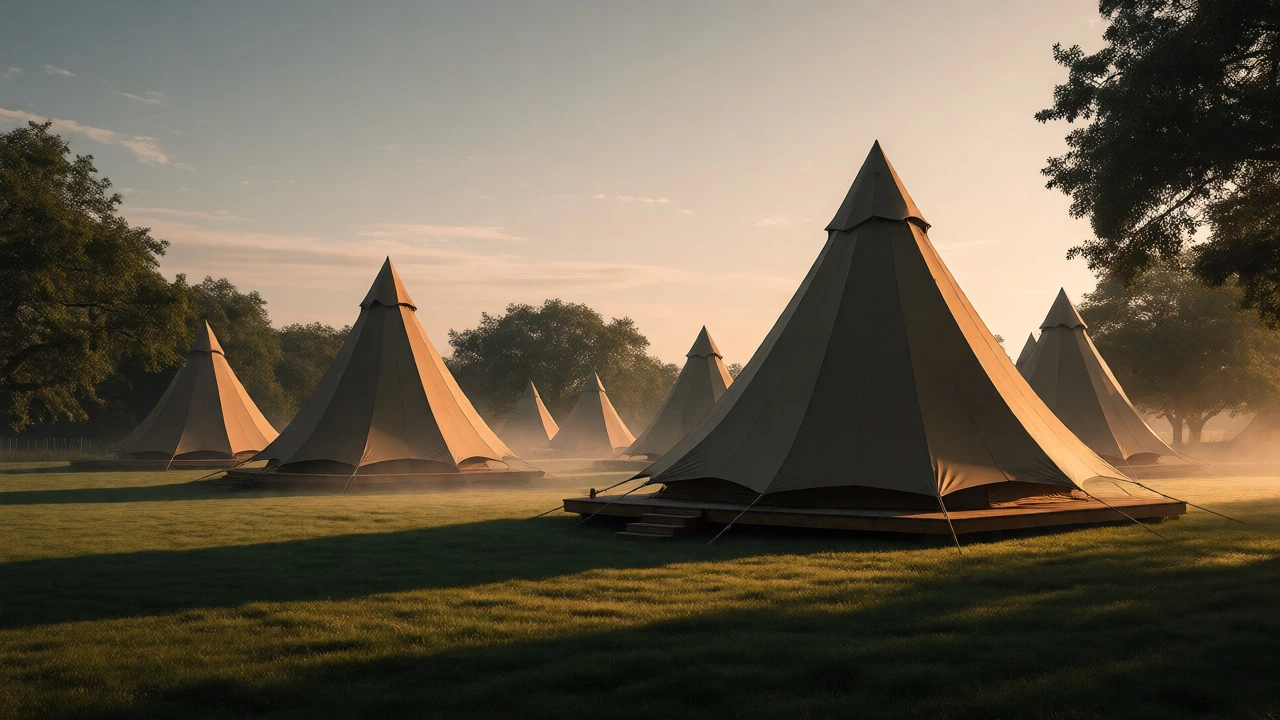
You’ve probably seen them on Instagram: those striking, geometric tents that look like something out of a sci-fi movie or a high-end design magazine. They’re not just regular canvas marquees, and they definitely aren’t your standard dome tent. This is spike camping, a modern form of glamping that utilizes tall, pyramid-shaped structures to maximize vertical space and create a unique aesthetic appeal. If you’re wondering what all the fuss is about, you’re in the right place. We’re breaking down exactly what makes these spikes different, why they’re taking over luxury campgrounds, and whether this trend is worth your next weekend getaway.
The Anatomy of a Spike Tent
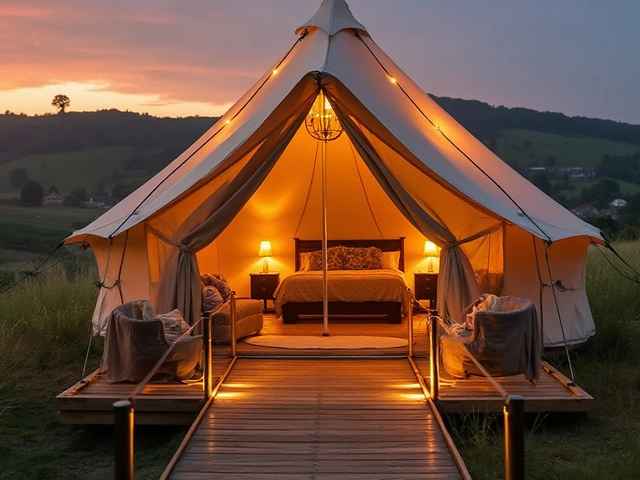
Let’s get technical for a second, but keep it simple. A spike tent is a type of accommodation structure characterized by its steep, pyramidal roofline and significant height, often reaching up to five meters at the peak. Unlike traditional bell tents, which have a wider base and lower profile, spikes prioritize verticality. This design isn’t just for looks-though they are undeniably photogenic-it serves a functional purpose too. The steep angle allows rain and snow to slide off quickly, keeping the interior dry. It also creates a dramatic sense of openness inside. When you walk into a spike, your eyes go up, not out. This trick of perspective makes a relatively small footprint feel surprisingly spacious.
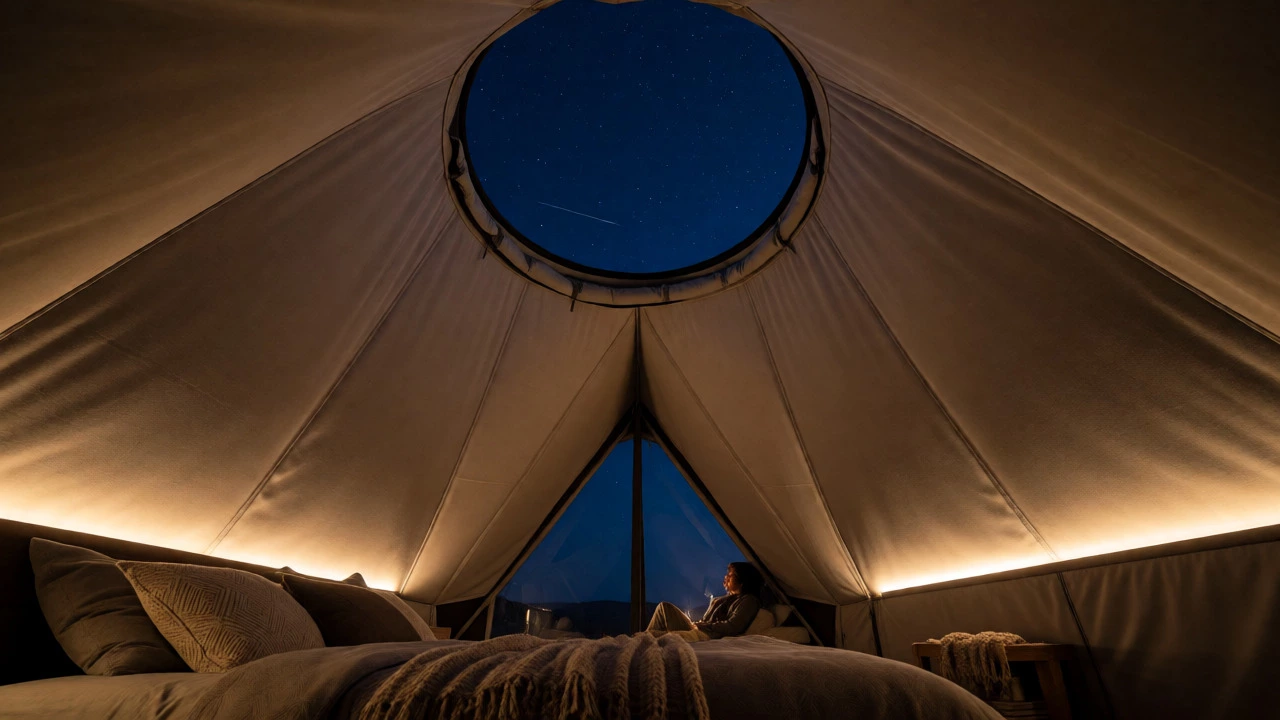
Most spikes are built on a wooden platform, which keeps you elevated above damp ground and pests. Inside, you’ll typically find a king-sized bed, sometimes with a view straight up through a skylight in the apex. Yes, you can stargaze from your pillow. This blend of rugged exterior and plush interior is the core promise of spike camping: nature without the discomfort.
Why Choose Spike Over Glamping?
You might be thinking, “Isn’t this just fancy glamping?Glamping is a broad term for glamorous camping, encompassing everything from yurts to safari tents to treehouses.” Technically, yes, spike camping is a subset of glamping. But there are distinct differences that matter when you’re booking a stay. Traditional glamping often uses repurposed vehicles (like Airstreams) or simpler canvas structures. Spikes are architectural statements. They are engineered specifically for the experience of sleeping under a starry sky while staying warm and dry.
Here’s the real kicker: privacy. Because spikes are tall and narrow, they offer better visual separation between neighboring units compared to wide, low-profile tents. You’re less likely to make eye contact with the couple next door when their tent is ten meters away but only two meters high. For many travelers, especially couples seeking a romantic escape, this subtle shift in layout is a major selling point.
Comfort Meets Durability
One common misconception is that because these tents look lightweight, they’re fragile. In reality, modern spike structures are built to withstand harsh weather. High-quality spikes use heavy-duty, fire-retardant fabrics stretched over robust steel or aluminum frames. Some premium sites even feature insulated linings, making them viable for winter camping in places like the Australian Alps or the UK countryside.
Think about the last time you stayed in a standard hotel room. Did you hear the wind howling outside? Probably not. Now imagine hearing that same wind, but feeling safe and warm. That’s the sensory experience spike camping offers. You’re immersed in the environment-the sounds of birds, the rustle of leaves-but shielded from the elements. It’s a controlled dose of wilderness. Many sites include amenities you’d expect in a boutique hotel: private decks, hot tubs, and fully equipped kitchenettes. The goal is to remove the friction from camping. No pitching poles, no leaking zippers, no cold nights.
Who Is Spike Camping For?
This isn’t for hardcore survivalists who want to sleep on the bare earth. Spike camping targets a specific demographic: urban dwellers craving a disconnect, digital nomads looking for scenic workspaces, and families wanting a safe introduction to outdoor living. If you’ve ever wanted to camp but dreaded the setup process, this is your solution. It’s also ideal for photographers and content creators. The geometry of the spikes provides incredible natural light and interesting shadows, making every corner Instagram-ready without much effort.
Consider the cost-benefit analysis. A night in a spike might cost more than a basic caravan park pitch, but less than a luxury resort suite. You’re paying for the novelty, the design, and the convenience. If you value experiences over square footage, the price tag usually feels justified. Plus, many sites offer packages that include local food hampers or guided tours, adding value beyond just the bed.
| Feature | Spike Tent | Bell Tent | Airstream Trailer |
|---|---|---|---|
| Height | Very Tall (3-5m) | Moderate (2-3m) | Low (2-2.5m) |
| Privacy | High (Vertical separation) | Medium | High (Solid walls) |
| Setup Effort | None (Pre-set) | None (Pre-set) | None (Pre-set) |
| Aesthetic | Modern, Geometric | Classic, Bohemian | Retro, Industrial |
| Best For | Couples, Photographers | Families, Groups | Long-term stays |
Potential Downsides to Consider
No travel trend is perfect, and spike camping has its quirks. First, heat management. While the steep roof helps with rain, it can trap heat in summer if the site doesn’t have good ventilation or air conditioning. In Australia, where we know a thing or two about heatwaves, this is critical. Always check if the unit has cooling options before booking in January.
Second, sound insulation. Canvas, even high-grade canvas, doesn’t block noise like concrete or brick. If your neighbor decides to host a late-night barbecue, you’ll hear it. It’s part of the charm for some, but a dealbreaker for light sleepers. Bring earplugs if you’re sensitive to noise. Finally, availability. Because spikes are visually distinctive, they book up fast, especially during holidays and weekends. Planning ahead is essential if you want a prime spot with a view.
How to Prepare for Your First Spike Stay
You don’t need much gear, but a little preparation goes a long way. Pack layers, even in summer. Nights in rural areas drop significantly in temperature. Comfortable shoes are key, as paths around campsites can be uneven or muddy. Don’t forget a power bank; while most spikes have outlets, having extra juice for your camera or phone ensures you capture the sunset without stress.
Check the site’s rules regarding fires. Many allow fire pits, which are fantastic for ambiance, but always confirm if wood is provided or if you need to bring your own. And finally, manage expectations. This is still camping. You might encounter bugs, wildlife, or limited Wi-Fi. Embrace it. The point is to slow down, not to replicate your home perfectly.
Is spike camping suitable for families with young children?
Yes, but with caution. The tall ceilings are great for kids’ imagination, but ensure the bed rails are secure if using a top bunk or loft area. Also, check if the site has flat, safe play areas nearby, as the platforms themselves can be tricky for toddlers.
Do spike tents have bathrooms?
It varies by site. Luxury spikes often include en-suite bathrooms with showers and toilets. More budget-friendly options may require using shared facilities located a short walk away. Always verify the amenities list before booking.
Can I bring my dog to a spike campsite?
Many spike sites are pet-friendly, but policies differ. Some restrict dogs to certain types of accommodations or require them to be crated when left alone. Check the specific campsite’s pet policy, as cleaning fees may apply.
How does spike camping handle bad weather?
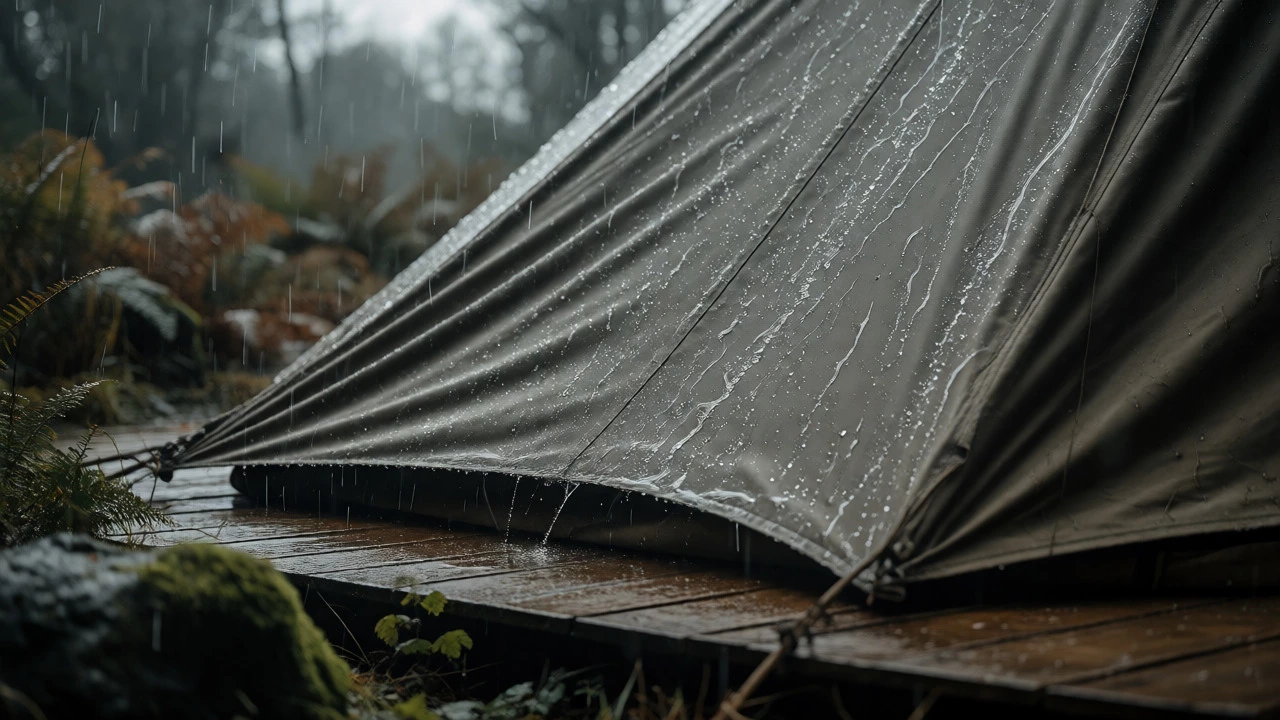
Spike tents are designed for durability. Their steep roofs shed rain and snow efficiently. However, extreme winds can cause noise flapping. Most high-quality spikes are anchored securely to wooden decks to prevent movement during storms.
Is spike camping expensive?
Prices vary widely based on location and amenities. Expect to pay more than a standard tent pitch but generally less than a five-star hotel room. Off-peak seasons often offer significant discounts, making it accessible for budget-conscious travelers.