Stealth Camping Suitability Checker
Location Assessment Tool
This tool helps determine if your planned stealth camping spot meets UK best practices and legal requirements. Based on guidelines from the article.
Results
Key Recommendations
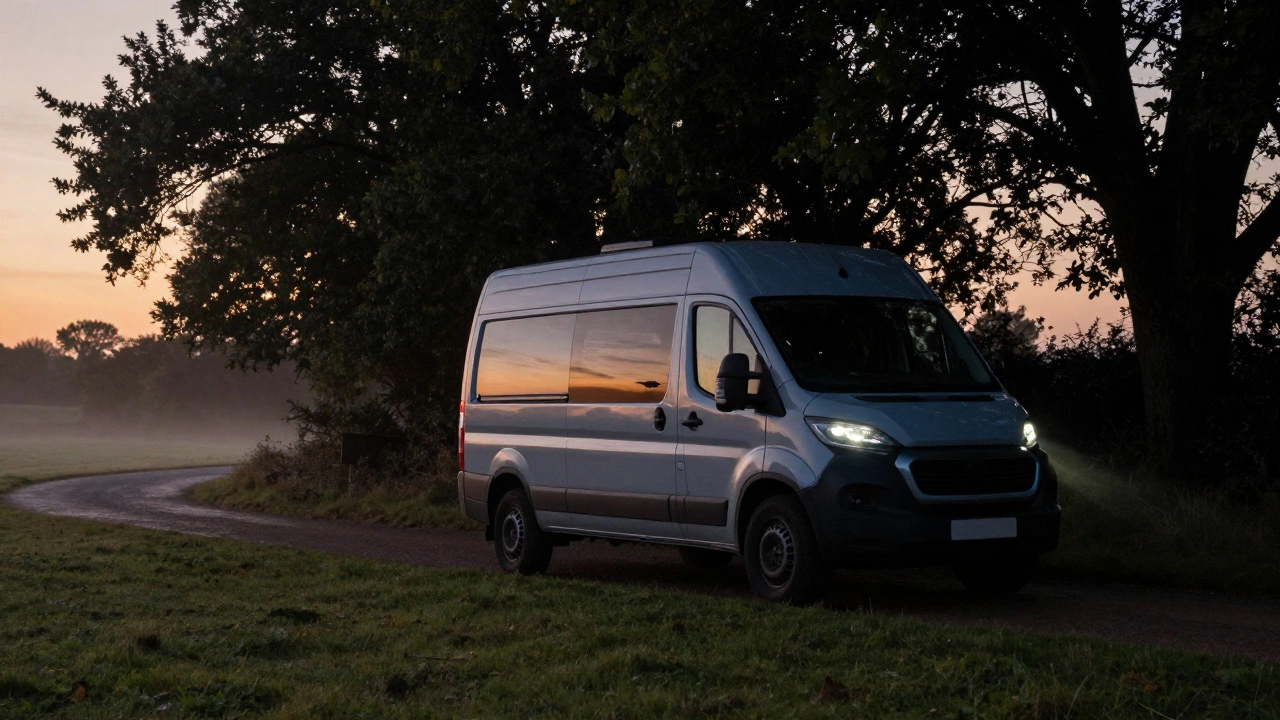
Stealth camping isn’t about hiding from the law-it’s about blending in. If you’ve ever driven past a quiet pull-off at dusk and seen a van parked quietly under the trees, with no sign, no flag, no noise-you’ve seen stealth camping in action. It’s not illegal everywhere, but it’s not always allowed either. In the UK, where official campsites are often full, expensive, or far from where you want to be, stealth camping has become a practical, quiet alternative for van lifers, motorhome owners, and even solo backpackers with a good sense of direction.
What Exactly Is Stealth Camping?
Stealth camping means setting up camp without drawing attention. No marked campsites. No fees. No official permission. Just you, your vehicle, and a quiet spot-usually roadside, in a layby, on private land with no signs, or near a rural building where you won’t be noticed. The goal? To sleep safely, legally (where possible), and without disturbing anyone.
It’s not the same as wild camping. Wild camping in Scotland is legal under the Scottish Outdoor Access Code. In England and Wales, it’s technically illegal unless you have landowner permission. Stealth camping walks the line: you’re not breaking the rules outright, but you’re not asking for permission either. It’s about being invisible, not defiant.
Why Do People Choose Stealth Camping in the UK?
Most people turn to stealth camping because they’re tired of the system. Official campsites charge £20-£40 a night. Some have strict check-in times, noise rules, or no hookups. Others are packed during summer, with waiting lists longer than the trip itself.
For those traveling slowly-say, a couple in a converted van or a solo traveler with a tent on the roof-stealth camping means freedom. You can wake up to mist over a field, sleep under stars near a hillside, or park beside a quiet river without paying a single pound. It’s not about being rebellious. It’s about choosing your own rhythm.
Many UK van lifers report saving over £1,000 a year by avoiding campsites entirely. That money goes into better food, longer trips, or just more time off the grid.
Where Can You Stealth Camp in the UK?
Not all spots are equal. Some areas are more forgiving than others. Here’s where stealth camping works best:
- Forests and woodlands - Especially in southern England, places like the New Forest or the Forest of Dean have quiet pull-offs where landowners rarely patrol.
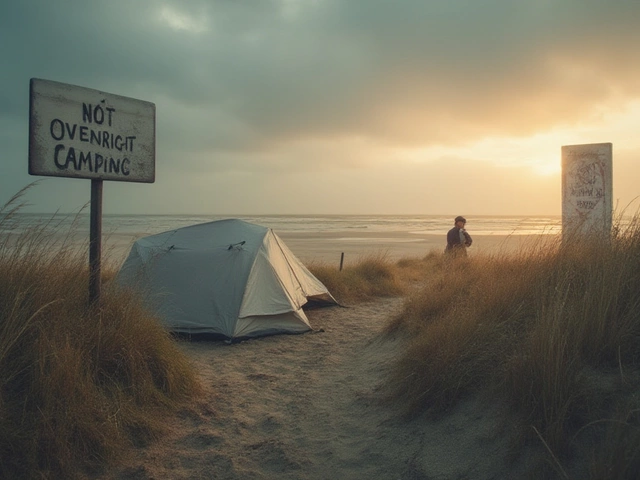
- Rural laybys - Wide, flat roadside areas off main A-roads or B-roads, often near villages. Avoid those with “No Overnight Parking” signs.
- Disused quarries and old farm tracks - These are often forgotten by landowners. Look for signs of past use: tire marks, flattened grass, or old fire pits.
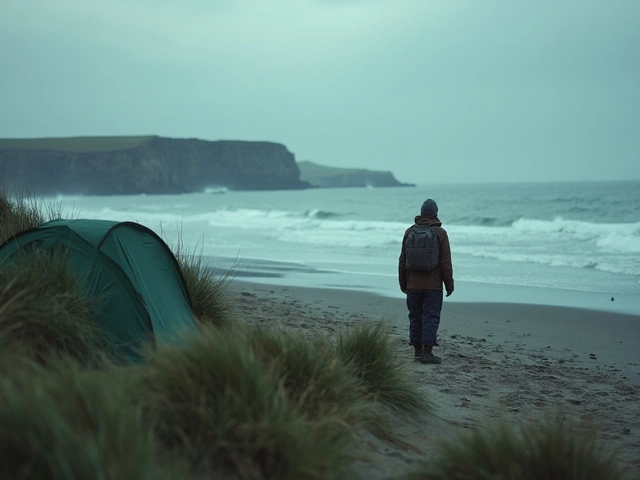
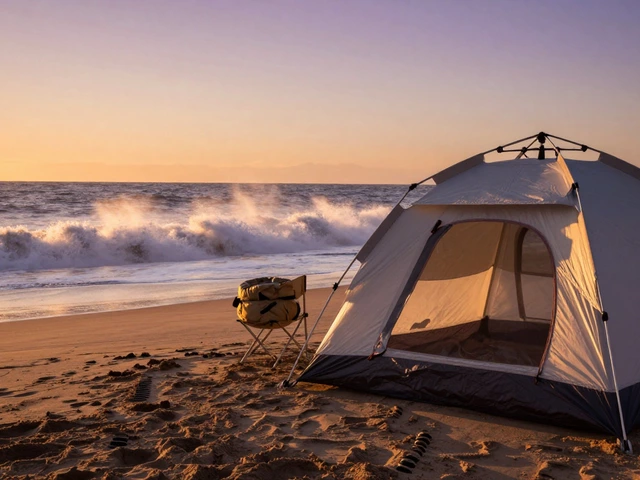
- Coastal cliffs and quiet beaches - In Wales and Cornwall, some beaches allow overnight stays if you’re not camping on the sand. Stick to the top edge, away from lifeguard towers.
- Churchyards and village greens - Rare, but sometimes tolerated if you’re quiet and leave no trace. Never park directly on the grass.
Avoid: national parks (like Lake District or Peak District), tourist hotspots (Lake Windermere, Snowdonia), and areas with CCTV or frequent patrols. You’ll get noticed fast.
How to Do It Right: The Stealth Camping Rules
Stealth camping isn’t a free-for-all. If you do it badly, you’ll get kicked out-or worse, make it harder for everyone else. Follow these five rules:
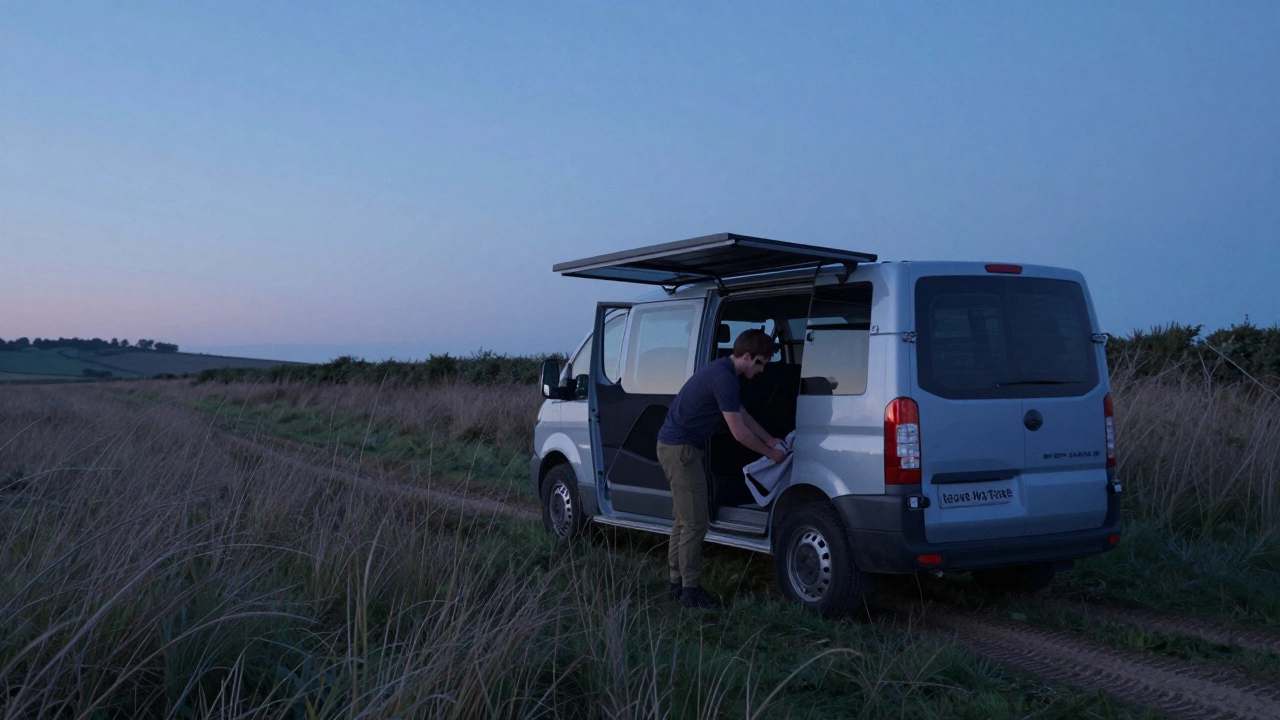
- Arrive late, leave early - Set up after 8 p.m. and pack up before 7 a.m. That’s the golden window. No one’s around. No one notices.
- Stay just one night - Never park in the same spot two nights in a row. It’s the fastest way to get reported.
- Keep it quiet - No generators. No loud music. No shouting. Even a TV on low volume can draw attention. Use battery-powered LED lights.
- Leave no trace - Pack out every bit of trash. Use portable toilets or dig a cathole 200 feet from water. Even biodegradable soap can harm wildlife.
- Blend in - Don’t set up chairs, awnings, or solar panels unless you’re in deep cover. A plain van with tinted windows looks like a delivery truck. A van with a flag and a deck? That’s a target.
One camper in Devon told me he once parked next to a farm for three nights. The farmer never came out. Why? He didn’t make a sound. He didn’t leave a single wrapper. And he left before sunrise every morning. That’s stealth.
Legal Risks and What Happens If You Get Caught
Technically, sleeping in your vehicle overnight on public land without permission is trespassing. In practice, most landowners and police won’t bother unless you’re causing a problem.
If you’re asked to move, don’t argue. Pack up calmly and leave. Getting into a confrontation makes you look like a problem-and that’s how local bans start. In 2024, several towns in Somerset and Dorset passed bylaws banning overnight parking on public roads. It’s not nationwide, but it’s spreading.
Police in rural areas usually treat stealth campers with understanding-if you’re quiet and respectful. But if you’re loud, messy, or repeat offenders, you could get fined under the Anti-Social Behaviour Act. Fines range from £50 to £250. It’s not the fine that hurts. It’s the stigma.
Tools and Gear That Make Stealth Camping Easier
You don’t need fancy gear, but the right tools make a huge difference:
- Blackout curtains - Keep your interior dark. No one sees your bed, your coffee mug, your dog.
- Portable solar panels - Power your fridge and phone without a generator.
- Water tank with tap - No need to go into villages for water.
- Portable toilet - Keeps you clean and prevents complaints.
- Thermal insulation - Keeps you warm without needing to run a heater.
- Google Maps offline maps - Save areas with good parking spots. Mark them as "stealth friendly".
Apps like Park4Night and iOverlander are useful-but don’t rely on them too much. Many stealth spots aren’t listed. The best info comes from word of mouth: Reddit threads, van life Facebook groups, or quiet chats with other travelers.
When Stealth Camping Goes Wrong
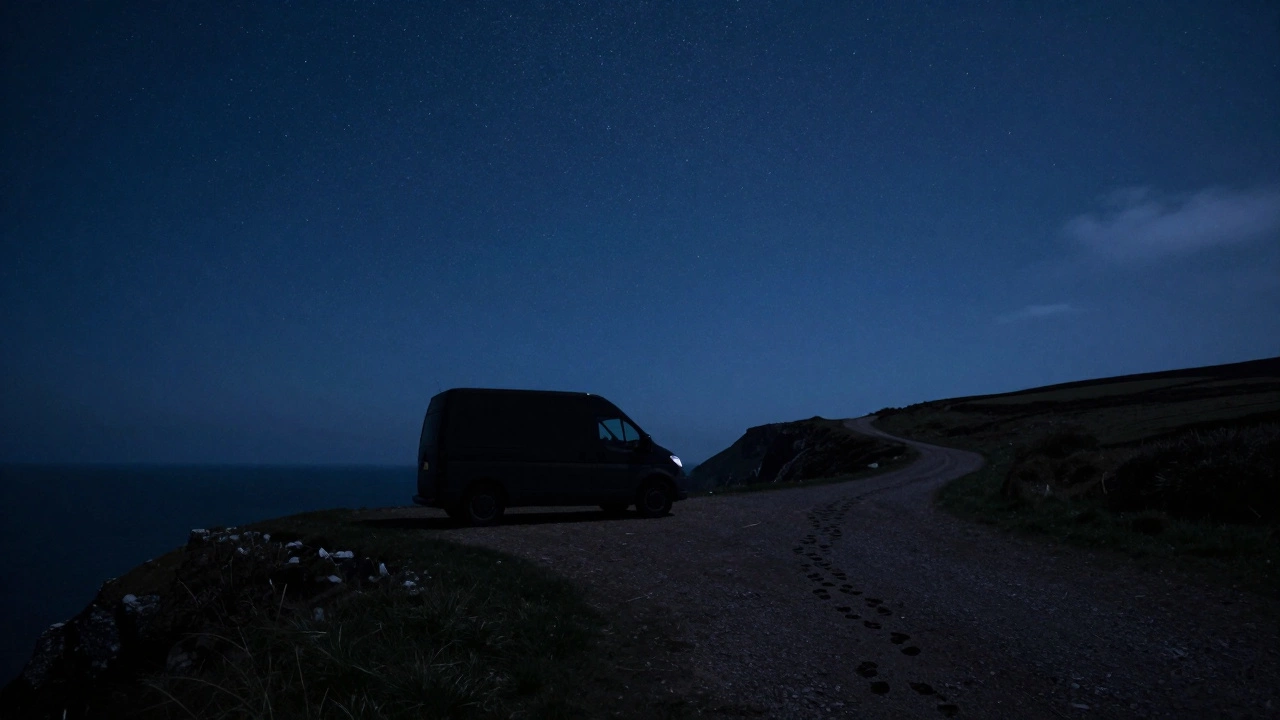
Not every attempt works. Some people get turned away. Others get fined. A few have had their vans towed.
One common mistake? Parking near schools, hospitals, or fire stations. That’s a red flag. Another? Staying too long. Two nights is pushing it. Three? You’re asking for trouble.
Also, avoid camping during festivals, holidays, or weekends. That’s when locals are watching. Stick to midweek. Tuesday and Wednesday are your best friends.
And never assume a place is safe just because someone else parked there. Land ownership changes. New rules appear. Always scan for signs, fences, or security cameras.
Is Stealth Camping the Future of UK Camping?
More people are doing it. In 2023, a survey by the UK Van Life Association found that 62% of van dwellers had tried stealth camping at least once. Of those, 81% said they’d do it again.
It’s not a rebellion. It’s a response to a broken system. Campsites are expensive. Bookings are competitive. And for many, the joy of camping isn’t in the facilities-it’s in the silence, the stars, and the freedom to stop wherever you like.
Stealth camping won’t replace official sites. But it’s carving out a space for those who want to travel differently. If you’re quiet, respectful, and smart, you can sleep under the UK’s skies without paying a penny.
Is stealth camping legal in England?
Technically, no. Sleeping in your vehicle on public land without permission is considered trespassing. But enforcement is rare unless you’re causing a disturbance. Most landowners and police won’t act if you’re quiet, leave no trace, and move on after one night. The real risk comes from repeat offenses or causing complaints.
Can I stealth camp in a tent?
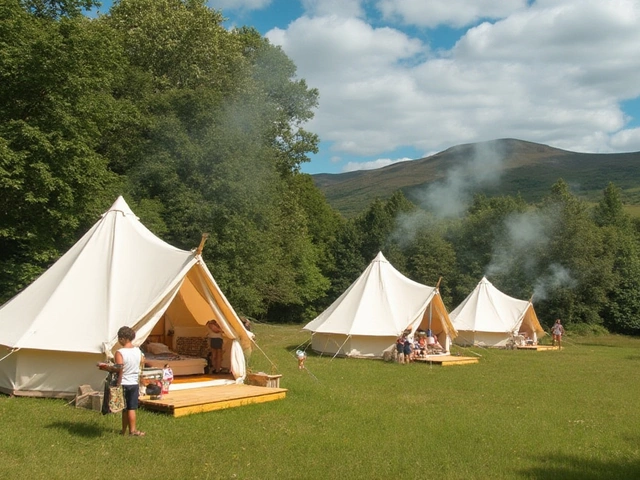
Yes, but it’s riskier. A tent is more visible than a van with tinted windows. If you do, choose spots with natural cover-trees, ditches, or high grass. Never pitch on open fields. Arrive after dark and pack up before sunrise. Many experienced stealth campers stick to vehicles for better concealment.
What’s the difference between stealth camping and wild camping?
Wild camping means setting up camp on open land, often in remote areas like mountains or moorland. In Scotland, it’s legal under the Outdoor Access Code. In England and Wales, it’s illegal without landowner permission. Stealth camping is about being unseen-usually in a vehicle, parked quietly on the edge of roads or fields. It’s less about location and more about avoiding attention.
Do I need permission to stealth camp on private land?
Yes-if you know it’s private. If you park near a farmhouse and the owner sees you, they can ask you to leave. But if you’re in a layby with no signs, you’re on public land. The gray area is land that looks public but is privately owned. The safest rule: if you’re unsure, don’t stay. Better to drive 10 minutes further than risk a confrontation.
Can I use a generator while stealth camping?
No. Generators are loud and draw attention. They’re the #1 reason people get reported. Use solar panels or a battery system instead. Most stealth campers run fridges, phones, and lights on 12V systems charged by solar. It’s quieter, cheaper, and more sustainable.
Final Thoughts: Be the Quiet Traveler
Stealth camping isn’t about breaking rules. It’s about respecting them-by being invisible. The best stealth campers aren’t the ones with the fanciest vans. They’re the ones who leave no trace, make no noise, and move on before anyone wakes up.
If you’re thinking of trying it, start small. Pick a quiet rural layby on a Tuesday night. Arrive late. Stay quiet. Leave early. See how it feels. If it works, you’ve found a new way to travel. If it doesn’t, you’ve learned something valuable.
The UK’s quiet corners still hold space for those who know how to be still. You just have to know how to look.