RV Trip Planner & 2-2-2 Rule Checker
Enter your planned daily details below to see if your itinerary meets the recommended guidelines for a relaxed RV experience.
Rule 1: Driving
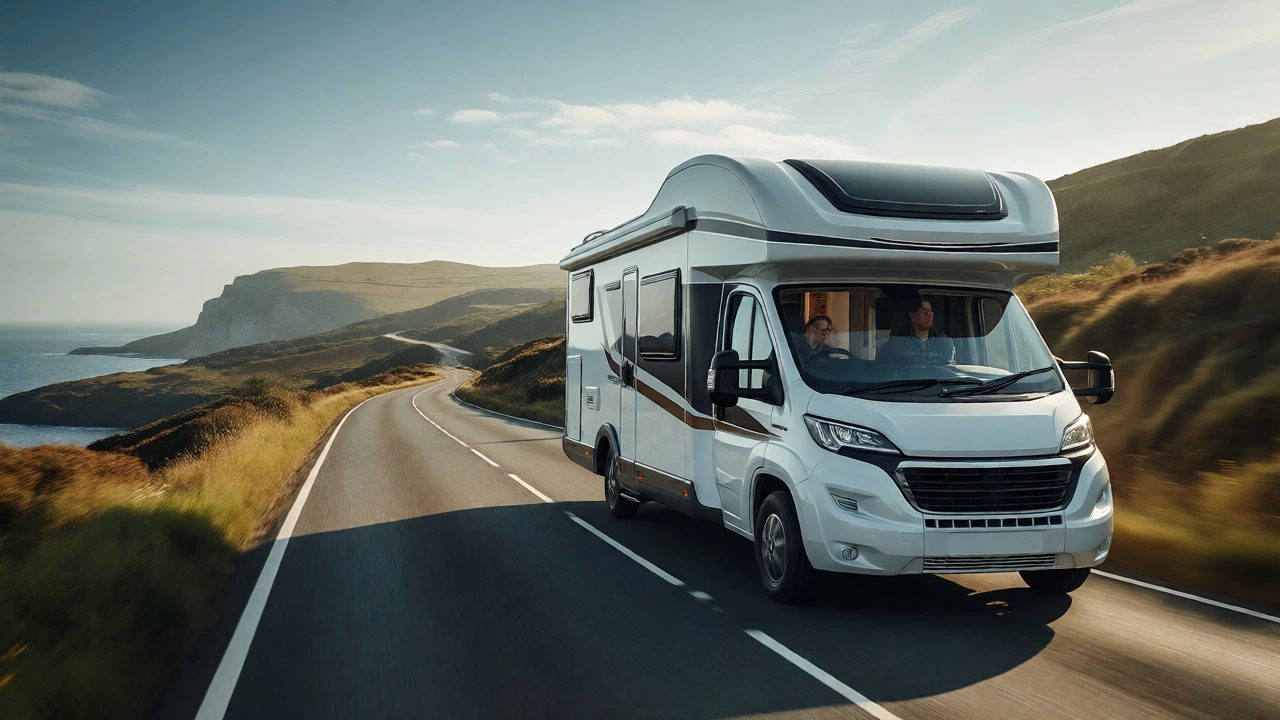
Max 2 hours continuous driving before a 20-min break.
Rule 2: Arrival
Arrive at campsite before 2:00 PM.
Rule 3: Stay
Stay max 2 nights per location to avoid burnout.
Daily Itinerary Input
You’ve booked the motorhome. You’ve packed the clothes, the coffee maker, and the dog’s favorite blanket. But then the panic sets in: how far should you actually drive each day? If you’re staring at a map trying to cram six cities into three days, you’re already setting yourself up for burnout before you even turn the key. This is where the 2 2 2 rule comes in. It’s not a law written by some government agency; it’s a heuristic-a mental shortcut-that keeps your blood pressure low and your memories high.
The concept is deceptively simple. For every two hours of driving, stop for twenty minutes. Stay no more than two nights in one place. And don’t arrive after 2 PM. That’s it. Three twos. It sounds arbitrary until you’ve spent eight hours white-knuckling a Class C motorhome through mountain switchbacks with a cranky toddler in the back. Then, it feels like gospel.
Breaking Down the First Two: The Driving Limit
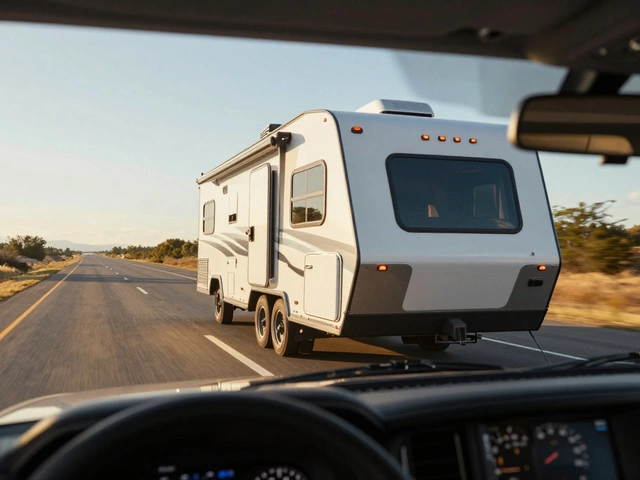
Let’s start with the driving component because this is where most novice RVers crash-literally and metaphorically. In a car, you can push four or five hours easily. You have cruise control, air conditioning that actually works, and seats designed for human spines. An RV is different. You are operating a vehicle that weighs between 5,000 and 15,000 pounds (or more), has a higher center of gravity, and handles wind differently than a sedan.
Two hours is the sweet spot for continuous driving time in a recreational vehicle. After that, fatigue hits harder. Your reaction times slow down, and the constant micro-adjustments needed to keep a wide trailer straight on a highway become exhausting. When the two-hour mark hits, pull over. Not just to stretch your legs, but to reset your brain.
Why twenty minutes? Because twenty minutes is enough time to walk around, use a restroom that isn’t a cassette toilet, and grab a snack without turning a pit stop into a half-day event. If you stop for an hour, you lose momentum. If you don’t stop at all, you risk making a mistake at mile marker 250 that you wouldn’t have made at mile marker 50.
| Factor | Standard Car | RV/Motorhome |
|---|---|---|
| Recommended Continuous Drive Time | 4-5 hours | 2 hours max |
| Mental Load | Low (automated assists) | High (wind, width, mirrors) |
| Rest Stop Frequency | Every 3-4 hours | Every 2 hours |
| Risk of Fatigue Errors | Lower | Significantly Higher |
The Second Two: The Arrival Deadline
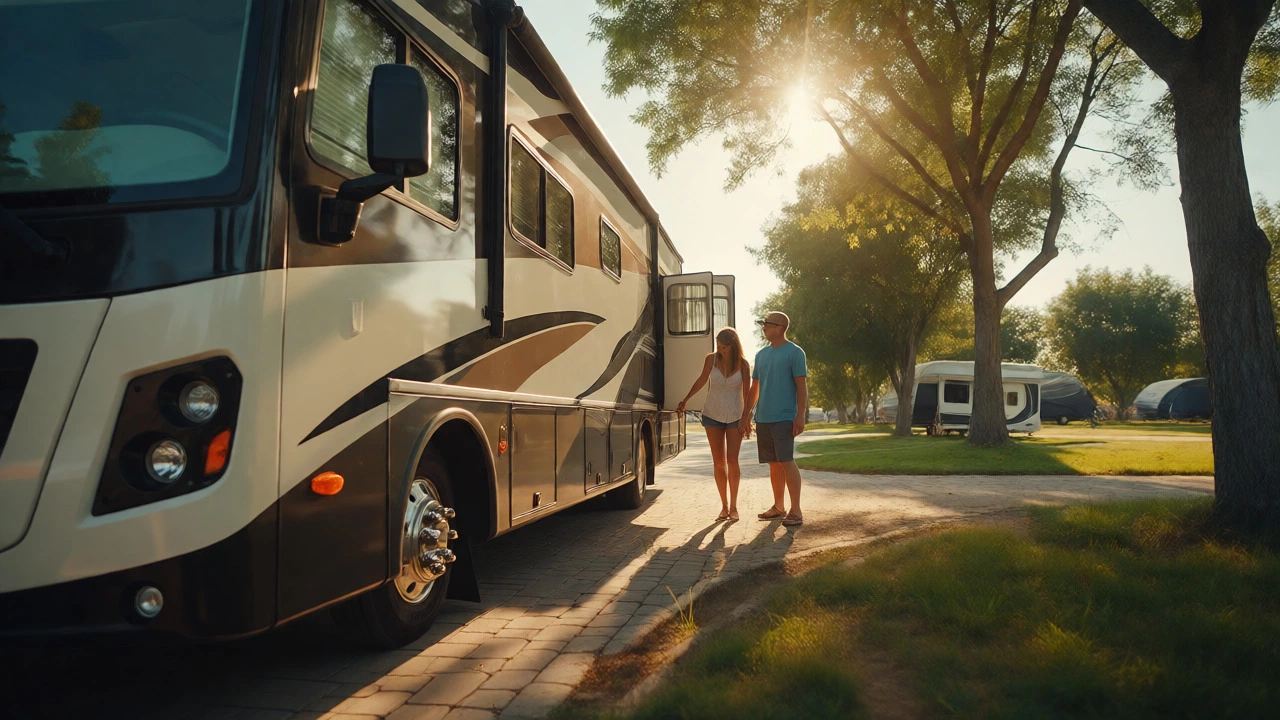
This is the part people ignore, and it’s the part that ruins trips. The rule says: Don’t arrive after 2 PM. Why so early? Because parking an RV is nothing like parking a Prius.
If you’re renting a large Class A motorhome or towing a fifth-wheel trailer, finding a spot takes time. You need to assess the grade of the ground. Is it level? Do you need leveling blocks? Are there trees hanging low enough to scrape your awning? Is the power hookup on the left or right side of the pad?
Imagine arriving at a popular campground at 6 PM. The sun is going down, shadows are long, and visibility is poor. You’re tired from driving. There are only three sites left, and they’re narrow. Now imagine doing that same maneuver at 1 PM. The sun is high, you’re fresh, and you have plenty of options. You can choose the site with the best view, the most privacy, or the easiest access.
Furthermore, many campsites have check-in windows. Arriving late often means missing out on amenities like pools or playgrounds while your kids are still awake and energetic. By aiming for a 2 PM arrival, you give yourself a buffer. Traffic happens. Detours happen. The previous camper might be slow to vacate their site. Buffer time saves arguments.
The Third Two: The Stay Duration
The final piece of the puzzle is staying no more than two nights in any single location. This seems counterintuitive if you want to see lots of places, but here’s the reality: unpacking and packing an RV is a workout.
Think about what happens when you stay one night. You drive in, set up the stabilizers, hook up water and electric, take everything out of the fridge and cupboards to organize it, make the bed, and then wake up the next morning to reverse the entire process. It’s inefficient. You spend more time managing logistics than enjoying the destination.
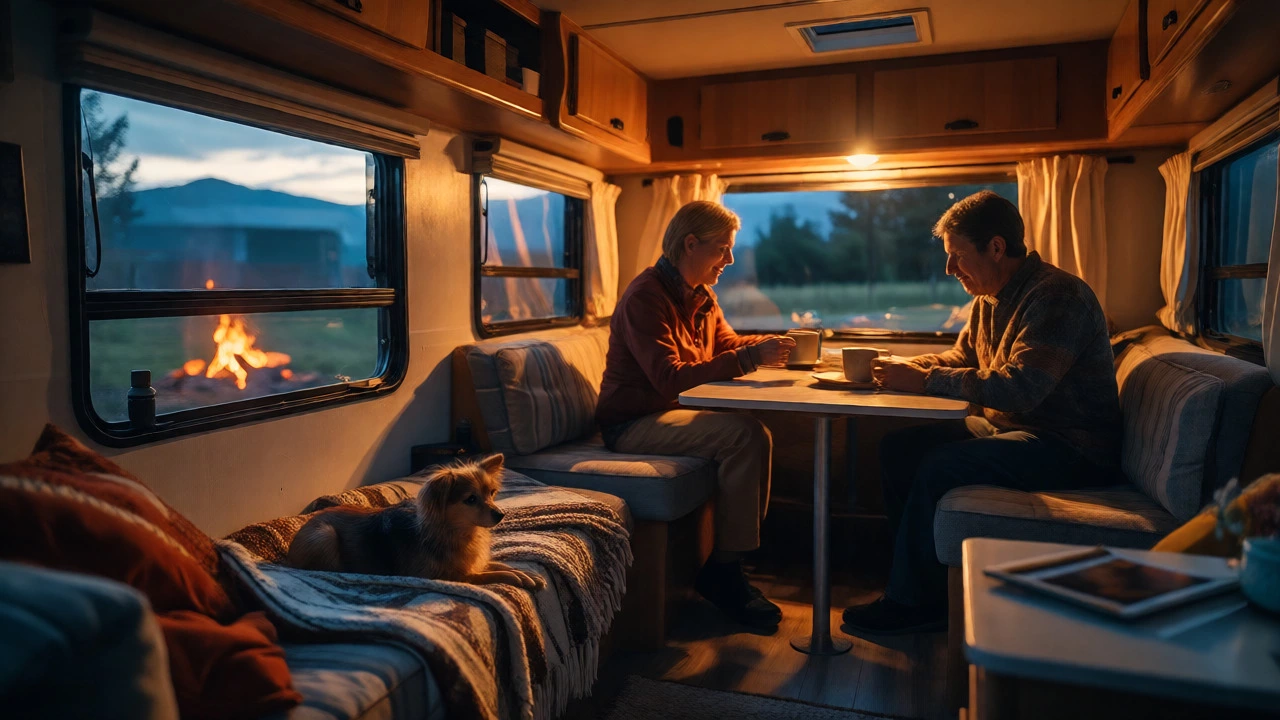
Staying two nights gives you a rhythm. Day one is setup and exploration. You find the local bakery, hike the nearest trail, or just sit by the fire. Day two is relaxation. You don’t pack anything yet. You enjoy the campsite itself. On the morning of day three, you pack up calmly, without rushing, and move on.
There’s also a financial angle here. Many campgrounds offer discounts for multi-night stays. While the 2 2 2 rule doesn’t strictly enforce budget, it naturally aligns with saving money. Fewer moves mean less fuel consumption and fewer potential wear-and-tear incidents on your rental.
Why This Rule Works for Motorhome Hire Specifically
If you own your RV, you know its quirks. You know exactly how tight the turning circle is and which sites fit your specific length. When you hire a motorhome, you’re learning a new machine on the fly. The 2 2 2 rule acts as a safety net for unfamiliarity.
When you rent, you likely haven’t tested the brakes at speed or practiced reversing with a spotter recently. Keeping drives short reduces the chance of mechanical surprises becoming emergencies. Staying longer allows you to get comfortable with the interior layout-the shower controls, the generator noise, the fridge cooling time-without the stress of having to leave immediately.
Consider a typical scenario: You pick up a hired motorhome in Sydney on a Friday afternoon. If you try to drive three hours to a remote bushland park, you’ll arrive in the dark, confused by the unfamiliar dashboard lights, and frustrated. Instead, drive one hour, stay two nights nearby, and let the vehicle teach you its habits before you tackle the Great Ocean Road or the Blue Mountains.
Adapting the Rule: When to Break It
Rules are tools, not handcuffs. There are times when the 2 2 2 rule needs tweaking. If you’re traveling with elderly parents who tire quickly, maybe the driving limit drops to one hour. If you’re visiting a major city like Melbourne or Brisbane, you might stay four nights because the attractions are spread out and moving the RV daily is impractical due to parking costs.
Also, consider the terrain. Driving two hours on flat, straight highways is very different from driving two hours on winding coastal roads or steep mountain passes. In difficult terrain, cover less distance. Two hours on a twisty road might feel like four hours mentally. Adjust your expectations accordingly.
- Weather: Rain or fog slows you down. Reduce your target distance.
- Traffic: City traffic adds time but not distance. Plan for slower progress.
- Kids/Pets: If you have young children, shorter drives are non-negotiable. Safety first.
Practical Tips for Implementing the 2 2 2 Rule
To make this work, you need a bit of prep. Don’t wing it entirely. Use apps like Campendium or iOverlander to scout sites ahead of time. Look for reviews that mention "easy pull-through" or "level pads." These small details save you headaches upon arrival.
Pre-pack your essentials in a separate bin. Keep your bedding, toiletries, and coffee kit in a bag that you can grab instantly. This cuts down setup time significantly, allowing you to relax sooner after that 2 PM arrival.
Finally, communicate with your travel partners. Agree on the rules before you leave. If everyone knows that stopping every two hours is mandatory-not optional-there’s no guilt trip involved. It becomes part of the journey, not an interruption to it.
The 2 2 2 rule isn’t about restricting freedom; it’s about optimizing enjoyment. It shifts the focus from ticking boxes on a map to actually experiencing the places you visit. By slowing down, you notice more. You talk more. You rest more. And frankly, you avoid the kind of exhaustion that makes you swear off camping forever.
Is the 2 2 2 rule strict?
No, it is a guideline. Experienced RVers often break it, especially on open highways. However, for beginners or those renting unfamiliar vehicles, sticking close to it prevents fatigue and stress.
Does the 2 2 2 rule apply to towing a caravan?
Yes, arguably even more so. Towing requires more concentration and physical effort to hitch and unhitch. Shorter drives and longer stays reduce the number of times you have to perform these complex maneuvers.
What if I can't find a campsite by 2 PM?
If you miss the 2 PM window, prioritize safety over schedule. Pull over earlier for a break. Consider staying closer to your origin point rather than pushing into the dark. Flexibility is key.
Can I stay longer than two nights?
Absolutely. The rule suggests a maximum of two nights to keep things moving, but if you love a spot, stay longer. Just be aware that unpacking fully might be worth it if you plan to stay three or more nights.
How does this affect my fuel budget?
By limiting daily driving distances, you generally consume less fuel per day compared to sprint-style travel. Additionally, staying longer often qualifies for weekly or multi-night discounts at campgrounds, offsetting other costs.