Motorhome Chassis Selector Tool
Select a chassis and usage type to see our analysis.
There is no single answer to "what is the number one selling motorhome" because the crown shifts depending on where you live. In the United Kingdom, the Fiat Ducato chassis dominates the market, powering countless brands like Hymer, Adria, and Auto-Trail. However, if you look at the United States, the definition of a motorhome changes entirely, with Class C units from Thor Industries often leading the charts. For this guide, we will focus primarily on the European and UK market trends, as that is where the term "motorhome" is most commonly used in its traditional sense.
The reality is that buyers don't just pick a brand; they pick a combination of reliability, size, and budget. The Fiat Ducato isn't sold as a standalone "Fiat Motorhome" but rather as the backbone for over 70% of new motorhomes in Europe. This makes it the statistical winner by default. But understanding why it wins-and what alternatives exist-is crucial before you sign any contracts or book your next holiday.
The Undisputed Champion: Fiat Ducato
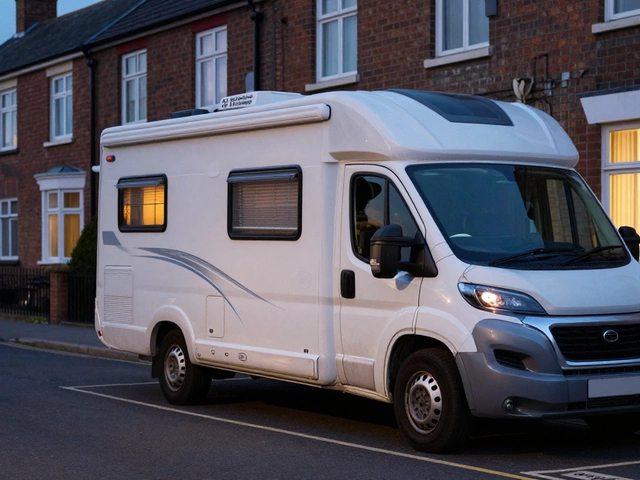
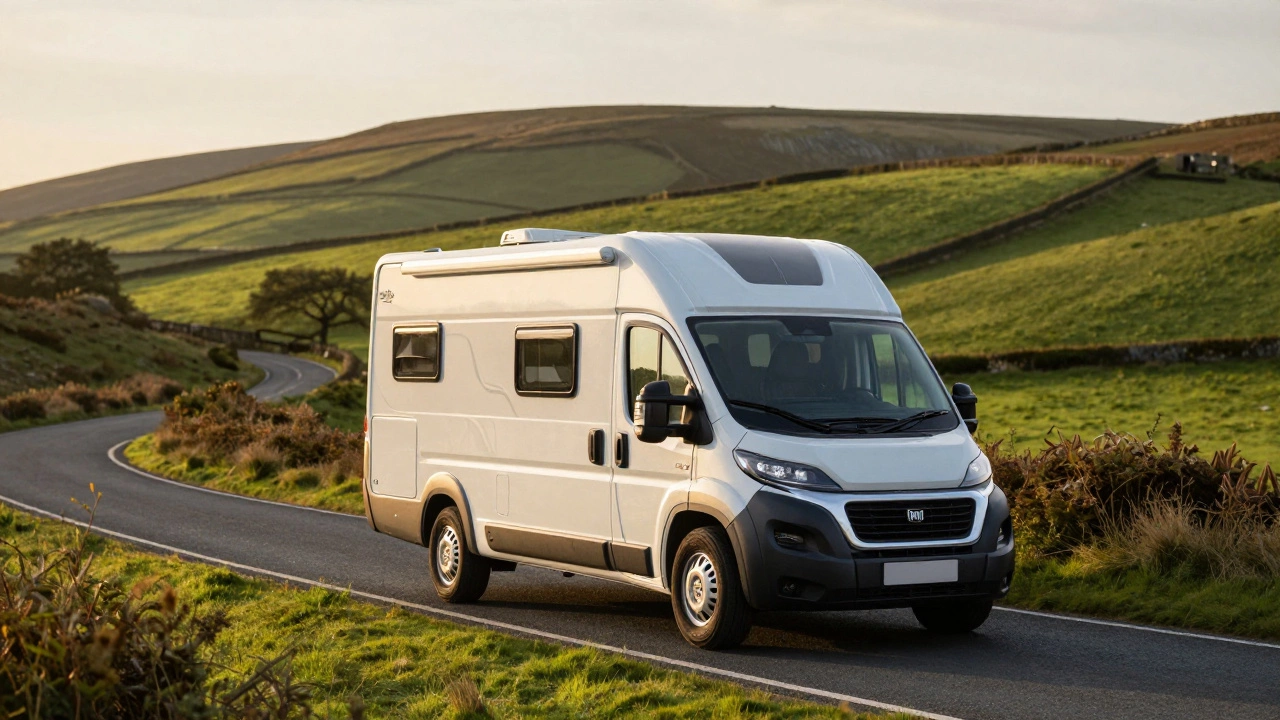
If you walk into any motorhome dealership in the UK or Europe, you will likely find that the majority of the stock sits on a Fiat Ducato chassis. Since its launch in 1981, the Ducato has been the industry standard. It offers a perfect balance of driving dynamics, payload capacity, and interior space. Most manufacturers prefer it because the parts are cheap, widely available, and every mechanic knows how to fix them.
The current generation, known as the Ducato III (or Type H), introduced significant improvements in safety and comfort. It features advanced driver assistance systems (ADAS) such as lane departure warning and autonomous emergency braking, which were previously rare in large vehicles. For the average buyer, this means a vehicle that feels more like a modern van than a cumbersome truck. The engine options, particularly the 3.0-liter F1C diesel, provide enough torque to handle steep inclines while maintaining reasonable fuel economy for its class.
However, being the most common does not mean it is without flaws. Some owners report issues with electronic gremlins, particularly with the infotainment systems and sensor errors. Additionally, the ride quality can be firm when fully loaded, which is something to consider if you plan on long-distance touring. Despite these minor grievances, its dominance remains unchallenged due to sheer availability and resale value stability.
The Strong Contender: Mercedes-Benz Sprinter
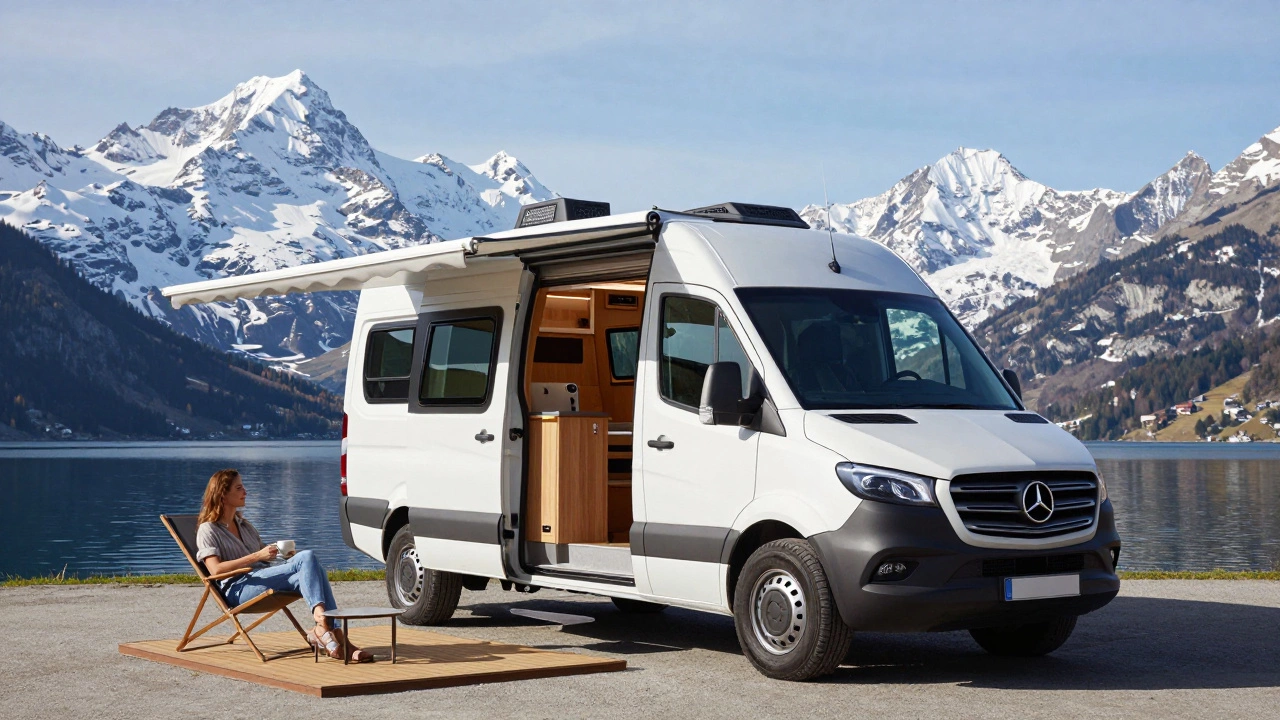
While the Fiat Ducato leads in volume, the Mercedes-Benz Sprinter is the premium alternative favored by luxury motorhome builders. If you are looking at high-end brands like Hymer, Carthago, or LMC, you will almost always find them mounted on a Sprinter chassis. The Sprinter commands a higher price tag, often £5,000 to £10,000 more than its Fiat counterpart, but it offers superior build quality, better insulation, and a smoother ride.
The Sprinter's appeal lies in its refinement. The cabin is quieter, the suspension is more compliant, and the engines-particularly the OM642 and newer OM656-are renowned for their longevity. Many owners report getting hundreds of thousands of miles out of their Sprinters with minimal major repairs. This reputation for durability makes it a favorite among full-time travelers and those who prioritize comfort over initial cost savings.
From a semantic perspective, the relationship between Sprinter and Luxury Motorhomes is strong. Choosing a Sprinter often signals a commitment to higher-quality living spaces, including better insulation, larger water tanks, and more sophisticated heating systems. If your budget allows, the Sprinter is arguably the better long-term investment, even if it doesn't hold the "number one selling" title by pure unit count.
Budget-Friendly Alternatives: Ford Transit and Peugeot Boxer
You might notice that the Ford Transit and Peugeot Boxer share many similarities with the Fiat Ducato. This is because they are part of the same industrial alliance. In fact, the Peugeot Boxer and Citroën Jumper are essentially rebadged versions of the Fiat Ducato. They share the same chassis, engine, and mechanical components. This means that if you choose a Boxer-based motorhome, you get the same reliability and parts availability as the Ducato, often with a slightly different aesthetic or trim package.
The Ford Transit, however, stands apart as a distinct competitor. While it shares some platform technology, it has its own unique characteristics. The Transit is often praised for its excellent visibility and ergonomic dashboard layout. It is particularly popular in the US market, where the Ford E-Series and Transit vans have a long history. In Europe, the Transit Custom has gained traction in the smaller motorhome segment, offering a more maneuverable option for city driving and narrow country lanes.
| Chassis | Primary Strength | Ideal For | Avg. Price Premium |
|---|---|---|---|
| Fiat Ducato | Value & Availability | Budget-conscious buyers | Baseline | Mercedes Sprinter | Luxury & Comfort | Full-time travelers | +£5k - £10k |
| Ford Transit | Maneuverability | City drivers | Similar to Ducato |
| Peugeot Boxer | Alternative Styling | Ducato fans seeking variety | Baseline |
Understanding the Market Segments
To truly understand what sells best, you need to look beyond the chassis and examine the body styles. The market is divided into several key categories, each with its own champions.
- Overcab Units: These feature a bed above the driver's cab, maximizing interior space without increasing the overall length. Brands like Adria and Hymer excel here, offering compact yet spacious layouts that are ideal for couples.
- Integrated Motorhomes: These are built from scratch, with the chassis and body forming a single unit. They offer superior insulation and aerodynamics but come at a higher price point. Carthago and Eldom are leaders in this segment.
- Alcove Motorhomes: Common in the US, these have a sleeping area in the front alcove. They are less popular in Europe due to width restrictions but remain a staple for American road trips.
In terms of pure sales volume, mid-range integrated and overcab units on Fiat Ducato chassis represent the largest slice of the pie. They offer the best compromise between price, space, and ease of use. Buyers in this segment are typically weekenders or occasional holidaymakers who want comfort without the complexity of a luxury vehicle.
Key Factors Influencing Sales Rankings
Several factors drive the popularity of specific models. Reliability is paramount; nobody wants to be stranded on the side of the road with a broken-down motorhome. The Fiat Ducato's widespread service network addresses this concern effectively. Second is payload capacity. Modern motorhomes are heavier due to increased safety regulations and larger batteries. The ability to carry water, gas, and personal belongings without exceeding legal limits is a critical selling point.
Fuel efficiency also plays a role, although it is less significant than in the past. With rising fuel prices, buyers are increasingly interested in hybrid options or smaller engines that still deliver adequate power. The trend towards electric motorhomes is growing, but infrastructure limitations currently keep them in the niche category. Brands like Hymer and Bürstner are experimenting with electric conversions, but mass adoption is still years away.
Resale value is another crucial consideration. Vehicles with strong brand recognition, such as those based on the Mercedes Sprinter, tend to hold their value better. This makes them attractive to buyers who view their motorhome as an investment rather than a depreciating asset. Conversely, Fiat Ducato-based units depreciate faster but offer lower entry costs, making them accessible to a broader audience.
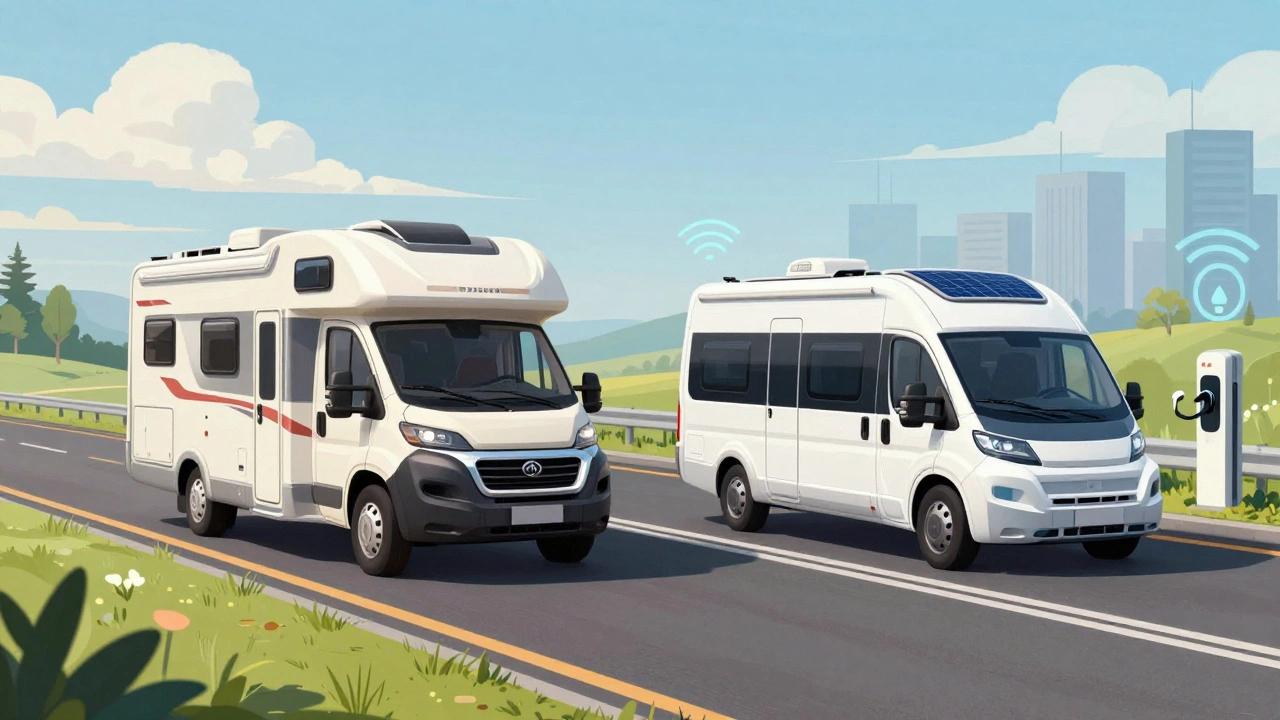
Regional Differences in Popularity
It is important to note that "number one" varies significantly by region. In the UK, the Auto-Trail Chebacco and Conqueror series are consistently top sellers, largely due to their affordability and practical layouts. In Germany, Hymer dominates the luxury segment, while Adria holds strong in the mid-market. France sees a mix of French brands like Chausson and Italian imports.
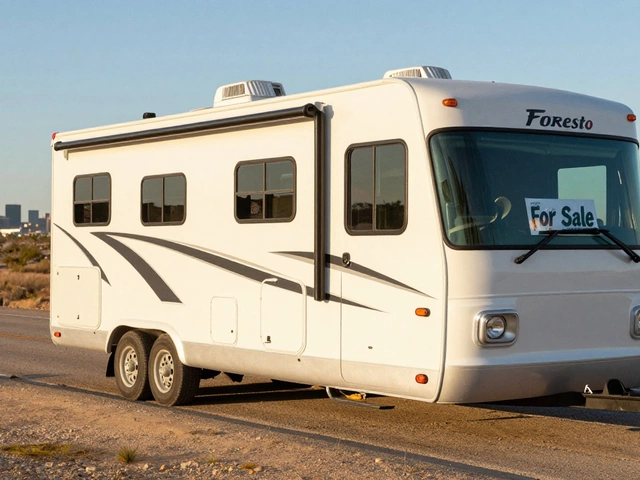
In the United States, the landscape is completely different. Thor Industries owns multiple brands, including Winnebago, Jayco, and Forest River. The Winnebago Travator and Micro Minnie are among the best-selling Class B and Class C motorhomes, respectively. These vehicles are designed for shorter trips and easier parking, reflecting the diverse travel habits of American consumers.
For readers planning international travel, it is essential to research local preferences and regulations. A model that is popular in one country may not be available or suitable in another due to differences in road widths, height restrictions, and fuel types.
Future Trends: What Will Sell Next?
Looking ahead, the motorhome industry is undergoing significant transformation. Electric vehicles (EVs) are poised to disrupt the market, but challenges remain. Battery weight affects payload, charging infrastructure is sparse in remote areas, and range anxiety persists. However, brands like e-RV and Hymer are developing prototypes that promise to change this narrative within the next decade.
Sustainability is also driving innovation. Manufacturers are incorporating solar panels, lithium-ion batteries, and energy-efficient appliances as standard features. Buyers are increasingly conscious of their environmental impact, favoring brands that demonstrate eco-friendly practices. This shift is influencing design choices, with more emphasis on lightweight materials and aerodynamic shapes.
Connectivity is another growing trend. Smart motorhomes equipped with Wi-Fi boosters, app-controlled heating, and remote monitoring systems are becoming more common. These features enhance convenience and security, appealing to tech-savvy travelers. As 5G networks expand, the integration of digital services into the motorhome experience will deepen, creating new opportunities for customization and control.
Is the Fiat Ducato really the best motorhome chassis?
Yes, for most buyers. Its combination of affordability, parts availability, and proven reliability makes it the safest choice. However, if budget permits, the Mercedes Sprinter offers superior comfort and longevity.
What is the most popular motorhome brand in the UK?
Auto-Trail is frequently cited as one of the top-selling brands due to its wide range of affordable models built on reliable Fiat Ducato chassis. Hymer also ranks highly in the premium segment.
Should I buy a new or used motorhome?
New motorhomes offer warranty coverage and latest features but depreciate quickly. Used motorhomes provide better value for money but require careful inspection for hidden defects. Consider your budget and technical expertise before deciding.
How much does a top-selling motorhome cost?
Prices vary widely. Entry-level Fiat Ducato-based models start around £40,000, while luxury Mercedes Sprinter units can exceed £100,000. Mid-range options typically fall between £50,000 and £70,000.
Are electric motorhomes ready for mainstream use?
Not yet. Current electric motorhomes face challenges with range, charging time, and battery weight. They are suitable for short trips near charging stations but not ideal for long-distance touring or off-grid adventures.