Tent Safety Checker
Select the items you are planning to bring into your tent to check for potential risks.
Food & Snacks
High RiskChocolate, biscuits, wrappers.
Candles / Heaters
CriticalOpen flames or portable heaters.
Wet Clothing
Medium RiskRain jackets, muddy boots.
Valuables
Medium RiskLaptops, cameras, phones.
Chemicals
Low-Med RiskRepellent, sunscreen, perfumes.
Pets
Medium RiskDogs, cats (unless pet tent).
Safety Report
No items selected yet.
Select items on the left to see risks.
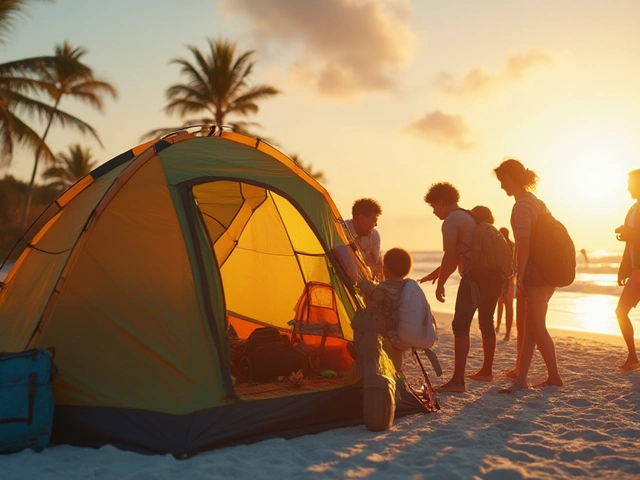
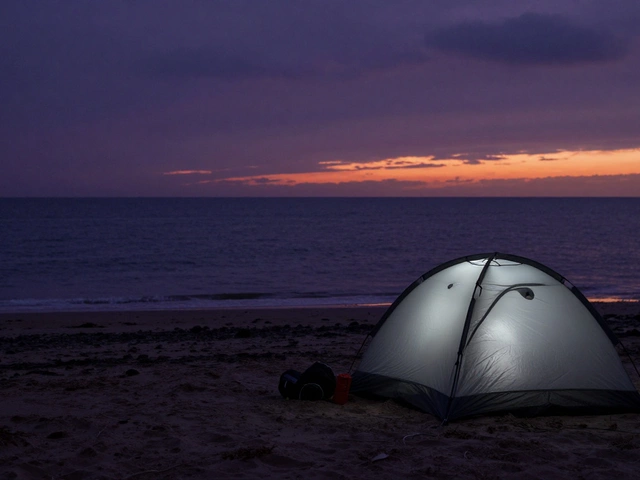
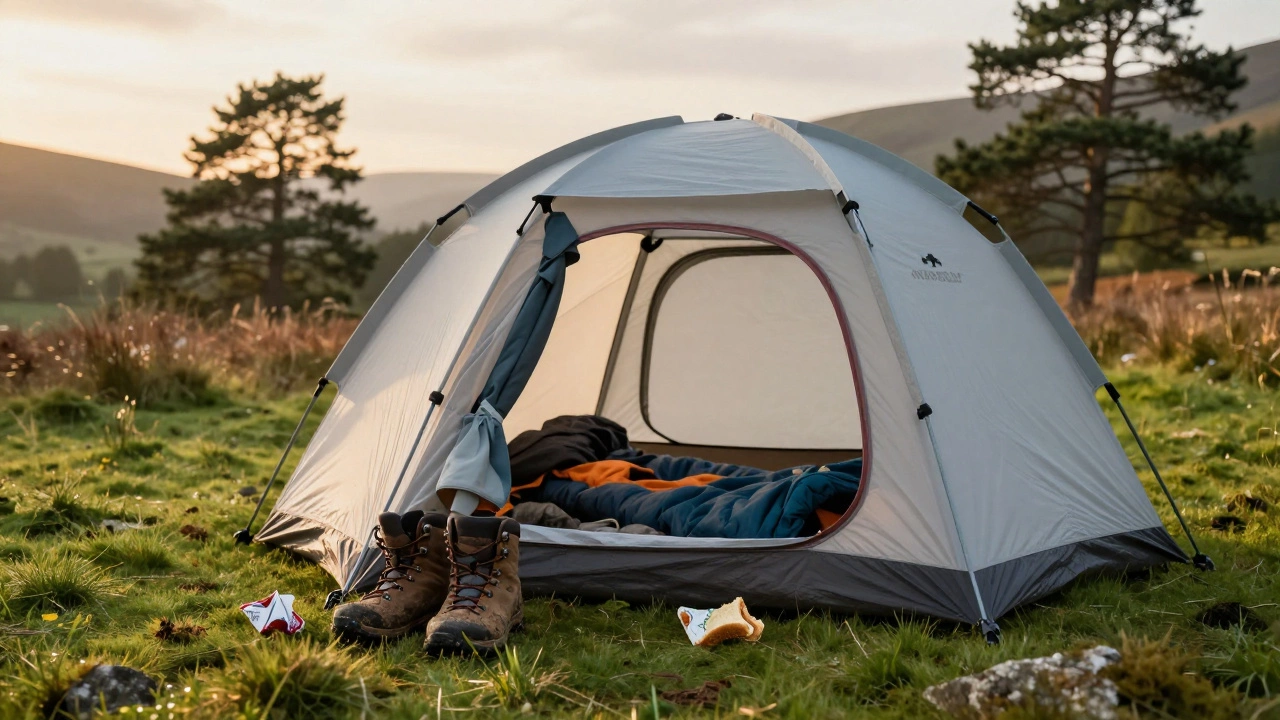
You’ve finally pitched your tent is a portable shelter used for outdoor sleeping, typically made of waterproof fabric supported by poles on a lush green patch at a popular site in the Lake District. The sun is setting, the air smells like pine and damp earth, and you’re ready to collapse into your sleeping bag. But before you zip up, take a second look at what’s inside. If you have a half-eaten sandwich, a scented candle, or even just your muddy boots sitting right next to your pillow, you are inviting trouble. Keeping the wrong things in your tent can turn a relaxing weekend away into a disaster involving pests, moisture damage, or worse.
Camping in the UK comes with its own set of challenges. We deal with unpredictable rain, curious wildlife like foxes and badgers, and often crowded communal spaces. Knowing what stays outside is just as important as knowing what goes in. This guide breaks down exactly what you should never keep inside your tent, why it matters, and where those items actually belong.
The Golden Rule: No Food Inside
If there is one rule every camper needs to follow, it is this: food belongs in the car or a sealed container outside, never in the tent. It seems obvious, but it is the most common mistake beginners make. You might think a chocolate bar wrapped in foil or a packet of biscuits is harmless, but animals have an incredible sense of smell. A fox or a rat can detect crumbs from meters away. In the UK, urban foxes are particularly bold and have been known to tear open tent zippers looking for snacks.
- Scented Items: Even if the food is sealed, the scent lingers. Air out your clothes if you cooked near them.
- Leftovers: Never store leftovers in your tent overnight. Use a cool box in your vehicle.
- Toiletries: Toothpaste and soap often contain mint or fruit flavors that attract pests just like food does.
By keeping all edible items and strongly scented toiletries out of your sleeping area, you reduce the risk of attracting rodents and insects. It also keeps your sleep space clean and free from sticky spills. If you are wild camping without a car nearby, use a bear bag method-suspending your food from a tree branch-or a dedicated hard-sided dry box placed well away from your tent.
Fire Hazards: Candles, Heaters, and Lighters
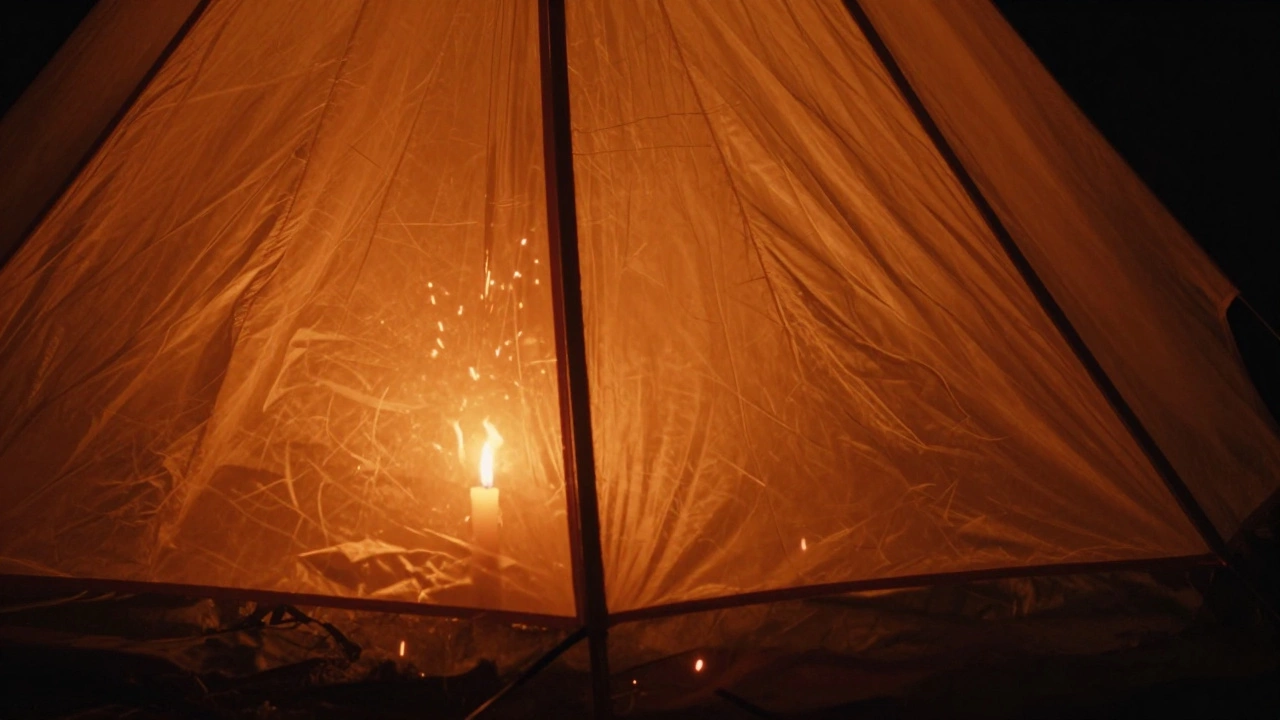
Tents are designed to be lightweight and breathable, which unfortunately makes them highly flammable. Modern tent fabrics are treated with water-repellent coatings, but they are still essentially thin nylon or polyester sheets. Introducing an open flame or a heat source inside creates a catastrophic risk. A single dropped spark from a candle can burn through the floor of your tent in seconds.
Many people try to warm up their tents using small portable heaters or candles when temperatures drop. This is extremely dangerous. Not only do these devices pose a fire hazard, but they also consume oxygen and produce carbon monoxide. In a tightly sealed tent, carbon monoxide buildup can lead to poisoning, dizziness, or even death while you sleep. Always use proper ventilation and rely on high-quality sleeping bags rated for the expected temperature instead of artificial heat sources.
Keep lighters, matches, and any fuel-based equipment in your car or a designated safe zone outside. If you need light, use LED lanterns or headlamps, which generate no heat and are battery-operated.
Moisture Traps: Wet Gear and Plants
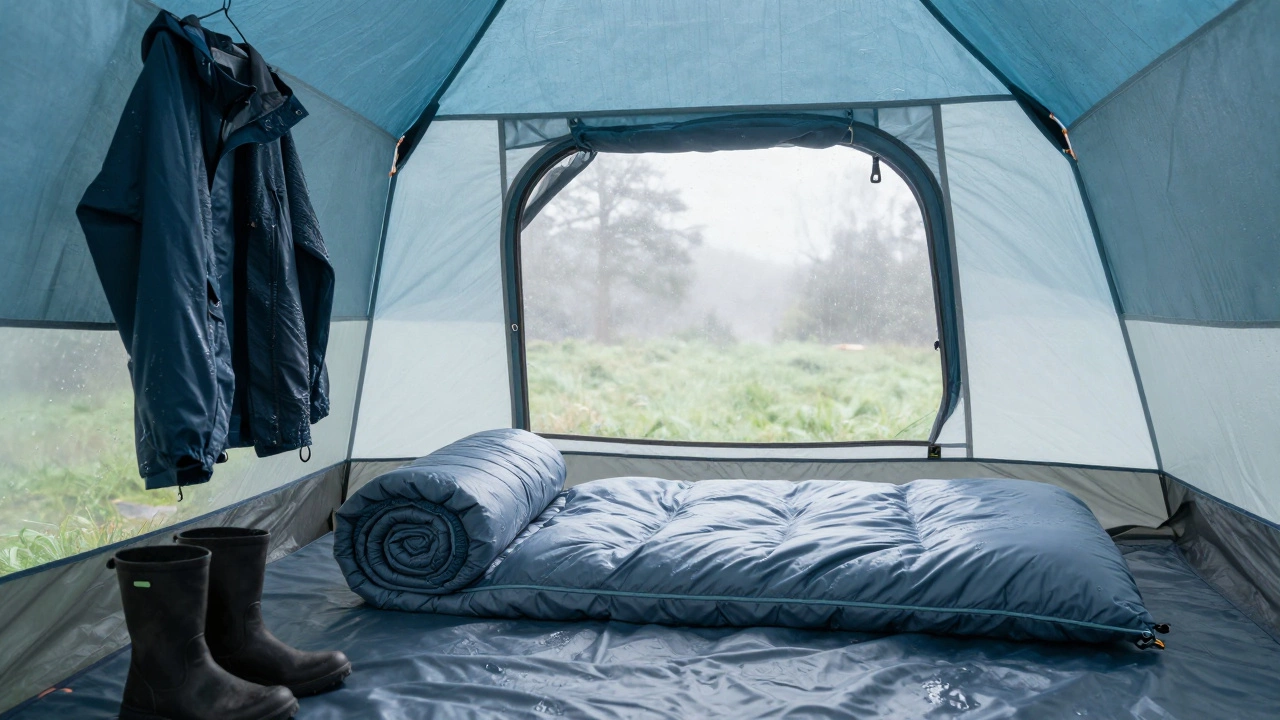
UK weather is famous for being damp. When you come back from a hike in the rain, it is tempting to throw your wet jacket and boots into the tent to dry out overnight. Do not do this. Tents trap humidity. Adding wet clothing or gear increases the internal moisture levels significantly. This leads to condensation forming on the inner walls of your tent, making your sleeping bag damp and cold. A wet sleeping bag loses its insulating properties, which can lead to hypothermia in cold conditions.
Similarly, bringing fresh flowers or plants inside might sound romantic, but it adds unnecessary moisture to the air as they release water vapor. Plus, pollen can trigger allergies in a confined space. Instead, hang wet gear in a covered porch area, under a tarp, or in a well-ventilated vestibule if your tent has one. Allow items to dry completely before storing them in your backpack or tent.
Electronics and Valuables
While it is convenient to charge your phone inside your tent, leaving expensive electronics unattended poses a theft risk, especially at busy campsites. Pickpockets and opportunistic thieves know that campers often leave laptops, cameras, and phones visible in their tents. Additionally, electronic devices can overheat if left in direct sunlight during the day, and batteries can leak or explode if exposed to extreme temperatures.
Store valuables in your locked car whenever possible. If you must bring them into the tent, keep them in a secure bag tucked away where they cannot be easily accessed from the outside. For charging, use a power bank rather than plugging into external outlets if the wiring looks questionable. Always ensure cables are managed safely to avoid tripping hazards or short circuits.
Strong Odors and Chemicals
Beyond food, other strong odors can make your tent uncomfortable or unsafe. Perfumes, colognes, and heavily scented laundry detergents can linger in the fabric of your tent, making it smell stale after multiple trips. More importantly, chemicals like insect repellents, sunscreen, and cleaning supplies should never be stored inside your sleeping area. These products contain volatile organic compounds (VOCs) that can irritate your respiratory system, especially in a small, enclosed space.
Insect repellents containing DEET can also damage synthetic fabrics over time, causing discoloration or weakening the material. Apply repellent outside and allow it to dry before entering your tent. Store chemical containers in your car or a dedicated gear bin away from your sleeping bag.
| Item Category | Risk Level | Where to Store Instead |
|---|---|---|
| Food & Snacks | High (Pests) | Car, Cool Box, Bear Bag |
| Candles & Heaters | Critical (Fire/CO) | Never inside; use LED lights |
| Wet Clothing/Gear | Medium (Condensation) | Vestibule, Porch, Tarp Area |
| Valuables (Laptop/Camera) | Medium (Theft) | Locked Car, Secure Bag |
| Chemicals (Repellent/Sunscreen) | Low-Medium (Health/Fabric) | Car, Gear Bin Outside |
Living Creatures: Pets and Wildlife
Unless you have a pet-friendly tent specifically designed for animals, it is best to keep pets outside or in a separate designated area. Dogs shed fur, track in dirt, and may scratch the tent floor. Cats might knock over lanterns or dig at the seams. While many campsites in the UK welcome dogs, they usually require them to be leashed and kept under control. Bringing a pet inside limits your space and increases the likelihood of damaging your gear.
Wildlife should definitely stay out. If you find a spider or insect inside, gently remove it rather than crushing it, as some species can bite if threatened. Never attempt to house unfamiliar animals found around the campsite.
Conclusion: Create a Sanctuary, Not a Storage Unit
Your tent is your bedroom, bathroom, and living room rolled into one small space. Treating it like a storage closet invites chaos. By keeping food, fire, moisture, and valuables out, you create a safer, cleaner, and more comfortable environment. Remember, the goal of camping is to relax and enjoy nature, not to worry about raccoons raiding your snacks or waking up to a damp sleeping bag. Plan ahead, pack smart, and let your tent be the peaceful retreat it was designed to be.
Can I cook inside my tent?
No, you should never cook inside your tent. Cooking produces smoke, grease, and food particles that attract pests. It also poses a significant fire hazard due to open flames or hot surfaces. Always cook in a designated outdoor kitchen area or on a stable surface well away from your tent.
Is it okay to put my dirty shoes in the tent?
It is not recommended. Dirty shoes bring in mud, bacteria, and potentially ticks or other insects. Keep them in the vestibule of your tent if available, or store them in a mesh bag outside. This keeps your sleeping area clean and reduces the risk of tracking pests indoors.
What should I do if I spill something in my tent?
Clean it up immediately. Use a damp cloth to wipe away spills, then allow the area to dry thoroughly with good ventilation. Avoid using harsh chemicals or excessive water, which can damage the tent fabric or promote mold growth. If the spill involves food, ensure all residue is removed to prevent attracting pests.
Can I use a battery-powered heater in my tent?
While battery-powered heaters do not produce carbon monoxide, they still pose a fire risk if they overheat or fall onto flammable materials. Most experts recommend against using any heating device inside a tent. Instead, invest in a high-quality sleeping bag rated for low temperatures and wear thermal layers.
How do I stop condensation in my tent?
Condensation is caused by breath and sweat meeting cold tent walls. To minimize it, ventilate your tent by opening windows and doors, keep wet gear outside, and avoid cooking inside. Using a footprint under your tent can also help reduce ground moisture rising into the floor.