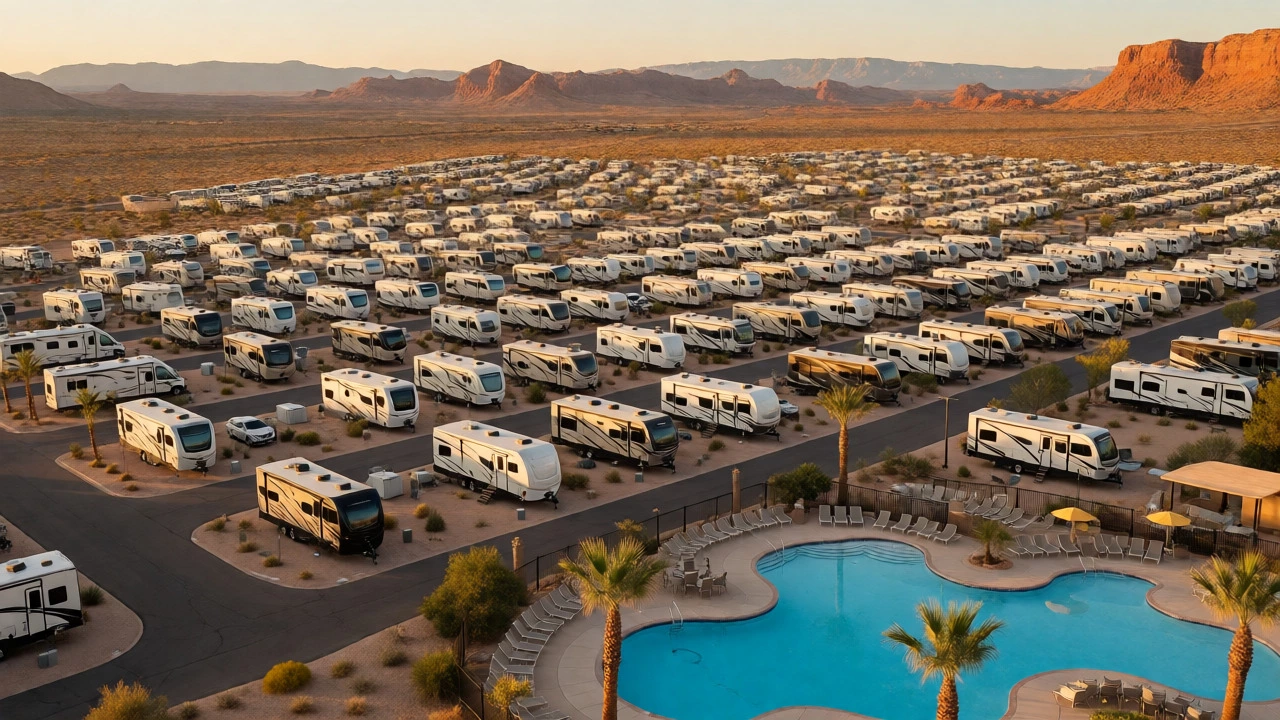
Campground Size & Fit Finder
Not sure if you need a massive resort or a quiet state park? Answer three quick questions to find your ideal campground profile.
Recommended Profile:
Key Features to Look For:
| Campground Type | Best Example | Why it fits |
|---|
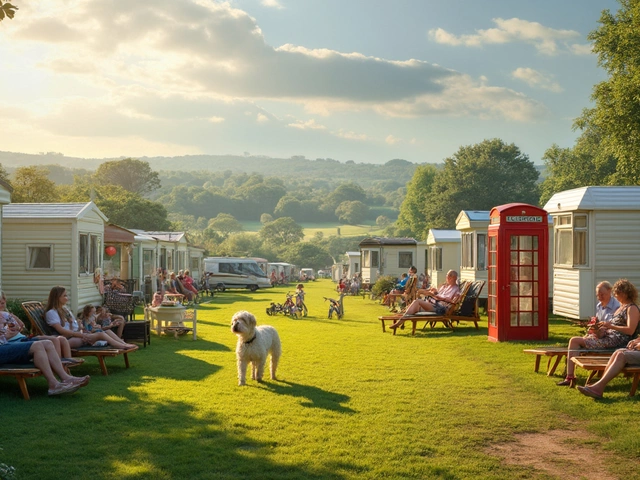
You pull into a site that looks less like a campsite and more like a small town. There are paved roads, utility hookups for every rig, swimming pools, dog parks, and maybe even a golf course. You check your map. You're not in a city. You're at one of the largest campgrounds in the United States. But which one actually holds the title for "biggest"?
The answer isn't as simple as picking one name. It depends on how you measure size. Are we talking about acreage? Number of sites? Or total capacity including glamping structures? Most people searching for this want to know where they can find massive amenities without leaving nature. They want to know if there’s a place big enough to handle their extended family reunion or their club rally.
Defining "Biggest": Acreage vs. Capacity
Before we point a finger at a specific location, we need to clarify what "biggest" means in the camping world. This distinction matters because it changes your experience entirely.
- Acreage: The physical land area. Some places have huge acres but few sites (think sprawling ranches).
- Site Count: The number of individual pitches available for tents, RVs, or cabins. This is usually the metric families care about most.
- Total Capacity: How many people can sleep there simultaneously.
For this guide, we focus on site count and capacity, because that’s what determines if you can book a spot during peak season. If a park has 500 acres but only 50 sites, it’s spacious, not necessarily "big" in terms of community infrastructure.
The Contender: Thousand Trails Arizona
If you ask seasoned RVers who frequent the Southwest, many will point to Thousand Trails Arizona as one of the largest and most comprehensive resort-style campgrounds in the country. Located near Mesa, Arizona, this property doesn’t just offer spots; it offers a lifestyle.
Why does it rank so high? It combines sheer volume with luxury amenities. With over 1,000 sites spread across hundreds of acres, it functions like a self-contained village. You don’t leave unless you want to. The scale allows for multiple pools, extensive hiking trails, and separate zones for quiet camping versus active recreation.
However, Thousand Trails operates on a membership model. This is a crucial detail. You can’t always just walk up and pay nightly rates like a standard state park. For families looking for flexibility, this might be a hurdle. But for those who camp regularly, the cost-per-night drops significantly, making the "biggest" option also potentially the most economical long-term.
The Volume King: Camping World RV Resorts
Another major player in the "biggest" conversation is the network of Camping World RV Resorts located across various states, particularly in Florida and Texas. These aren't single locations but a brand known for acquiring large existing parks and expanding them.
Specifically, the Camping World RV Resort Orlando is often cited for its massive footprint and proximity to theme parks. While exact site counts fluctuate due to renovations and new builds, these resorts routinely feature between 300 to 800+ full-hookup sites. Their advantage is consistency. If you’re driving cross-country with kids, knowing that the next stop will have clean bathrooms, laundry facilities, and Wi-Fi reduces travel anxiety.
| Feature | Thousand Trails AZ | Camping World Orlando | KOA Fort Collins |
|---|---|---|---|
| Approx. Site Count | 1,000+ | 400-600 | 200-300 |
| Primary Vibe | Resort/Luxury | Familial/Theme Park Access | Traditional/Community |
| Booking Model | Membership Heavy | Nightly/Hybrid | Nightly/Membership |
| Best For | Long Stays/Wintering | Tourists/Families | Short Stops/Nature |
The Traditional Giant: KOA Network Leaders
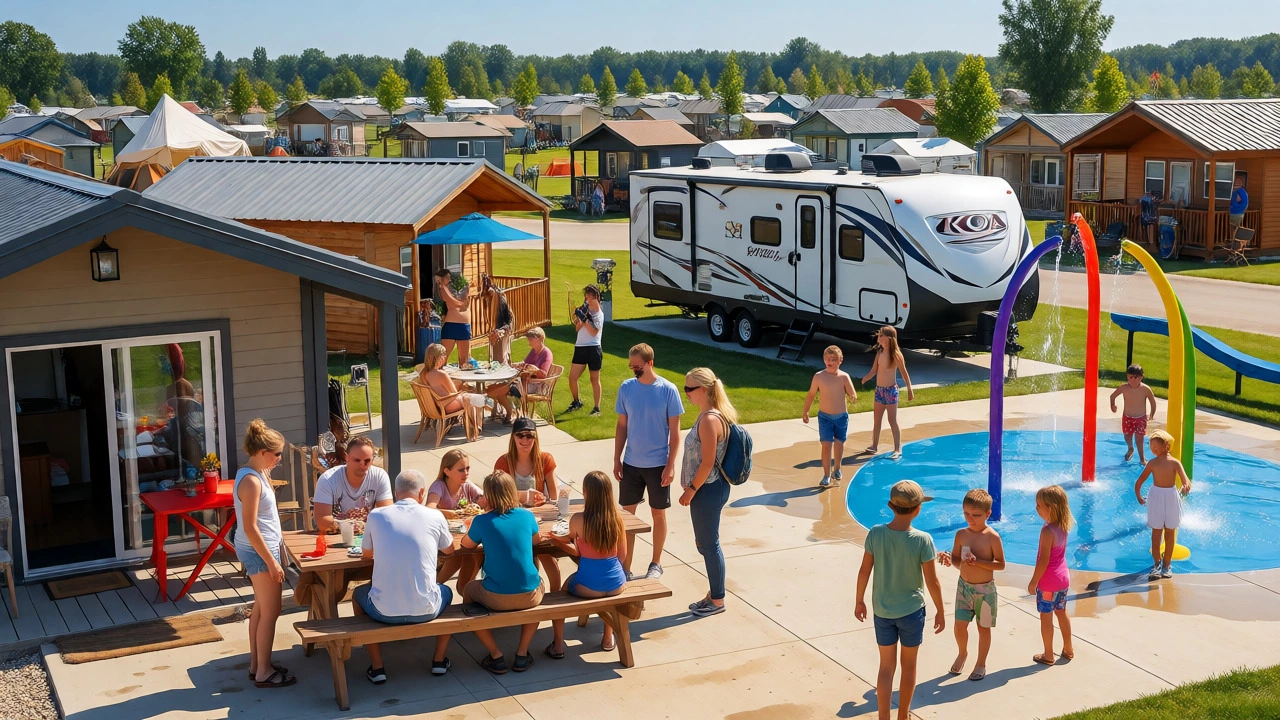
You can’t talk about big campgrounds without mentioning Kampgrounds of America (KOA) the largest franchise system for campgrounds in North America. While no single KOA is typically the absolute biggest by acreage, certain locations punch well above their weight class.
KOA Fort Collins in Colorado is frequently highlighted for its expansive layout and diverse lodging options. It blends traditional tent sites with modern cabins and RV pads. What makes it stand out isn't just the number of sites, but the variety. You might have grandparents in a cabin, parents in an RV, and teens in tent sites, all within walking distance of each other. That logistical ease is why large KOAs remain popular for family reunions.
Another notable mention is KOA Myrtle Beach which capitalizes on coastal tourism demand with high-capacity accommodations. In peak summer months, these coastal giants operate at near-total capacity, proving that "big" also means "busy."
State and National Park Mega-Campgrounds
If you prefer public lands over private franchises, the definition of "biggest" shifts. State parks often have larger footprints but fewer developed sites per acre to preserve natural aesthetics.
Big Sur Campground & Cabins in California offers a unique blend of redwood forest immersion and significant capacity relative to its rugged terrain. While not having thousands of sites, its ability to accommodate large groups in a sensitive ecological zone is impressive.
In the Midwest, Lake Michigan Shoreline State Forest and similar large state forests in Wisconsin and Minnesota host dispersed camping areas that collectively cover vast miles of shoreline. Here, "big" refers to the freedom to roam rather than a centralized hub. For families wanting space between neighbors, these public options often feel bigger than crowded private resorts.
What Makes a Campground "Big" Worth Visiting?
Size alone doesn’t make a campground good. In fact, too much size can lead to long walks to the restroom or feeling lost in the crowd. So, why choose a giant?
- Amenity Depth: Small parks have one pool. Big parks have water slides, lazy rivers, splash pads, and adult-only quiet zones. Everyone gets something.
- Availability: During July 4th or Labor Day, small parks sell out instantly. Large parks have inventory.
- Activities On-Site: If you don’t want to drive to a museum or beach, big parks bring the entertainment to you.
- Service Levels: Larger operations usually have full-time staff, maintenance crews, and security.
But there are downsides. Noise travels further in dense clusters. Privacy is harder to find. And prices can be higher due to the overhead of maintaining such large infrastructures.
How to Choose the Right Size for Your Family
Deciding whether to aim for the biggest campground depends on your group dynamics.
Choose a Mega-Park if: * You have mixed ages (kids, adults, seniors) with conflicting needs. * You plan to spend 70% of your time on-site. * You need reliable utilities (full hookups) for long stays. * You value convenience over solitude.
Choose a Mid-Sized Park if: * You want nature first, amenities second. * You prefer waking up to birdsong, not pool splashes. * You are comfortable booking months in advance.
Practical Tips for Booking Large Campgrounds
If you’ve decided to target one of America’s largest campgrounds, here’s how to navigate the process.
- Book Early: The best sites (shade, privacy, close to amenities) go first. For summer trips, book 6-9 months ahead.
- Check the Map: Don’t just pick a site number. Look at the park map. Avoid sites near playgrounds if you want sleep. Avoid sites near trash cans if you dislike smells.
- Ask About Noise Policies: Big parks often have stricter noise ordinances after 10 PM. Know the rules before you bring the boombox.
- Verify Pet Rules: Large parks may have designated dog runs. Others ban pets from certain zones. Confirm this if you’re bringing Fido.
Beyond the Title: Other Massive Options
While Thousand Trails and Camping World dominate the private sector, don’t overlook regional giants. Sun Outdoors operates several large-scale properties in the Southeast that compete directly with national brands. Similarly, Escape Campervans partnerships with large local parks provide niche access to high-capacity urban campgrounds.
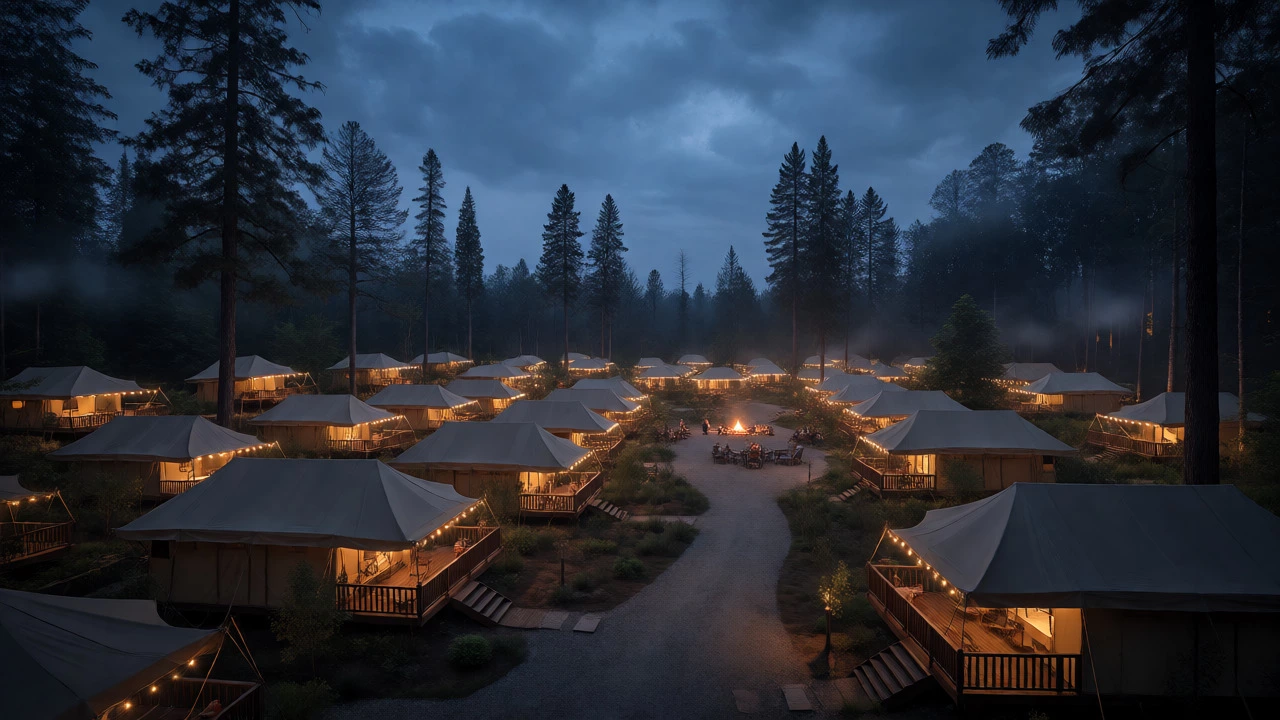
Also, consider the rise of glamping villages. Places like Under Canvas offer large clusters of luxury tents in scenic locations, functioning as mini-resorts despite lower total acreage. They redefine "big" by focusing on density of experience rather than square footage.
Final Thoughts on Finding Space
There is no single official record holder for the "biggest" campground because the industry is fragmented and data changes yearly. However, if you want the closest thing to a mega-city in the woods, look toward the large resort networks in Arizona, Florida, and Texas. These places offer the safety net of scale: if one activity fails, there are ten others to try.
For families, the appeal of the biggest campground is predictability. You know exactly what you’re getting. No surprises about lack of hot water or distant bathrooms. It’s camping with training wheels removed, but still firmly on the ground.
Which campground has the most sites in the US?
While numbers fluctuate, Thousand Trails Arizona is widely considered one of the largest with over 1,000 sites. Other contenders include large Camping World RV Resorts in Florida and Texas, which often exceed 500 sites.
Are big campgrounds better for families?
Yes, if you prioritize amenities and convenience. Large campgrounds offer pools, game rooms, and organized activities that keep children entertained. However, they can be noisy and lack privacy compared to smaller, rustic sites.
Do I need a membership for the biggest campgrounds?
Not always. Brands like Thousand Trails favor members, but often allow non-member nightly stays at a premium. Camping World and KOA locations generally accept direct bookings without membership requirements.
What is the downside of staying at a large campground?
The main drawbacks are noise, traffic congestion within the park, and reduced sense of seclusion. You are sharing space with hundreds of other rigs, which can diminish the feeling of being "in the wild."
Can I reserve a specific site type at large campgrounds?
Most large campgrounds allow you to filter by site type (pull-through, back-in, shade, waterfront). However, specific site numbers may be assigned closer to arrival unless you pay extra for guaranteed selection.